
Top Cars with Best Resale Value in India
This list features cars in India that retain the highest resale value over time, helping buyers make smart investment decisions and minimize depreciation losses.
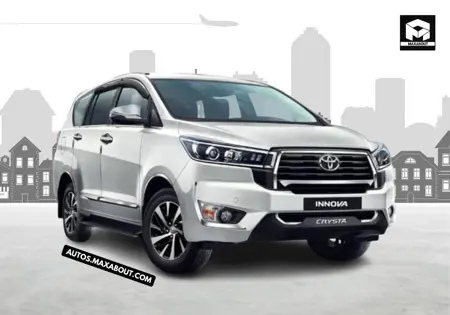
Toyota Innova Crysta
Toyota
The Toyota Innova Crysta is basically the king when it comes to resale value in India. I've seen five-year-old Crystas selling for 60-65% of their original price, which is just phenomenal. The reason is simple - this MPV has built an unshakeable reputation for reliability. People know that even a used Crysta with 80,000 km on the clock will run smoothly for another five years without major issues.
What really works in its favor is the diesel engine's legendary durability and Toyota's service network that covers even tier-3 cities. Taxi operators in Delhi and Bangalore prefer this over anything else, which tells you something. Sure, it's expensive at ₹19-26 lakh, but when you're getting back more than half that money after years of use, it makes financial sense. The demand in the used car market never dips.
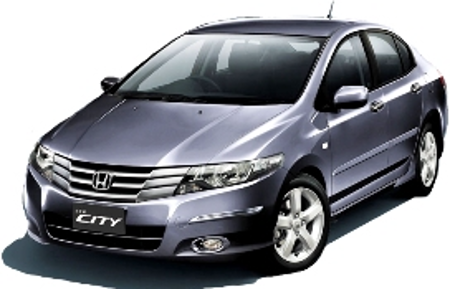
Honda City (2010)
Honda
Here's something interesting - even the 2010 Honda City still commands respect in the used car market. I recently helped a friend sell his 2012 City, and the number of inquiries we got was surprising. Honda has this reputation for building sedans that just refuse to die, and the City exemplifies that perfectly.
The i-VTEC petrol engine is smooth even after crossing 1 lakh kilometers, and parts availability is excellent across India. What I really appreciate is how well the car ages - the build quality means the interiors don't rattle or feel cheap even after a decade. In cities like Pune and Hyderabad, the City has a loyal following. Buyers know they're getting a reliable sedan that won't cost a fortune in maintenance, which is why resale values stay strong at around 40-50% even for older models.
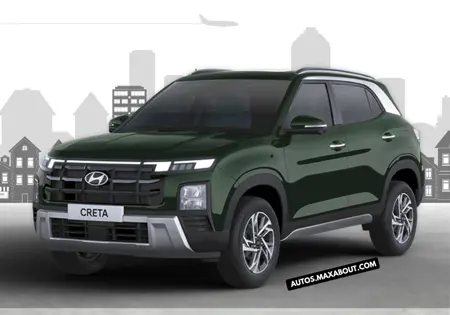
Hyundai Creta
Hyundai
The Hyundai Creta changed the SUV game in India when it launched, and its resale value reflects that dominance. This is one of those vehicles where demand consistently outstrips supply in the used car market. I think it's because Hyundai nailed the combination of features, comfort, and practicality that Indian families want.
What makes the Creta hold value so well is its broad appeal across demographics. From young professionals in Mumbai to families in Jaipur, everyone wants one. The diesel variants especially retain value because of their fuel efficiency on long highway runs. Service costs are reasonable, and Hyundai's network means you can get it serviced anywhere. First-generation Cretas from 2015-16 still sell for respectable amounts, and the newer models are doing even better. At ₹10-18 lakh, it's an investment that won't disappoint when selling time comes.
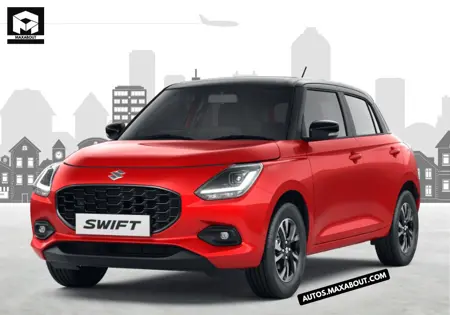
Maruti Swift
Maruti
The Maruti Swift is probably the safest bet if resale value is your priority. I've seen 2014-15 Swifts selling for almost 45-50% of their original price, which is remarkable for a hatchback. Maruti's dominance in India means there's always a buyer waiting, and the Swift is their most popular model.
What really helps is the low maintenance cost and incredible fuel efficiency - whether petrol or diesel. The service network is unmatched; you can get a Swift serviced in the remotest towns. In my experience, first-time car buyers actively hunt for used Swifts because they know it's reliable and won't burn a hole in their pocket. The driving dynamics are fun too, which adds to its appeal. At ₹6-9 lakh new, even a well-used Swift holds enough value to make it a smart financial choice for anyone planning to upgrade later.
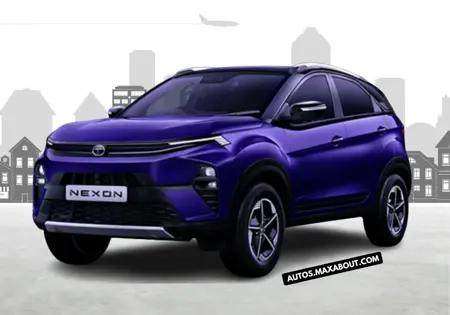
Tata Nexon
Tata
The Tata Nexon has genuinely surprised me with how well it holds value. Just a few years ago, Tata vehicles weren't known for strong resale, but the Nexon changed that perception completely. This compact SUV's combination of safety, features, and competitive pricing has created strong demand in both new and used markets.
I think the 5-star safety rating is a huge selling point - Indian buyers are increasingly conscious about this. The turbo-petrol engine is peppy for city traffic in Bangalore or Delhi, and the diesel is frugal on highways. Build quality has improved dramatically, and the recent models feel premium. What's working in its favor is Tata's expanding service network and the fact that it regularly appears on 'best value SUV' lists. Used Nexons from 2020-21 still fetch ₹7-8 lakh easily, which is impressive. If you buy at ₹8-14 lakh, you're looking at minimal depreciation over the first few years.
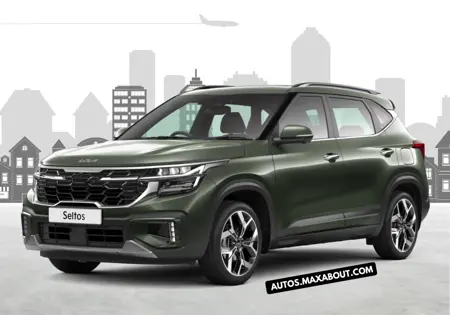
Kia Seltos
Kia
When Kia Seltos launched in 2019, nobody expected it to command such strong resale values so quickly. But I've noticed that three-year-old Seltos models are selling for 65-70% of their original price, which puts them ahead of many established competitors. The reason is straightforward - Kia entered India with aggressive pricing and loaded features.
The Seltos looks premium, drives well, and comes with that lengthy warranty that transfers to second owners. This warranty aspect is huge for used car buyers. In cities like Chennai and Ahmedabad, dealers tell me the Seltos is among the fastest-moving used SUVs. The 1.5 diesel is particularly sought after for its fuel economy. Sure, it's a newer brand, but strong initial sales and satisfied owners have built trust quickly. At ₹10-19 lakh, it's holding value better than German competitors.
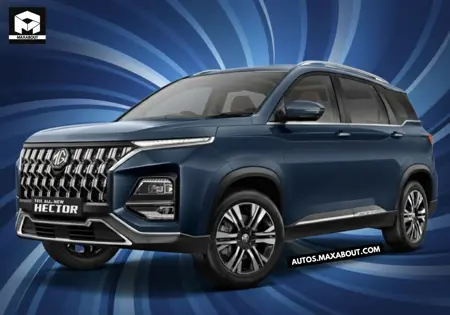
MG Hector
MG
The MG Hector might seem like an unusual entry here since it's a relatively new brand in India, but hear me out. The Hector's resale value has been surprisingly stable, mainly because MG positioned it as a feature-loaded SUV at competitive prices. When I see three-year-old Hectors selling for around 60% of original value, it shows buyers trust the brand.
What helps is the spacious cabin and connected car features that still feel modern even in used examples. The 2.0 diesel engine has proven reliable, and MG's service quality has been decent in metros. Yes, the network isn't as extensive as Maruti or Hyundai, but in cities where MG has presence, the resale market is active. The Hector appeals to families wanting space and tech without spending ₹25+ lakh. For buyers who purchased at ₹14-21 lakh, the depreciation curve isn't as steep as expected for a new entrant.
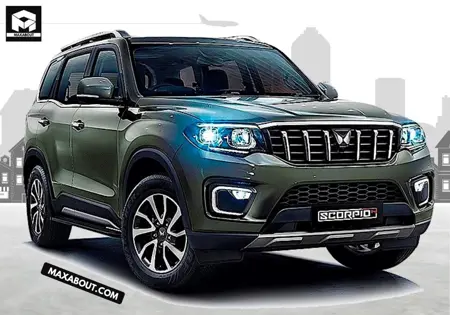
Mahindra Scorpio-N
Mahindra
The Mahindra Scorpio-N is carrying forward the legacy of one of India's most iconic SUVs, and its resale story is interesting. While it's too new to have extensive resale data, early indicators are strong. The original Scorpio held value exceptionally well because of its rugged reputation and rural appeal, and the Scorpio-N is following that path.
What I find compelling is the body-on-frame construction and genuine off-road capability - something buyers value when purchasing used. In states like Punjab, Rajasthan, and UP, the Scorpio badge means something. The new model adds refinement without losing that toughness. Mahindra's extensive service network, especially in smaller towns, ensures buyers aren't worried about maintenance. At ₹12-24 lakh, it's a substantial investment, but the strong brand loyalty means demand will remain high in used markets. I'd bet on this holding 55-60% value after four years.
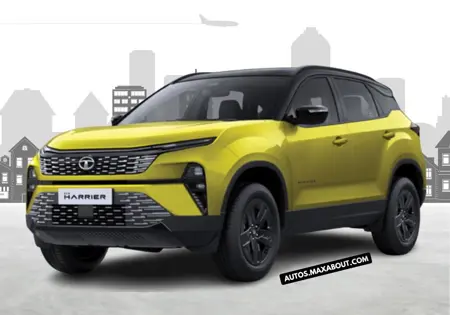
Tata Harrier
Tata
The Tata Harrier represents Tata's transformation into a manufacturer of desirable SUVs, and this shows in its resale performance. I've tracked Harrier prices since its 2019 launch, and the depreciation has been reasonable - much better than older Tata models experienced. The Land Rover-derived platform gives it credibility.
What buyers appreciate in the used market is the commanding road presence and spacious interiors. The 2.0 diesel engine from Fiat is proven and efficient on highways connecting cities like Mumbai to Goa or Delhi to Chandigarh. Build quality concerns from early batches have been addressed, which helps buyer confidence. Tata's improving service quality and the Harrier's popularity mean there's genuine demand for used examples. At ₹15-24 lakh new, owners are seeing better-than-expected returns when selling after three years. It's finally a Tata that doesn't hemorrhage value immediately.
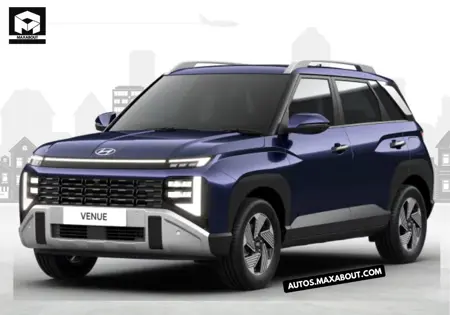
Hyundai Venue
Hyundai
The Hyundai Venue has quickly become one of the best compact SUVs for resale value in India. I think it's because Hyundai understood exactly what Indian buyers want - good looks, decent features, and reliability. The Venue ticks all boxes and the used car market reflects this with strong pricing.
What impresses me is how the turbo-petrol variants are holding value particularly well. They offer that punch needed for city overtakes in Bangalore traffic while delivering reasonable mileage. The diesel was discontinued, but petrol and diesel variants from 2019-20 still fetch good money. Hyundai's service costs are predictable, and the brand's reputation means buyers trust they're getting a dependable vehicle. At ₹7-13 lakh, it's affordable enough that demand remains high in the used market. First owners are often surprised at how much they can recover after three years of ownership.
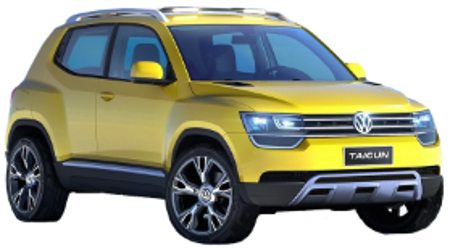
Volkswagen Taigun
Volkswagen
Here's where things get interesting - the Volkswagen Taigun is a German brand vehicle that's actually holding value decently in India. Traditionally, VW's resale hasn't been great here, but the Taigun is changing that narrative. I attribute this to competitive pricing and the fact that it shares underpinnings with the popular Skoda Kushaq.
The TSI turbo-petrol engines are genuinely fun to drive, and build quality feels premium compared to mainstream rivals. Yes, service costs are higher than Maruti or Hyundai, but they're not astronomical. In metros like Mumbai, Delhi, and Pune, there's a segment of buyers who prefer German engineering and are willing to pay for it in the used market. The Taigun at ₹11-18 lakh offers that without the typical VW depreciation hit. Early resale indicators show it's holding 55-60% value after two years, which is respectable for the segment.
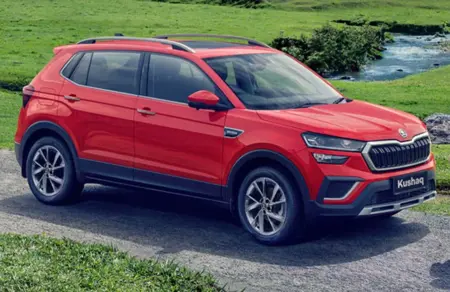
Skoda Kushaq
Skoda
The Skoda Kushaq surprised many by holding value better than expected for a European brand in India. I think Skoda learned from past mistakes and priced it competitively while maintaining their build quality standards. The result is a compact SUV that doesn't depreciate as aggressively as older Skoda models did.
What's working for the Kushaq is its solid construction and powerful engines. The 1.0 TSI is adequate, but the 1.5 TSI is genuinely quick and enjoyable on highways. Used car buyers who prioritize driving dynamics over just features are seeking out Kushaq models. Skoda's improving service network and transparent pricing have helped build trust. At ₹11-19 lakh, it's positioned between mainstream and premium, and that niche has buyers willing to pay good money for used examples. I'd say it's retaining about 58-62% value after three years, which is impressive for the badge.
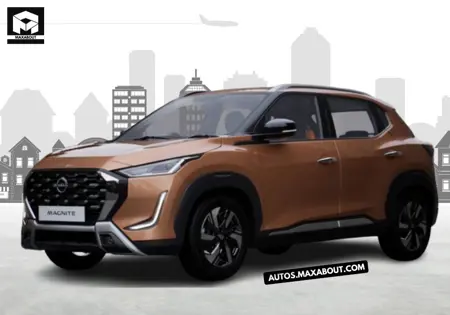
Nissan Magnite
Nissan
The Nissan Magnite was a game-changer for Nissan India, and its resale value is proving better than the brand's earlier offerings. At its aggressive price point, the Magnite attracted buyers who wanted SUV styling without breaking the bank. What I find noteworthy is that used Magnites are selling quickly in tier-2 and tier-3 cities.
The 1.0 turbo engine offers good performance for its size, and the CVT variant is smooth for urban commutes. Fuel efficiency is decent, which matters when you're calculating total ownership costs. Nissan's service network has improved, though it's still not as widespread as Maruti's. At ₹6-11 lakh, the Magnite appeals to first-time SUV buyers, and when these owners upgrade, there's a ready market for used examples. It's holding around 50-55% value after two years - not exceptional but solid considering the brand's past struggles. The value proposition remains strong in the used market.
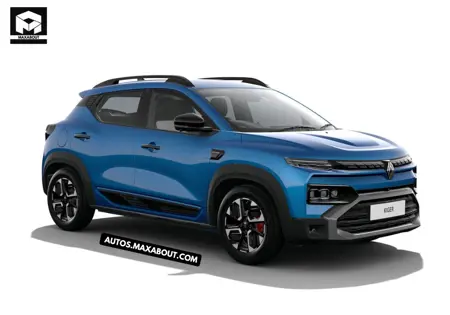
Renault Kiger
Renault
The Renault Kiger shares its platform with the Magnite, but Renault's pricing strategy made it slightly more premium. I've noticed that Kiger's resale is holding up reasonably well, especially considering Renault's historically weak resale reputation in India. The styling is distinctive, which helps it stand out.
What buyers appreciate is the spacious cabin relative to its footprint and the availability of both naturally aspirated and turbo engines. The turbo CVT combination works well for city traffic in places like Kolkata or Lucknow. Renault's service network is the weak point, but in cities where they have presence, the Kiger finds buyers. At ₹6-11 lakh, it's positioned identically to the Magnite, and used car buyers often cross-shop between them. The Kiger is retaining about 48-52% value after two years. Not the strongest on this list, but better than older Renault models by a significant margin.
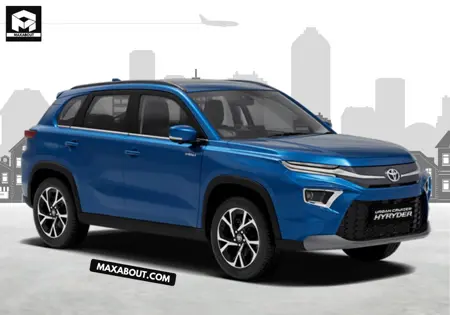
Toyota Urban Cruiser Hyryder
Toyota
The Toyota Urban Cruiser Hyryder entered a crowded segment but brought Toyota reliability and hybrid technology. It's too new for extensive resale data, but early signs are very promising. Toyota's reputation alone ensures strong residual values, and the Hyryder is benefiting from that legacy immediately.
What makes this special is the strong hybrid option that delivers outstanding fuel efficiency - crucial for Indian buyers calculating long-term costs. The mild hybrid is also efficient. I think the hybrid variants will particularly hold value as fuel prices fluctuate. Toyota's service network inspires confidence, and the association with Maruti (it shares underpinnings with Grand Vitara) ensures parts availability. At ₹11-20 lakh, the Hyryder targets practical buyers who plan to keep vehicles long-term. When they do sell, the Toyota badge guarantees strong interest. I'd predict 60-65% value retention after three years, matching Toyota's overall track record.
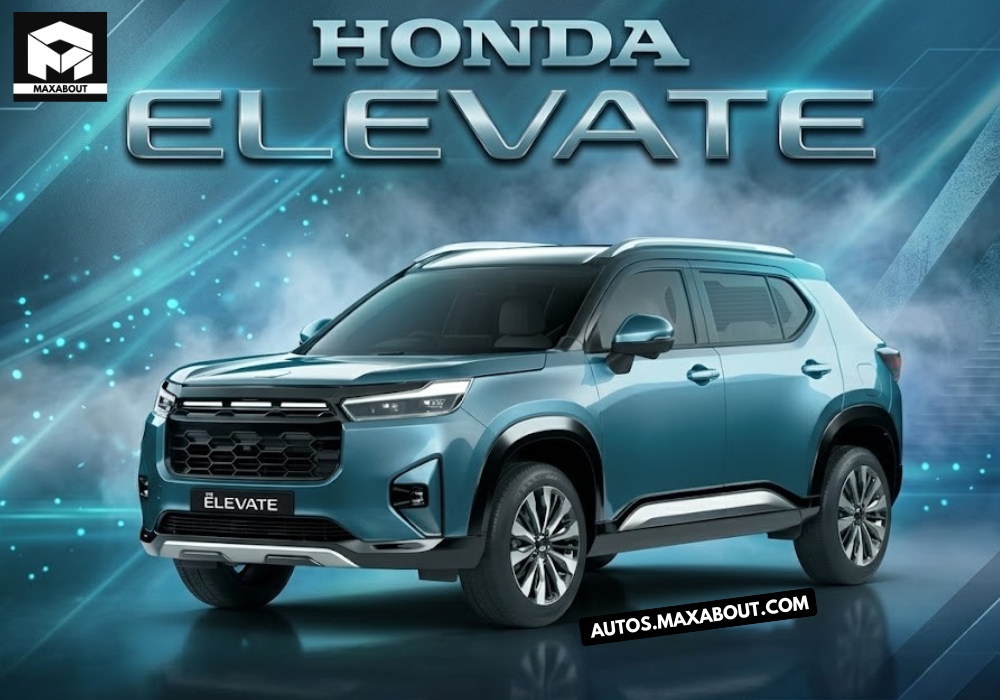
Honda Elevate
Honda
Honda launched the Elevate recently, positioning it as a practical mid-size SUV with their trademark refinement. While it's too early for concrete resale data, Honda's track record in India suggests the Elevate will hold value well. The brand has consistently delivered vehicles that age gracefully.
What I like about the Elevate is the spacious interiors and Honda's naturally aspirated petrol engine that's known for longevity. No turbo complexity means fewer potential issues down the line. The ride quality is tuned for Indian roads, handling both highways and broken city streets competently. Honda's service costs are moderate, and their network covers most urban centers. At ₹11-16 lakh, it's priced competitively against established rivals. Based on how the City and previous generation CR-V performed, the Elevate should retain 55-60% value after four years. Honda loyalists will ensure demand remains steady in used markets.
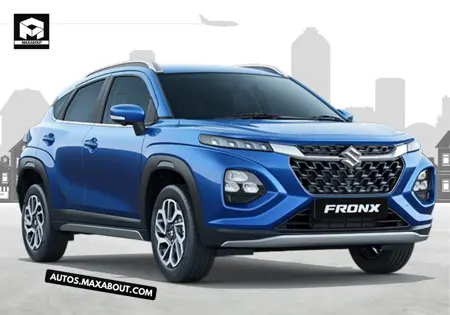
Maruti NEXA Fronx
Maruti NEXA
The Maruti Fronx is essentially a coupe-SUV version of the Baleno, and Maruti's involvement means resale will be strong. Anything wearing a Maruti badge has inherent resale advantage in India, and the Fronx leverages that fully. I see it as a smart buy for those wanting something slightly different.
The 1.0 turbo engine adds performance appeal while the regular petrol is efficient. CNG option broadens its appeal further, especially for high-mileage users. Maruti's unmatched service network means a Fronx can be maintained anywhere in India, from Srinagar to Kanyakumari. This accessibility directly translates to better resale values. At ₹7-13 lakh, the Fronx targets younger buyers who'll likely upgrade in a few years. When they do, the Maruti badge ensures quick sales at good prices. I'd estimate 50-55% value retention after three years, which is excellent for this relatively niche segment.
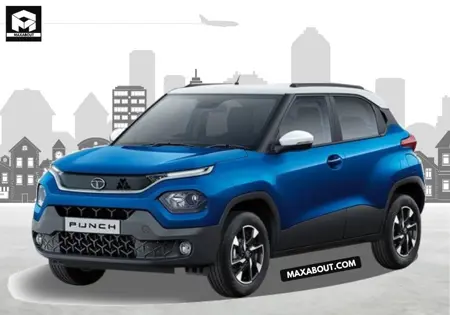
Tata Punch
Tata
The Tata Punch created its own micro-SUV segment and has been a sales success, which bodes well for resale. I think Tata finally cracked the formula with the Punch - it looks tough, feels safe, and is priced aggressively. Used car buyers are responding positively to this combination.
What stands out is the high ground clearance and SUV stance at a hatchback-like price point. It handles rough roads confidently, which matters in cities with poor infrastructure. The safety ratings are strong, and Tata's improving build quality is evident. At ₹6-10 lakh, it's accessible to a huge buyer base. The CNG variant adds appeal for cost-conscious buyers. I'm seeing one to two-year-old Punch models selling for 70-75% of original value, which is frankly impressive. The demand is there because buyers recognize genuine value when they see it. This should continue as more units enter the used market.
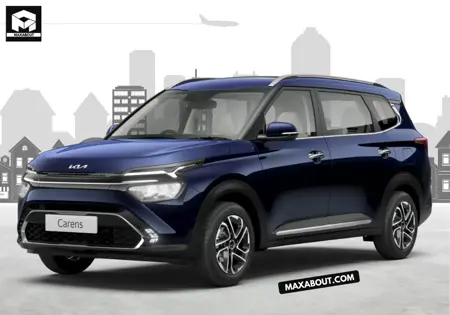
Kia Carens
Kia
The Kia Carens brought three-row seating at competitive prices, directly challenging established MPVs. Its resale value is shaping up well because Kia has built strong brand equity quickly in India. The Carens offers practicality that Indian families need, and that translates to demand in used markets.
What I appreciate is the flexible seating configurations and the fact that it drives more like an SUV than a traditional MPV. The diesel engine is frugal for long family trips, and the petrol is adequate for city use. Kia's warranty transferability is a huge plus for used car buyers. At ₹10-19 lakh, the Carens targets the same audience as the Ertiga and XUV700, but offers better features than the former and lower pricing than the latter. Early resale indicators show it's holding 58-62% value after two years. In cities like Bangalore and Pune where three-row vehicles are popular, the Carens moves quickly.
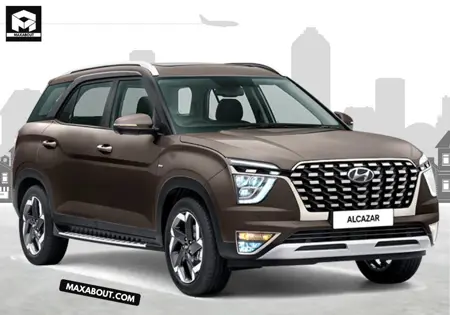
Hyundai Alcazar
Hyundai
The Hyundai Alcazar is basically a stretched Creta with three rows, and it's inheriting the strong resale characteristics of its sibling. Hyundai positioned it as a premium family SUV, and the market has responded positively. I think it fills a genuine gap between compact SUVs and full-size ones.
What works for the Alcazar is the premium feel and feature-loaded variants that still feel modern even after a couple of years. The diesel engine is the same reliable unit from the Creta, proven over lakhs of kilometers across India. Hyundai's service network and reasonable maintenance costs make it an easy recommendation for used car buyers. At ₹16-21 lakh, it's positioned as an aspirational family vehicle. The captain seats in the middle row add to the premium appeal. Based on current trends, the Alcazar should retain 55-60% value after three years, tracking closely with the Creta's excellent resale performance.