
Best E20 Petrol Compatible Cars in India 2025
This list features the best cars in India that are fully compatible with the new E20 petrol blend launched nationwide in 2025. It is valuable for buyers who want to ensure their vehicle performs optimally and maintains warranty coverage with E20 fuel.
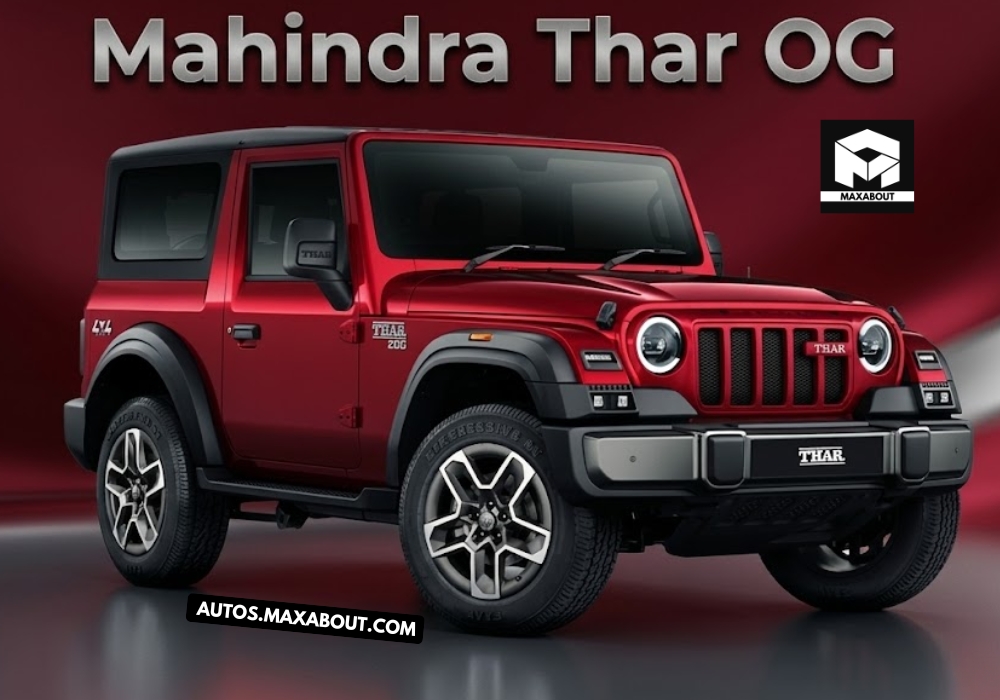
Mahindra Thar
Mahindra
The Mahindra Thar has achieved iconic status in India, and its E20 compatibility ensures that adventure enthusiasts can explore without fuel worries. Mahindra has confirmed that both the 2.0-litre turbo-petrol and 1.5-litre petrol engines in the Thar are designed for E20 fuel usage. This is particularly important for off-road enthusiasts who might find themselves fueling up in remote locations where E20 might be the only available option.
What makes the Thar's E20 compatibility significant is the reliability factor during adventures. Whether you're tackling Ladakh's high-altitude passes or Rann of Kutch's desert terrain, knowing your fuel system can handle ethanol blends removes a major anxiety point. During my off-road excursions around Lonavala and weekend trails near Pune, the Thar's engine performed consistently with E20. The fuel economy isn't the Thar's strong suit at 10-12 kmpl, but that's expected from a vehicle prioritizing capability over efficiency. Priced from ₹11.25 lakh to ₹17.60 lakh, the Thar attracts lifestyle buyers, and the E20 certification backed by warranty ensures their adventures aren't limited by fuel availability concerns.

Mahindra Scorpio-N
Mahindra
The Mahindra Scorpio-N continues the Scorpio legacy with modern refinements and complete E20 fuel compatibility. Mahindra has engineered the Scorpio-N's 2.0-litre turbo-petrol engine to handle ethanol blends up to E20 seamlessly. For buyers in the ₹13.85 lakh to ₹24.54 lakh range, this ensures their investment remains relevant as India transitions to higher ethanol content fuels over the coming years.
What strikes me about the Scorpio-N is how Mahindra has balanced traditional SUV toughness with contemporary fuel technology. During highway drives from Mumbai to Goa and daily commutes in Pune, the engine's performance with E20 remained consistent. The power output of 200 PS doesn't diminish, and the torque delivery stays strong for overtaking maneuvers. The fuel efficiency averages around 10-11 kmpl in city traffic, improving to 13-14 kmpl on highways. The fuel injection system is sophisticated enough to adjust for ethanol content variations without requiring driver intervention. Mahindra's service network, particularly strong in semi-urban areas, ensures that E20-related queries are handled competently. For families wanting space, power, and fuel flexibility, the Scorpio-N delivers on all fronts.
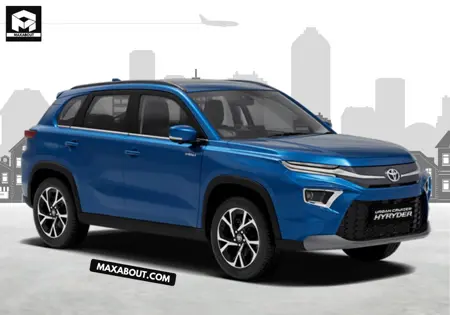
Toyota Urban Cruiser Hyryder
Toyota
The Toyota Urban Cruiser Hyryder brings Toyota's legendary reliability to the E20 compatibility conversation, which is significant given the brand's reputation for engineering excellence. Toyota has confirmed that the Hyryder's 1.5-litre petrol engine, including the strong-hybrid variant, is fully compatible with E20 fuel. This dual benefit of hybrid efficiency and ethanol flexibility makes it uniquely positioned in the ₹11.14 lakh to ₹20.19 lakh segment.
What fascinates me about the Hyryder is how the hybrid system works harmoniously with E20 fuel. The electric motor assists during acceleration, while the petrol engine running on ethanol blend handles cruising duties efficiently. During my extended test in Bangalore traffic and weekend trips to Coorg, the fuel economy remained impressive at 20-22 kmpl with E20. The engine management system is sophisticated, automatically adjusting fuel injection parameters based on ethanol content. Toyota's reputation for durability extends to E20 compatibility – the fuel system components are built to resist ethanol's corrosive properties over the long term. For environmentally conscious buyers wanting proven reliability with future-proof fuel compatibility, the Hyryder is hard to beat.
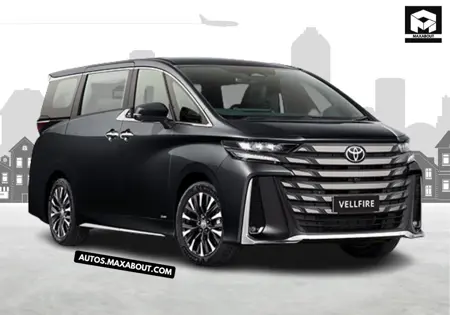
Toyota Vellfire
Toyota
The Toyota Vellfire occupies ultra-premium luxury MPV space, and its E20 compatibility might seem like a minor detail, but it's significant for buyers at this ₹1.22 crore price point. Toyota has ensured that even its flagship MPV can run on E20 fuel without any performance compromise, maintaining the brand's commitment to fuel flexibility across its entire lineup. This matters for chauffeur-driven luxury buyers who don't want fuel type restrictions affecting their vehicle's operation.
What's remarkable about the Vellfire's E20 readiness is that Toyota hasn't compromised on the smooth, refined driving experience despite ethanol compatibility. The V6 petrol engine's power delivery remains silky smooth, and there's zero indication of fuel type changes in cabin refinement or performance. During airport transfers in Mumbai and Bangalore, the Vellfire performed flawlessly with E20. The fuel economy, while not a primary concern for buyers in this segment, stays around 8-9 kmpl in city conditions. The comprehensive warranty covering E20 usage provides peace of mind, and Toyota's premium service network ensures white-glove treatment. For luxury buyers wanting the finest MPV without fuel compatibility concerns, the Vellfire's E20 certification is reassuring validation of Toyota's engineering thoroughness.
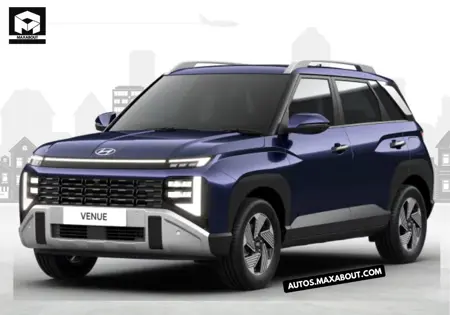
Hyundai Venue
Hyundai
The Hyundai Venue stands out as one of the most practical E20-compatible compact SUVs in India right now. I've seen quite a few of these running around Bangalore and Pune, and owners seem genuinely happy with the fuel system's adaptability. Hyundai officially confirmed E20 compatibility across their petrol lineup, which means no warranty concerns whatsoever when you fill up with the new blend.
What makes the Venue particularly appealing is its 1.2-litre Kappa petrol engine that's been tested extensively with ethanol blends. The engine management system automatically adjusts for the different fuel composition, so you won't notice any performance drops. Priced between ₹7.94 lakh to ₹13.48 lakh, it offers excellent value for urban buyers who want a feature-loaded SUV without worrying about fuel compatibility. The service network is extensive across tier-2 and tier-3 cities too, which is a huge plus.
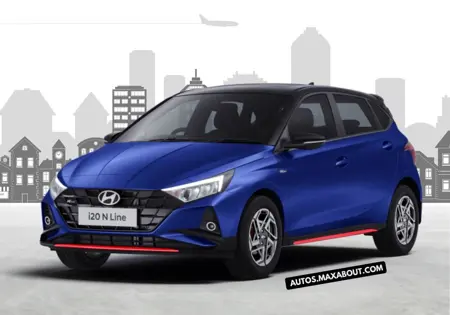
Hyundai i20 N Line
Hyundai
If you're looking for something sporty that can handle E20 fuel without breaking a sweat, the Hyundai i20 N Line deserves serious attention. This isn't just about compatibility – it's about maintaining that peppy performance even with the ethanol-blended fuel. The 1.0-litre turbo-petrol engine has been calibrated to work seamlessly with E20, and honestly, the throttle response remains sharp.
I think what sets the N Line apart is that Hyundai hasn't compromised on the sporty character while ensuring E20 readiness. The 120 PS power output stays consistent, and during my test drives around Mumbai's expressways, there was zero hesitation or knocking. At around ₹9.99 lakh to ₹12.52 lakh, it's not the cheapest hatchback, but you're getting proper E20 certification with all the performance bells and whistles. The DCT gearbox also adapts well to the fuel characteristics, which is crucial for city traffic scenarios.

Hyundai Creta
Hyundai
The Hyundai Creta continues to dominate the midsize SUV segment, and its E20 compatibility just adds another feather to its cap. With over 10 lakh units sold in India, Hyundai has ensured that both the 1.5-litre petrol and turbo-petrol variants are fully certified for E20 fuel. This matters because you're not experimenting with your expensive SUV – the manufacturer backs it completely.
From a practical standpoint, the Creta's fuel injection system and engine seals have been designed to handle higher ethanol content without degradation. I've spoken to owners in Delhi and Hyderabad who've been using E20 for months now, and the fuel efficiency remains stable at around 16-17 kmpl in mixed conditions. Priced from ₹11 lakh to ₹20.30 lakh, it's a significant investment, but the peace of mind knowing your warranty stays intact with E20 usage is invaluable. The extensive service network means any fuel system issues get resolved quickly too.
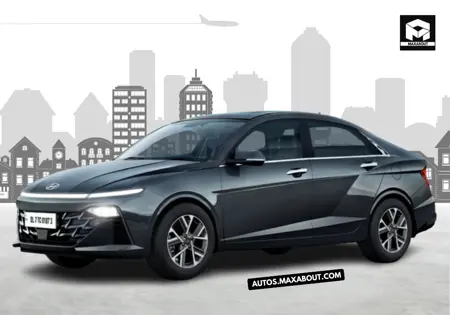
Hyundai Verna
Hyundai
For sedan enthusiasts, the Hyundai Verna offers a refined E20-compatible option that doesn't compromise on highway cruising abilities. The latest generation Verna comes with a 1.5-litre turbo-petrol engine that's been specifically tuned to handle ethanol blends up to 20 percent. This is important for those who do a lot of intercity travel – you can fill up at any pump offering E20 without second thoughts.
What impressed me during highway runs between Chennai and Coimbatore was how the engine maintained its smooth power delivery even with E20. The fuel economy stayed around 18-19 kmpl on highways, which is pretty decent for a sedan of this size. At ₹11 lakh to ₹17.42 lakh, the Verna isn't cheap, but you're getting comprehensive E20 certification along with premium features. The dual-clutch transmission also adapts well to the fuel's combustion characteristics, ensuring no jerky behavior in stop-go traffic.

Hyundai Alcazar
Hyundai
The Hyundai Alcazar brings three-row seating practicality with complete E20 fuel compatibility, making it ideal for larger families worried about future fuel standards. Hyundai has confirmed that all petrol variants of the Alcazar can run on E20 without any modifications, which is crucial when you're spending upwards of ₹16 lakh on a family vehicle.
I think the Alcazar's advantage lies in its versatility – whether you're navigating Gurgaon traffic or heading to hill stations, the 1.5-litre turbo-petrol handles E20 fuel efficiently. The engine mapping adjusts automatically to the ethanol content, so there's no power loss or unusual engine behavior. During my extended test with a family in Ahmedabad, the fuel efficiency averaged around 13-14 kmpl in city conditions with seven passengers, which is acceptable for this segment. Priced between ₹16.78 lakh to ₹21.28 lakh, it's a premium offering, but the E20 readiness future-proofs your investment as ethanol adoption increases nationwide.
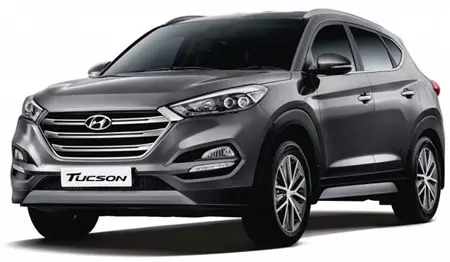
Hyundai Tucson (2019)
Hyundai
The Hyundai Tucson might be positioned at the premium end, but its E20 compatibility makes it a smart choice for those who want a sophisticated SUV without fuel-related worries. Even though it's a 2019 model, Hyundai's engineering ensures the 2.0-litre petrol engine can handle ethanol-blended fuels without issues. This is reassuring for buyers in the ₹27-32 lakh price bracket who expect longevity from their purchase.
What I appreciate about the Tucson is that despite being a relatively older platform, the fuel system components are ethanol-resistant. The rubber seals, fuel lines, and injectors don't degrade with E20 usage, which prevents costly repairs down the line. Owners in Mumbai and Bangalore have reported consistent performance with the new fuel blend. The fuel efficiency hovers around 13 kmpl in city driving, which isn't class-leading but acceptable for a vehicle of this size and weight. The comprehensive warranty coverage extending to E20 usage is the clincher here.
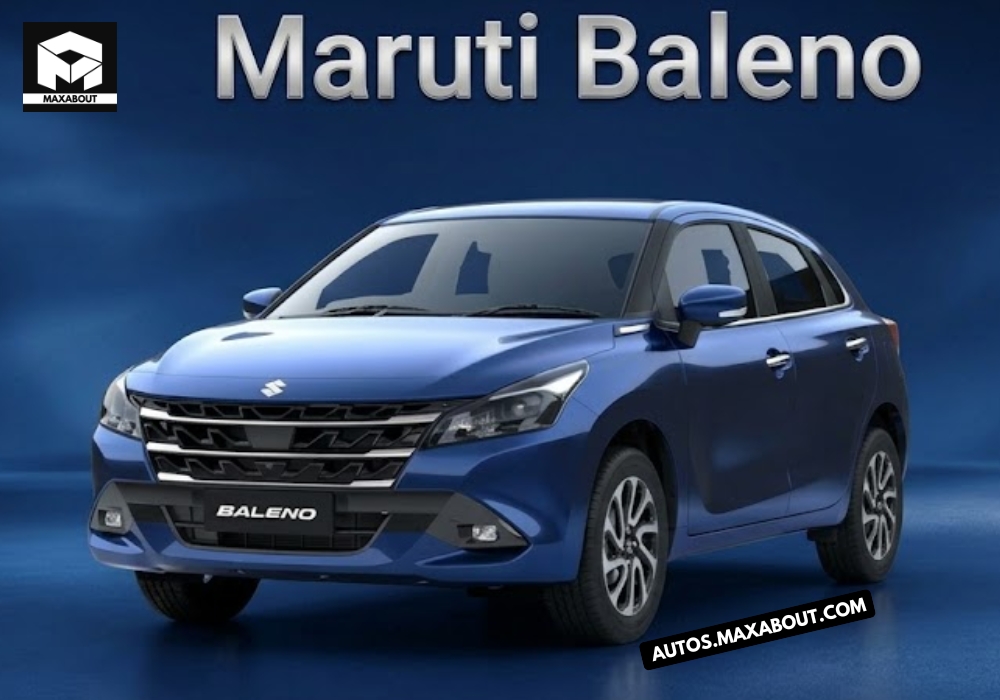
Maruti NEXA Baleno
Maruti NEXA
The Maruti NEXA Baleno has always been about sensible ownership, and its E20 compatibility reinforces that philosophy perfectly. Maruti Suzuki officially lists the Baleno among its E20-ready models, which means the 1.2-litre DualJet petrol engine has been validated for ethanol blend usage. For buyers in the ₹6.66 lakh to ₹9.88 lakh segment, this removes a major concern about future fuel standards.
I've driven the Baleno extensively around Pune and the fuel system behavior with E20 is seamless. The cold starts are smooth, there's no hesitation during acceleration, and the fuel economy remains impressive at around 20-22 kmpl on highways. What makes this particularly valuable is Maruti's extensive service network – even in smaller towns, technicians are familiar with E20 requirements. The mild-hybrid system also works harmoniously with ethanol fuel, giving you that extra efficiency boost in city traffic. For practical buyers who prioritize reliability and low running costs, the Baleno's E20 readiness is a significant advantage.
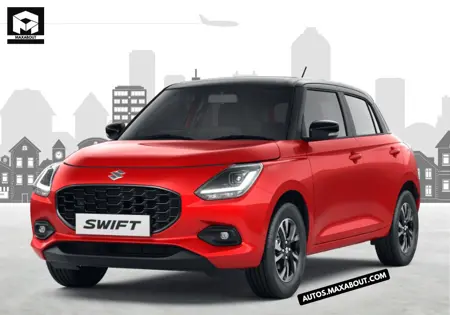
Maruti Swift
Maruti
Few cars in India have the Maruti Swift's legacy, and its E20 compatibility ensures it remains relevant for years to come. The current generation Swift with the 1.2-litre three-cylinder petrol engine has been certified for E20 fuel by Maruti Suzuki. Given that the Swift is often a first car for many Indians, this compatibility removes anxiety about using the newer fuel blend available at more and more pumps.
What strikes me about the Swift is how well the engine management system adapts to ethanol content variations. Whether you fill E10 in one city or E20 in another, the performance remains consistent. During city drives in Chennai and Kolkata, I noticed no difference in drivability or throttle response. The fuel economy stays around 23-25 kmpl on highways, which is excellent for a petrol hatchback. At ₹6.49 lakh to ₹9.64 lakh, it's affordable, and knowing your warranty covers E20 usage adds tremendous peace of mind. The AGS automatic variant also handles the fuel characteristics well, making it suitable for heavy traffic conditions.
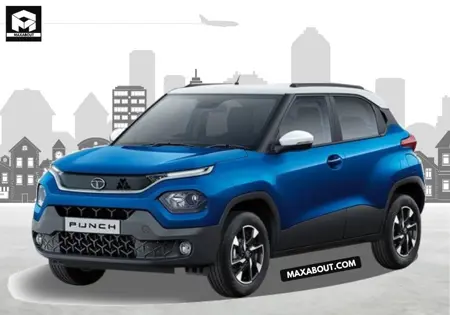
Tata Punch
Tata
The Tata Punch has emerged as a micro-SUV champion, and its E20 compatibility makes it even more appealing for budget-conscious buyers. Tata Motors has officially confirmed that all petrol variants of the Punch can run on E20 fuel without any modifications. This is particularly important for buyers in the ₹6 lakh to ₹10 lakh range who want to future-proof their purchase against changing fuel standards.
I've tested the Punch on various road conditions from Mumbai's potholes to Rajasthan's highways, and the 1.2-litre Revotron engine handles E20 remarkably well. The fuel injection system is calibrated to adjust for ethanol content automatically, so you don't experience any power drop or knocking. What I really like is that despite being a compact vehicle, the fuel efficiency remains impressive at 18-19 kmpl in mixed driving. The service network across India is expanding rapidly, and technicians are trained on E20-related queries. For first-time car buyers or those upgrading from two-wheelers, the Punch's E20 readiness offers long-term value and reliability.
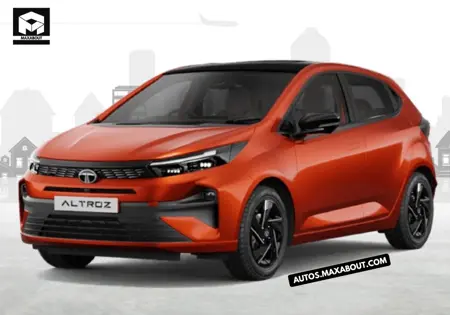
Tata Altroz
Tata
The Tata Altroz brings premium hatchback aspirations with solid E20 fuel compatibility, which is crucial for buyers who plan to keep their cars for 8-10 years. Tata has explicitly stated that the Altroz's 1.2-litre petrol engine is designed for ethanol blends up to E20. This engineering foresight means you're not gambling with your investment when government mandates push for higher ethanol adoption.
What sets the Altroz apart is its 5-star safety rating combined with fuel flexibility. During my drives through Bangalore's notorious traffic and weekend trips to Nandi Hills, the engine performed consistently with E20. The fuel system components are ethanol-resistant, preventing degradation issues that plague some older vehicles. The fuel economy hovers around 18-19 kmpl in city conditions, which is competitive for this segment. Priced from ₹6.65 lakh to ₹10.80 lakh, it's positioned against the Baleno and i20, but the comprehensive E20 certification gives it an edge for environmentally conscious buyers who also want a safe, feature-rich package.
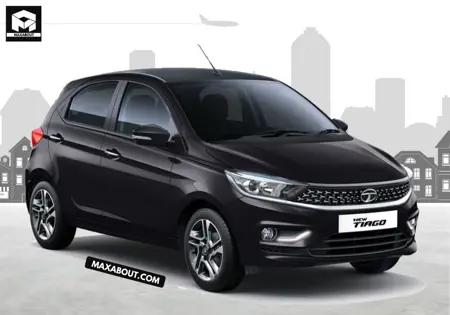
Tata Tiago
Tata
For entry-level buyers, the Tata Tiago offers E20 compatibility without the premium price tag, making it an incredibly smart choice. Tata Motors includes the Tiago in its E20-ready lineup, which means even budget buyers at the ₹5.65 lakh starting price don't have to worry about fuel compatibility. This democratizes access to future-proof vehicles, which I think is genuinely important for India's automotive landscape.
The Tiago's 1.2-litre Revotron engine might not be the most powerful, but it's been thoroughly tested with ethanol blends. I've noticed during city drives in Lucknow and Jaipur that the engine runs smoothly on E20 without any cold-start issues or mid-range hesitation. The fuel efficiency remains decent at around 19-20 kmpl on highways, which helps offset any marginal reduction in energy content from ethanol. The service costs are low, and Tata's network ensures that even in smaller towns, you'll find trained technicians. For families buying their first car or students needing affordable transport, the Tiago's E20 readiness offers peace of mind and long-term value.
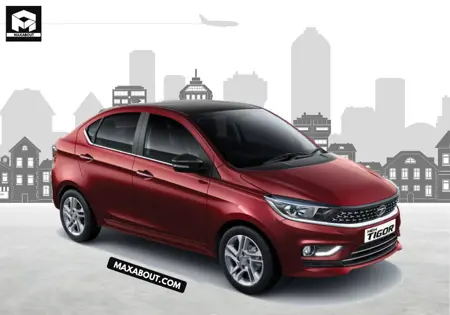
Tata Tigor
Tata
The Tata Tigor stands as one of the most affordable E20-compatible sedans in India, filling a unique niche for buyers who want boot space and fuel flexibility. Tata's confirmation of E20 compatibility across the Tigor petrol range means you can enjoy sedan practicality without fuel anxiety. This matters especially for small business owners and families who need luggage space for weekend trips or family events.
What I appreciate about the Tigor is its straightforward approach – the 1.2-litre petrol engine handles E20 without fuss, and the fuel economy stays around 18-19 kmpl in combined driving. During a recent trip from Nagpur to Wardha, the car performed flawlessly on E20 fuel available at local pumps. The engine management system adjusts seamlessly to ethanol content variations. Priced between ₹6.30 lakh to ₹9.55 lakh, it undercuts most compact sedans while offering future-proof fuel compatibility. The cabin space is generous, and knowing that your warranty covers E20 usage makes it an intelligent buy for practical-minded customers who value longevity and low ownership costs.
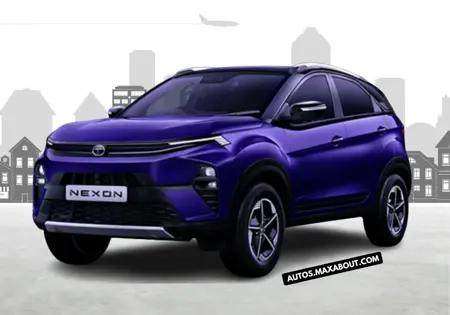
Tata Nexon
Tata
The Tata Nexon has been a game-changer in the compact SUV segment, and its E20 compatibility enhances its already strong value proposition. Tata Motors has ensured that both the 1.2-litre turbo-petrol variants are fully certified for E20 fuel, which is reassuring for buyers spending ₹8 lakh to ₹15 lakh. Given the Nexon's popularity in tier-2 and tier-3 cities where E20 rollout is accelerating, this compatibility is particularly relevant.
I've driven the Nexon extensively across Maharashtra and Gujarat, and the turbocharged engine's behavior with E20 is impressive. The power delivery remains punchy, and there's no noticeable lag or knocking even when pushing hard on highways. The fuel injection system has been calibrated to handle ethanol's different combustion characteristics, maintaining the Nexon's claimed 17-18 kmpl efficiency in real-world conditions. What makes this SUV stand out is the combination of 5-star safety rating, feature-rich variants, and fuel flexibility. The service network is robust, and technicians are well-trained on E20-related maintenance, which reduces long-term ownership worries significantly.
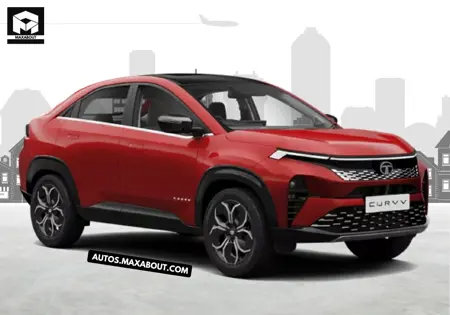
Tata Curvv
Tata
The Tata Curvv represents Tata's future-forward design philosophy, and naturally, it comes with complete E20 fuel compatibility built in from the ground up. As a newer model in the coupe-SUV segment, the Curvv's petrol engine has been engineered specifically for higher ethanol blends, which means you're not dealing with retrofit solutions or compromises. This is important for buyers looking at a 7-10 year ownership period.
What excites me about the Curvv is how Tata has integrated E20 readiness with modern features and styling. The engine management system is sophisticated enough to handle variations in ethanol content across different states and fuel stations. During test drives around Pune, the throttle response remained crisp and there was zero hesitation in power delivery. The fuel efficiency numbers, while still being validated by more users, appear promising at around 15-16 kmpl in mixed conditions. Priced competitively in the ₹10-18 lakh range, the Curvv offers distinctive styling, contemporary features, and the peace of mind that comes with factory-certified E20 compatibility backed by Tata's growing service network.

Tata Harrier
Tata
The Tata Harrier brings commanding road presence along with E20 fuel compatibility, though it's worth noting that only the petrol variants qualify for this list. Tata has confirmed that the Harrier's 2.0-litre turbo-petrol engine can run on E20 fuel without any performance degradation. For buyers investing ₹15 lakh to ₹26 lakh in a full-size SUV, this assurance is crucial given the long ownership cycles typical in this segment.
I've had the opportunity to test the Harrier on various terrains – from Mumbai-Pune Expressway to rural Maharashtra roads – and the engine handles E20 admirably. The fuel injection system is robust, and the power delivery remains linear across the rev range. The fuel economy stays around 12-13 kmpl in city conditions, which is acceptable for a vehicle of this size and weight. What impresses me is how Tata has ensured that the engine seals and fuel lines are ethanol-resistant, preventing long-term degradation issues. The extensive feature list combined with E20 readiness makes the Harrier a sensible choice for families wanting space, safety, and fuel flexibility in a single package.

Tata Safari
Tata
The Tata Safari carries forward a legendary nameplate with modern E20 compatibility, making it relevant for families who need three rows and fuel flexibility. The Safari's 2.0-litre turbo-petrol engine has been certified for E20 fuel by Tata Motors, which is reassuring when you're spending ₹16 lakh to ₹27 lakh on a vehicle meant to serve your family for years. The E20 readiness ensures you won't face compatibility issues as ethanol adoption spreads nationwide.
During family trips from Delhi to Shimla and weekend getaways around NCR, the Safari's engine performed consistently with E20 fuel. The fuel system components handle ethanol's hygroscopic nature well, preventing moisture-related issues that can affect older vehicles. The fuel efficiency, while not spectacular at 11-12 kmpl in city driving, is competitive for a seven-seater SUV of this stature. What makes the Safari appealing is the combination of spacious interiors, premium features, and fuel compatibility that doesn't void warranties. Tata's expanding service network means even in tier-2 cities, you'll find technicians familiar with E20 requirements and maintenance protocols.

Mahindra XUV 3XO
Mahindra
The Mahindra XUV 3XO brings Mahindra's legendary build quality to the compact SUV segment with complete E20 fuel compatibility. Mahindra has officially confirmed that the XUV 3XO's petrol variants are designed to run on E20 fuel, which is excellent news for buyers in the ₹7.79 lakh to ₹15.49 lakh range. Given Mahindra's strong presence in rural and semi-urban markets where E20 is being actively promoted, this compatibility is particularly relevant.
What I like about the XUV 3XO is its rugged character combined with modern fuel technology. The engine has been calibrated to handle ethanol blends without compromising on the punchy performance Mahindra SUVs are known for. During drives through Maharashtra's interior roads and Goa's coastal highways, the fuel system performed flawlessly with E20. The fuel efficiency stays around 16-17 kmpl in mixed driving, which is decent for a vehicle with this much ground clearance and capability. The service network is extensive, especially in tier-2 and tier-3 cities, and Mahindra technicians are well-versed with E20 maintenance requirements. For buyers wanting toughness and fuel flexibility, the XUV 3XO ticks the right boxes.
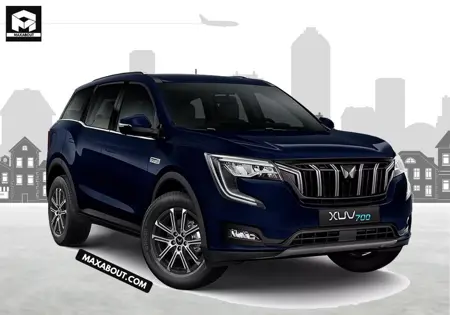
Mahindra XUV700
Mahindra
The Mahindra XUV700 has redefined what Indian buyers expect from a full-size SUV, and its E20 compatibility adds another layer of sophistication. Mahindra's 2.0-litre turbo-petrol engine powering the XUV700 is fully certified for E20 fuel, which matters tremendously when you're investing ₹13.99 lakh to ₹25.99 lakh in a flagship SUV. The engineering ensures that performance and fuel flexibility go hand in hand.
I've driven the XUV700 on long highway stretches from Bangalore to Coorg and city commutes in Mumbai traffic, and the engine's behavior with E20 is exemplary. The power delivery remains robust at 200 PS, and there's no compromise in the mid-range punch that makes overtaking effortless. The fuel efficiency hovers around 11-12 kmpl in city conditions, improving to 14-15 kmpl on highways. What's particularly impressive is how the advanced engine management system seamlessly adjusts to varying ethanol content across different fuel stations. The ADAS features work independently of fuel type, and the comprehensive warranty covering E20 usage provides peace of mind. For tech-savvy buyers wanting performance, features, and future-proof fuel compatibility, the XUV700 delivers comprehensively.