
Best Cars with Best Fuel Efficiency in India
This list highlights cars in India with the highest fuel efficiency, helping buyers save on running costs and reduce environmental impact.
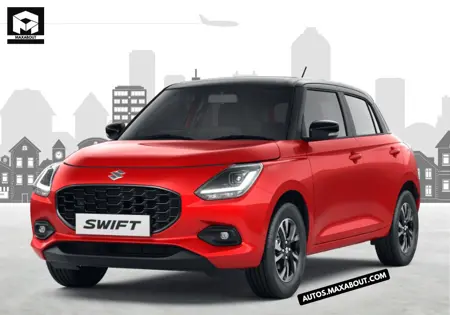
Maruti Swift
Maruti
The Maruti Swift has been a fuel efficiency champion in India for years, and the latest generation continues this legacy brilliantly. With the 1.2-liter petrol engine delivering around 23-24 km/l in real-world conditions, this hatchback makes perfect sense for daily commuters in cities like Bangalore and Mumbai where traffic can really drain your fuel tank.
I think what makes the Swift special is how it balances efficiency with driving pleasure. It is not just a boring economy car that feels lifeless on the road. The engine is peppy enough for highway overtakes, and the five-speed manual feels smooth. The CNG variant pushes economy even further if you are really counting every rupee on fuel. At around ₹6-9 lakh, the Swift offers excellent value with a proven track record for reliability and fantastic resale value across India. Service network? You will find Maruti centers practically everywhere, which is a huge plus for long-term ownership costs.
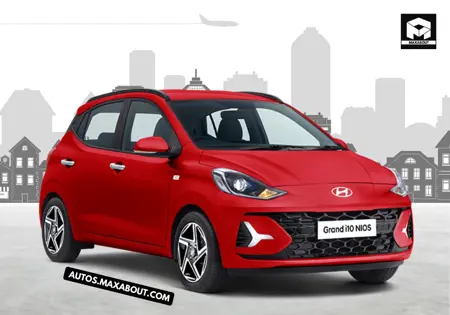
Hyundai Grand i10 Nios
Hyundai
The Hyundai Grand i10 Nios is one of those cars that surprises you with its efficiency without compromising on comfort. The 1.2-liter petrol engine returns approximately 21-22 km/l, while the diesel variant can stretch up to an impressive 25 km/l on highways. What I appreciate is how Hyundai has loaded this car with features you typically find in more expensive vehicles, making every journey comfortable even in stop-and-go Pune or Delhi traffic.
The cabin feels premium for its price bracket around ₹5.5-8.5 lakh, and the automatic AMT option actually delivers decent fuel economy, which is rare. The CNG version is particularly popular among cab drivers, which tells you something about its reliability and running costs. Service costs are reasonable, and Hyundai's network has improved significantly across tier-2 cities too.

Tata Punch
Tata
The Tata Punch has genuinely impressed me as a fuel-efficient micro-SUV option. Getting around 18-20 km/l from a vehicle with SUV styling and decent ground clearance is commendable. I have driven this through some terrible Kolkata roads during monsoon, and the 190mm ground clearance combined with that efficiency makes it a practical choice for Indian conditions.
What stands out is the turbo-petrol option that does not sacrifice much on fuel economy despite offering more power. The CNG variant is another smart choice if your city has good CNG infrastructure. Priced between ₹6-10 lakh, it gives you the commanding driving position and safety features of an SUV without the typical fuel penalty. Tata's five-year warranty adds peace of mind, and their service network has expanded considerably. The Punch handles city parking easily while not feeling underpowered on highways, which is a difficult balance to achieve.
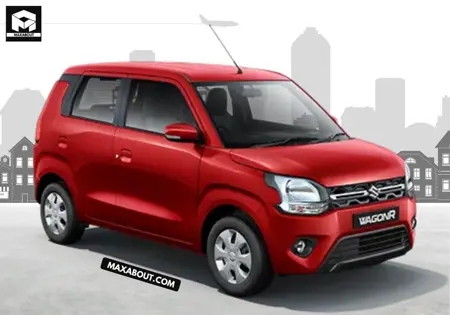
Maruti WagonR
Maruti
The Maruti WagonR remains an absolute legend when it comes to fuel efficiency and practicality. Consistently delivering 23-25 km/l, this tall-boy hatchback has been the backbone of middle-class Indian families for over two decades. The boxy design actually works in your favor with incredible cabin space that can comfortably seat four adults, which is impressive given its compact footprint.
I particularly like the 1.0-liter engine variant for pure city use around Chennai or Ahmedabad, where the light steering and tight turning radius make maneuvering through narrow lanes effortless. The CNG option is hugely popular among commercial users, and there is a reason taxis across India prefer the WagonR. At ₹5.5-7.5 lakh, it offers unbeatable value for money. Maintenance costs are among the lowest in the segment, and finding spare parts is never an issue. It may not be the most exciting car to drive, but for sheer practicality and fuel economy, the WagonR is tough to beat.

Hyundai Aura
Hyundai
The Hyundai Aura is basically the sedan version of the Grand i10 Nios, and it brings impressive fuel efficiency to the compact sedan segment. The petrol engine delivers around 20-21 km/l, while the diesel pushes that to approximately 25 km/l on highway runs. What I find appealing is how it offers the practicality of a boot without the typical fuel penalty sedans usually carry.
The Aura has become quite popular among small business owners and families who need that extra luggage space for weekend trips from Mumbai to Lonavala or similar short getaways. Priced around ₹6-9 lakh, it sits in an interesting sweet spot. The CNG variant makes tremendous sense if you are doing high monthly kilometers. Build quality feels solid, and Hyundai's three-year warranty is reassuring. Ride comfort is excellent for Indian roads, soaking up potholes better than many hatchbacks. Service costs are predictable, and the network coverage means you are never too far from assistance.
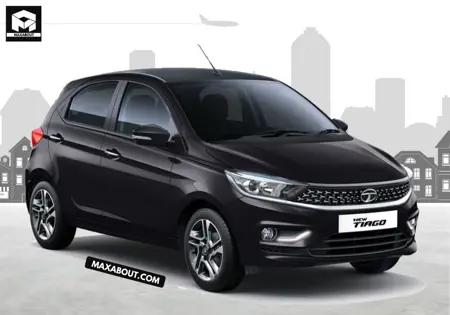
Tata Tiago
Tata
The Tata Tiago deserves serious consideration if fuel efficiency is your priority. Delivering around 19-23 km/l depending on the engine variant, this hatchback combines Tata's improved build quality with genuine economy. I have always appreciated how the Tiago feels planted on highways, unlike some lighter rivals that get nervous at higher speeds, especially on the Mumbai-Pune expressway.
The Revotron petrol engine is quite refined, and the turbo-petrol variant adds fun without drastically hurting efficiency. The CNG version has become increasingly popular in cities like Delhi where pollution concerns and running costs matter equally. At ₹5-7.5 lakh, the Tiago offers excellent safety ratings and features that punch above its price point. Tata's service network has genuinely improved, though it still trails Maruti in smaller towns. The five-year warranty is a confidence booster for first-time car buyers worried about maintenance expenses.
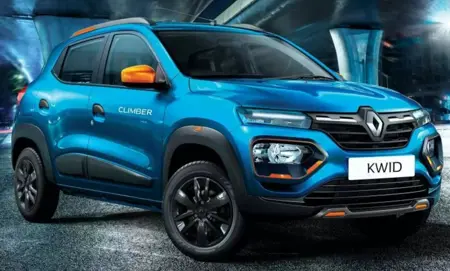
Renault KWID
Renault
The Renault KWID targets the entry-level segment with surprisingly good fuel efficiency figures of around 22-24 km/l. What makes the KWID interesting is its SUV-inspired styling and relatively high ground clearance for a budget car, which is genuinely useful on broken Indian roads. I have seen these handling rough patches in tier-2 cities quite confidently.
The 1.0-liter engine variant is the sweet spot, offering adequate power without compromising economy. At ₹4.5-6 lakh, it is one of the most affordable cars in India, and the digital instrument cluster and touchscreen infotainment add a modern touch. However, I must mention that Renault's service network is not as extensive as Maruti or Hyundai, which could be a concern in smaller towns. The KWID works best for city use and short commutes where its compact dimensions and tight turning radius shine. Build quality is acceptable for the price, though it does feel lighter compared to rivals.
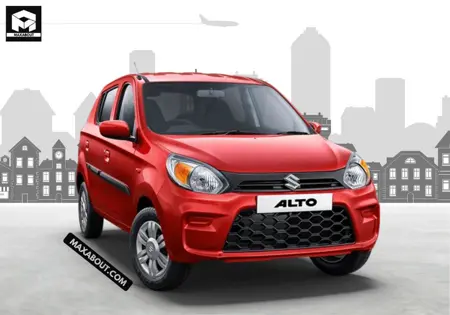
Maruti Alto
Maruti
The Maruti Alto is India's bestselling car for good reason. With fuel efficiency consistently touching 22-24 km/l, this little hatchback has enabled millions of Indians to experience car ownership without breaking the bank on fuel costs. The latest generation looks much better than before, shedding that ultra-basic image somewhat.
I think the Alto is perfect for new drivers learning to navigate congested cities like Jaipur or Lucknow. The light controls and compact size make parking stress-free. The 800cc engine is adequate for city speeds, though highway performance is where you feel the limitations. Priced around ₹3.5-5.5 lakh, it remains the most affordable entry point into car ownership. The CNG variant extends economy even further, making it popular among commercial users. Maruti's service network is unmatched, and maintenance costs are rock-bottom. Resale value holds up surprisingly well too. It is basic transportation done right, focusing on reliability and economy above everything else.
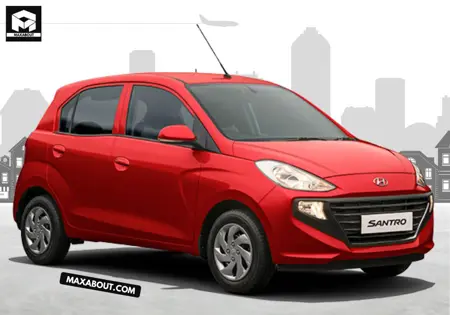
Hyundai Santro
Hyundai
The Hyundai Santro made a comeback targeting buyers who prioritize space and efficiency equally. Delivering around 20-22 km/l, the Santro offers more cabin room than typical small hatchbacks, which families appreciate during longer journeys from Delhi to nearby hill stations or similar weekend trips.
What I like is the tall-boy design that provides good headroom and visibility, making it comfortable for taller passengers. The 1.1-liter engine feels adequately powered for city use, and the AMT automatic option is smooth enough for daily traffic crawls in Bangalore. The CNG variant makes excellent sense economically. Priced between ₹4.5-6.5 lakh, it sits below the Grand i10 Nios but offers solid value. Hyundai's reputation for reliability and their decent service network add to the appeal. The Santro may not be the most exciting car, but it delivers on the promise of practical, efficient transportation with better comfort than budget rivals.
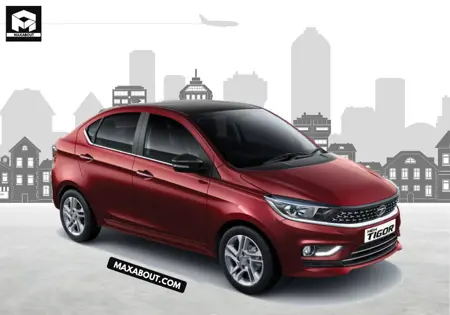
Tata Tigor
Tata
The Tata Tigor brings compact sedan practicality with commendable fuel efficiency of around 19-23 km/l depending on the engine choice. As the sedan version of the Tiago, it adds boot space without drastically affecting the fuel economy, which is exactly what many Indian buyers want for that occasional outstation trip.
I find the Tigor particularly appealing for its safety features and solid build quality at prices ranging from ₹6-9 lakh. The ride quality is genuinely good, handling broken patches on Indian highways better than you would expect in this segment. The CNG variant has found favor among cab aggregators, which speaks to its reliability and running costs. Tata's five-year warranty is class-leading and removes concerns about unexpected repair bills. The electric version, Tigor EV, is also making waves for those considering zero running costs. Service network coverage has improved, though it still needs expansion in some regions. Overall, the Tigor offers excellent value for efficiency-conscious buyers who need a boot.

Maruti S-Presso
Maruti
The Maruti S-Presso is an interesting proposition with its quirky SUV-like styling on a small car footprint. Fuel efficiency is genuinely impressive at around 21-24 km/l, making it one of the most economical cars you can buy in India. The high seating position gives you better visibility in traffic compared to regular hatchbacks, which I find helpful in chaotic city conditions.
Priced between ₹4-6 lakh, the S-Presso targets buyers who want something different from the usual Alto or WagonR. The CNG option extends the economy advantage further. However, I should mention that the cabin space is limited, especially for rear passengers on longer journeys. It works best as a city runabout where its compact dimensions and tight turning circle really shine. Maruti's unbeatable service network and low maintenance costs are major positives. The S-Presso may not appeal to everyone aesthetically, but for pure economy and practicality in urban environments, it delivers what it promises.
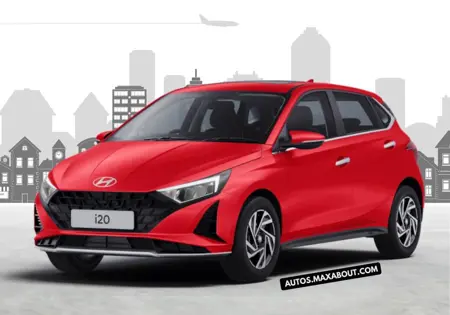
Hyundai i20
Hyundai
The Hyundai i20 brings premium hatchback appeal with respectable fuel efficiency figures of around 19-21 km/l for the petrol variants. While it may not top absolute efficiency charts, the i20 offers a compelling package of style, features, and economy that few rivals match. The cabin feels genuinely upmarket with build quality that rivals cars in higher segments.
I particularly appreciate how the i20 does not feel like a compromise. You get excellent ride comfort, a feature-loaded cabin with connectivity options, and efficient engines that do not drain your wallet on fuel. The 1.0-liter turbo-petrol is surprisingly frugal considering its performance. Priced between ₹7-11.5 lakh, it sits at the premium end but justifies the cost with its refinement and comprehensive safety equipment. The i20 handles highway cruising effortlessly, making weekend trips from Chennai to Pondicherry comfortable affairs. Hyundai's service network and reliability record add to the ownership experience. It is an excellent choice for buyers who want efficiency without sacrificing on comfort or features.
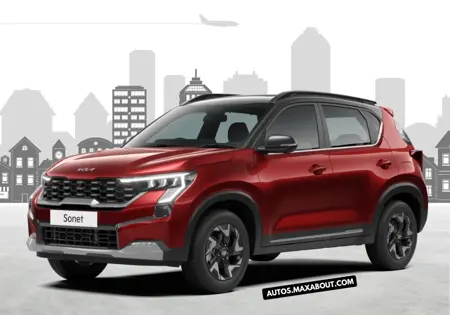
Kia Sonet
Kia
The Kia Sonet has carved a niche in the compact SUV segment with impressive fuel efficiency for its size and segment. The diesel variants deliver around 24-25 km/l, which is exceptional for an SUV, while the turbo-petrol manages a respectable 18-19 km/l. What makes the Sonet special is how it packages efficiency with features and style that rival more expensive vehicles.
I think the Sonet represents excellent value between ₹7-13.5 lakh. The cabin is loaded with technology including connected car features, ventilated seats, and a premium sound system that make every drive enjoyable. The 1.5-liter diesel is the efficiency champion here, perfect for buyers doing extensive highway kilometers between cities like Mumbai and Goa. Build quality feels solid, and Kia's six-year warranty is class-leading, addressing concerns about long-term reliability. The service network is expanding rapidly, though it is not yet at Maruti or Hyundai levels. The Sonet proves that you do not have to sacrifice fuel efficiency to get an SUV with strong road presence and comprehensive features.

Nissan Magnite
Nissan
The Nissan Magnite surprised the market with its aggressive pricing and decent fuel efficiency numbers. The 1.0-liter naturally aspirated engine delivers around 18-20 km/l, while the turbo variant manages approximately 17-18 km/l. What I find impressive is how Nissan has loaded the Magnite with features at prices starting from just ₹6-11 lakh, making it exceptional value in the compact SUV space.
The Magnite handles city traffic well, and the turbo-petrol with CVT is surprisingly smooth for daily commutes in Bangalore or Hyderabad. Ground clearance is adequate for Indian roads, and the cabin space is better than the exterior dimensions suggest. However, I should mention that Nissan's service network is limited compared to mainstream brands, which could be a concern in smaller cities. The build quality is acceptable for the price, though it does not feel as solid as some rivals. For buyers prioritizing features and efficiency on a tight budget, and who live in cities with decent Nissan service access, the Magnite makes a lot of sense.
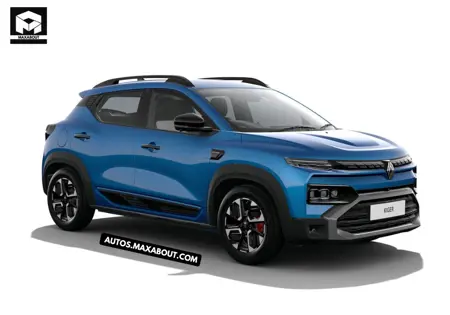
Renault Kiger
Renault
The Renault Kiger shares its platform with the Nissan Magnite but brings its own character to the compact SUV segment. Fuel efficiency figures are similar, with the 1.0-liter engine delivering around 18-20 km/l. The styling is more distinctive with LED lighting and a bold front grille that stands out in parking lots.
Priced between ₹6-11 lakh, the Kiger offers good value with a surprisingly spacious cabin and a decent boot. The turbo-petrol engine is punchy enough for highway overtakes, though it does impact fuel economy slightly. I appreciate the comfortable seating and the practical cabin layout with multiple storage spaces. The main concern remains Renault's limited service network, especially outside major metros. If you have access to a reliable Renault service center in your city, the Kiger is worth considering for its unique styling and efficient engines. The CVT automatic is smooth for city use, making traffic jams less stressful. Ground clearance is adequate for typical Indian road conditions, including occasional bad patches.
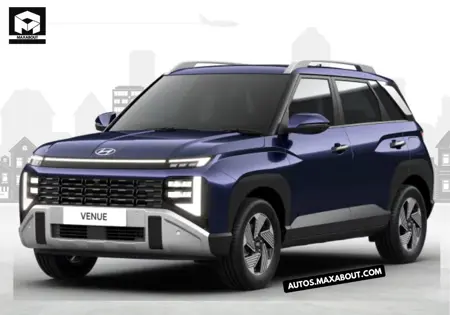
Hyundai Venue
Hyundai
The Hyundai Venue brings premium compact SUV appeal with reasonable fuel efficiency across its engine options. The 1.0-liter turbo-petrol delivers around 18-19 km/l, while the diesel variant stretches to approximately 23-24 km/l on highways. What sets the Venue apart is its comprehensive feature list including connected car technology, premium interiors, and solid build quality that justifies its positioning.
I find the Venue particularly appealing for its refined driving experience. The cabin feels upmarket with soft-touch materials and a layout that prioritizes ergonomics. Priced between ₹7.5-13 lakh, it sits at the premium end of the compact SUV segment but delivers on quality. The diesel engine is the efficiency champion here, perfect for buyers covering significant distances regularly. Hyundai's service network and reliability record add confidence to the ownership experience. The Venue handles both city traffic and highway cruising competently, making it a versatile choice for Indian conditions. Safety equipment is comprehensive across variants, addressing a key buyer concern in this segment.
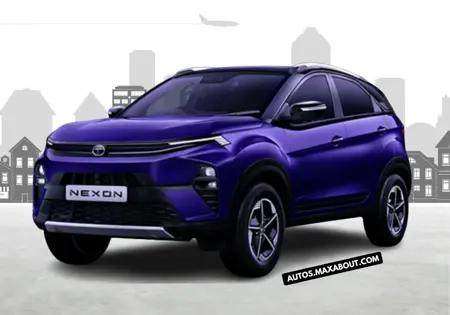
Tata Nexon
Tata
The Tata Nexon has become phenomenally popular, and its fuel efficiency numbers are part of that appeal. The diesel variants deliver around 21-24 km/l, which is excellent for a compact SUV with genuine road presence. The turbo-petrol manages approximately 17-19 km/l, which is respectable considering its performance credentials. What I really appreciate is how Tata has positioned the Nexon as a safe, feature-rich SUV without compromising too much on economy.
The five-star safety rating is a major selling point, especially for families. Priced between ₹8-15 lakh, the Nexon offers excellent value with features trickling down to lower variants. The ride quality is particularly good for Indian roads, soaking up potholes and broken patches confidently. Tata's improving service network and the five-year warranty address traditional concerns about the brand. The Nexon EV has also opened up zero running cost possibilities for buyers with charging access. Overall, the Nexon balances efficiency, safety, and features better than most rivals, making it a smart choice for efficiency-conscious SUV buyers.
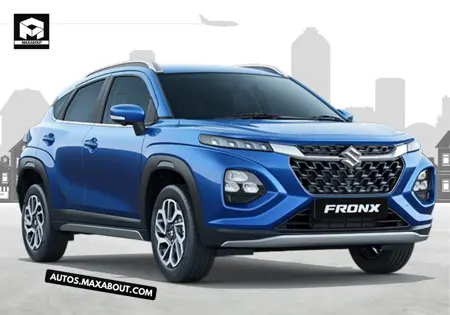
Maruti NEXA Fronx
Maruti NEXA
The Maruti NEXA Fronx is Maruti's answer to the growing demand for coupe-SUVs with efficient engines. The 1.2-liter petrol delivers around 21-22 km/l, while the CNG variant extends that economy further. What makes the Fronx interesting is its distinctive styling that stands out from typical compact SUVs, combined with Maruti's legendary reliability and efficiency.
I think the Fronx works well for buyers who want something different without sacrificing the practicality and economy Maruti is known for. The turbo-petrol variant adds performance while maintaining respectable fuel figures. Priced between ₹7.5-13 lakh, it slots between hatchbacks and traditional SUVs, offering a unique proposition. The build quality feels solid, and the NEXA dealership experience is noticeably premium compared to regular Maruti showrooms. Ground clearance is adequate for Indian conditions, and the cabin space is practical for daily use. Maruti's unmatched service network means maintenance is never a hassle, regardless of where you are in India. The Fronx proves that efficiency and style can coexist in the compact SUV segment.
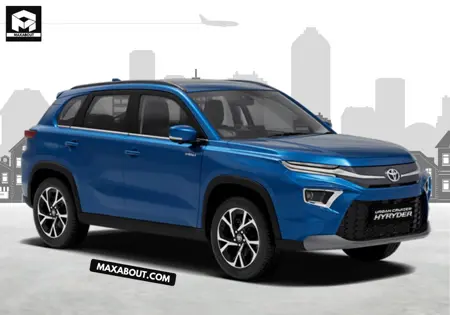
Toyota Urban Cruiser Hyryder
Toyota
The Toyota Urban Cruiser Hyryder brings hybrid technology to the compact SUV segment with impressive fuel efficiency credentials. The strong-hybrid variant delivers an exceptional 26-28 km/l, which is genuinely remarkable for an SUV of this size. Even the mild-hybrid version manages around 20-21 km/l, making it one of the most efficient SUVs you can buy in India today.
What I find appealing is how the hybrid system works seamlessly in city traffic, where the electric motor assists frequently, reducing fuel consumption significantly. This makes perfect sense for cities like Delhi or Mumbai where traffic congestion is a daily reality. Priced between ₹10.5-19 lakh, the Hyryder sits at the premium end, but the fuel savings can justify that premium over time, especially for high-mileage users. Toyota's legendary reliability and excellent service network add tremendous value to the ownership experience. The cabin is practical and comfortable, though not as feature-loaded as some rivals. The Hyryder represents the future of fuel efficiency in India, offering hybrid technology at accessible prices while maintaining Toyota's reputation for dependability.

Honda Elevate
Honda
The Honda Elevate enters the compact SUV segment with Honda's reputation for building efficient, reliable engines. The 1.5-liter petrol engine delivers around 16-17 km/l, which may not top the charts but is respectable given the Elevate's size and comfort focus. What Honda brings to the table is exceptional build quality and a refined driving experience that many rivals struggle to match.
I appreciate how the Elevate prioritizes cabin space and comfort. The rear seat is genuinely spacious, making it suitable for families taking longer trips from Pune to Goa or similar journeys. Priced between ₹11-16 lakh, it positions itself as a premium offering with Honda's legendary reliability backing it. The ride quality is plush, soaking up bad roads better than most compact SUVs. Honda's service network is reliable, and their engines are known for longevity with minimal issues. While the fuel efficiency numbers are not class-leading, the Elevate makes up for it with refinement, space, and the peace of mind that comes with Honda ownership. It is an excellent choice for buyers who prioritize quality and comfort over absolute fuel economy figures.