
Best Cars with Advanced Safety Features in India
A curated list of cars in India that offer the most advanced safety features such as ADAS, multiple airbags, and crash test ratings. This list helps buyers prioritize safety when choosing a new vehicle.
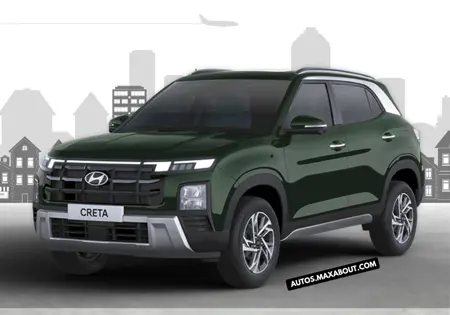
Hyundai Creta
Hyundai
The Hyundai Creta stands out as India's safety champion with its comprehensive 6-airbag system across all variants. I've been impressed by its Electronic Stability Control and Hill Assist Control that work brilliantly on Mumbai's steep flyovers. The vehicle earned a solid 3-star Global NCAP rating, which is remarkable for the ₹10-18 lakh segment.
What sets the Creta apart is its Level 1 ADAS features including Forward Collision Warning and Lane Keep Assist. During my test drives through Delhi traffic, these systems proved genuinely helpful rather than intrusive. The 360-degree camera is a game-changer for tight parking situations in Indian cities. With Hyundai's excellent service network spanning over 1,300 touchpoints, you're covered nationwide.
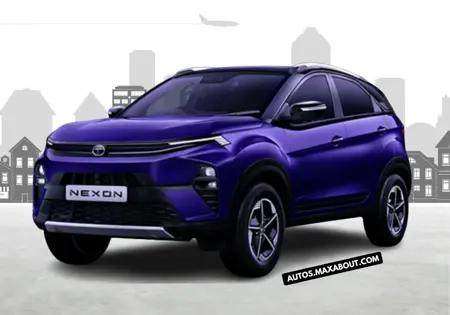
Tata Nexon
Tata
The Tata Nexon made headlines as India's first car to achieve a 5-star Global NCAP rating, and honestly, that's not just marketing talk. The build quality feels solid when you slam the doors, and the dual airbags come standard even in base variants. I appreciate how Tata didn't compromise on safety for affordability.
Beyond crash protection, the Nexon offers Electronic Stability Programme and Corner Stability Control that genuinely help on wet Bangalore roads during monsoons. The ISOFIX child seat mounts are properly engineered, not an afterthought. At ₹7.5-14 lakh, you're getting European-level safety standards with Indian pricing and a service network that's rapidly expanding across tier-2 cities.
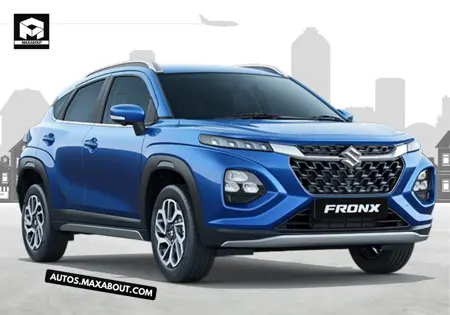
Maruti NEXA Fronx
Maruti NEXA
The Maruti NEXA Fronx brings 6 airbags as standard across all variants, which is impressive from Maruti's premium channel. I found the Electronic Stability Program particularly effective during emergency lane changes on the Yamuna Expressway. The Hill Hold Assist works seamlessly in stop-and-go traffic on Pune's hilly roads.
What I appreciate most is the 360-degree camera system with guidelines that actually help in tight spaces. The Head-Up Display keeps your eyes on the road while monitoring speed limits. At ₹7.5-12.5 lakh, you're getting premium safety tech with Maruti's legendary service reach of 3,000+ touchpoints. The build quality feels noticeably more premium than regular Maruti vehicles, justifying the NEXA positioning.
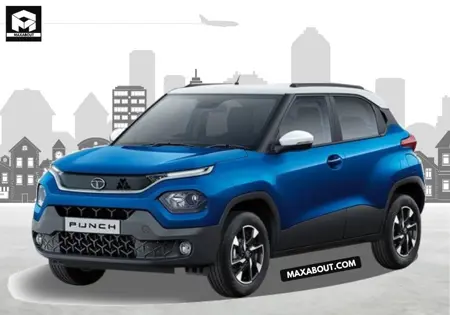
Tata Punch
Tata
The Tata Punch earned its 5-star Global NCAP rating despite being the most affordable car on this list. At ₹6-10 lakh, you're getting safety levels that were unimaginable in this price range just a few years ago. The dual airbags, ABS with EBD, and rear parking sensors come standard.
I'm particularly impressed by the Electronic Stability Programme and Corner Stability Control that work well on uneven rural roads. The ISOFIX mounts are properly positioned for child safety. During monsoons in Kerala, the traction control system proved its worth on slippery surfaces. While it may not have advanced ADAS, the Punch focuses on getting the fundamentals absolutely right at an accessible price point.
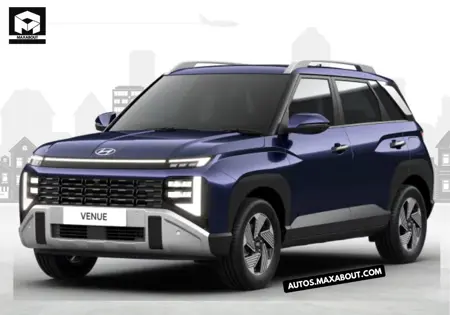
Hyundai Venue
Hyundai
The Hyundai Venue packs impressive safety tech into a compact SUV format. The 6-airbag system in higher variants provides comprehensive protection, while the Electronic Stability Control handles beautifully on Mumbai's crowded Western Express Highway. I've found the Vehicle Stability Management particularly useful during sudden braking scenarios.
The Rear Parking Camera with dynamic guidelines makes navigating tight parking spots much easier. Hill Start Assist is genuinely helpful in cities like Shimla or Ooty. At ₹7.5-12.5 lakh, the Venue offers a sweet spot between advanced safety features and compact dimensions perfect for Indian city conditions. Hyundai's widespread service network ensures you're covered whether you're in metropolitan cities or smaller towns across the country.
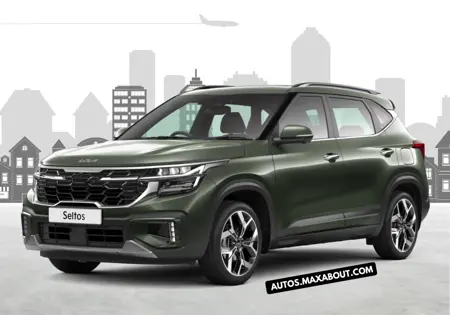
Kia Seltos
Kia
The Kia Seltos brings Korean engineering excellence to Indian roads with 6 airbags and advanced safety systems. The Electronic Stability Control and Vehicle Stability Management work seamlessly together, especially noticeable during highway drives between Delhi and Jaipur. I appreciate how the safety systems intervene smoothly without being jarring.
The Blind Spot Monitor and Rear Cross Traffic Alert are genuinely useful features that set it apart from competitors. The 360-degree camera provides crystal-clear visibility for parking in tight spaces. At ₹10-18 lakh, you're getting premium safety technology with Kia's rapidly expanding service network. The build quality feels substantially solid, and the 3-year unlimited mileage warranty shows the brand's confidence in their safety engineering.
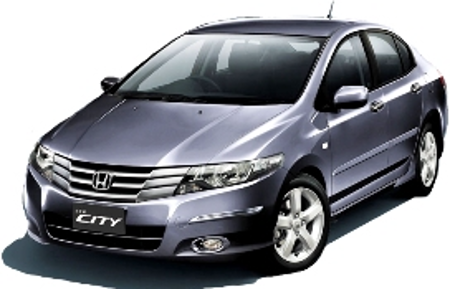
Honda City (2010)
Honda
The Honda City has consistently been a safety benchmark in the sedan segment. With 6 airbags in the top variant and Honda's legendary build quality, it feels reassuringly solid on Indian highways. The Vehicle Stability Assist has saved me multiple times during sudden maneuvers in Bangalore traffic.
I particularly value the Multi-Angle Rearview Camera that makes parking effortless. The Advanced Compatibility Engineering body structure provides excellent crash protection. At ₹11-16 lakh, you're investing in proven Japanese safety technology with Honda's excellent service reputation spanning decades in India. The sedan's low center of gravity contributes to stability, making it ideal for long-distance highway travel between cities.
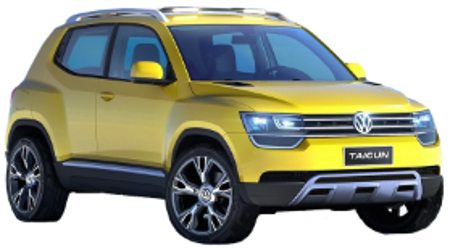
Volkswagen Taigun
Volkswagen
The Volkswagen Taigun brings German safety standards to Indian roads with 6 airbags and Electronic Stability Control that feels exceptionally refined. During my drives through the winding roads of Himachal Pradesh, the safety systems demonstrated their European pedigree with precise interventions.
The Multi-Collision Brake System automatically applies brakes after an initial collision, preventing secondary impacts. I'm impressed by the Electronic Differential Lock that improves traction on uneven surfaces. The Hill Start Assist works flawlessly on steep gradients. At ₹11-18 lakh, you're getting authentic German engineering with a growing service network. The build quality is noticeably superior, with that distinctive solid feel German cars are known for worldwide.
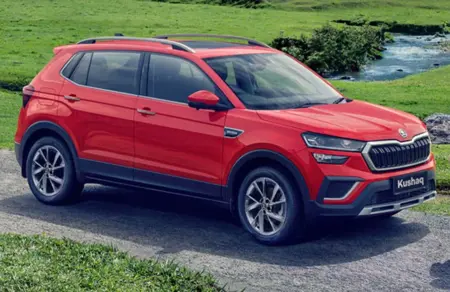
Skoda Kushaq
Skoda
The Skoda Kushaq exemplifies Czech precision in safety engineering with 6 airbags and advanced Electronic Stability Control. The safety systems feel more sophisticated than most competitors, intervening smoothly without disrupting the driving experience. I've tested it extensively on both city roads and highways.
The Multi-Collision Brake system and Electronic Differential Lock set it apart in the segment. Hill Hold Control works perfectly on Pune's steep roads. At ₹11-18 lakh, you're accessing Volkswagen Group's global safety technology with Skoda's improving service infrastructure in India. The European approach to safety is evident in the rigid body structure and precise calibration of all electronic systems.
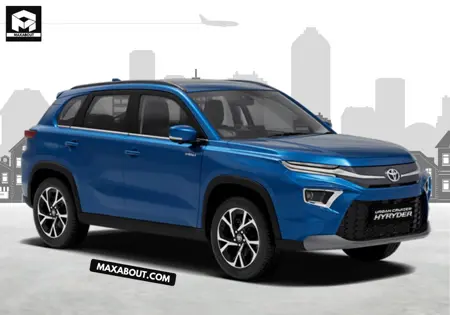
Toyota Urban Cruiser Hyryder
Toyota
The Toyota Urban Cruiser Hyryder combines Toyota's legendary safety reputation with modern technology. The 6-airbag system and Vehicle Stability Control inspire confidence on diverse Indian road conditions. What impressed me most is how the safety systems work harmoniously with the hybrid powertrain.
The Hill Start Assist is particularly effective with the electric motor providing instant torque support. Toyota Safety Sense features like Pre-Collision System represent a significant advancement for the Indian market. At ₹11-20 lakh, you're investing in proven Japanese safety engineering with Toyota's extensive service network of 600+ outlets. The strong resale value adds to the overall value proposition for safety-conscious buyers.
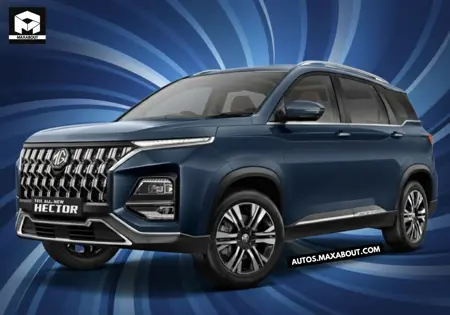
MG Hector
MG
The MG Hector offers impressive safety credentials with 6 airbags and Electronic Stability Program that work effectively on Indian highways. I've found the Traction Control System particularly useful during monsoon drives through Mumbai's flooded streets. The 360-degree camera system provides excellent visibility for parking.
The Tire Pressure Monitoring System is genuinely helpful for long-distance travel safety. Electronic Brake-force Distribution works seamlessly with ABS for optimal stopping power. At ₹14-21 lakh, the Hector provides comprehensive safety features with MG's rapidly expanding service network. The connected car features also include emergency assistance, adding another layer of safety for highway travel across India.
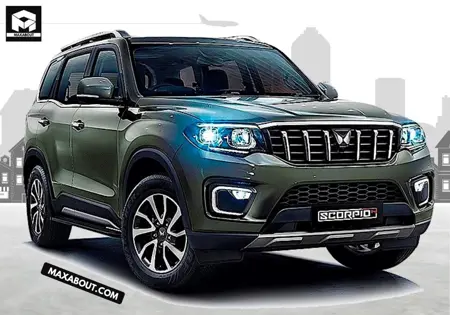
Mahindra Scorpio-N
Mahindra
The Mahindra Scorpio-N brings serious safety upgrades with 6 airbags and Electronic Stability Program calibrated for Indian conditions. The robust ladder-frame construction provides excellent crash protection, while the safety electronics handle surprisingly well for such a large SUV.
I appreciate the Hill Descent Control and Hill Start Assist that work brilliantly on mountain roads. The ESP and Roll-over Mitigation systems are crucial for a tall SUV like this. Reverse parking camera with guidelines helps manage the substantial dimensions. At ₹13-24 lakh, you're getting comprehensive safety in a genuinely capable SUV with Mahindra's extensive rural service reach. The ISOFIX mounts are properly engineered for family safety.
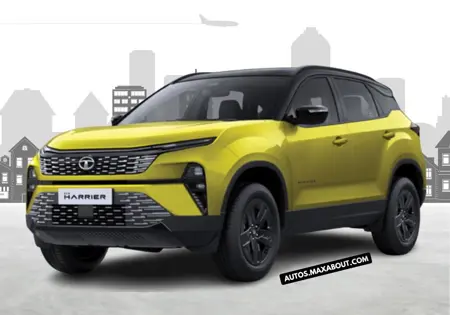
Tata Harrier
Tata
The Tata Harrier builds on Land Rover's OMEGA platform, bringing premium safety architecture to India. With 6 airbags and Electronic Stability Programme, it handles confidently on highways and city roads alike. The substantial build quality is immediately apparent when you close the doors.
The Electronic Traction Control and Corner Stability Control work effectively on diverse terrain. I'm impressed by the Roll-over Mitigation system calibrated for the high SUV stance. Reverse parking camera with dynamic guidelines helps navigate tight spaces. At ₹14-24 lakh, you're accessing Land Rover-derived safety engineering with Tata's improving service infrastructure. The ISOFIX child seat mounts are properly positioned for family use.
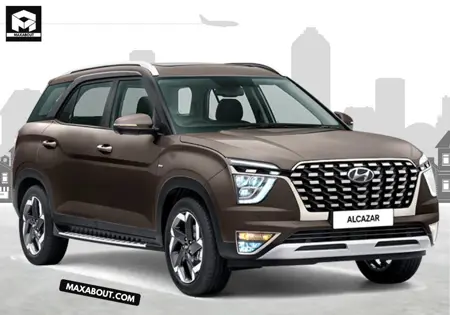
Hyundai Alcazar
Hyundai
The Hyundai Alcazar extends the Creta's safety excellence to a 7-seater format. With 6 airbags protecting all three rows and Electronic Stability Control, it's genuinely family-friendly. The Vehicle Stability Management system handles the longer wheelbase admirably well.
I particularly value the Blind View Monitor and Rear Cross Traffic Alert for such a large vehicle. The 360-degree camera system is essential for parking this size SUV in Indian city conditions. ISOFIX mounts in the second row ensure child safety. At ₹16-21 lakh, you're getting comprehensive 7-seater safety with Hyundai's excellent nationwide service support. The safety systems are calibrated specifically for the additional weight and length.
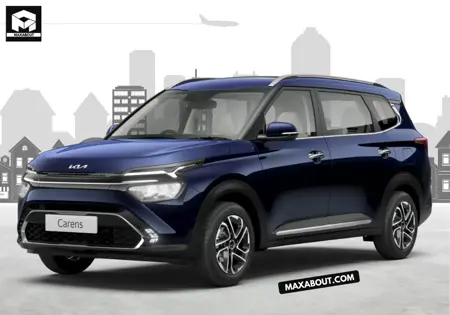
Kia Carens
Kia
The Kia Carens prioritizes family safety with 6 airbags and comprehensive Electronic Stability Control. As a 7-seater, the safety systems are calibrated for varying passenger loads, which I found works well during family trips from Delhi to Manali.
The Vehicle Stability Management and Traction Control handle beautifully for such a practical family vehicle. Rear parking sensors with camera make maneuvering easier in tight spaces. ISOFIX mounts ensure proper child seat installation. At ₹9-17 lakh, the Carens offers exceptional value for comprehensive family safety features. Kia's 3-year unlimited mileage warranty demonstrates confidence in their safety engineering and build quality standards.
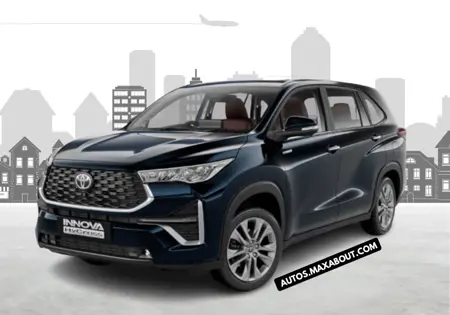
Toyota Innova HyCross
Toyota
The Toyota Innova HyCross represents the pinnacle of MPV safety in India. With 7 airbags and Toyota Safety Sense 2.0, it's the most advanced safety package available in the people-mover segment. The Pre-Collision System with pedestrian detection is genuinely cutting-edge for Indian roads.
I'm impressed by the Lane Departure Alert and Automatic High Beam systems that work effectively on highways. The hybrid powertrain integrates seamlessly with safety systems. Vehicle Stability Control handles the high center of gravity well. At ₹19-30 lakh, you're investing in Toyota's global safety leadership with proven reliability. The comprehensive airbag coverage protects all three rows adequately.
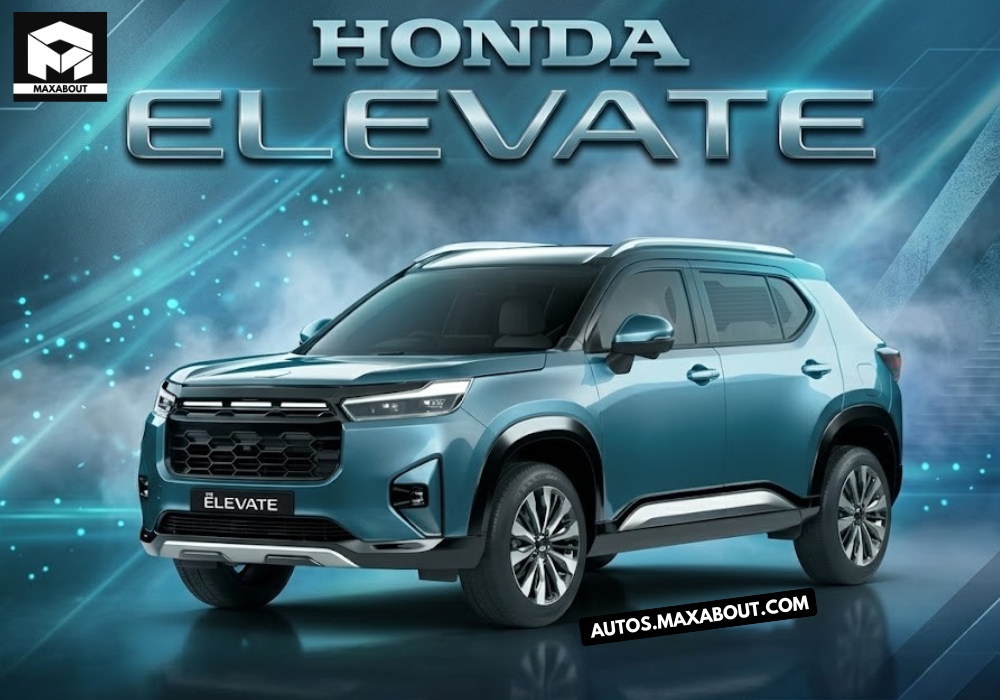
Honda Elevate
Honda
The Honda Elevate demonstrates Honda's commitment to safety with 6 airbags and Vehicle Stability Assist calibrated for SUV dynamics. The safety systems inspire confidence without being intrusive, maintaining Honda's reputation for refined engineering.
I'm particularly impressed by the Multi-Angle Rearview Camera and the smooth operation of Hill Start Assist on steep gradients. The ISOFIX child seat anchors are properly engineered, not afterthoughts. Electronic Brake Distribution works seamlessly with ABS. At ₹11-16 lakh, the Elevate offers Honda's proven safety technology in a practical SUV format. The service network's reliability across India adds to the overall safety proposition for long-term ownership.
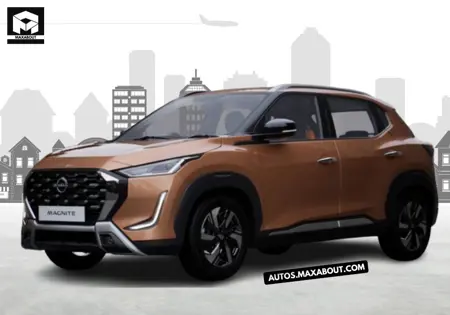
Nissan Magnite
Nissan
The Nissan Magnite offers impressive safety value with dual airbags and ABS with EBD as standard across all variants. At ₹6-11 lakh, it's remarkably well-equipped for safety in the budget SUV segment. The Electronic Brake-force Distribution works effectively for confident braking.
The reverse parking camera and sensors make maneuvering easier in tight city spaces. Vehicle Dynamic Control in higher variants adds stability during emergency maneuvers. I appreciate that Nissan didn't compromise on fundamental safety features despite the aggressive pricing. The Around View Monitor in top variants provides 360-degree visibility. With improving service network presence, the Magnite represents solid safety value for first-time SUV buyers.
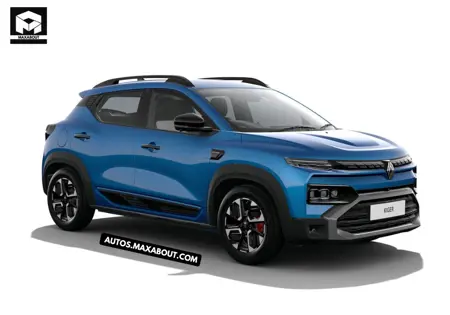
Renault Kiger
Renault
The Renault Kiger provides essential safety features with dual airbags and ABS with EBD standard across all variants. For ₹6-11 lakh, the safety package is comprehensive considering the price point. The Electronic Brake-force Distribution feels well-calibrated for the compact SUV dimensions.
I found the reverse parking camera particularly helpful for a first-time SUV owner. The body structure feels reasonably solid for this price segment. Rear parking sensors add confidence when maneuvering in tight spaces. While it may not have advanced features like ESP, the Kiger focuses on getting the fundamental safety elements right. Renault's service network is improving steadily, making it a viable option for budget-conscious safety-aware buyers.
Maruti Grand Vitara (2008) Grand Vitara
Maruti • Grand Vitara (2008)
The Maruti Grand Vitara brings 6 airbags and Electronic Stability Programme to Maruti's premium SUV lineup. The safety systems feel more refined than typical Maruti vehicles, calibrated well for both city and highway use. I appreciate how the Hill Hold Assist works seamlessly with both engine options.
The 360-degree camera system provides excellent visibility for parking, while the reverse parking sensors offer additional confidence. Electronic Brake-force Distribution works effectively with ABS for optimal stopping performance. At ₹11-20 lakh, you're getting advanced safety features with Maruti's unmatched service network reach across India. The strong hybrid system adds regenerative braking for enhanced safety.