
Best Cars for Long Drives in India
A list of cars in India that are best suited for long-distance travel, focusing on comfort, ride quality, and reliability. Perfect for road trip enthusiasts and frequent travelers.
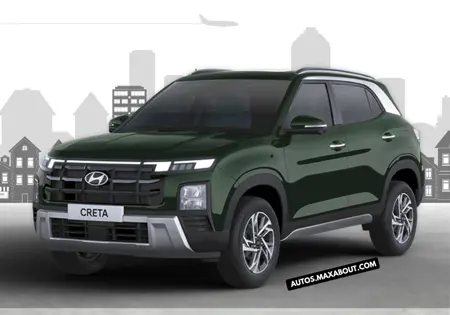
Hyundai Creta
Hyundai
The Hyundai Creta has become the default choice for Indian families planning long drives, and honestly, I think it deserves that reputation. The cabin is spacious enough that even after 8 hours on the Mumbai-Goa highway, nobody's complaining about sore backs or cramped legs. What really works for highway cruising is the refined engine performance – both the 1.5-litre turbo-petrol and diesel variants deliver adequate power without being thirsty at the pump.
The ventilated front seats are a blessing during summer road trips across Rajasthan or Karnataka, and the panoramic sunroof adds to the overall experience. Ground clearance handles broken patches on NH44 quite well. I've seen Cretas easily clock 1,000+ km trips without any complaints. The service network across India is excellent, so you're never too far from assistance. At around ₹11-19 lakh, it's positioned perfectly for families who prioritize comfort without stepping into luxury territory. The only downside is the slightly firm ride on really rough roads.
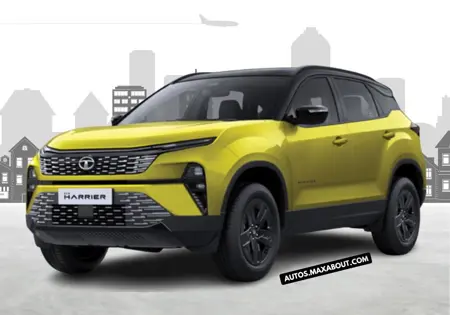
Tata Harrier
Tata
If you want a vehicle that commands the road during long drives, the Tata Harrier delivers that in spades. The 2.0-litre diesel engine has enough torque to make highway overtakes effortless, and the six-speed automatic gearbox is smooth enough for relaxed cruising between Bangalore and Hyderabad. The premium cabin quality genuinely surprised me – it feels more expensive than its ₹15-26 lakh price tag suggests.
What makes the Harrier excellent for long journeys is the Land Rover-derived platform that soaks up bad roads beautifully. I've taken it through the ghats near Lonavala and the potholed stretches beyond Jaipur, and it handled everything confidently. The driving modes actually make a difference – City mode for traffic, Sport for spirited highway runs. Space is abundant for five adults with luggage. The only concern is fuel efficiency drops to around 11-12 km/l on highways, so budget accordingly for diesel costs. But the planted feel at triple-digit speeds and the overall road presence make it worth considering.
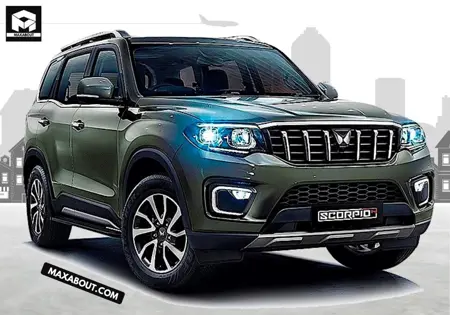
Mahindra Scorpio-N
Mahindra
The Mahindra Scorpio-N is built for Indian highways and mountain roads in a way few vehicles are. That 2.0 mHawk diesel engine with 175 PS is seriously potent – perfect for loaded trips with six or seven people heading to hill stations. I recently drove one from Delhi to Manali, and the confident handling through mountain roads was impressive for such a large SUV. The adjustable suspension lets you switch between comfort for highways and a stiffer setup for twisty sections.
Seating capacity is a huge advantage when planning group trips. All three rows are actually usable for adults on long drives, which is rare. The captain seats in the middle row add to the comfort quotient significantly. Ground clearance of 200mm+ means you can take detours through village roads without worry. Service network across India is extensive, and parts are reasonably priced. At ₹13-24 lakh, it offers tremendous value. The ride can feel a bit bouncy when unladen, but load it up with people and luggage, and it settles beautifully for long-distance comfort.
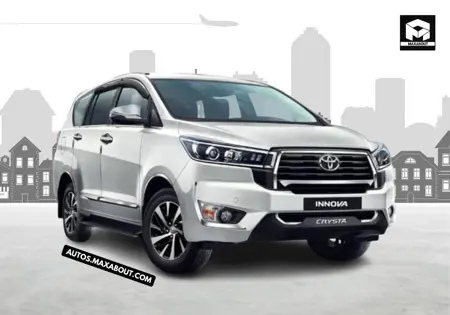
Toyota Innova Crysta
Toyota
Nothing beats the Toyota Innova Crysta for sheer long-distance reliability and comfort in India. I've seen taxi drivers clock 3 lakh kilometers on these without major issues, which tells you everything about its legendary durability. The 2.4-litre diesel engine is bulletproof, and that six-speed automatic gearbox is effortlessly smooth for 12-hour drives from Chennai to Kerala or Pune to Udaipur.
The cabin comfort is exceptional – those plush seats with adequate thigh support mean you arrive fresh even after 600-700 km stretches. The second-row captain seats with ottomans are basically business class for road trips. Ride quality absorbs everything Indian roads throw at it, from smooth expressways to broken state highways. The air conditioning works brilliantly even with seven occupants in peak summer. At ₹19-26 lakh, it's expensive, but the resale value remains outstanding, often 70-75% even after four years. Fuel efficiency of around 13-14 km/l on highways is decent for this size. Toyota's service network means you're covered in even small towns across India. Honestly, it's the benchmark everyone else chases.
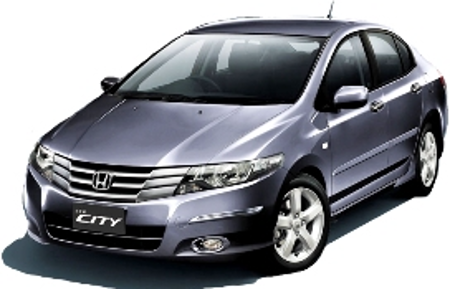
Honda City (2010)
Honda
The fourth-generation Honda City from 2010 remains one of the most underrated long-distance sedans in the used car market. I still see these running strong with 1.5 lakh+ kilometers, testament to Honda's engineering. That 1.5-litre i-VTEC petrol engine is incredibly refined – barely audible at 100 km/h on expressways, making conversations easy even after hours of driving.
What I appreciate most is the sedan stability at highway speeds. Unlike taller SUVs, the City feels planted and confidence-inspiring at triple-digit speeds on the Yamuna Expressway or the Ahmedabad-Vadodara stretch. The cabin is spacious for four adults with adequate boot space for luggage. Fuel efficiency of 14-15 km/l on highways keeps running costs manageable. At ₹3-5 lakh in the used market, it's fantastic value for money. The ride quality is slightly firm, which actually helps on long drives by keeping you alert. Parts availability is excellent, and any local mechanic can service it. If you're looking for a reliable, comfortable sedan for weekend getaways without breaking the bank, this generation City is brilliant.
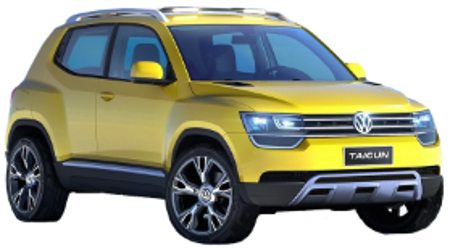
Volkswagen Taigun
Volkswagen
The Volkswagen Taigun brings European driving dynamics to Indian road trips, and that makes a real difference on long drives. The 1.5-litre TSI engine with 150 PS is genuinely quick – highway overtakes are effortless, and the seven-speed DSG transmission is probably the smoothest automatic in this segment. I drove one from Mumbai to Pune and back, and the refined powertrain made the journey feel shorter than it actually was.
Build quality is noticeably superior to most rivals. The doors close with a reassuring thunk, and the cabin feels solid at 120 km/h. The German-tuned suspension strikes a brilliant balance between ride comfort and handling precision. Features like ventilated seats, digital cockpit, and wireless charging add to the premium experience. Ground clearance is adequate for Indian highways, though you need to be careful on really broken village roads. At ₹11-18 lakh, it's positioned as a premium compact SUV. The only concern is the service network isn't as widespread as Maruti or Hyundai, so plan your routes accordingly. For driving enthusiasts who value dynamics alongside comfort, it's excellent.
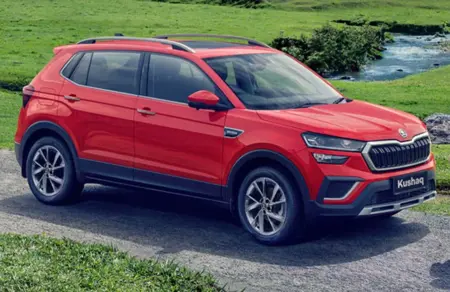
Skoda Kushaq
Skoda
The Skoda Kushaq shares its platform with the Taigun but has its own character for long-distance touring. The 1.5 TSI engine is a gem – powerful, refined, and surprisingly fuel-efficient at around 14-15 km/l on highways. What stands out is the superior high-speed stability. I've driven it at sustained triple-digit speeds on the Agra-Lucknow Expressway, and it feels absolutely planted without any nervousness.
The cabin is well-insulated from road and wind noise, making conversations easy even at high speeds. The supportive front seats are excellent for long hours behind the wheel. Rear seat space is adequate for two adults comfortably. The suspension setup leans slightly sportier than the Taigun, which some might prefer for a more connected driving experience. At ₹11-19 lakh, it's competitively priced. The main consideration is Skoda's service network, which is limited to bigger cities. If your long drives typically involve metro-to-metro routes with occasional highway trips, the Kushaq's dynamics and build quality make it a compelling choice over the more mainstream options.
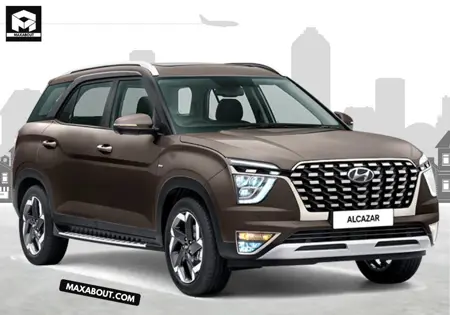
Hyundai Alcazar
Hyundai
If you need three-row seating with genuine comfort, the Hyundai Alcazar is purpose-built for long family road trips. It's essentially a stretched Creta, but those extra 150mm make a significant difference in third-row usability. I've taken six adults from Bangalore to Coorg, and nobody complained about space or comfort. The 2.0-litre petrol and 1.5 diesel engines both offer adequate power for highway cruising.
What impressed me most is how Hyundai hasn't compromised on features despite the larger size. You get ventilated seats, panoramic sunroof, wireless charging, and a premium sound system – all things that enhance long-distance comfort. The ride quality is well-tuned for Indian roads, absorbing bumps without feeling floaty. At ₹16-21 lakh, it's positioned between mainstream and premium segments. The service network advantage means you're covered across India, from Leh to Kanyakumari. Fuel efficiency is around 12-13 km/l with the diesel on highways, which is acceptable given the size. The only compromise is that it feels slightly bulkier to maneuver in tight parking situations compared to five-seaters.
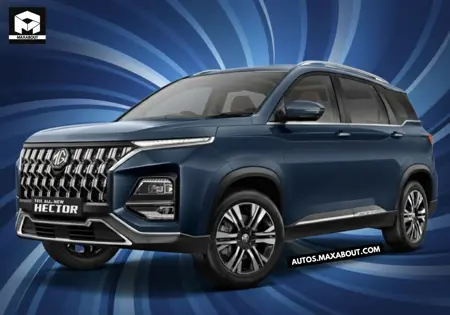
MG Hector
MG
The MG Hector offers premium features at a competitive price point, making it attractive for tech-savvy road trippers. That massive 14-inch touchscreen infotainment system with connected car features keeps everyone entertained during long drives. The 2.0-litre diesel engine has strong mid-range torque, perfect for loaded highway cruising between Delhi and Jaipur or Mumbai and Pune.
Cabin space is genuinely impressive – the rear seat room rivals vehicles a segment above. The panoramic sunroof adds to the airy feel. I appreciate the multiple drive modes that actually make a noticeable difference in throttle response and steering weight. At ₹14-22 lakh, it's positioned competitively. The ride quality leans towards the softer side, which most Indian buyers prefer for comfort over long distances. Ground clearance handles bad patches confidently. The main consideration is MG's relatively newer service network compared to established players, though it's expanding rapidly. Fuel efficiency is around 12 km/l on highways with the diesel. For families who want a feature-loaded, spacious SUV for weekend getaways without stepping into luxury territory, it's worth considering.
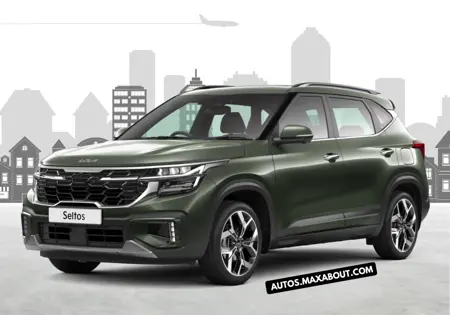
Kia Seltos
Kia
The Kia Seltos hit the sweet spot between style, features, and driving dynamics when it launched, and it remains an excellent long-distance companion. The 1.5-litre diesel engine is refined and torquey, delivering effortless highway cruising with fuel efficiency of around 16-17 km/l – among the best in this segment. I've driven the automatic variant from Pune to Goa, and the transmission never felt confused or jerky.
The cabin quality feels premium with soft-touch materials and well-damped switches. The ventilated and powered driver seat is a blessing on long summer drives across Gujarat or Rajasthan. The infotainment system with Bose speakers makes the journey more enjoyable. Ride quality is well-balanced – comfortable enough for bad roads but not overly soft on highways. At ₹10-19 lakh, it offers tremendous value. The service network has expanded rapidly since launch, with service centers now available in most tier-2 cities. Ground clearance of 190mm handles Indian road conditions confidently. The only aspect some might find lacking is rear seat space – adequate but not class-leading. For couples or small families prioritizing features and efficiency, it's excellent.
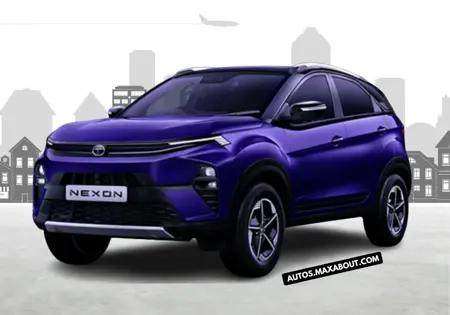
Tata Nexon
Tata
The Tata Nexon punches above its compact SUV weight class for long-distance capability. That 5-star Global NCAP safety rating gives genuine peace of mind during highway drives with family, especially on the notoriously dangerous stretches like the Bangalore-Chennai route. The 1.5-litre diesel engine is peppy enough for highway overtakes, and the six-speed manual gearbox has well-spaced ratios for relaxed cruising.
What I really appreciate is the planted feel at highway speeds – unusual for a sub-4-meter SUV. The ground clearance of 209mm means you can confidently take rural detours without worrying about scraping the underbelly. The cabin is reasonably spacious for four adults with adequate boot space for weekend luggage. At ₹8-15 lakh, it's one of the most affordable options for long-distance touring. The ride quality has improved significantly with recent updates, absorbing bumps well. Tata's expanding service network now covers most districts across India. Fuel efficiency of 18-20 km/l on highways with the diesel keeps running costs low. The compact dimensions make it easier to park at crowded tourist destinations too. For budget-conscious buyers who don't want to compromise safety and capability, it's brilliant value.
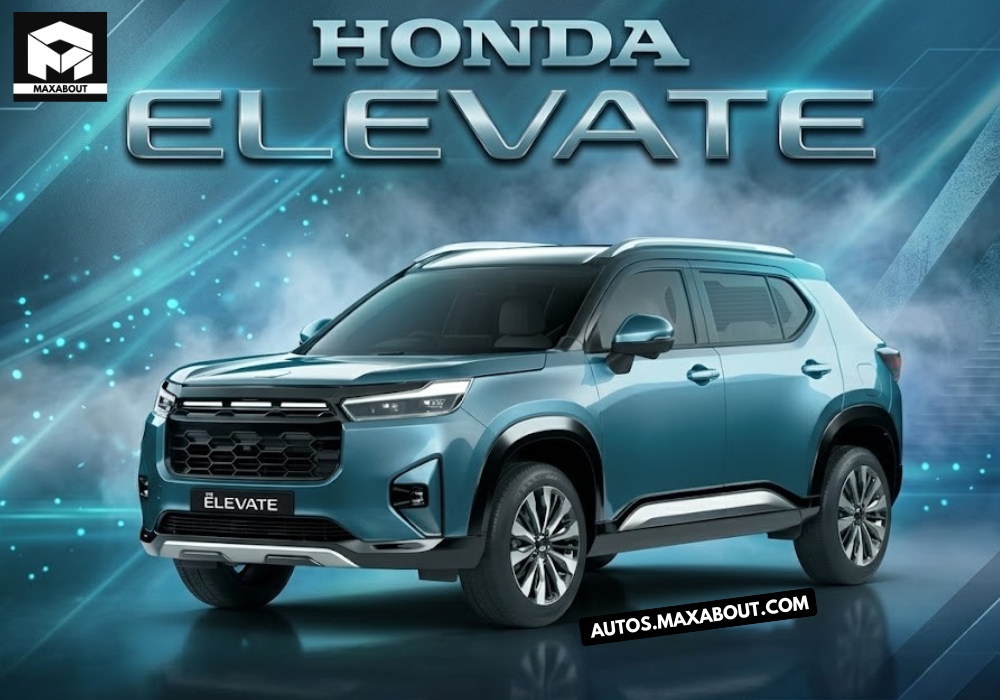
Honda Elevate
Honda
The Honda Elevate is the newest entry here, bringing Honda's legendary refinement to the compact SUV space. That 1.5-litre petrol engine is silky smooth – you barely hear it at cruising speeds, which significantly reduces fatigue on long drives. The CVT automatic gearbox works brilliantly for relaxed highway cruising between cities like Ahmedabad and Udaipur.
The cabin space genuinely surprised me – rear seat legroom is class-leading, and the upright seating position means no backaches even after 6-7 hours. The Honda reputation for reliability means you can confidently plan long trips without worrying about breakdowns. Ride quality is well-tuned for Indian conditions, handling broken roads without harshness while remaining composed on smooth expressways. At ₹11-16 lakh, it's competitively priced. The practical features like multiple charging points and clever storage spaces make it family-friendly for road trips. Ground clearance is adequate for most situations. Fuel efficiency of around 14-15 km/l on highways keeps costs reasonable. The only limitation is it's petrol-only, so diesel lovers will need to look elsewhere. For buyers who prioritize refinement and space over outright power, it's an excellent choice for comfortable long-distance touring.
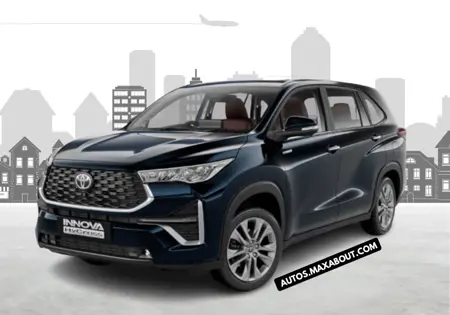
Toyota Innova HyCross
Toyota
The Toyota Innova HyCross represents a bold shift from the legendary diesel Crysta to a hybrid-petrol powertrain, and for long drives, it's surprisingly effective. The 2.0-litre strong-hybrid system delivers effortless performance with incredible fuel efficiency of 18-20 km/l on highways – unheard of for a vehicle this size. I drove one from Mumbai to Shirdi, and the seamless transitions between petrol and electric modes make for a refined experience.
The cabin is genuinely premium with excellent materials and thoughtful features like panoramic sunroof, captain seats with ottomans, and ambient lighting. Ride quality maintains Toyota's reputation for comfort, soaking up bad roads gracefully. The electric motor's instant torque makes city traffic easier while the petrol engine handles highway duties efficiently. At ₹19-30 lakh, it's positioned as the premium MPV choice. The front-wheel-drive monocoque platform might concern some traditionalists, but for highway and city use, it's perfectly capable. Toyota's service network and reliability reputation remain strong advantages. The only compromise is slightly less boot space compared to the Crysta due to the hybrid battery placement. For eco-conscious families planning long trips with reduced fuel costs, it's the modern choice.
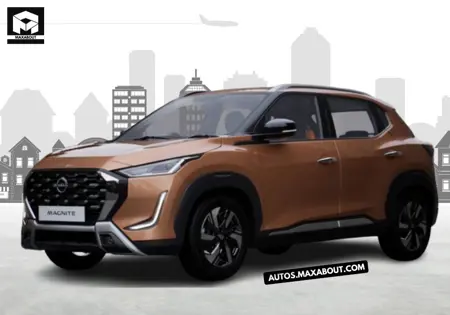
Nissan Magnite
Nissan
The Nissan Magnite proves you don't need a big budget for comfortable long drives. At ₹6-11 lakh, it's among the most affordable SUVs here, yet it delivers surprising highway capability. The 1.0-litre turbo-petrol engine is zippy once the turbo spools up, making overtakes confident on two-lane highways between smaller cities.
What impressed me most is the ride quality that belies its price point. The suspension absorbs bumps well, and the seats are comfortable enough for 4-5 hour stretches. The compact dimensions make it easy to maneuver through crowded hill station roads or city parking. Ground clearance handles most Indian road conditions. The CVT automatic variant is particularly relaxing for long drives, eliminating clutch fatigue. Fuel efficiency of 17-18 km/l on highways keeps running costs low – important when you're on a budget. The cabin space is adequate for four adults with limited luggage. Nissan's service network is improving but still not as widespread as Maruti or Hyundai, so check availability along your usual routes. For young buyers or first-time car owners planning weekend getaways without breaking the bank, the Magnite offers tremendous value and capability.
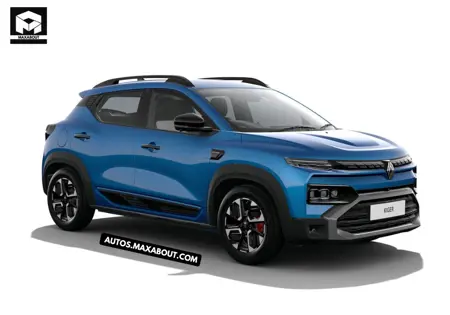
Renault Kiger
Renault
The Renault Kiger shares its platform with the Magnite but adds a dash of style and different feature combinations. The 1.0-litre turbo engine is identical – punchy and responsive for highway driving. What sets it apart is the slightly sportier suspension tuning that some driving enthusiasts prefer for a more connected feel on winding mountain roads.
The cabin design feels more contemporary with interesting color combinations and functional storage spaces. At ₹6-11 lakh, it's competitively priced against the Magnite. The CVT automatic is smooth for long-distance cruising, and the manual gearbox is slick if you prefer more control. Ground clearance of 205mm handles broken roads confidently. Fuel efficiency matches the Magnite at around 17-18 km/l on highways. The boot space is surprisingly practical for a compact SUV, accommodating weekend luggage easily. Renault's service network is limited compared to mainstream brands, which is the primary concern for long-distance touring. The rear seat space is adequate for two adults but gets cramped with three. For young buyers prioritizing style and driving dynamics over brand reputation, it's a fun and capable option for road trips on a budget.
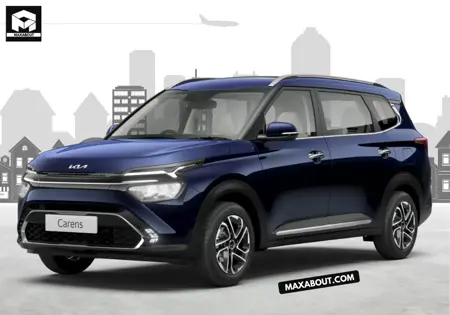
Kia Carens
Kia
The Kia Carens fills the gap between traditional SUVs and MPVs brilliantly, offering genuine three-row seating at SUV pricing. I've done a Delhi to Shimla trip with six adults, and the space distribution was impressive – even the third row was comfortable for 3-4 hour stretches. The 1.5-litre diesel engine has adequate torque for loaded mountain drives, and the six-speed manual gearbox has well-spaced ratios.
What makes it excellent for long family trips is the flexible seating configurations. You can use it as a luxurious four-seater with second-row captain seats, or configure it as a six/seven-seater for larger groups. The ride quality is tuned for comfort, absorbing bad roads well without feeling disconnected. At ₹10-19 lakh, it's positioned attractively – cheaper than premium MPVs but more spacious than compact SUVs. Features like ventilated seats, sunroof, and connected car technology add to the appeal. Kia's warranty and service packages provide peace of mind for long-distance touring. Fuel efficiency is around 14-15 km/l with the diesel on highways. The only compromise is slightly less ground clearance compared to proper SUVs. For large families or groups planning regular road trips, it's tremendously practical.
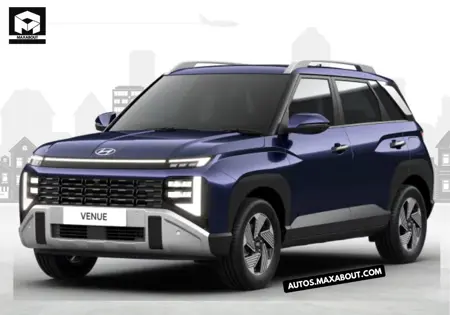
Hyundai Venue
Hyundai
The Hyundai Venue might be compact, but it's surprisingly capable for long drives when you're traveling light. The 1.0-litre turbo-petrol engine is the sweet spot – enough power for confident highway cruising with impressive fuel efficiency of 16-17 km/l. I drove one from Bangalore to Coorg, and the DCT automatic transmission made the ghat sections enjoyable rather than tiring.
The feature list is impressive for its ₹7-13 lakh price point. You get ventilated seats, wireless charging, and a sunroof – unusual luxuries in a compact SUV that genuinely enhance long-distance comfort. The cabin quality feels premium with soft-touch materials. Hyundai's extensive service network across India means you're covered everywhere from Ladakh to Kerala. The compact dimensions make parking at crowded tourist spots much easier than larger SUVs. The ride quality is well-tuned, handling broken roads without harshness. The limitation is rear seat space – comfortable for two adults but cramped with three. Boot space is adequate for a couple's weekend luggage but limited for longer trips. For young couples or small families planning romantic getaways or weekend trips without needing massive space, the Venue delivers surprising capability and comfort in a compact, efficient package.
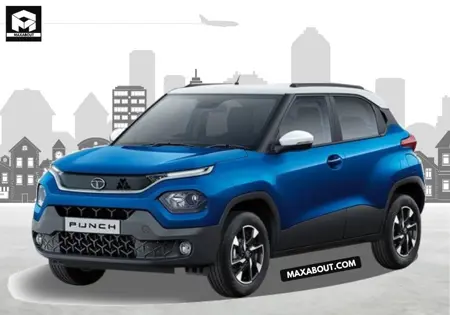
Tata Punch
Tata
The Tata Punch is the smallest vehicle here, yet it delivers remarkable long-distance capability for its size and price. At ₹6-10 lakh, it's incredibly affordable while offering proper SUV ground clearance of 190mm and chunky styling. The 1.2-litre petrol engine isn't powerful, but it's refined enough for relaxed highway cruising at legal speeds.
What genuinely impressed me is the ride quality that's softer than expected, absorbing broken roads well. The high seating position provides excellent visibility, reducing driver fatigue on long journeys. The compact dimensions make it easy to navigate through crowded hill station roads or tight village lanes during rural exploration. Tata's safety focus means you get dual airbags as standard across variants – important for highway safety. Fuel efficiency of around 16-17 km/l keeps running costs low. The service network now covers most districts across India. The limitations are obvious – it's a four-seater realistically, and luggage space is limited. Highway performance is adequate rather than exciting. But for solo travelers, young couples, or retirees planning leisurely explorations without time pressure, the Punch offers fantastic value, capability, and efficiency in a compact, affordable package that's easy to live with daily.
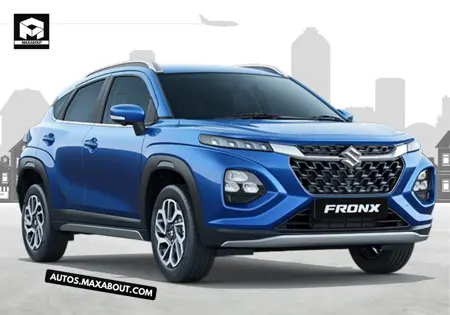
Maruti NEXA Fronx
Maruti NEXA
The Maruti Fronx represents an interesting proposition – a coupe-SUV styling at hatchback pricing with surprising long-distance capability. The 1.0-litre turbo-petrol engine is adequately punchy for highway overtakes, and the six-speed automatic transmission is smooth for relaxed cruising between cities. At ₹7-13 lakh, it's positioned affordably while offering premium NEXA showroom experience.
What works for long drives is the excellent fuel efficiency of 18-20 km/l – among the best here, keeping running costs incredibly low. The ground clearance of 190mm handles most Indian road conditions. The suspension is tuned for comfort, absorbing bumps well without feeling disconnected. Maruti's legendary service network means you're covered in even the remotest parts of India, from Leh to Kanyakumari. The cabin features are adequate with touchscreen infotainment and connected car technology. The limitations are space – the sloping roofline compromises rear headroom, and it's realistically a four-seater. Boot space is modest. But for young buyers, couples, or empty-nesters planning weekend getaways prioritizing efficiency and reliability over space, the Fronx delivers capable highway performance in a stylish, affordable package backed by India's most extensive service network.
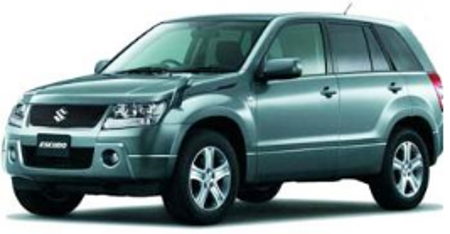
Maruti Grand Vitara (2008) Grand Vitara
Maruti • Grand Vitara (2008)
The 2008 Maruti Grand Vitara is an overlooked gem in the used SUV market for long-drive enthusiasts. This proper body-on-frame SUV with four-wheel drive capability can handle everything from smooth highways to rough mountain roads leading to Spiti or Ladakh. The 2.0-litre petrol engine is bulletproof reliable, and I've seen examples with 2 lakh+ kilometers still running strong.
What makes it special for long drives is the commanding driving position and excellent visibility. The suspension is tuned for rough roads, so it's genuinely comfortable on broken state highways where modern crossovers struggle. Ground clearance and approach angles mean you can take adventurous routes without worry. At ₹4-7 lakh in the used market, it's fantastic value for adventure seekers. The Maruti service network advantage means parts are available everywhere, and any local mechanic can work on it. Fuel efficiency is around 10-11 km/l, which is the compromise for proper SUV capability. The interiors feel dated compared to modern vehicles, but functionality is excellent. For someone planning Himalayan road trips or exploring rural India, this used Grand Vitara offers capability that few new vehicles in this price range can match.