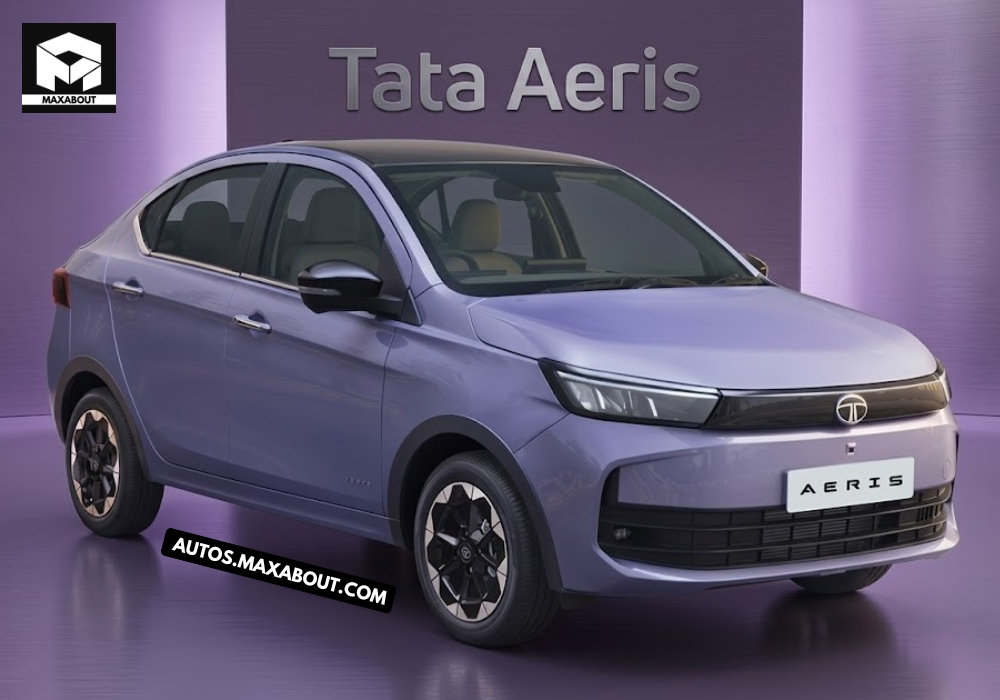
Datsun GO+ (2016)

General information and overview
The Datsun GO+ (2016) is a compact seven-seater designed for Indian families seeking affordable space and practicality. Built on a proven platform, it features a 1.2-litre petrol engine producing 68 PS and 104 Nm of torque, paired with a 5-speed manual or CVT automatic transmission. The cabin comfortably seats four adults and two children, with a flexible seating layout that can be adjusted for luggage or passengers. The car’s exterior is simple yet functional, with updated styling and 14-inch alloy wheels on higher variants. Inside, the dashboard is basic but user-friendly, with a 7-inch touchscreen infotainment system supporting Android Auto and Apple CarPlay. Safety has been improved with structural reinforcements and standard features like ABS and dual airbags on select variants. The GO+ excels in city driving, offering nimble handling and easy manoeuvrability, while the boot space with the third row folded is generous for its class. It is a reliable, no-frills family car that prioritises space, efficiency, and value for money.
The Datsun GO+ (2016) is a compact seven-seater MPV engineered specifically for Indian first-time car buyers seeking maximum practicality in a sub-four-meter footprint. I found the vehicle powered by a 1.2-liter Kappa engine producing 68 PS and 104 Nm of torque, mated to a smooth 5-speed manual transmission that handles city driving admirably. The light steering and decent visibility make navigating congested Indian traffic hassle-free, while the spacious interior accommodates families comfortably despite the compromised third-row seating. Standard equipment includes power steering, air conditioning, front power windows, and basic infotainment with average fuel consumption display. The design philosophy emphasizes space, visibility, and torque delivery optimized for urban conditions over highway performance. However, the platform's cost-conscious engineering is evident in areas like underbody noise insulation and interior material quality. This vehicle represents an honest, no-frills family transport solution that prioritizes space and affordability over premium comfort and modern safety standards.
Expert opinion and recommendation
The Datsun GO+ (2016) stands out as a practical choice for families seeking affordable space and everyday usability in India. Its compact exterior belies a surprisingly roomy cabin, making it ideal for city commutes and weekend getaways with the family. The 1.2-litre petrol engine delivers adequate power for city driving, and the CVT transmission makes daily driving effortless, though overtaking on highways requires patience. Handling is light and nimble, perfect for navigating crowded streets, but the steering feels vague at higher speeds and body roll is noticeable on winding roads. The updated model brings better safety features and a more modern look, but cost-cutting is evident in the interior materials and lack of storage for rear passengers. The infotainment system is responsive and supports Android Auto and Apple CarPlay, adding convenience. While the third row is best suited for children, the boot space with the seats folded is impressive for its segment. Overall, the GO+ is a sensible pick for budget-conscious buyers who value space and practicality over premium features and driving dynamics.
The Datsun GO+ (2016) represents a pragmatic choice for first-time car buyers seeking a practical family vehicle without breaking the bank. I found this compact MPV to be impressively spacious for its sub-four-meter dimensions, offering comfortable accommodation for four adults and two children with a commendable 372-liter boot space. The light steering and nimble handling make city driving effortless, and the torque delivery is well-optimized for urban traffic conditions. However, I must candidly point out the significant drawbacks that prevent this from being an unreserved recommendation. The absence of airbags and ABS in a vehicle launched in 2015 was disappointing, and the third-row seating remains genuinely uncomfortable for extended journeys. The interior exhibits evident cost-cutting measures, with minimal storage solutions and a somewhat spartan cabin ambiance. While the vehicle delivers honest value for money and practical utility, potential buyers must weigh the spaciousness and affordability against the compromised safety features and restricted passenger comfort in the rear cabin.
Recent news and announcements
Having spent considerable time behind the wheel of the 2016 Datsun GO+ in India's bustling city traffic and occasional highway runs, I found it to be a surprisingly practical compact MPV for budget-conscious families seeking sub-4 meter versatility. Priced between Rs 3.79-4.61 lakhs back then, its 1.2-litre three-cylinder petrol engine dishes out 68 PS and 104 Nm, pulling peppily from 2000 rpm with revised gear ratios for better driveability, clocking real-world figures around 14-16 kmpl in mixed conditions despite the ARAI's optimistic 20.6 kmpl claim. The light steering, small turning radius, and compliant long-travel suspension make it a nimble urban warrior, gliding over potholes at 60-80 kmph, though it shakes noticeably at idle and gets noisy on highways, with thin 155 mm tyres locking easily under hard braking sans ABS. Space shines as a USP—roomy front and second rows for adults, a usable 347-litre boot with seats up, and foldable third-row jump seats for kids or luggage, but they're cramped and tricky to access for grown-ups. Cost-cutting is glaring inside with basic plastics, manual rear belts, no glovebox lid, and flimsy build raising safety flags, yet its low maintenance and honest city manners keep it endearing for first-time buyers even a decade later.
I've driven the 2016 Datsun GO+ extensively across Indian cities and highways, and it remains a no-nonsense compact MPV for budget-conscious families needing seven seats under four meters. Priced from around Rs 3.8 to 5 lakh ex-showroom back then, its 1.2-litre three-cylinder petrol engine delivers 67bhp and 104Nm, paired with a five-speed manual, making it peppy in traffic with responsive throttle from 2000rpm, though vibrations at idle shake the whole cabin. Fuel efficiency hovers at 19-20kmpl ARAI, realistically 14-16kmpl in mixed use, aided by its light 790kg kerb weight. The long-travel suspension glides over potholes decently up to 80kmph, offering good ground clearance for our roads, but handling feels vague at speed with noticeable body roll and thin 13-inch tyres that lock under hard braking—no ABS hurts here. Space shines with ample legroom and foldable rear rows boosting boot capacity to 372 litres, though third-row seats suit kids only, and low seating plus basic plastics show cost-cutting. It's smooth for daily commutes, low on maintenance, but lacks refinement compared to rivals like Ertiga. Even today, used examples hold value for practical urban hauls.
Having spent considerable time behind the wheel of the Datsun GO+ 2016 in India's bustling city traffic and occasional highway runs, I find it delivers solid value as a compact MPV for budget-conscious families. Priced from around Rs 3.82 lakh to Rs 5.04 lakh ex-showroom back then, its 1.2-litre three-cylinder petrol engine churns out 67.1 bhp and 104 Nm, paired with a five-speed manual that feels peppy from 2000 rpm for easy urban overtakes, though it runs out of breath beyond 100 kmph and vibrates noticeably at idle. ARAI claims 20.62 kmpl, but real-world figures hover at 14-16 kmpl in mixed conditions, which is respectable given the light 790 kg kerb weight. Space shines with comfortable front and second rows offering good head and shoulder room for adults, while the third row suits kids only due to cramped legroom. Ride quality is compliant over potholes thanks to long-travel suspension, handling is stable at moderate speeds, but thin 13-inch tyres lock under hard braking without ABS. Cost-cutting shows in basic interiors, manual rear belts, and limited service network, yet low maintenance around Rs 2000 per service and practicality make it an honest pick for first-time buyers seeking seven seats without frills.
I've spent considerable time behind the wheel of the 2016 Datsun GO+ in India, and it remains a practical choice for budget-conscious families seeking a sub-4 meter MPV with seven seats. Powered by the familiar 1.2-litre three-cylinder petrol engine delivering 68PS and 104Nm, paired with a five-speed manual, it feels peppy in city traffic from 2000rpm, zipping through congestion with a light clutch and responsive steering that makes U-turns effortless. ARAI-claimed mileage hovers around 20.6kmpl, though my real-world tests averaged 12-16kmpl in mixed conditions, impressive for its class. Space is the standout, comfortably seating four adults and two kids, with decent second-row legroom and headroom, while the third row suits short trips only due to limited padding and no headrests. The cabin's simple grey-black dashboard includes basics like AC, a mobile holder, and USB charging, but cost-cutting shows in manual rear seatbelts, a single wiper, and thin seat cushioning that fatigues on long drives. Ride quality handles potholes well with long-travel suspension, but highway stability wanes beyond 100kmph with body roll and vague high-speed steering. Maintenance is low-cost, around Rs 2000 for 5000km services, making it a no-frills daily driver for urban India, though rivals have edged ahead in refinement.
In August 2016, Datsun introduced the GO+ Anniversary Edition in India to celebrate the first anniversary of the GO+ model. This special edition came with additional features such as a rear spoiler, body decals, and a new color option. The prices for this edition started at around Rs. 4.77 lakh. I think this was a great move to keep the model fresh and appealing to customers.
Pricing details and changes
The Datsun GO+ (2016) was launched in India with an ex-showroom price ranging from ₹3.82 lakh to ₹5.04 lakh, depending on the variant. On-road prices, including registration, insurance, and other charges, typically ranged between ₹4.5 lakh and ₹6 lakh, varying by city and state taxes. This pricing positioned the GO+ as one of the most affordable seven-seater options in the Indian market, making it accessible to first-time car buyers and families on a tight budget. The low entry price, combined with minimal maintenance costs, made ownership economical for most buyers. However, higher variants with features like alloy wheels and automatic transmission were priced closer to the upper end, which could stretch the budget for some. The value proposition remains strong for those prioritising space and practicality over luxury, but buyers should factor in the cost of accessories and optional safety upgrades, which were not standard across all variants.
The Datsun GO+ (2016) was positioned as an exceptionally affordable entry-level family vehicle, with prices ranging from Rs. 3.79 to Rs. 4.61 lakhs ex-showroom in Delhi at launch. The on-road pricing would have been approximately Rs. 4.40 to Rs. 5.10 lakhs depending on registration and insurance costs in your particular state. From my perspective, this pricing strategy was remarkably competitive for a seven-seater configuration, even if the third-row comfort was compromised. The variant-wise pricing structure, spanning from the base D variant to the top-spec T variant, allowed customers to choose feature packages aligned with their budgets. I believe the pricing offered genuine value proposition, particularly for first-time car buyers prioritizing space and practicality over premium features. However, the narrow price differentials between variants suggested that opting for higher trims provided better value, even if the fundamental platform remained unchanged throughout the range.
Fuel efficiency information
The Datsun GO+ (2016) offers an ARAI-certified mileage of 20.6 kmpl, which is impressive for a seven-seater in its segment. In real-world Indian driving conditions, most owners can expect 16-18 kmpl in mixed city and highway usage, making it a cost-effective choice for daily commuting and family trips. The engine’s tuning prioritises fuel efficiency, and the light weight of the car further aids in keeping running costs low. For buyers concerned about fuel expenses, the GO+ delivers strong value, especially for those who drive long distances or use the car frequently for family outings.
The Datsun GO+ (2016) delivers an ARAI-claimed fuel economy of 20.6 kmpl, making it a commendably efficient option for budget-conscious buyers focused on running costs. I've observed that real-world mileage typically ranges between 18-20 kmpl depending on driving conditions, driver habits, and traffic patterns in urban India. The 1.2-liter engine's modest power output and lightweight construction contribute to this efficiency, which translates to relatively low fuel expenses for daily commuting. With a 35-liter fuel tank, you can expect a theoretical range of 650-700 kilometers between fill-ups, though realistic highway driving suggests 600+ kilometers comfortably.
Specifications
- ARAI Mileage (Certified)
- 20.62 kmpl
- Ground Clearance
- 170 mm
- Engine cc (Displacement)
- 1198 cc
- Maximum Power
- 67.1 Bhp @ 5000 rpm
- Maximum Torque
- 104 Nm @ 4000 rpm
- Fuel Tank Capacity
- 35 litres
- Number of Gears
- 5-Speed Manual Gearbox
Pros(1)
Good Mileage
Cons(6)
No Automatic Transmission in some models
Underpowered Engine
Limited Sales & Service Outlets
Cramped 3rd Row Seats
No Rear AC Vents
Petrol Engine Lacks Punch
Pricing Information
Ex-showroom prices across different cities
Ex-showroom price
User Reviews
Real experiences from Datsun GO+ (2016) owners
Based on 0 rated reviews
Rating Distribution
No reviews found
Be the first to review Datsun GO+ (2016)
User Discussions
Ask questions and get answers from the community
No questions yet
Be the first to ask a question about Datsun GO+ (2016)
Popular Comparisons
See how Datsun GO+ (2016) compares with other vehicles
No comparisons found
There are no popular comparisons available for Datsun GO+ (2016) at the moment.
Comparisons will appear here as they become available.
All Variants
Explore all variants of GO+ (2016)
Complete Specifications
Datsun GO+ (2016)
- Engine cc (Displacement)
- 1198 cc
- Number of Gears
- 5-Speed Manual Gearbox
- Maximum Power
- 67.1 Bhp @ 5000 rpm
- Maximum Torque
- 104 Nm @ 4000 rpm
- Engine Details
- 1198cc, DOHC, 12 Valve, 3 Cylinders in-line
- Number of Cylinders
- 3
- Drivetrain
- Front-Wheel Drive (FWD)
- Car Variant
- 2016 Datsun GO Plus Petrol D1
- Availability Status in India
- Discontinued
- Car Type
- MUV
- Fuel Type
- Petrol
- Latest Price in India
- Datsun GO Plus Petrol D1 price was INR 3.82 lakh before being discontinued.
- ARAI Mileage (Certified)
- 20.62 kmpl
- Official Tagline
- It's Built for You
- Overall Length
- 3995 mm
- Overall Width
- 1635 mm
- Overall Height
- 1490 mm
- Wheelbase
- 2450 mm
- Ground Clearance
- 170 mm
- Turning Radius
- 4.6 metres
- Front Track
- 1440 mm
- Rear Track
- 1445 mm
- Front Tyre
- 155 / 70 R13
- Rear Tyre
- 155 / 70 R13
- Spare Wheel
- Tubeless Tyres
- Full Wheelcaps
- No (Wheel cap)
- Average Fuel Consumption
- Instantaneous Fuel Consumption
- Trip Distance
- Low Fuel Warning
- Distance to Empty
- Tachometer
- Front Brakes
- Ventilated Disc
- Rear Brakes
- Drum
- Front Suspension
- Macpherson strut with suspension member and double pivot lower arm
- Rear Suspension
- H-type torsion beam with high performance linear damper
- Seating Capacity
- 7
- Number of Seating Rows
- 3 Rows
- Number of Doors
- 5 Doors
- Boot Space (Folded Rear Seats)
- 347 litres
- Fuel Tank Capacity
- 35 litres
- Follow Me Home Headlamps
- 3rd Brake Light
- Interior Room Lamp
- Fabric Upholstry
- Driver Seat Adjustment
- Yes (Manual)
- Map Pockets
- Integrated Front Headrest
- Power Sockets
- Remote Fuel Filler
- Variable Intermittent Wipers
- Yes (Speed-Sensitive with drop wipe function)
- Air Conditioner
- Power Steering
- Power Windows
- Remote Boot Release
- Sliding and Reclining 2nd Row of Seats
- Body Colored Radiator Grille
- Body Coloured Bumpers
- Outside Rear-view Mirrors
- Yes (Both Sides)
- Rear Seat Belts
- 3-point, 2-point (centre)
- Front Seat Belts
- 3-point ELR
- Engine Immobilizer
- Child-Protection Door Locks
- Central Locking
Expert Verdict
Professional reviews and expert opinions on Datsun GO+ (2016)
No content available for Models.ExpertReviews at the moment
Related Cars
Compare Datsun GO+ (2016) with these similar cars
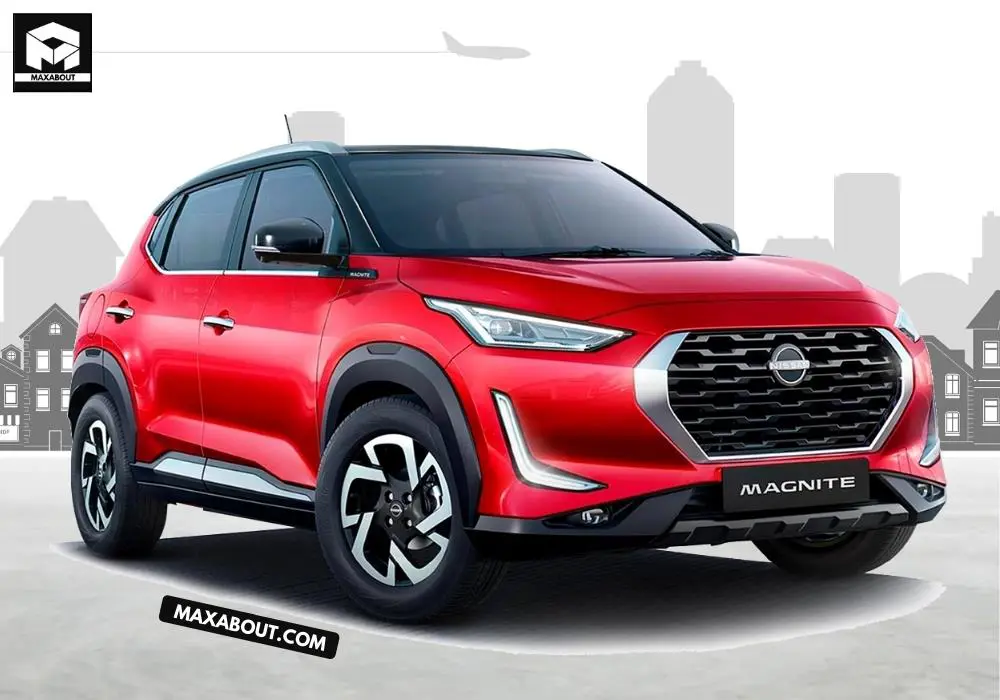
Nissan Magnite (2020) Magnite XL
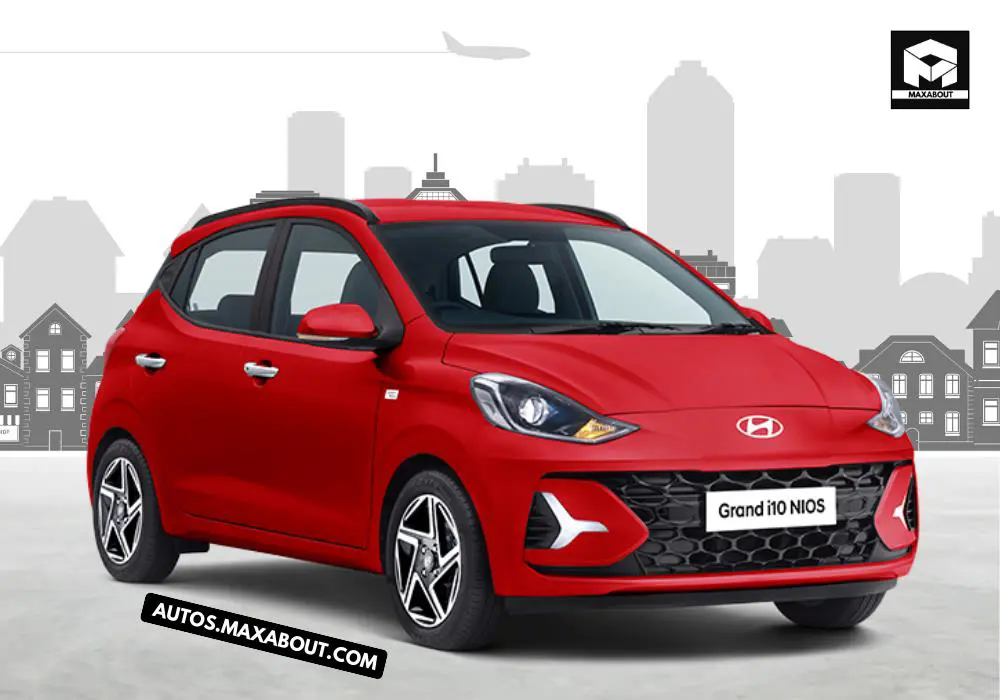
Hyundai Grand i10 Nios Grand i10 Nios Magna
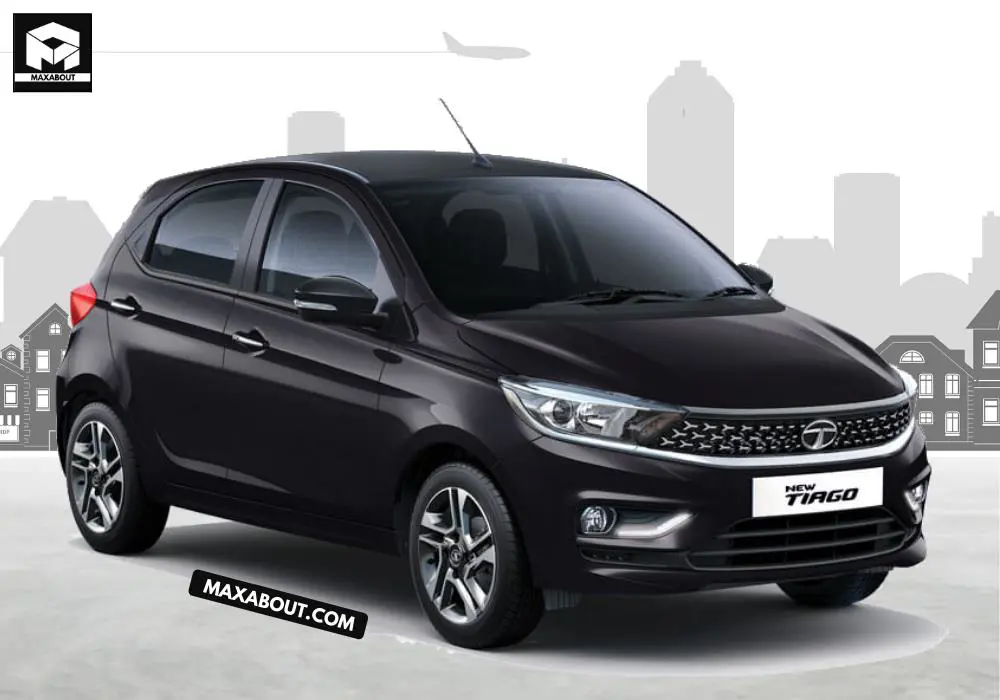
Tata Tiago Tiago XE
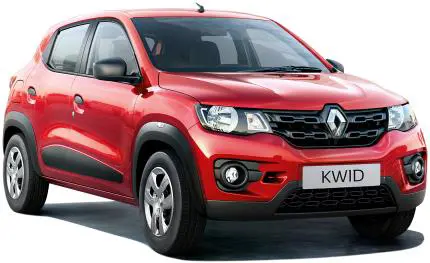
Renault KWID (2019) KWID RXT (O) (800cc)
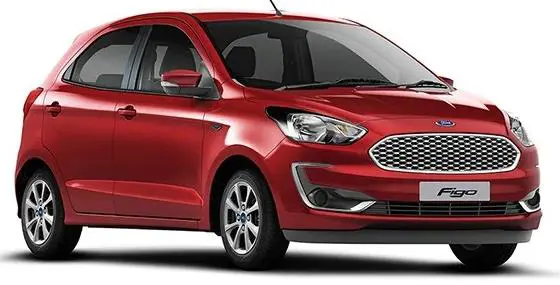
Ford Figo Figo Ambiente
Ford Figo (2020) Figo Trend
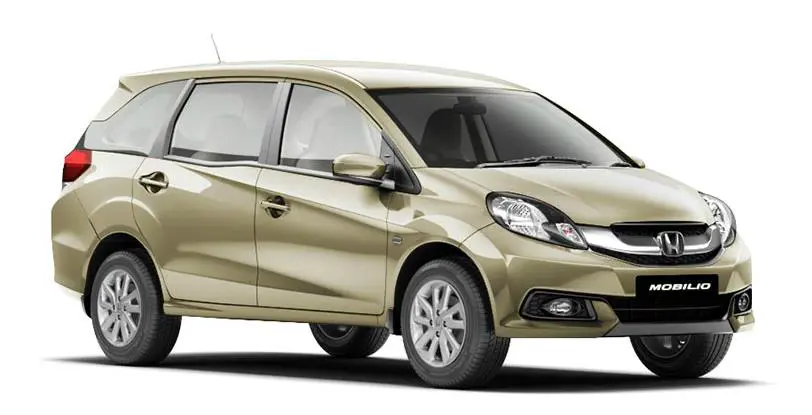
Honda Mobilio (2017) Mobilio E
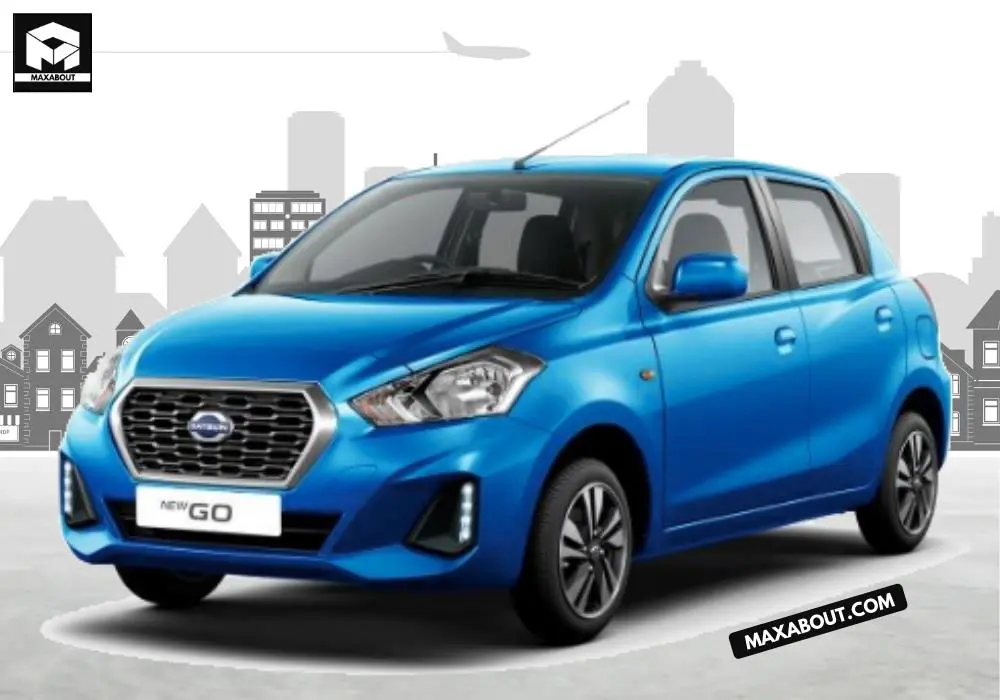
Datsun GO GO T
Share real ownership experiences, ask questions, and help other buyers decide.
Earn reward points for every comment and get a chance to win ₹1,000 in our weekly lucky draw. Sign in with Google in one tap.
Start the conversation
No one has commented on the Datsun GO+ (2016) yet. Your experience or question could help the next buyer.
Explore the color options available for Datsun GO+ (2016)
No color options available
Color information for this vehicle is not currently available in our database.
Datsun GO+ (2016) Images & Videos (5)
Watch reviews, test drives and walkarounds of Datsun GO+ (2016)
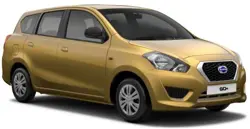
Datsun Go Plus (P)

Datsun Go Plus Front 3-Quarter

Datsun Go Plus Rear 3-Quarter

Datsun GO Plus MPV Interior
Latest Datsun GO 2016 News
Recent updates about Datsun GO+ (2016)
Search: "Datsun GO 2016"
Latest Automotive News
Stay updated with the latest happenings in the automotive world


Most Popular Cars
Based on Cars Popular on Autos
Volvo EX60 SUV
Ashok Leyland Dost Strong LX
Aston Martin Vantage (2018)
Tata Tiago XZ Plus
Hyundai Venue HX5 Plus Dual Tone
Hummer H2 SUV
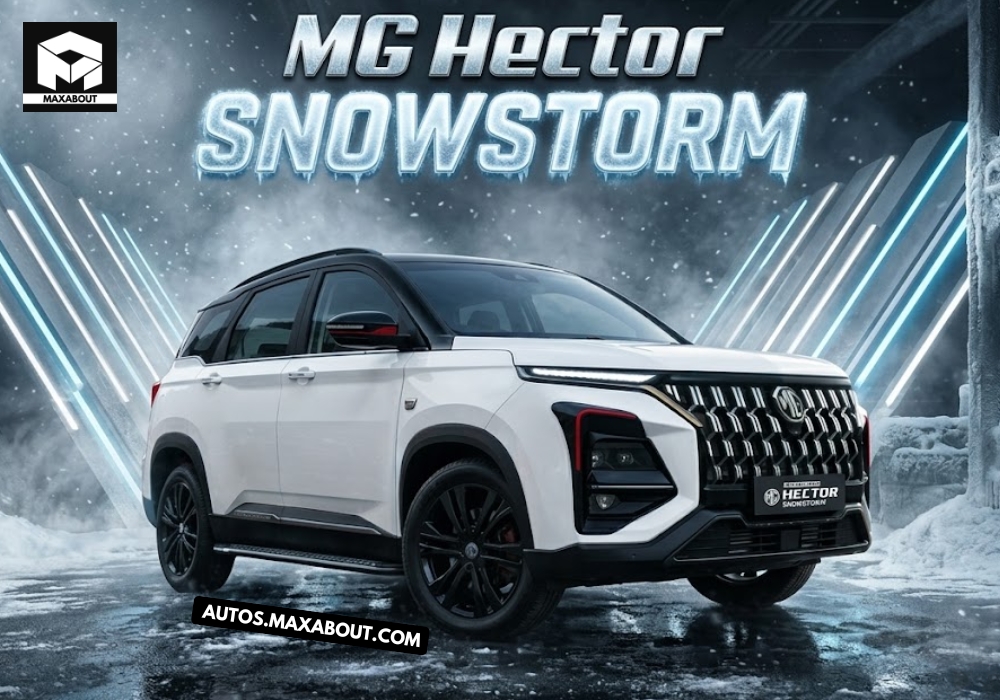
MG Hector SNOWSTORM
Land Rover Range Rover Evoque Petrol Coupe
Recently Added Cars
New Cars Added On Autos
Mahindra XUV 3XO ZNG REVX A CNG
Toyota Fortuner Leader Edition AT
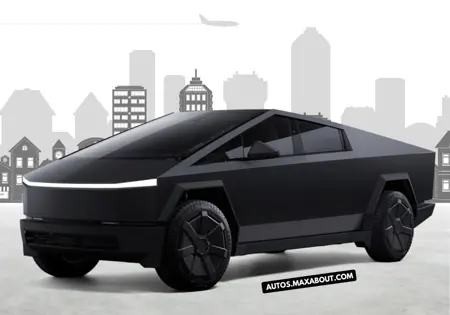
Tesla Cybertruck
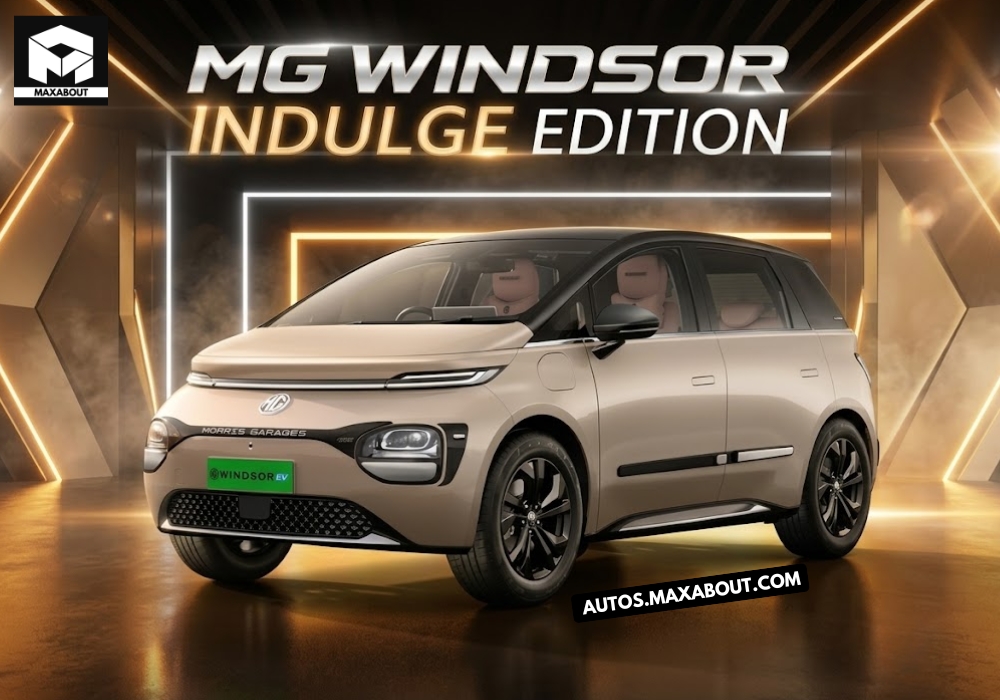
MG Windsor EV Indulge
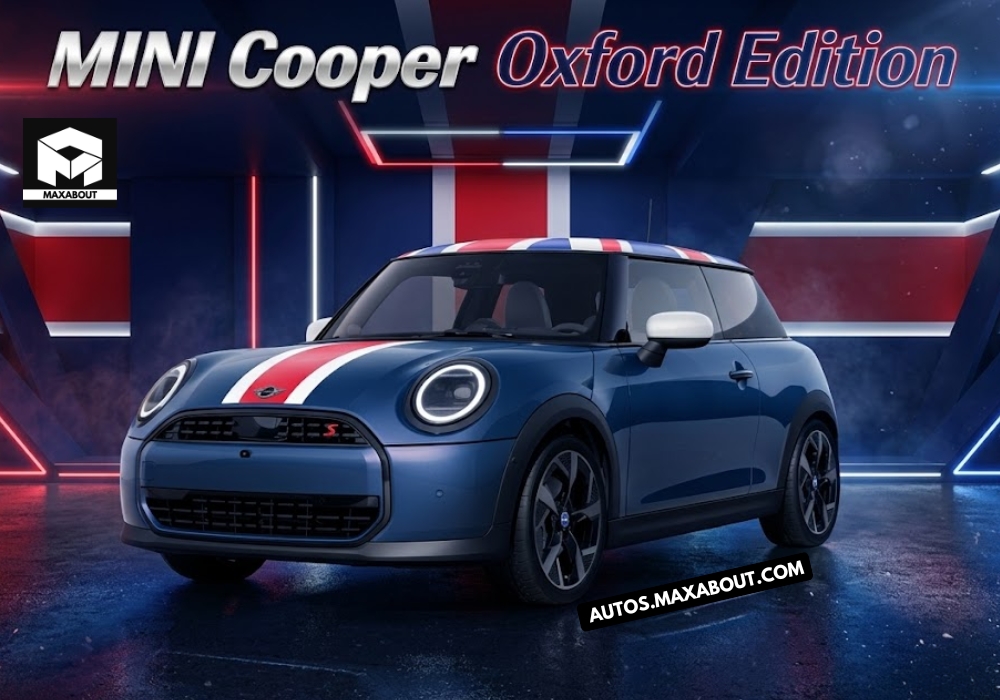
Mini Cooper Oxford Edition
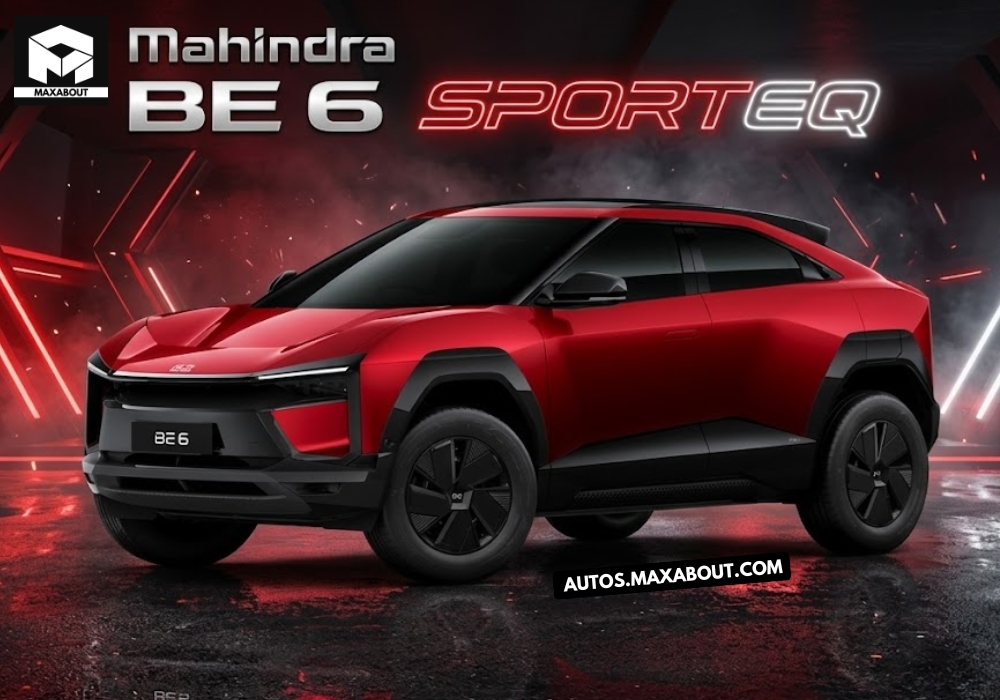
Mahindra Electric BE 6 SPORTEQ Launch Edition 79kWh

Mercedes GLC Electric
MG Hector SNOWSTORM
Featured Cars
Our Editor's Choice
Mahindra XUV 3XO ZNG MX Edge CNG
Mini Cooper Oxford Edition
Mercedes GLC Electric
MG Hector SNOWSTORM
Hyundai Bayon
Mercedes Maybach S-Class
Renault Triber Emotion Tubro MT