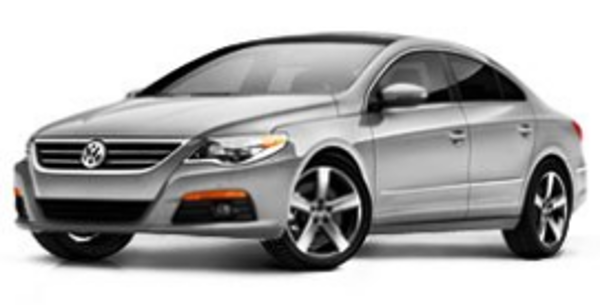
Volkswagen Passat CC

General information and overview
The Volkswagen Passat CC is essentially a coupe version of the Passat, introduced initially as the Passat CC and later renamed to just CC. It boasts a sleek and stylish design with frameless doors, a feature typical of coupes. The interior is luxurious, with similarities to the Passat, including a sophisticated dashboard, comfortable and electrically adjustable front seats, and a three-zone air-conditioning system. The engine options include a 2.0 turbocharged V4 and a 3.6 NA V6, both paired with a 6-speed DSG gearbox. The CC offers a smooth and refined driving experience, with features like Dynamic Chassis Control (DCC) for enhanced ride comfort and stability. While it may not be as spacious as the Passat, the CC provides a unique blend of style, comfort, and performance, making it an attractive option for those seeking a distinctive and luxurious driving experience.
Expert opinion and recommendation
The Volkswagen Passat CC, although not directly available in the Indian market in its latest form, offers a compelling package for those who might consider importing or purchasing a used model. From my perspective, the Passat CC stands out with its sleek coupe design, which, although slightly compromises on rear headroom, adds a touch of elegance and sportiness. The interior, similar to the Passat, is well-appointed with features like frameless doors, a sophisticated dashboard design, and comfortable seating. However, the Indian markets preference for more practical and spacious vehicles might make the CC a niche choice. The driving experience is smooth, with the 2.0 turbocharged engine providing ample power, and the DSG gearbox ensuring seamless transitions. While it may not be the most exciting drive, it offers a refined and comfortable ride, making it suitable for both city and highway driving.
Recent news and announcements
No latest updates available
Check back later for updates
Pricing details and changes
The Volkswagen Passat CC is not currently sold in India, so there is no official ex-showroom or on-road price. However, if you were to import one, the costs would be significantly higher due to import duties and taxes. For a used model, prices can vary widely depending on the condition, mileage, and year of the vehicle. As a rough estimate, a used Passat CC from the late 2000s or early 2010s could cost anywhere between Rs. 15 lakh to Rs. 25 lakh, depending on the trim and condition. This price range does not include additional costs such as registration, insurance, and any necessary modifications to comply with Indian regulations.
Fuel efficiency information
The mileage of the Volkswagen Passat CC in India would be similar to its diesel counterparts, given the engine options. With the 2.0 turbocharged diesel engine, you can expect a mileage of around 15-18 kmpl in mixed driving conditions. This is relatively efficient for a vehicle of its class, especially considering its performance and comfort features. However, actual mileage can vary based on driving habits, road conditions, and maintenance of the vehicle.
Specifications
- Boot Space
- 565.00 litres
- Engine cc (Displacement)
- 1968 cc
- Maximum Power
- 200bhp@5100rpm
- Maximum Torque
- 207Nm@1800rpm
- Fuel Tank Capacity
- 70.00 litres
- Kerb Weight
- 1454.00 kg
- Top Speed
- 209 kmph
Pros(1)
Premium Interior
Cons(6)
High Price
Doubtful Build Quality
Permanently Discontinued
Limited Sales & Service Outlets
Insufficient Rear Headroom
Controversial Looks
Pricing Information
Ex-showroom prices across different cities
Ex-showroom price
No pricing information available for the selected cities.
User Reviews
Real experiences from Volkswagen Passat CC owners
Based on 0 rated reviews
Rating Distribution
No reviews found
Be the first to review Volkswagen Passat CC
User Discussions
Ask questions and get answers from the community
No questions yet
Be the first to ask a question about Volkswagen Passat CC
Popular Comparisons
See how Volkswagen Passat CC compares with other vehicles
No comparisons found
There are no popular comparisons available for Volkswagen Passat CC at the moment.
Comparisons will appear here as they become available.
All Variants
Explore all variants of Passat (2010)
Complete Specifications
Volkswagen Passat CC
- Overall Length
- 4765 mm
- Overall Width
- 1820 mm
- Overall Height
- 1472 mm
- Wheelbase
- 2709.0 mm
- Kerb Weight
- 1454.00 kg
- Turning Radius
- 11.4 metres
- Engine cc (Displacement)
- 1968 cc
- Maximum Power
- 200bhp@5100rpm
- Maximum Torque
- 207Nm@1800rpm
- Engine Details
- 1968cc, 4 Cylinder, TDi
- Car Variant
- Volkswagen Passat CC (2010)
- Availability Status in India
- Discontinued
- Car Type
- Sedan
- Fuel Type
- Diesel
- Latest Price in India
- Volkswagen Passat CC (2010) price was INR 27 lakh before being discontinued.
- Top Speed
- 209 kmph
- 0-100 kmph
- 9.80 seconds
- Leather Seats
- Folding Rear Seats
- Rear Centre Armrest
- With Cup Holder
- Driver Seat Adjustment
- Electric
- Seating Capacity
- 5
- Boot Space
- 565.00 litres
- Fuel Tank Capacity
- 70.00 litres
- Xenon Headlamps
- Front Fog Lights
- Darkness Sensing Headlamps
- ORVM Turn Indicators
- Alloy Wheels
- Tyre Size
- 205/55 R16
- Music System
- MP3 DVD Player
- Trip Distance
- 2
- Tachometer
- Brakes
- Front Ventilated, Rear Disk
- Suspension
- NA
- Electronic Brake Distribution (EBD)
- Anti-lock Braking System (ABS)
- Electronic Stability Program (ESP)
- Traction Control
- Steering Adjustment (Rake)
- Steering Mounted Controls
- Rear AC Vents
- Remote Fuel Filler
- Steering Adjustment (Reach)
- Air Conditioner
- Power Steering
- Tilt
- Rear Defogger
- Rear Washer & Wiper
- Rain Sensing Wipers
- Power Windows
- Remote Boot Release
- Rear Seat Belts
- 3
- Airbags
- 4
- Parking Sensors
- Body Coloured Bumpers
- Outside Rear-view Mirrors
- Both Side Electric
- Tinted Glass
- Sunroof
- Central Locking
- Remote
Expert Verdict
Professional reviews and expert opinions on Volkswagen Passat CC
No content available for Models.ExpertReviews at the moment
Share real ownership experiences, ask questions, and help other buyers decide.
Earn reward points for every comment and get a chance to win ₹1,000 in our weekly lucky draw. Sign in with Google in one tap.
Start the conversation
No one has commented on the Volkswagen Passat CC yet. Your experience or question could help the next buyer.
Explore the color options available for Volkswagen Passat CC
No color options available
Color information for this vehicle is not currently available in our database.
Volkswagen Passat CC Images & Videos (1)
Watch reviews, test drives and walkarounds of Volkswagen Passat CC
Volkswagen Passat (2010)
Latest Volkswagen News
Recent updates from Volkswagen
Search: "Volkswagen"
Latest Automotive News
Stay updated with the latest happenings in the automotive world
Most Popular Cars
Based on Cars Popular on Autos