
2 min read
169 views
2019 Suzuki Hayabusa Might Get Semi-Automatic Gearbox
Apart from the color changes and minor equipment additions, Suzuki is short of products for 2019. They have been working silently on the Next-Gen Hayabusa in Japan. The fact has been confirmed through patent image leaks that shows how Suzuki is preparing an external semi-automatic transmission setup...
Apart from the color changes and minor equipment additions, Suzuki is short of products for 2019. They have been working silently on the Next-Gen Hayabusa in Japan. The fact has been confirmed through patent image leaks that shows how Suzuki is preparing an external semi-automatic transmission setup to make the legendary machine even more comfortable to ride in its 2019 variant. Also, 2019 will mark two successful decades of Hayabusa and getting a new variant is the best way to celebrate. Suzuki is expected to take the cubic capacity higher for better competition with Kawasaki ZX-14R.
[caption id="attachment_195493" align="aligncenter" width="1000"]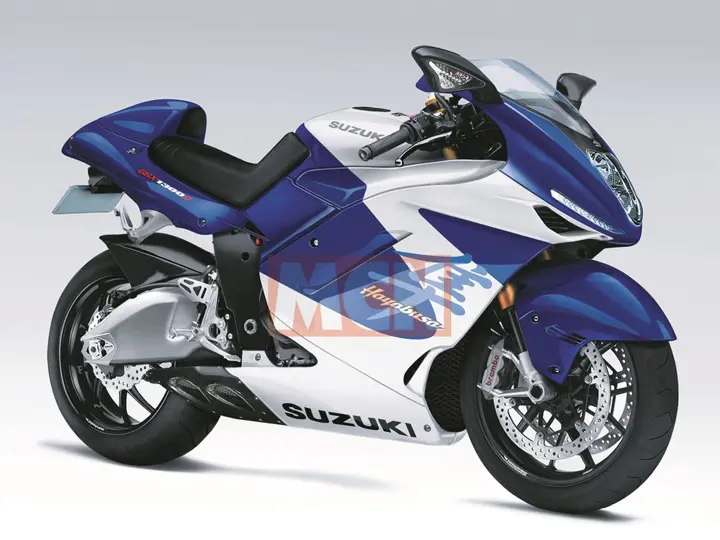 Suzuki Working on Next-Gen Hayabusa[/caption]
Hayabusa may carry a supercharger or turbocharger, depending upon what Suzuki finds easier to fit within the body fairing. If both are left behind, raising cubic capacity by almost 100cc will be required for sure. Getting more than 200 HP will be their most basic requirement. Suzuki will bring advanced electronic features like wheelie control, launch control, cornering ABS and much more will be on offer through the electronic package sharing between 2019 Hayabusa and Suzuki GSX-R1000. Suzuki will bring a sportier design, better brakes and use of lightweight materials to make the new Hayabusa more alive than the last generation model.
[caption id="attachment_195492" align="aligncenter" width="1000"]
Suzuki Working on Next-Gen Hayabusa[/caption]
Hayabusa may carry a supercharger or turbocharger, depending upon what Suzuki finds easier to fit within the body fairing. If both are left behind, raising cubic capacity by almost 100cc will be required for sure. Getting more than 200 HP will be their most basic requirement. Suzuki will bring advanced electronic features like wheelie control, launch control, cornering ABS and much more will be on offer through the electronic package sharing between 2019 Hayabusa and Suzuki GSX-R1000. Suzuki will bring a sportier design, better brakes and use of lightweight materials to make the new Hayabusa more alive than the last generation model.
[caption id="attachment_195492" align="aligncenter" width="1000"]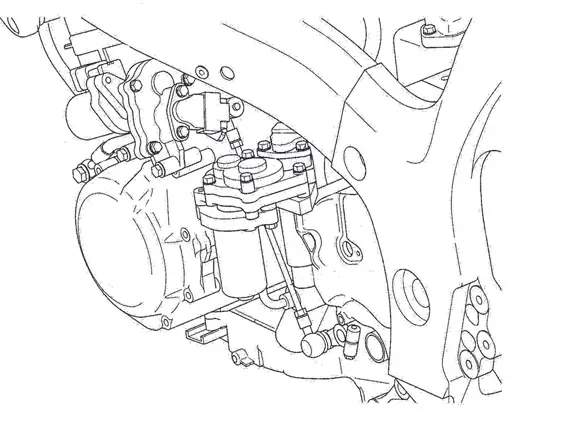 Suzuki planning to equip the 2019 model with semi-automatic gearbox[/caption]
2018 Suzuki Hayabusa is powered by a 1340cc, four cylinder engine producing 200 HP at 9500 rpm and 155 Nm at 7200 rpm. The engine comes mated to a 6-speed gearbox. The bike weighs 266 kg and carries a huge 21 liter fuel tank. Top speed is rated at 312 kmph while electronically limited value is 299 kmph. Hayabusa is a comfortable two seater machine that offers value for money through its INR 13.60 lakh price tag. The value is almost INR 6 lakh lower than Kawasaki Ninja ZX-14R. Next generation model may not carry such wide gap as it will definitely get a bigger price tag for India.
Suzuki planning to equip the 2019 model with semi-automatic gearbox[/caption]
2018 Suzuki Hayabusa is powered by a 1340cc, four cylinder engine producing 200 HP at 9500 rpm and 155 Nm at 7200 rpm. The engine comes mated to a 6-speed gearbox. The bike weighs 266 kg and carries a huge 21 liter fuel tank. Top speed is rated at 312 kmph while electronically limited value is 299 kmph. Hayabusa is a comfortable two seater machine that offers value for money through its INR 13.60 lakh price tag. The value is almost INR 6 lakh lower than Kawasaki Ninja ZX-14R. Next generation model may not carry such wide gap as it will definitely get a bigger price tag for India.
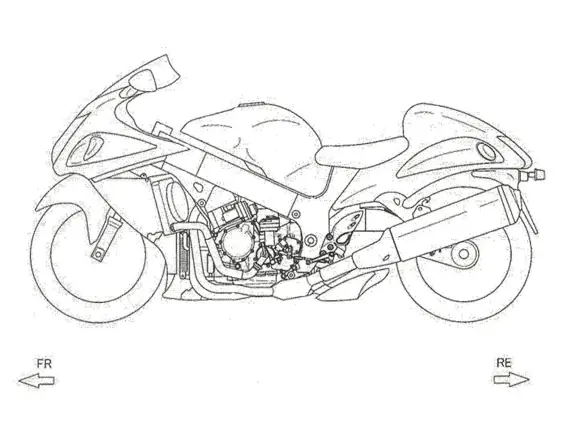 Source: MCN
Suzuki Working on Next-Gen Hayabusa[/caption]
Hayabusa may carry a supercharger or turbocharger, depending upon what Suzuki finds easier to fit within the body fairing. If both are left behind, raising cubic capacity by almost 100cc will be required for sure. Getting more than 200 HP will be their most basic requirement. Suzuki will bring advanced electronic features like wheelie control, launch control, cornering ABS and much more will be on offer through the electronic package sharing between 2019 Hayabusa and Suzuki GSX-R1000. Suzuki will bring a sportier design, better brakes and use of lightweight materials to make the new Hayabusa more alive than the last generation model.
[caption id="attachment_195492" align="aligncenter" width="1000"] Suzuki planning to equip the 2019 model with semi-automatic gearbox[/caption]
2018 Suzuki Hayabusa is powered by a 1340cc, four cylinder engine producing 200 HP at 9500 rpm and 155 Nm at 7200 rpm. The engine comes mated to a 6-speed gearbox. The bike weighs 266 kg and carries a huge 21 liter fuel tank. Top speed is rated at 312 kmph while electronically limited value is 299 kmph. Hayabusa is a comfortable two seater machine that offers value for money through its INR 13.60 lakh price tag. The value is almost INR 6 lakh lower than Kawasaki Ninja ZX-14R. Next generation model may not carry such wide gap as it will definitely get a bigger price tag for India.
Source: MCNAd
I
Immanuel Raja is an Automotive Writer with 8 years of experience covering the Indian automotive landscape. He specializes in Electric Vehicles and Hybrid Technology, with particular expertise in battery systems, charging infrastructure, and the integration of alternative powertrains in Indian road conditions. Raja has extensively tested over 200 vehicles across various segments, from entry-level EVs to premium hybrids, developing nuanced insights into their performance on India's diverse and challenging roads. His analysis encompasses both technical specifications and practical ownership considerations that matter to Indian consumers, including charging accessibility, maintenance costs, and performance in extreme weather conditions. With a finger on the pulse of India's evolving automotive preferences, Raja delivers clear, factual assessments that help readers navigate the transition to electrified mobility in the context of India's unique market dynamics.
About the Author
Explore the story
Related news

Comments
Share your view and join the discussion.
Start with:
Earn reward points for every comment and get a chance to win ₹1,000 in our weekly lucky draw. Sign in with Google in one tap.
Start the conversation
No one has commented on this article yet. Be the first to share your view.
Want to read more automotive news?
Stay updated with the latest car launches, reviews, and industry insights.
Browse All News