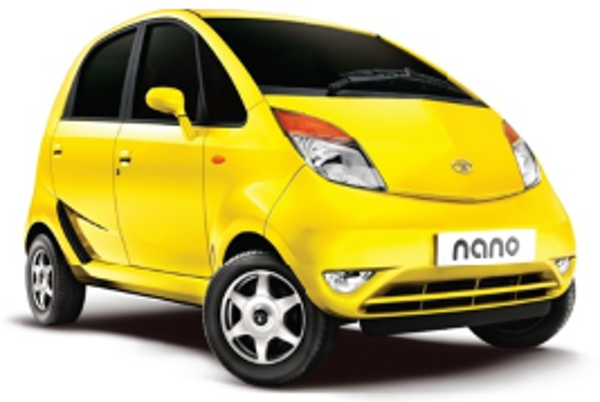
Tata Nano LX

General information and overview
The Tata Nano LX is a compact hatchback that was designed to be an ultra-affordable car for the Indian market. It comes with a 624cc, 2-cylinder petrol engine that produces 37 hp and 51 Nm of torque, paired with a 4-speed manual transmission. The car is known for its spacious interior, easy ingress and egress, and a tiny turning radius that makes it ideal for city driving. The LX variant includes features like air conditioning, fabric seats, and basic amenities that enhance comfort without breaking the bank. While it lacks advanced safety features and modern comforts, the Nano LX is reliable, easy to maintain, and offers good fuel efficiency, making it a practical choice for those looking for a simple, affordable vehicle. Its ability to cruise at moderate speeds and handle city traffic with ease further adds to its appeal as a daily commuter car.
Expert opinion and recommendation
The Tata Nano LX, although an older model, still holds its ground as a practical and efficient city car. My experience with the Nano LX has been mixed, but it is undeniable that it offers a unique blend of affordability, ease of handling, and fuel efficiency. The cars 624cc engine, producing 37 hp and 51 Nm of torque, is peppy in city driving, especially in the lower gears, but it shows its limitations on highways and in hilly terrain. The 4-speed manual transmission is simple but effective for urban use. While the Nano LX lacks modern safety features and advanced comforts, it compensates with its spacious cabin, convenient cubby holes, and an efficient air conditioner. For those seeking a no-frills, budget-friendly vehicle for daily city commutes, the Tata Nano LX remains a viable option, despite its age.
Recent news and announcements
No latest updates available
Check back later for updates
Pricing details and changes
The Tata Nano LX, although not currently in production, can still be found in the used car market. When it was available, the ex-showroom price for the Nano LX varied, but it generally fell in the range of Rs. 2.05 lakh to Rs. 2.97 lakh, depending on the variant and location. On-road prices, including taxes and other costs, would typically range from Rs. 2.3 lakh to Rs. 3.3 lakh. In todays market, prices for used models would be significantly lower, often starting from around Rs. 1 lakh to Rs. 2 lakh, depending on the condition and mileage of the vehicle. This makes the Nano LX an attractive option for those on a tight budget.
Fuel efficiency information
The Tata Nano LX offers impressive fuel efficiency, which is a significant factor for many buyers in India. According to ARAI, the petrol variant of the Nano LX provides a mileage of 25.4 kmpl, while the CNG variant offers up to 36 kmkg. In real-world conditions, users have reported mileage close to these figures, making it an economical choice for daily driving. This efficiency helps in keeping running costs low, which is a crucial consideration for budget-conscious buyers.
Specifications
- Boot Space
- 130.00 litres
- Ground Clearance
- 180.00 mm
- Engine cc (Displacement)
- 624 cc
- Maximum Power
- 34.5 HP @ 5250 rpm
- Maximum Torque
- 48 Nm @ 3000 rpm
- Fuel Tank Capacity
- 15.00 litres
- Kerb Weight
- 635.00 kg
- Top Speed
- 105 kmph
Pros(4)
Responsive Braking
Quick and efficient deceleration when brakes are applied
Excellent Mileage
Good Value for Money
Good Mileage
Cons(7)
Cramped Interiors
Underpowered Engine
Doubtful Build Quality
Permanently Discontinued
Limited Sales & Service Outlets
No Rear AC Vents
Petrol Engine Lacks Punch
Pricing Information
Ex-showroom prices across different cities
Ex-showroom price
No pricing information available for the selected cities.
User Reviews
Real experiences from Tata Nano LX owners
Based on 0 reviews
Rating Distribution
No reviews found
Be the first to review Tata Nano LX
User Discussions
Ask questions and get answers from the community
No questions yet
Be the first to ask a question about Tata Nano LX
Popular Comparisons
See how Tata Nano LX compares with other vehicles
No comparisons found
There are no popular comparisons available for Tata Nano LX at the moment.
Comparisons will appear here as they become available.
All Variants
Explore all variants of Nano (2010)
Complete Specifications
Tata Nano LX
- Overall Length
- 3099 mm
- Overall Width
- 1495 mm
- Overall Height
- 1652 mm
- Wheelbase
- 2230.0 mm
- Ground Clearance
- 180.00 mm
- Kerb Weight
- 635.00 kg
- Turning Radius
- 4.00 metres
- Mileage (City)
- 22.00 kmpl (approx.)
- Mileage (Highway)
- 26.0 kmpl (approx.)
- 0-60 kmph
- 8.00 seconds
- 0-100 kmph
- 12.5 seconds
- Engine cc (Displacement)
- 624 cc
- Maximum Power
- 34.5 HP @ 5250 rpm
- Maximum Torque
- 48 Nm @ 3000 rpm
- Engine Details
- 624cc, MPFi
- Car Variant
- 2010 Tata Nano LX
- Availability Status in India
- Discontinued
- Car Type
- Hatchback
- Fuel Type
- Petrol
- Latest Price in India
- Tata Nano LX price was INR 2.16 lakh before being discontinued.
- Top Speed
- 105 kmph
- Seating Capacity
- 4
- Boot Space
- 130.00 litres
- Fuel Tank Capacity
- 15.00 litres
- Xenon Headlamps
- Front Fog Lights
- Darkness Sensing Headlamps
- ORVM Turn Indicators
- Brakes
- Front Disk, Rear Drum
- Suspension
- Independent McPherson Struts, Coil Springs
- Trip Distance
- 2
- Tachometer
- Leather Seats
- Folding Rear Seats
- Rear Centre Armrest
- Driver Seat Adjustment
- Manual
- Electronic Brake Distribution (EBD)
- Anti-lock Braking System (ABS)
- Electronic Stability Program (ESP)
- Traction Control
- Music System
- Alloy Wheels
- Tyre Size
- 135/70 R12 - 155/65 R12
- Steering Adjustment (Rake)
- Steering Mounted Controls
- Rear AC Vents
- Remote Fuel Filler
- Steering Adjustment (Reach)
- Air Conditioner
- Power Steering
- Power
- Rear Defogger
- Rear Washer & Wiper
- Rain Sensing Wipers
- Power Windows
- Remote Boot Release
- Body Coloured Bumpers
- Outside Rear-view Mirrors
- Driver Side
- Tinted Glass
- Central Locking
- Manual
- Parking Sensors
- Sunroof
Expert Verdict
Professional reviews and expert opinions on Tata Nano LX
No content available for Models.ExpertReviews at the moment
Related Cars
Compare Tata Nano LX with these similar cars

PMV Electric Car Ease
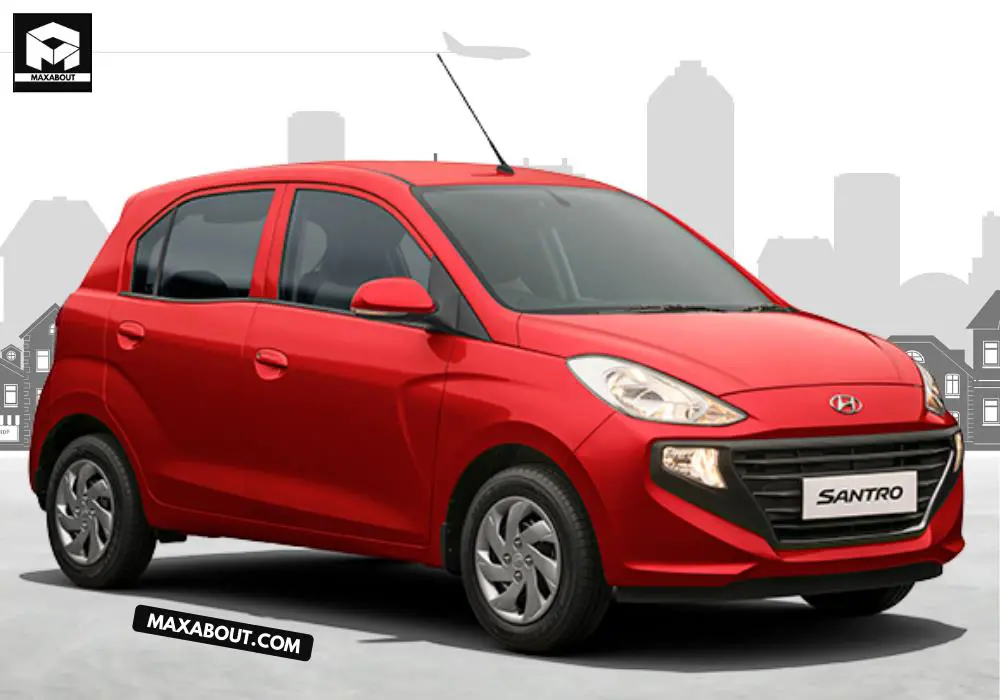
Hyundai Santro Santro Sportz

Tata Tiago Tiago XE
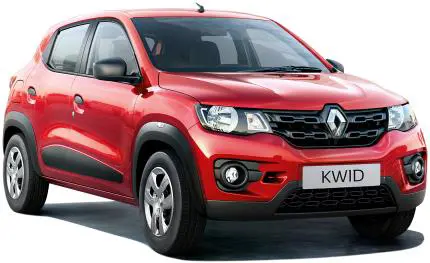
Renault KWID (2019) KWID RXT (O) (800cc)
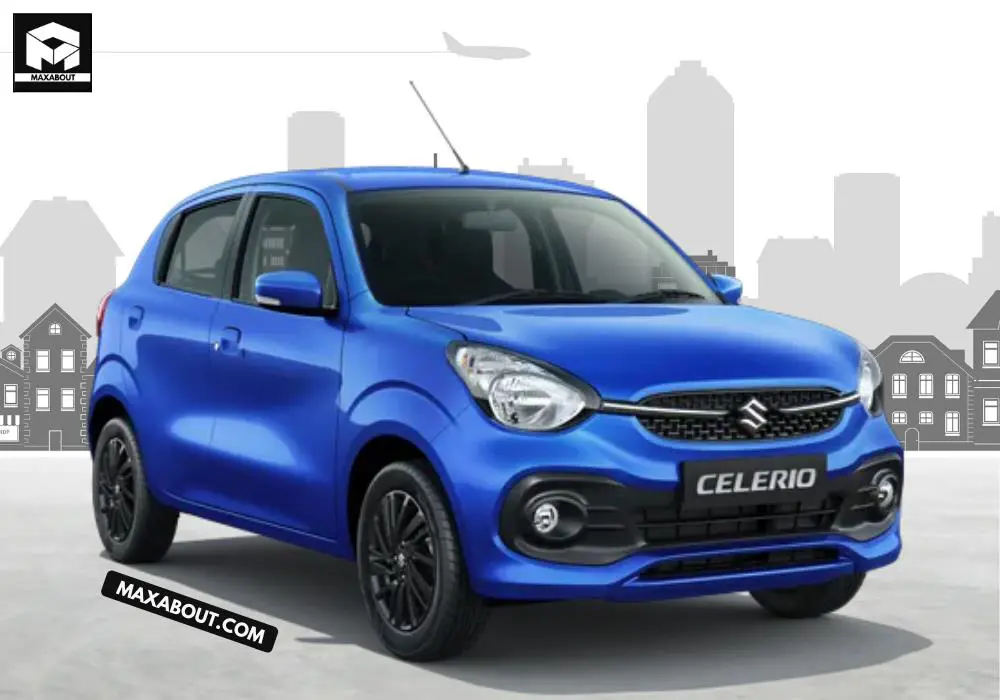
Maruti Celerio Celerio LXi

Maruti Alto Alto 800 VXi
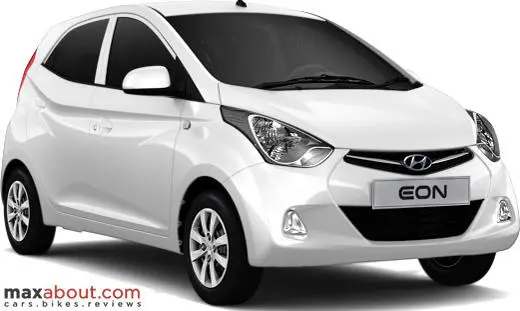
Hyundai Eon (2019) Eon Era Plus
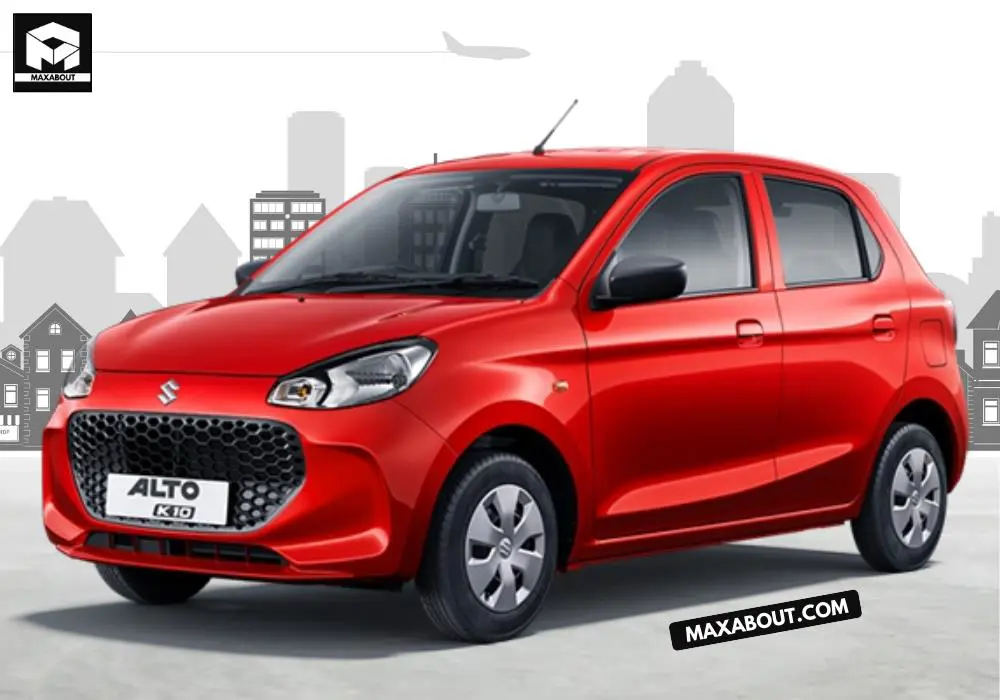
Maruti Alto K10 Alto K10 VXi
Share real ownership experiences, ask questions, and help other buyers decide.
Earn reward points for every comment and get a chance to win ₹1,000 in our weekly lucky draw. Sign in with Google in one tap.
eangine at the back.engine sounds like auto-rickshaw.weak body..................
So a person willing to buy a scooter can even buy tis one??????
Explore the color options available for Tata Nano LX
No color options available
Color information for this vehicle is not currently available in our database.
Tata Nano LX Images & Videos (1)
Watch reviews, test drives and walkarounds of Tata Nano LX
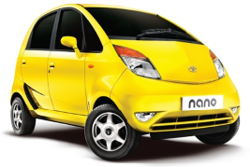
Tata Nano (2010) LX
Latest Tata News
Recent updates from Tata
Search: "Tata"




Latest Automotive News
Stay updated with the latest happenings in the automotive world


Most Popular Cars
Based on Cars Popular on Autos

Volvo EX60 SUV

Tata Tiago XZ Plus

Ashok Leyland Dost Strong LX

Land Rover Range Rover Evoque Petrol Coupe

Hyundai Creta EX

MG Hector SNOWSTORM
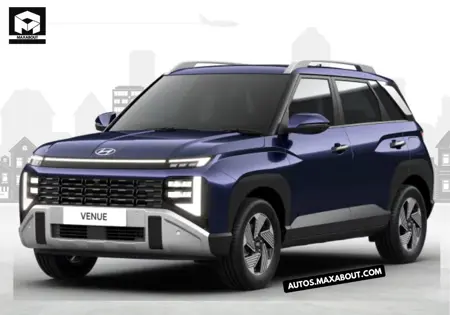
Hyundai Venue HX5 Plus Dual Tone

Maruti S-Presso VXi (O) CNG
Recently Added Cars
New Cars Added On Autos
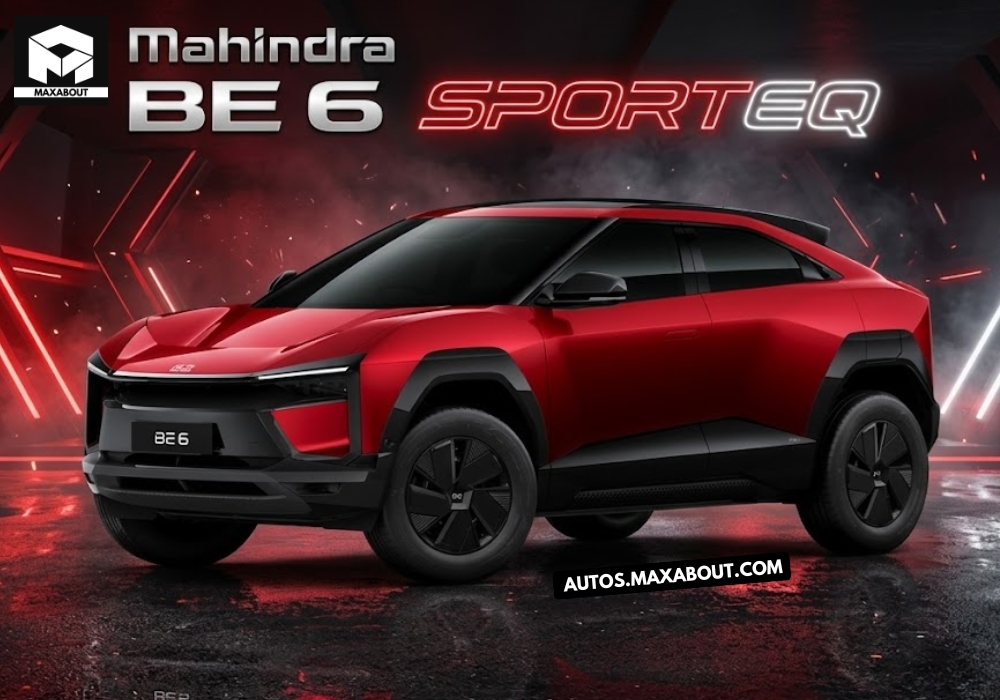
Mahindra Electric BE 6 SPORTEQ Launch Edition 79kWh

Mercedes GLC Electric
MG Hector SNOWSTORM
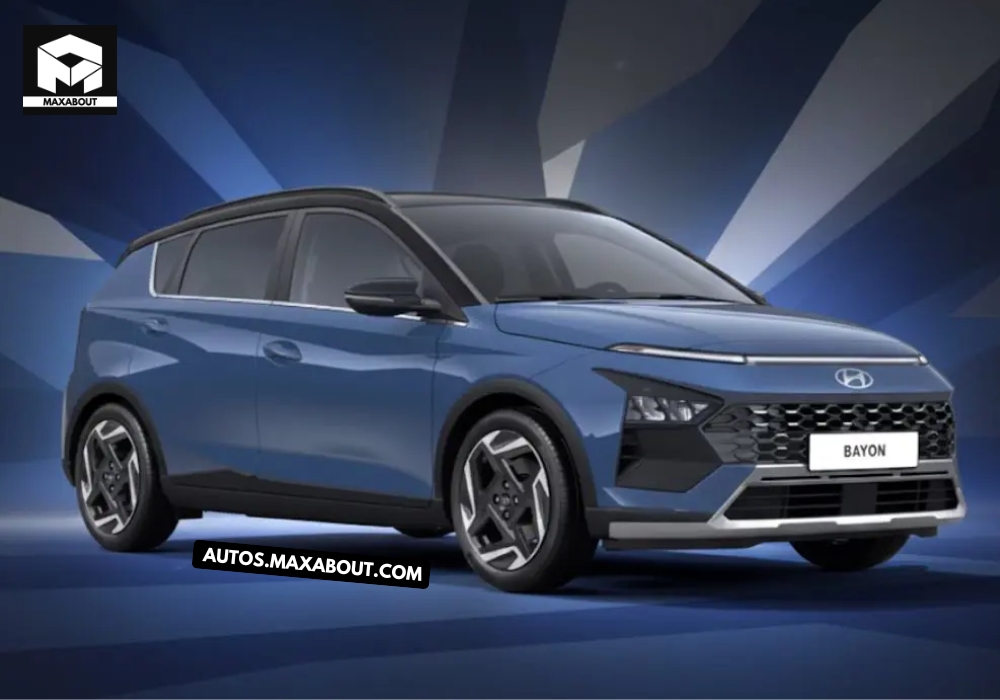
Hyundai Bayon

Honda Elevate VX
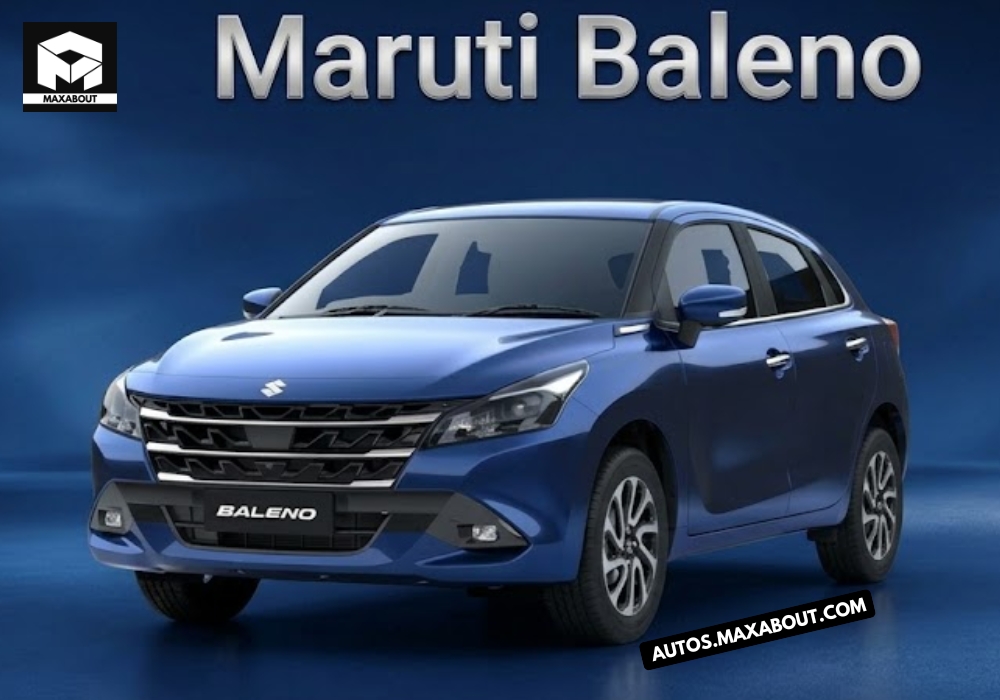
Maruti NEXA Baleno Alpha (O) AMT

Mercedes Maybach S-Class
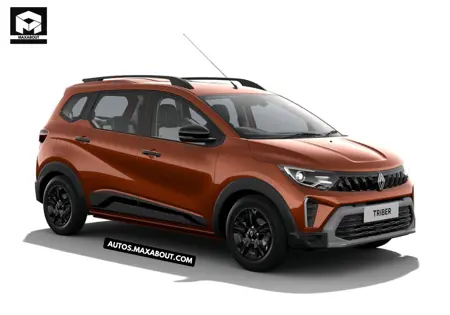
Renault Triber Emotion Tubro MT Dual Tone
Featured Cars
Our Editor's Choice
Mercedes GLC Electric
MG Hector SNOWSTORM
Hyundai Bayon
Mercedes Maybach S-Class
Renault Triber Emotion Tubro MT
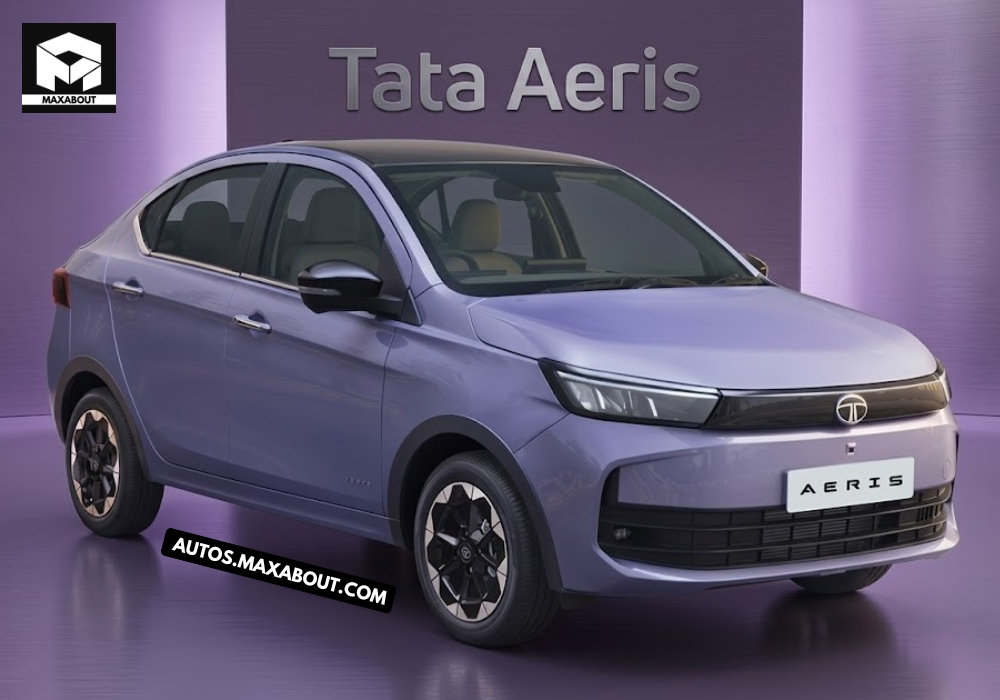
Tata Aeris Smart Petrol MT

Mahindra Thar 2.2L ZXT 4WD Diesel AT