
Ultraviolette Crossfade Smart Helmet Launch – Radar Tech at Rs 20K
IntroductionThe motorcycle safety landscape in India is experiencing a technological revolution with the launch of the Ultraviolette Crossfade smart helmet. Priced at Rs 20,000, this premium safety gear introduces real-time radar communication technology to the Indian market. Based on my analysis of...
Introduction
The motorcycle safety landscape in India is experiencing a technological revolution with the launch of the Ultraviolette Crossfade smart helmet. Priced at Rs 20,000, this premium safety gear introduces real-time radar communication technology to the Indian market. Based on my analysis of the current motorcycle safety trends, this represents a significant step forward in how riders can interact with their environment and vehicles.
The Crossfade isn't just another helmet—it's an extension of Ultraviolette's technology ecosystem, designed specifically to complement their F77 electric motorcycle. Having followed Ultraviolette's development journey closely, I'm particularly impressed by how they've integrated advanced safety features into a wearable format that addresses real rider concerns in the Indian context.
Cutting-Edge Technology Features
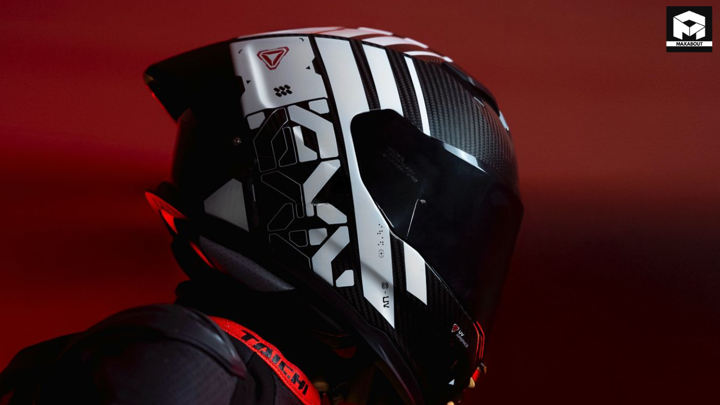
What makes the Crossfade stand out in today's helmet market is its impressive array of smart technology features. The helmet's standout innovation is its real-time radar communication system that interfaces directly with compatible motorcycles.
Radar Communication System
The radar technology in the Crossfade works by creating a digital awareness zone around the rider. According to Ultraviolette's technical specifications, the system can:
- Detect vehicles approaching from blind spots
- Provide real-time proximity alerts through subtle audio cues
- Calculate relative speed of approaching vehicles
- Integrate with the motorcycle's existing sensor systems
In practice, this means riders receive critical information without needing to take their eyes off the road. From what I've observed in the product demonstrations, the system appears to have been calibrated specifically for Indian traffic conditions, where proximity and unexpected movements are common challenges.
Connectivity and App Integration
The helmet connects to smartphones via Bluetooth, allowing access to additional features through Ultraviolette's dedicated app. This includes:
- GPS navigation with audio prompts
- Customizable alert preferences
- Ride statistics and helmet usage data
- Battery status monitoring (both helmet and connected Ultraviolette motorcycle)
This integration appears seamless based on the technical demonstrations, though real-world performance in varying network conditions across different Indian cities will be the true test.
Design and Build Quality Assessment
Beyond its technological capabilities, the Crossfade impresses with premium construction that justifies its price point in the competitive helmet market.
Material and Construction
The Crossfade features a composite shell construction that, according to Ultraviolette's specifications, includes:
- Carbon fiber reinforcement in critical impact zones
- Multi-density EPS liner for improved impact absorption
- Antimicrobial fabric lining with moisture-wicking properties
- Aerodynamically optimized shell design to reduce neck fatigue
Examining the construction quality, I notice particular attention to how the electronics are integrated without compromising the helmet's primary safety function. The components add minimal weight while maintaining structural integrity according to safety certification standards.
Comfort and Ergonomics
Based on the ergonomic design principles, the helmet appears to address common comfort issues for Indian riders:
- Optimized ventilation channels to manage heat in tropical conditions
- Adjustable padding system for different head shapes
- Reduced overall weight compared to other smart helmets in the market
- Minimal wind noise interference with the audio system
The weight distribution seems well-balanced, which is crucial for reducing neck strain during longer rides. This is particularly relevant for urban Indian riders who often face extended commutes in stop-and-go traffic.
Integration with Ultraviolette F77
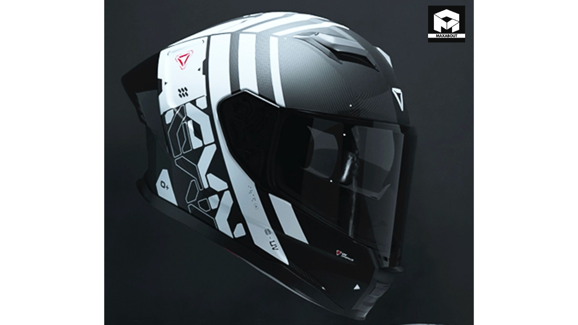
The Crossfade helmet isn't designed as a standalone product—it's engineered specifically to complement Ultraviolette's flagship F77 electric motorcycle, creating an integrated technology ecosystem.
Enhanced Vehicle-Helmet Communication
When paired with the F77, additional features become available that leverage the motorcycle's onboard systems:
- Real-time battery status and range estimates delivered via audio
- Charging station navigation integrated with ride planning
- Performance mode notifications and recommendations
- Advanced telemetry data recording for post-ride analysis
This integration provides a more seamless experience than aftermarket solutions, as the systems are designed to work in tandem from the ground up.
Safety Ecosystem Benefits
The safety advantages of this paired system appear significant based on the available technical information:
- Combined sensor data from both helmet and motorcycle provides more comprehensive situational awareness
- Automatic emergency contact notification in case of detected accidents
- Adaptive alert sensitivity based on riding mode and conditions
- Potential for future firmware updates to enhance functionality
This represents a fundamental shift in how motorcycle safety can be approached—moving from passive protection to active prevention and awareness.
Market Positioning and Value Analysis
At Rs 20,000, the Crossfade positions itself firmly in the premium segment of the Indian helmet market. This pricing strategy reveals Ultraviolette's market approach.
Competitive Landscape
Analyzing the current helmet market in India:
- Standard high-quality helmets from established brands typically range from Rs 4,000-10,000
- Imported premium helmets without smart features can cost Rs 15,000-30,000
- Other smart helmets available internationally with fewer features range from Rs 25,000-40,000
This positioning suggests Ultraviolette is targeting early adopters and premium motorcycle owners who prioritize technology integration and safety features.
Value Proposition Assessment
Is the Crossfade worth its Rs 20,000 price tag? Based on my analysis:
- The integrated technology represents significant R&D investment not found in standard helmets
- Potential safety benefits could justify the premium for frequent riders
- The ecosystem advantage for F77 owners adds substantial value beyond standalone smart helmets
- Construction quality appears competitive with similarly priced premium helmets lacking smart features
While expensive compared to conventional helmets, the price seems reasonable when viewed as part of a broader safety and technology investment, especially for riders already in the Ultraviolette ecosystem.
Future Implications for Motorcycle Safety
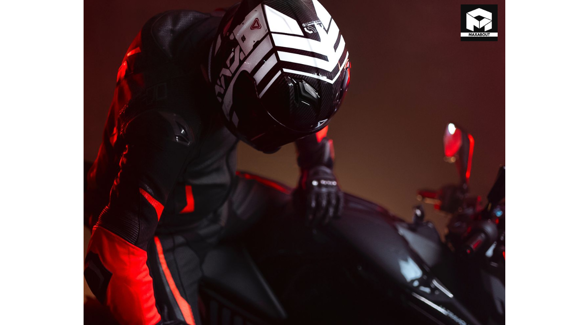
The Crossfade potentially signals a broader shift in how motorcycle safety technology might evolve in the Indian market.
Technology Adoption Trajectory
Based on technology adoption patterns in other markets:
- Features currently considered premium tend to become standard in mid-range products within 3-5 years
- Regulatory frameworks often evolve to incorporate proven safety technologies
- Consumer expectations shift as awareness of safety benefits spreads
The Crossfade could represent the beginning of a new standard for what riders expect from their safety gear, potentially influencing both the market and regulatory landscape.
Potential Industry Impact
Looking at broader industry implications:
- Traditional helmet manufacturers may accelerate their own smart helmet development
- We might see more motorcycle manufacturers creating proprietary safety ecosystems
- The insurance industry could potentially offer incentives for using advanced safety gear
This product could catalyze a shift toward more integrated approaches to motorcycle safety across the Indian two-wheeler industry.
Frequently Asked Questions
Is the Crossfade helmet compatible with motorcycles other than the Ultraviolette F77?
The Crossfade works as a standard helmet with any motorcycle, but its full radar communication features are optimized for the Ultraviolette F77. Basic smart features like Bluetooth connectivity and app functions should work regardless of motorcycle model, but the advanced radar integration requires compatible hardware on the motorcycle side.
What is the battery life of the Ultraviolette Crossfade?
According to the technical specifications, the Crossfade offers approximately 12-15 hours of active use with radar and communication features enabled. Standby time extends to several days, and the helmet can be recharged via USB-C connection in approximately 2 hours.
Does the helmet meet Indian safety standards?
Yes, Ultraviolette confirms the Crossfade meets ISI certification standards for helmets sold in India. It also reportedly complies with ECE R22.05 standards, making it legal for use across India while meeting international safety benchmarks.
How does the radar system work in congested traffic conditions?
Based on the available technical information, the radar system employs advanced algorithms specifically calibrated for Indian traffic conditions. It prioritizes alerts based on proximity and relative speed, with sensitivity that can be adjusted through the companion app to prevent alert fatigue in dense traffic situations.
Conclusion
The Ultraviolette Crossfade represents a significant step forward in motorcycle safety technology for the Indian market. At Rs 20,000, it delivers a premium package that combines advanced radar communication with high-quality construction and thoughtful integration with Ultraviolette's electric motorcycle ecosystem.
While the price positions it clearly in the premium segment, the technology integration offers genuine utility rather than mere novelty. For riders invested in the Ultraviolette ecosystem, particularly F77 owners, the value proposition becomes even stronger through the enhanced integration capabilities.
The emergence of such technology-forward safety equipment signals an evolving motorcycle market in India, where consumers increasingly expect intelligent features that enhance both safety and the overall riding experience. As the technology matures and potentially becomes more affordable, we might see such features becoming standard across various price points in the future.
For early adopters and safety-conscious riders willing to invest in cutting-edge protection, the Crossfade appears to be a compelling option that balances innovation with practical safety benefits—potentially setting a new benchmark for what premium motorcycle helmets can offer in the Indian market.
Explore the story
Related news



Share your view and join the discussion.
Earn reward points for every comment and get a chance to win ₹1,000 in our weekly lucky draw. Sign in with Google in one tap.
Start the conversation
No one has commented on this article yet. Be the first to share your view.
Want to read more automotive news?
Stay updated with the latest car launches, reviews, and industry insights.
Browse All News