
Two-Wheeler CAFE Norms India: Bike And Scooter Efficiency Rules Enter Consultation
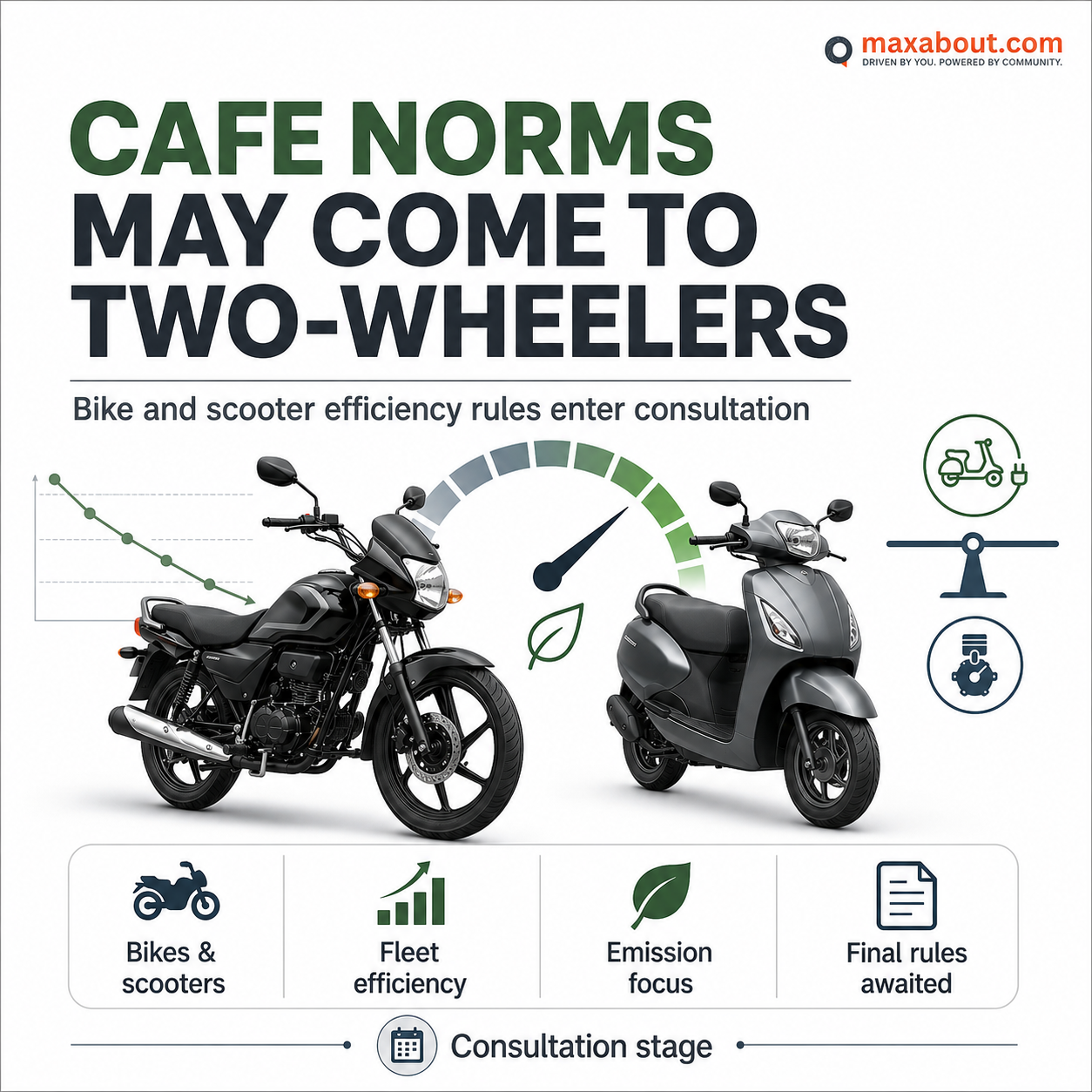
India has started consultations to frame CAFE norms for two-wheelers, bringing bikes and scooters into a wider fuel-efficiency and emissions-policy discussion. The final rules are not notified yet, but the move is important because India’s two-wheeler market is massive, price-sensitive and central t...
Editorial Team
India has started consultations to frame CAFE norms for two-wheelers, bringing bikes and scooters into a wider fuel-efficiency and emissions-policy discussion. The final rules are not notified yet, but the move is important because India’s two-wheeler market is massive, price-sensitive and central to everyday commuting.
What You Need To Know
The government has begun consultations to create Corporate Average Fuel Efficiency norms for two-wheelers.
The discussion is linked to emissions concerns, especially around older two-wheeler models.
The final timeline, category thresholds, calculation method and penalties are still awaited.
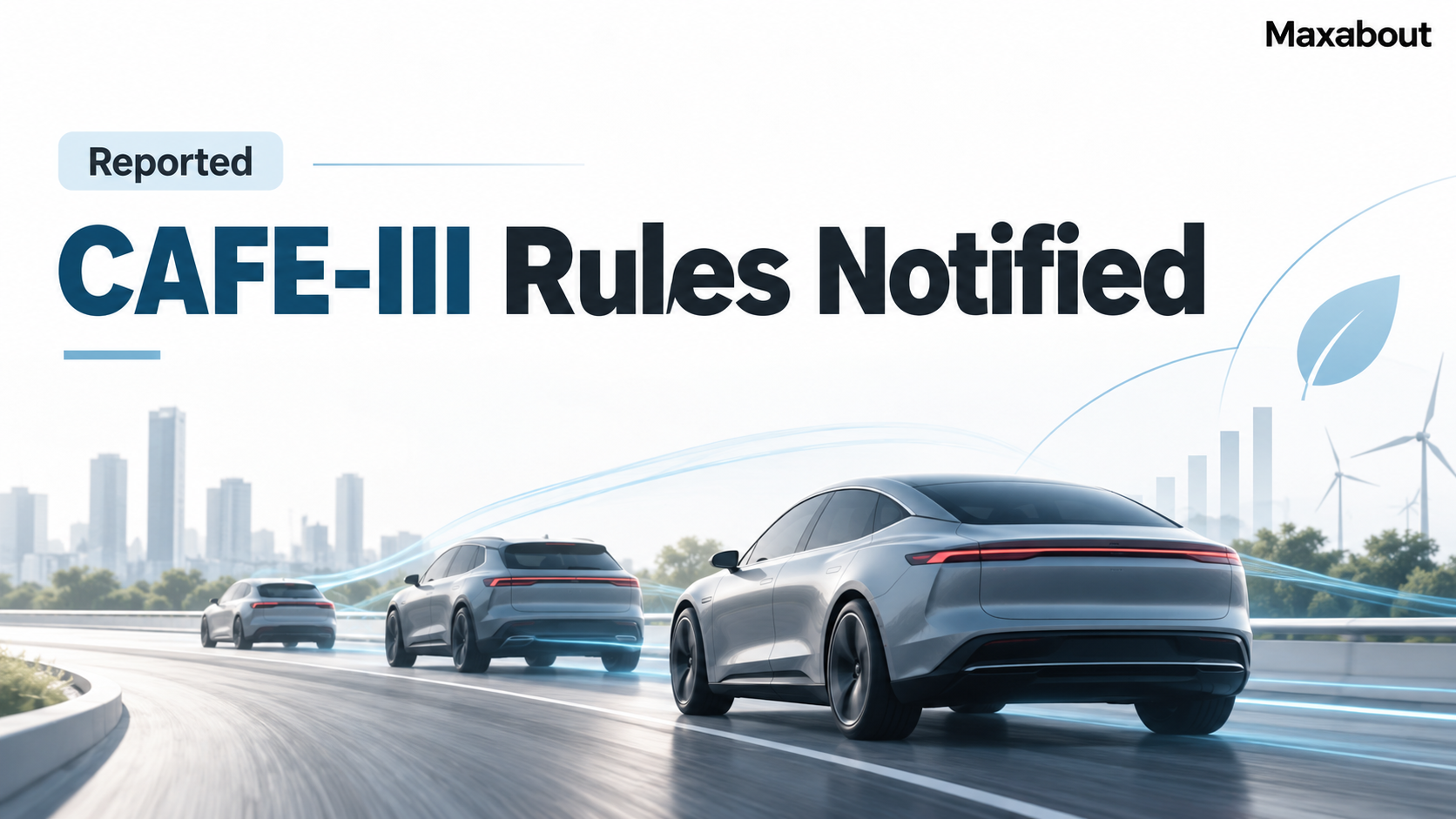
Four-wheeler CAFE III consultation is reported as complete, with a final decision pending.
What Are CAFE Norms?
CAFE stands for Corporate Average Fuel Efficiency. Instead of checking just one model in isolation, a CAFE-style framework can look at a manufacturer’s broader fleet average. In simple terms, it encourages companies to sell a cleaner and more efficient mix of vehicles.
For two-wheelers, this could eventually influence commuter motorcycles, scooters and the way manufacturers balance petrol models with electric options. The exact impact will depend on the final rules, which are not available yet.
Why This Matters In India
Two-wheelers dominate personal mobility in India. Millions of buyers depend on commuter bikes and scooters for daily travel, so even small changes in fuel efficiency, emissions strategy or EV positioning can have a large market impact.
The policy conversation also matters because two-wheelers are not all the same. A low-cost commuter bike, performance motorcycle, petrol scooter and electric scooter have very different use cases. A good final framework will need to account for those differences without making affordable mobility unnecessarily expensive.
Current Status And Unknowns
| Area | Status |
|---|---|
| Policy stage | Consultation has begun |
| Vehicle category | Two-wheelers, including bikes and scooters |
| Final rules | Not notified yet |
| Unknown details | Timeline, thresholds, calculation method, penalties and category treatment |
| Possible related idea | Industry discussion around better regulation and electric two-wheeler rating systems |
What It Could Mean For Buyers
Nothing changes overnight for customers because the rules are still under consultation. Over time, however, stronger efficiency norms could push manufacturers toward cleaner engines, improved calibration, lighter platforms and stronger electric-scooter positioning.
Buyers should watch the final notification closely. If the rules are aggressive, the market may see quicker upgrades in commuter efficiency. If they are gradual, the impact may be more visible in future model cycles rather than immediate showroom prices.
What It Could Mean For Manufacturers
For manufacturers, two-wheeler CAFE norms could make fleet planning more complex. Companies may need to balance high-volume commuter models, premium motorcycles, scooters and EVs to meet future average-efficiency targets.
The final design of the rules will decide whether the framework encourages cleaner ICE technology, faster EV adoption, or both. Until the draft details are public, any model-specific impact should be treated as speculative.
FAQs
Are two-wheeler CAFE norms already active in India?
No. The current update is about consultations to frame norms. Final rules and timelines are still awaited.
Will bike and scooter prices rise?
There is no confirmed price impact yet. Prices would depend on final targets, technology changes, compliance costs and manufacturer strategy.
Will this push electric two-wheelers?
It could strengthen the case for EVs, but the final rules will decide how much weight electric models receive in a fleet-efficiency framework.
The consultation on two-wheeler CAFE norms is an early but important policy signal. If designed well, it can improve efficiency and emissions outcomes while keeping India’s bike and scooter market practical for daily commuters.
Explore the story
Related news

Share your view and join the discussion.
Earn reward points for every comment and get a chance to win ₹1,000 in our weekly lucky draw. Sign in with Google in one tap.
Start the conversation
No one has commented on this article yet. Be the first to share your view.
Want to read more automotive news?
Stay updated with the latest car launches, reviews, and industry insights.
Browse All News