
3 min read
630 views
Quick Comparison: Kawasaki Ninja H2R vs BMW HP4 Race
Kawasaki Ninja H2R vs BMW HP4 Race (Quick Comparison): The 2019 model of Ninja H2R rivals BMW HP4 Race in the Indian market. H2R is supercharged and proves its worth by pushing 326 PS of maximum power out of the 998cc engine. No other production motorcycle has ever reached this mark. All this comes ...
Kawasaki Ninja H2R vs BMW HP4 Race (Quick Comparison): The 2019 model of Ninja H2R rivals BMW HP4 Race in the Indian market. H2R is supercharged and proves its worth by pushing 326 PS of maximum power out of the 998cc engine. No other production motorcycle has ever reached this mark. All this comes with a wet weight of 216 kg, resulting in the most extreme output of 1.50 PS/kg. In comparison to the H2R, BMW H4 Race is more focused on weight reduction and claims an output of 1.25 PS/kg of body weight.
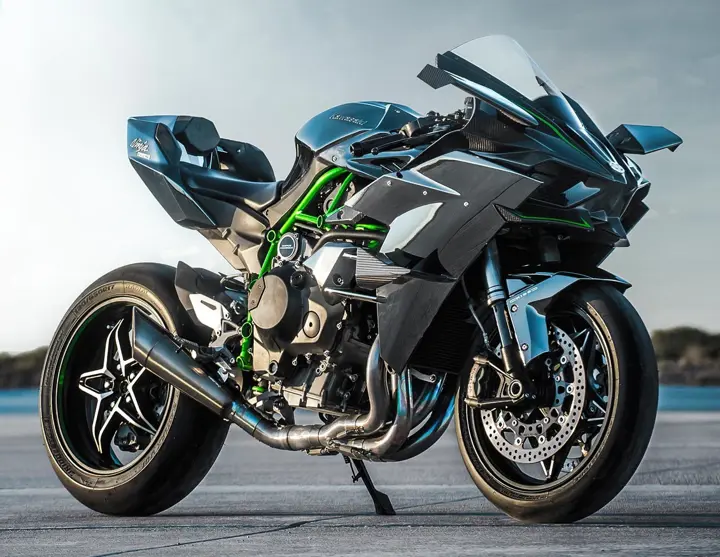 The regular litre-class motorcycles mostly achieve 1:1 ratio while these two have a 1.50:1 and 1.25:1 ratio. Both the motorcycles are track-specific examples of their respective road versions. Kawasaki and BMW are using the most expensive parts available for the top-spec products. However, the CBU route doubles the price tag by adding a 100% tax on the price of these two bikes. Kawasaki Ninja H2R costs INR 72 lakh while BMW HP4 Race costs INR 86.70 lakh in India.
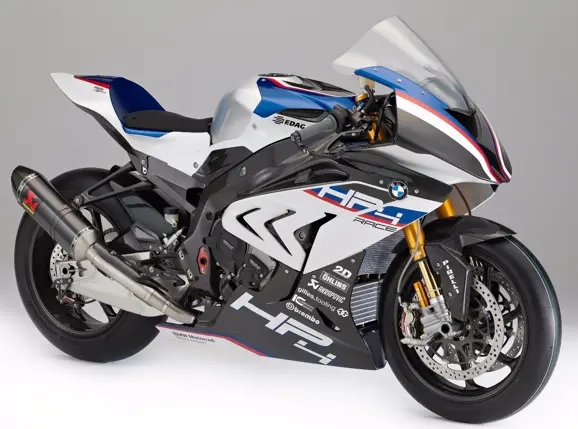
The regular litre-class motorcycles mostly achieve 1:1 ratio while these two have a 1.50:1 and 1.25:1 ratio. Both the motorcycles are track-specific examples of their respective road versions. Kawasaki and BMW are using the most expensive parts available for the top-spec products. However, the CBU route doubles the price tag by adding a 100% tax on the price of these two bikes. Kawasaki Ninja H2R costs INR 72 lakh while BMW HP4 Race costs INR 86.70 lakh in India.
Kawasaki Ninja H2R vs BMW HP4 Race
Engine & Performance
Kawasaki Ninja H2R
- Displacement: 998cc (Supercharged)
- No. of Cylinders: In-Line 4
- Max Power: 310 PS @ 14,000 rpm
- With RAM Air: 326 PS @ 14,000 rpm
- Max Torque: 165 NM @ 12,500 rpm
- Gearbox: 6-Speed
- Cooling: Liquid-Cooled
- Fuel Supply: Dual Fuel Injection
- Top Speed: 400 kmph (Closed Track)
BMW HP4 Race
- Displacement: 999cc
- No. of Cylinders: In-Line 4
- Max Power: 215 PS @ 13,900 rpm
- Max Torque: 120 NM @ 10,000 rpm
- Gearbox: 6-Speed
- Cooling: Liquid-Cooled
- Fuel Supply: Electronic Racing Injection
- Top Speed: 330 kmph (Approximate)
Brakes & Suspension
Kawasaki Ninja H2R
- Front Brake: Dual 330mm Disc (Brembo)
- Rear Brake: 250mm Single Disc (Brembo)
- Kawasaki Intelligent Dual Channel ABS
- Front Suspension: 43mm USD Forks
- Rear Suspension: Öhlins TTX 36 Monoshock
BMW HP4 Race
- Front Brake: Dual 320mm Discs (Brembo)
- Rear Brake: 220mm Single Disc (Brembo)
- BMW-Motorrad Race Dual Channel ABS
- Front Suspension: Öhlins FGR 300 WSBK USD Forks
- Rear Suspension: Öhlins TTX 36 GP Monoshock
Tyres & Frame
Kawasaki Ninja H2R
- Front Tyre: 120/70 ZR17
- Rear Tyre: 190/65 ZR17
- Pirelli Diablo Slick SC2 Tyres
- Frame: Trellis
BMW HP4 Race
- Front Tyre: 120/70 ZR17
- Rear Tyre: 200/60 ZR17
- Pirelli Diablo Slick SC2 Tyres
- Frame: Carbon Monocoque
Dimensions & Weight
Kawasaki Ninja H2R
- Length: 2070mm
- Width: 850mm
- Height: 1160mm
- Seat Height: 830mm
- Wheelbase: 1450mm
- Ground Clearance: 130mm
- Kerb Weight: 216 kg
- Tank Capacity: 17-litres
BMW HP4 Race
- Length: 2070mm
- Width: 777mm
- Height: 1193mm
- Seat Height: 831mm
- Wheelbase: 1440mm
- Ground Clearance: 140mm
- Kerb Weight: 171.4 kg
- Tank Capacity: 17.5-litres
Ex-Showroom Price
- Kawasaki Ninja H2R: INR 72 lakh
- BMW HP4 Race: INR 86.70 lakh
Ad
I
Immanuel Raja is an Automotive Writer with 8 years of experience covering the Indian automotive landscape. He specializes in Electric Vehicles and Hybrid Technology, with particular expertise in battery systems, charging infrastructure, and the integration of alternative powertrains in Indian road conditions. Raja has extensively tested over 200 vehicles across various segments, from entry-level EVs to premium hybrids, developing nuanced insights into their performance on India's diverse and challenging roads. His analysis encompasses both technical specifications and practical ownership considerations that matter to Indian consumers, including charging accessibility, maintenance costs, and performance in extreme weather conditions. With a finger on the pulse of India's evolving automotive preferences, Raja delivers clear, factual assessments that help readers navigate the transition to electrified mobility in the context of India's unique market dynamics.
About the Author
Explore the story
Related news
Comments
Share your view and join the discussion.
Start with:
Earn reward points for every comment and get a chance to win ₹1,000 in our weekly lucky draw. Sign in with Google in one tap.
Start the conversation
No one has commented on this article yet. Be the first to share your view.
Want to read more automotive news?
Stay updated with the latest car launches, reviews, and industry insights.
Browse All News