
2 min read
375 views
Mitsubishi Eclipse Cross is Coming to India in 2020
At the launch event of the third generation of the Outlander, Mitsubishi announced that two new vehicles will be launched in India as well in the coming few years. With the launch of the Outlander that will rival the CR-V at a price of INR 31.95 lakh (ex-showroom Delhi), the company has targeted ano...
At the launch event of the third generation of the Outlander, Mitsubishi announced that two new vehicles will be launched in India as well in the coming few years. With the launch of the Outlander that will rival the CR-V at a price of INR 31.95 lakh (ex-showroom Delhi), the company has targeted another segment, which is currently dominated by the Jeep Compass. This will be done by the Eclipse Cross, which Mitsubishi plans to bring to India by 2020. The Eclipse Cross was first revealed to the world back in 2017 at the Geneva Motor Show.
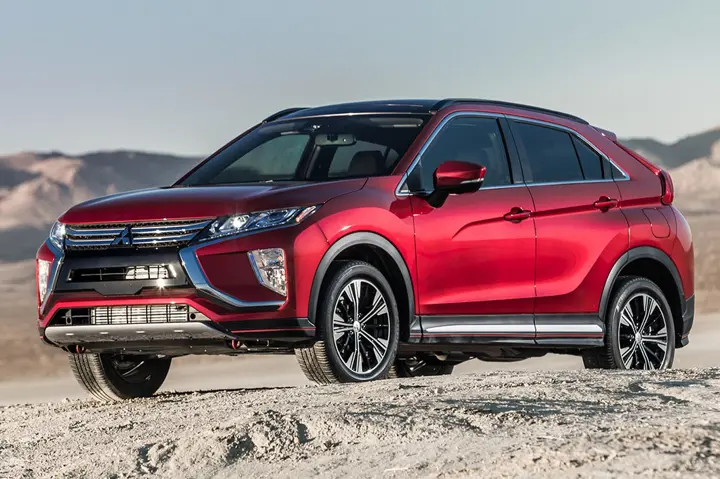 Keeping the Jeep Compass in mind, Mitsubishi has brought a product that is longer and taller and also has a longer wheelbase. The one place that the Compass will overpower the Eclipse Cross is in the width, where the Compass is 13mm wider. The Eclipse looks quite like the Outlander and appears to be sportier than its elder sibling due to its coupe-like silhouette. The taillights are stretched at the back, with a central-mounted stop light.
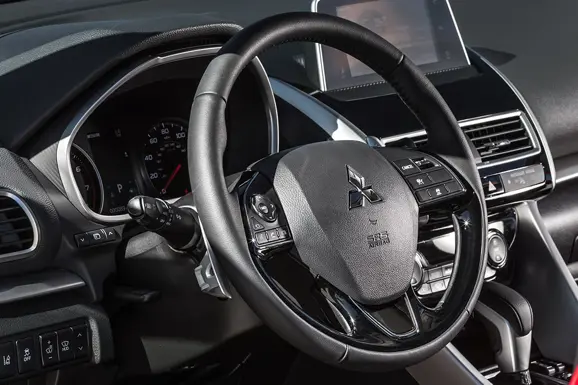 Currently, the Mitsubishi Eclipse is available in the global markets with only a petrol engine with 1.5-liter displacement capacity that produces a maximum power of 152 HP and a peak torque of 250 Nm. A diesel engine with 2.2-liter displacement capacity is under development. Transmission currently includes only a CVT but the diesel engine will feature an 8-speed automatic gearbox. Indian markets are expected to receive both the engine options, with their respective transmissions. Internationally, the Eclipse Cross is available in both 2WD and 4WD variants, and the Indian markets are expected to receive them too.
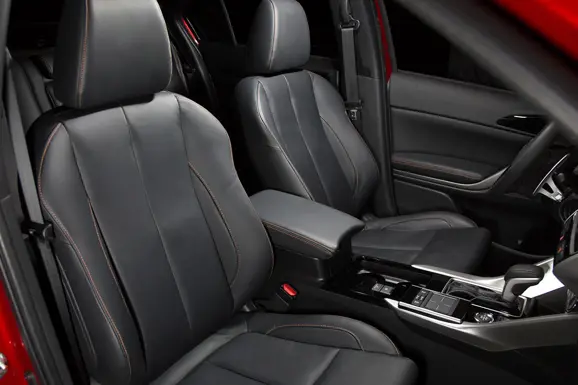 The dominant feature in the interior is the 7-inch touchscreen infotainment system, which will have support for Android Auto and Apple CarPlay. Other features include a heads-up display, a dual-zone climate control, and a Rockford Fosgate music system. The price is expected to start from INR 18 lakh if the company truly wants to compete with the Jeep Compass. For this, they will have to manufacture the Eclipse in India rather than have it as a CBU import. It will also rival the XUV500, the Hyundai Tucson, the Tata Harrier, and the Skoda Kodiaq.
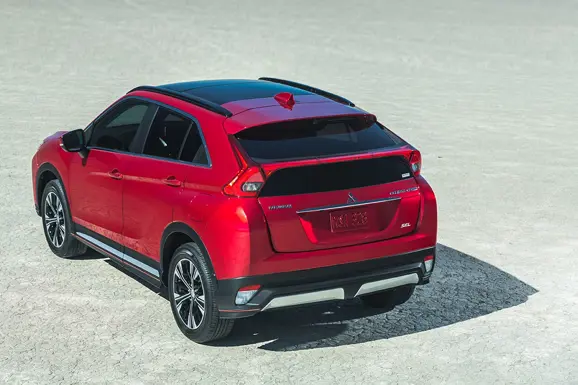
Keeping the Jeep Compass in mind, Mitsubishi has brought a product that is longer and taller and also has a longer wheelbase. The one place that the Compass will overpower the Eclipse Cross is in the width, where the Compass is 13mm wider. The Eclipse looks quite like the Outlander and appears to be sportier than its elder sibling due to its coupe-like silhouette. The taillights are stretched at the back, with a central-mounted stop light.
Currently, the Mitsubishi Eclipse is available in the global markets with only a petrol engine with 1.5-liter displacement capacity that produces a maximum power of 152 HP and a peak torque of 250 Nm. A diesel engine with 2.2-liter displacement capacity is under development. Transmission currently includes only a CVT but the diesel engine will feature an 8-speed automatic gearbox. Indian markets are expected to receive both the engine options, with their respective transmissions. Internationally, the Eclipse Cross is available in both 2WD and 4WD variants, and the Indian markets are expected to receive them too.
The dominant feature in the interior is the 7-inch touchscreen infotainment system, which will have support for Android Auto and Apple CarPlay. Other features include a heads-up display, a dual-zone climate control, and a Rockford Fosgate music system. The price is expected to start from INR 18 lakh if the company truly wants to compete with the Jeep Compass. For this, they will have to manufacture the Eclipse in India rather than have it as a CBU import. It will also rival the XUV500, the Hyundai Tucson, the Tata Harrier, and the Skoda Kodiaq.
Ad
I
Immanuel Raja is an Automotive Writer with 8 years of experience covering the Indian automotive landscape. He specializes in Electric Vehicles and Hybrid Technology, with particular expertise in battery systems, charging infrastructure, and the integration of alternative powertrains in Indian road conditions. Raja has extensively tested over 200 vehicles across various segments, from entry-level EVs to premium hybrids, developing nuanced insights into their performance on India's diverse and challenging roads. His analysis encompasses both technical specifications and practical ownership considerations that matter to Indian consumers, including charging accessibility, maintenance costs, and performance in extreme weather conditions. With a finger on the pulse of India's evolving automotive preferences, Raja delivers clear, factual assessments that help readers navigate the transition to electrified mobility in the context of India's unique market dynamics.
About the Author
Explore the story
Related news
Comments
Share your view and join the discussion.
Start with:
Earn reward points for every comment and get a chance to win ₹1,000 in our weekly lucky draw. Sign in with Google in one tap.
Start the conversation
No one has commented on this article yet. Be the first to share your view.
Want to read more automotive news?
Stay updated with the latest car launches, reviews, and industry insights.
Browse All News