
2 min read
251 views
Michelin Uptis Puncture-Proof Airless Tyre [All You Need to Know]
Michelin Uptis Puncture-Proof Airless Tyre [All You Need to Know]: Back in June 2019, Michelin introduced a new generation of airless tyres named Uptis. It stands for 'Unique Puncture Proof Tire System'. Michelin has partnered with General Motors to road test the new airless tyre prototype on Chevy ...
Michelin Uptis Puncture-Proof Airless Tyre [All You Need to Know]: Back in June 2019, Michelin introduced a new generation of airless tyres named Uptis. It stands for 'Unique Puncture Proof Tire System'. Michelin has partnered with General Motors to road test the new airless tyre prototype on Chevy Bolt EV. This is indeed a revolutionary new tyre and is expected to be commercially available for passenger cars from the year 2024.
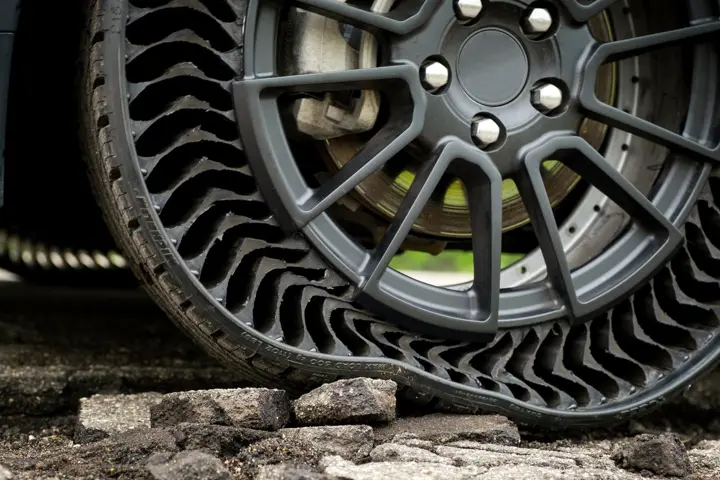 The puncture-proof tyre is based on the ‘Tweel’ concept developed by the company, which means that these airless tyres won't be able to burst, leak pressure, or become flat. The company claims that this tyre could save 2 million tons of wasted material per year. The innovative technology makes this tyre safer, more efficient, and environmentally beneficial. The field tests for this tyre have already begun on the Chevrolet Bolt EV.
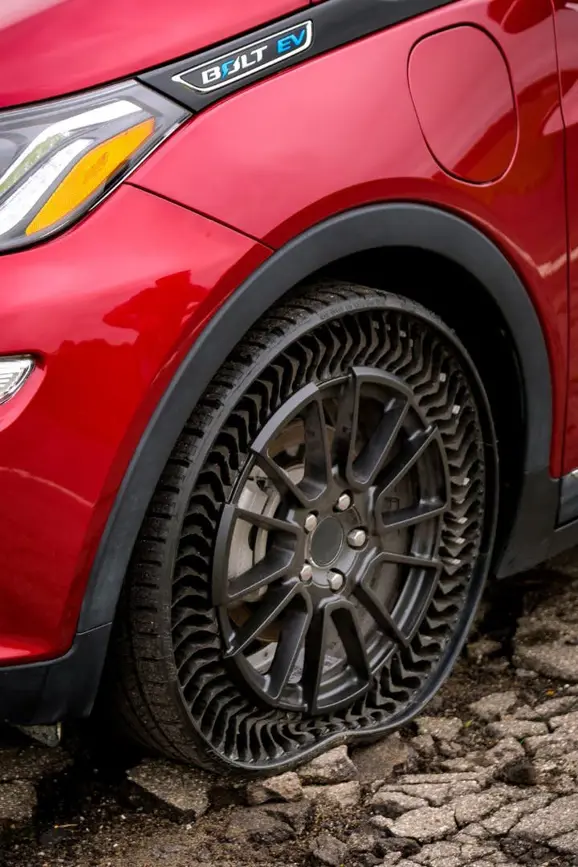 The prototype for Michelin Uptis has been built using three materials. It has rubber for tread, a unique resin embedded fibreglass for the reinforcement, and aluminium for the wheel spokes. The improvements in architecture and composite materials enable the tyres to take the load-bearing stress with little efforts at high speeds. The Uptis tyres are capable enough to handle the current production cars, and it is also fully compatible with future mobility solutions such as autonomous, electric, or shared mobility services.
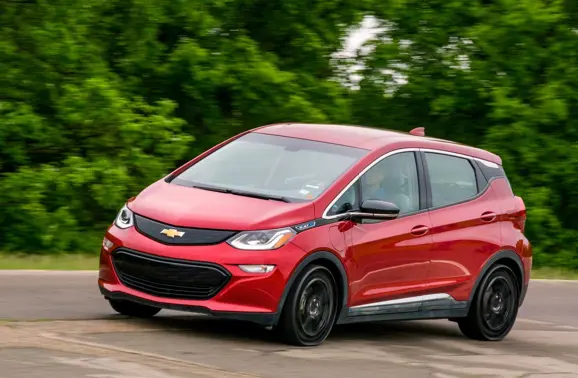 The Michelin Uptis will decrease the waste of tyres, and there will be no need for pressure control when they will hit the surface. The company says that its Uptis prototype represents a major step towards realizing its Vision concept. The Airless tyre technology not only benefits the owner of the vehicle but will also be beneficial for the planet. The tyre uses less energy in production, will reduce the number of scrapped tyres due to puncture or damage, and it will also reduce wear and tear by a huge margin. As of now, Michelin has not announced the price structure for its Airless tyre.
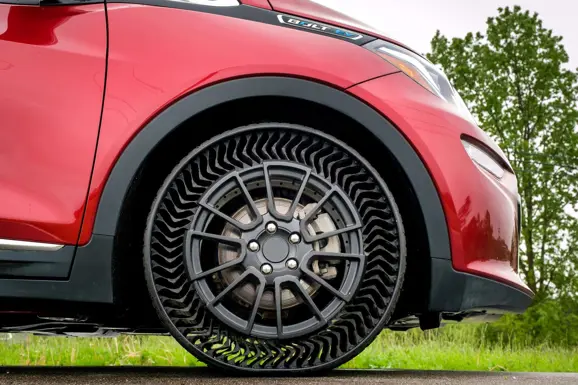
The puncture-proof tyre is based on the ‘Tweel’ concept developed by the company, which means that these airless tyres won't be able to burst, leak pressure, or become flat. The company claims that this tyre could save 2 million tons of wasted material per year. The innovative technology makes this tyre safer, more efficient, and environmentally beneficial. The field tests for this tyre have already begun on the Chevrolet Bolt EV.
The prototype for Michelin Uptis has been built using three materials. It has rubber for tread, a unique resin embedded fibreglass for the reinforcement, and aluminium for the wheel spokes. The improvements in architecture and composite materials enable the tyres to take the load-bearing stress with little efforts at high speeds. The Uptis tyres are capable enough to handle the current production cars, and it is also fully compatible with future mobility solutions such as autonomous, electric, or shared mobility services.
The Michelin Uptis will decrease the waste of tyres, and there will be no need for pressure control when they will hit the surface. The company says that its Uptis prototype represents a major step towards realizing its Vision concept. The Airless tyre technology not only benefits the owner of the vehicle but will also be beneficial for the planet. The tyre uses less energy in production, will reduce the number of scrapped tyres due to puncture or damage, and it will also reduce wear and tear by a huge margin. As of now, Michelin has not announced the price structure for its Airless tyre.
Ad
I
Immanuel Raja is an Automotive Writer with 8 years of experience covering the Indian automotive landscape. He specializes in Electric Vehicles and Hybrid Technology, with particular expertise in battery systems, charging infrastructure, and the integration of alternative powertrains in Indian road conditions. Raja has extensively tested over 200 vehicles across various segments, from entry-level EVs to premium hybrids, developing nuanced insights into their performance on India's diverse and challenging roads. His analysis encompasses both technical specifications and practical ownership considerations that matter to Indian consumers, including charging accessibility, maintenance costs, and performance in extreme weather conditions. With a finger on the pulse of India's evolving automotive preferences, Raja delivers clear, factual assessments that help readers navigate the transition to electrified mobility in the context of India's unique market dynamics.
About the Author
Comments
No comments yet
Be the first to share your thoughts!
Want to read more automotive news?
Stay updated with the latest car launches, reviews, and industry insights.
Browse All News