
3 min read
210 views
Small Maruti Suzuki Electric Car Expected to Cost Around INR 12 lakh
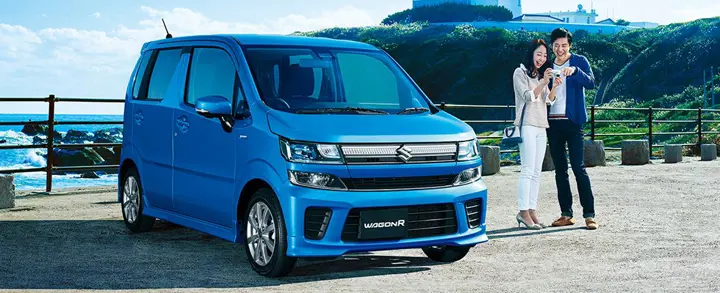
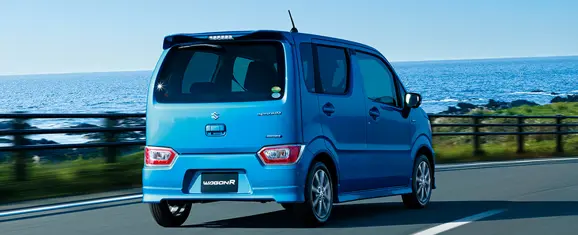
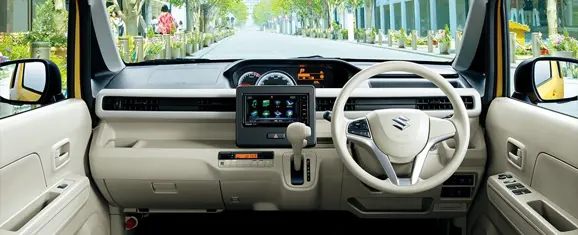
Maruti Suzuki is planning to launch its first small electric car in 2020. It will most likely make an official debut at the Auto Expo in February next year. The upcoming car will be based on the new generation model of Japan-spec WagonR. As the world is shifting its focus away from ICE (Internal Com...
Maruti Suzuki is planning to launch its first small electric car in 2020. It will most likely make an official debut at the Auto Expo in February next year. The upcoming car will be based on the new generation model of Japan-spec WagonR. As the world is shifting its focus away from ICE (Internal Combustion Engine) powered vehicles to EVs (Electric Vehicles), Maruti Suzuki believes that India is not yet ready for full-scale electric passenger cars.
 The brand recently also announced that they are going to stop selling diesel cars in India starting from April next year. All this is happening because last year in October the Supreme Court announced that by April 1, 2020, all the automobile manufacturers have to adopt BSVI emission norms. Bharat Stage VI (BS6) norms are two stages ahead of the present Bharat Stage IV norms in regulating emissions.
 These norms are the standards instituted by the government to regulate the emission of air pollutants from motor vehicles. The amount of Sulphur is the major difference between BSIV and BSVI norms. BSIV fuels contain 50ppm sulphur while BSVI grade fuel only has 10ppm of sulphur. Making the cars BSVI-compliant will require very high investment in research and development to upgrade the engines.
 India’s leading carmaker Maruti Suzuki has raised some serious concerns regarding the adaptability to electric vehicles and commented that in the current regulatory regime, even a small petrol car like WagonR which starts from INR 4.30 lakhs would cost up to INR 12 lakhs in its all-electric avatar. That’s a lot of amount for a car of WagonR’s size.
The price of a small EV could go beyond the reach of small car owners. Also, a proper infrastructure is also required to charge the car as most of the people in India park their cars outside their house so it would not be possible for them to charge the car.
India’s leading carmaker Maruti Suzuki has raised some serious concerns regarding the adaptability to electric vehicles and commented that in the current regulatory regime, even a small petrol car like WagonR which starts from INR 4.30 lakhs would cost up to INR 12 lakhs in its all-electric avatar. That’s a lot of amount for a car of WagonR’s size.
The price of a small EV could go beyond the reach of small car owners. Also, a proper infrastructure is also required to charge the car as most of the people in India park their cars outside their house so it would not be possible for them to charge the car.
 Maruti Suzuki recently unveiled the prototype of their upcoming WagonR EV and they also had put around 50 units on test on the Indian roads. So it would be interesting to see that in the near future how the scenario of the upcoming electric cars would change and how many people would be ready to own an all-electric car in India.
Note: The Images of Next-Gen Suzuki WagonR used in the article are for representational purpose only. The exterior and interior design of the first small electric car by Maruti Suzuki is expected to based on the new Japan-spec WagonR.
Source
Maruti Suzuki recently unveiled the prototype of their upcoming WagonR EV and they also had put around 50 units on test on the Indian roads. So it would be interesting to see that in the near future how the scenario of the upcoming electric cars would change and how many people would be ready to own an all-electric car in India.
Note: The Images of Next-Gen Suzuki WagonR used in the article are for representational purpose only. The exterior and interior design of the first small electric car by Maruti Suzuki is expected to based on the new Japan-spec WagonR.
Source
The brand recently also announced that they are going to stop selling diesel cars in India starting from April next year. All this is happening because last year in October the Supreme Court announced that by April 1, 2020, all the automobile manufacturers have to adopt BSVI emission norms. Bharat Stage VI (BS6) norms are two stages ahead of the present Bharat Stage IV norms in regulating emissions.
These norms are the standards instituted by the government to regulate the emission of air pollutants from motor vehicles. The amount of Sulphur is the major difference between BSIV and BSVI norms. BSIV fuels contain 50ppm sulphur while BSVI grade fuel only has 10ppm of sulphur. Making the cars BSVI-compliant will require very high investment in research and development to upgrade the engines.
India’s leading carmaker Maruti Suzuki has raised some serious concerns regarding the adaptability to electric vehicles and commented that in the current regulatory regime, even a small petrol car like WagonR which starts from INR 4.30 lakhs would cost up to INR 12 lakhs in its all-electric avatar. That’s a lot of amount for a car of WagonR’s size.
The price of a small EV could go beyond the reach of small car owners. Also, a proper infrastructure is also required to charge the car as most of the people in India park their cars outside their house so it would not be possible for them to charge the car.
Maruti Suzuki recently unveiled the prototype of their upcoming WagonR EV and they also had put around 50 units on test on the Indian roads. So it would be interesting to see that in the near future how the scenario of the upcoming electric cars would change and how many people would be ready to own an all-electric car in India.
Note: The Images of Next-Gen Suzuki WagonR used in the article are for representational purpose only. The exterior and interior design of the first small electric car by Maruti Suzuki is expected to based on the new Japan-spec WagonR.
SourceAd
I
Immanuel Raja is an Automotive Writer with 8 years of experience covering the Indian automotive landscape. He specializes in Electric Vehicles and Hybrid Technology, with particular expertise in battery systems, charging infrastructure, and the integration of alternative powertrains in Indian road conditions. Raja has extensively tested over 200 vehicles across various segments, from entry-level EVs to premium hybrids, developing nuanced insights into their performance on India's diverse and challenging roads. His analysis encompasses both technical specifications and practical ownership considerations that matter to Indian consumers, including charging accessibility, maintenance costs, and performance in extreme weather conditions. With a finger on the pulse of India's evolving automotive preferences, Raja delivers clear, factual assessments that help readers navigate the transition to electrified mobility in the context of India's unique market dynamics.
About the Author
Explore the story
Related news
Comments
Share your view and join the discussion.
Start with:
Earn reward points for every comment and get a chance to win ₹1,000 in our weekly lucky draw. Sign in with Google in one tap.
Start the conversation
No one has commented on this article yet. Be the first to share your view.
Want to read more automotive news?
Stay updated with the latest car launches, reviews, and industry insights.
Browse All News