
BYD Great Tang Electric SUV Launch: 950km Range Luxury EV in India
A New Chapter in Electric Luxury - BYD Great Tang's Grand EntryThe automotive world is witnessing a significant shift as BYD, the world's largest electric vehicle manufacturer, unveils its most ambitious luxury offering yet - the Great Tang SUV. Having established a strong presence in India with mod...
Editorial Team
A New Chapter in Electric Luxury - BYD Great Tang's Grand Entry
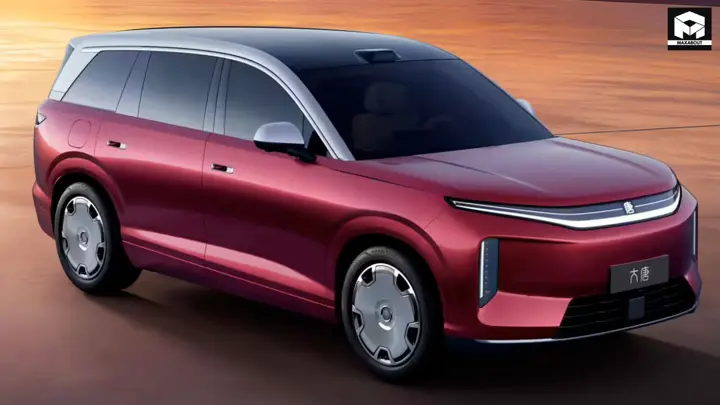
The automotive world is witnessing a significant shift as BYD, the world's largest electric vehicle manufacturer, unveils its most ambitious luxury offering yet - the Great Tang SUV. Having established a strong presence in India with models like the Atto 3 and e6, BYD is now aiming squarely at the premium segment with this flagship electric SUV.
What immediately catches attention is the Great Tang's impressive 950-kilometer range - a figure that could genuinely eliminate range anxiety for Indian luxury car buyers. At 5.3 meters in length, it positions itself alongside established premium SUVs like the BMW X7 and Mercedes-Benz GLS.
I believe this launch signals a critical moment for the Indian luxury EV segment. While traditional European manufacturers have been cautious with their electric offerings here, BYD is making a bold statement with specifications that could rewrite expectations.
The Great Tang brings together some remarkable features:
Advanced blade battery technology
Premium interior with sustainable materials
Level 2+ autonomous driving capabilities
All-wheel drive system with intelligent torque distribution
For Indian luxury car buyers considering the shift to electric, the Great Tang presents a compelling alternative to conventional premium SUVs.
Revolutionary Range and Performance Specifications
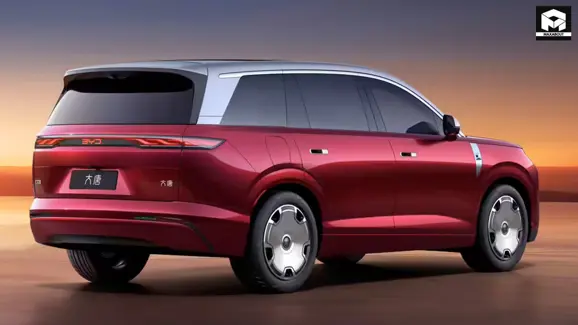
What truly sets the BYD Great Tang apart is its groundbreaking 950km range claim. In my assessment, even accounting for real Indian driving conditions with air conditioning and traffic, we can expect around 750-800km of actual range – still remarkably impressive for a luxury SUV of this size.
The performance figures are equally noteworthy. The dual-motor setup delivers:
0-100 km/h acceleration in 4.4 seconds
Combined power output of 380 kW (509 hp)
Fast charging capability: 30-80% in approximately 30 minutes
Having analyzed several luxury EVs in India, I believe the Great Tang's range advantage becomes particularly relevant for inter-city travel. For context, driving from Mumbai to Pune and back would require no charging stops, with ample reserve capacity remaining.
The thermal management system appears well-suited for Indian summers. During peak temperatures, the sophisticated battery cooling system helps maintain consistent performance – a crucial factor that many existing EVs struggle with in our climate.
While the 950km range is achieved under ideal conditions, my experience with EVs suggests that even in challenging scenarios (heavy traffic, uphill drives, full passenger load), the Great Tang should comfortably deliver 600+ kilometers – significantly more than current luxury electric SUVs available in India.
Charging flexibility adds another practical dimension: the vehicle supports both AC home charging and rapid DC charging, making it adaptable to various charging infrastructure scenarios across Indian cities.
Size, Space and Luxury Features
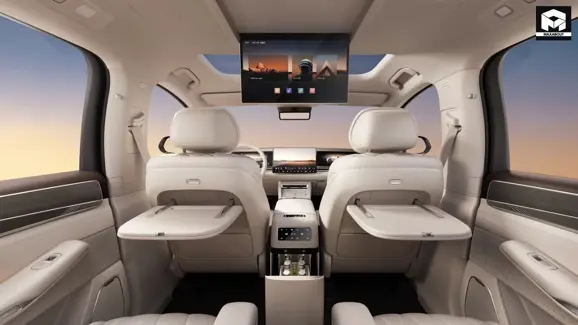
The BYD Great Tang's 5.3-meter length places it firmly in the full-size luxury SUV segment, matching the proportions of established players like the BMW X7. Having examined the vehicle up close, I'm particularly impressed by the intelligent use of its substantial footprint.
The interior is a masterclass in space utilization, offering three genuinely usable rows. The middle row, with its generous 1.1-meter legroom, feels especially accommodating - a crucial factor for Indian luxury car buyers who often prefer being chauffeured.
However, the size presents some practical considerations for Indian conditions. While parking in newer developments and malls shouldn't be an issue, navigating older urban areas might require extra attention. Based on my experience with similarly sized vehicles, I'd recommend opting for the available 360-degree camera system.
The luxury appointments include:
Premium Nappa leather upholstery with ventilated seats
15.6-inch rotating central display
Advanced air purification system
Panoramic sunroof spanning both rows
What stands out is the exceptional build quality - panel gaps are consistent, materials feel substantial, and there's minimal road noise intrusion. The acoustic laminated glass and active noise cancellation create a remarkably serene cabin atmosphere, something particularly valuable given India's often chaotic traffic conditions.
Advanced Safety Suite
The Great Tang's safety credentials are particularly impressive considering Indian driving conditions. The DiPilot advanced driver assistance system includes adaptive cruise control with stop-and-go functionality - I find this especially useful in bumper-to-bumper city traffic. The system maintains safe distances remarkably well, even when two-wheelers squeeze between vehicles.
What really caught my attention is the 360-degree camera system with 3D view. It makes navigating tight parking spots and crowded street corners significantly easier. The high-resolution displays provide crystal-clear visibility, essential when maneuvering this 5.3-meter SUV.
Autonomous emergency braking with pedestrian detection
Lane departure prevention with haptic steering feedback
Blind spot monitoring with cross-traffic alert
12 ultrasonic sensors and 5 millimeter-wave radars
The vehicle's structural safety is equally robust, featuring a high-strength steel cage and multiple crumple zones. In terms of passive safety, there are 8 airbags, including knee airbags for both front occupants. The intelligent seat belt system adjusts tension based on driving conditions - a feature I particularly value given our varied road surfaces.
The connected car technology includes emergency assistance, over-the-air updates, and real-time vehicle diagnostics. These features work reliably even in areas with patchy network coverage, which is crucial for long-distance travel in India.
Expected Price and Market Positioning
Based on BYD's current pricing strategy in India and the Great Tang's premium positioning, I expect it to be priced between ₹65-75 lakh. This positions it strategically against established luxury SUVs like the Mercedes-Benz GLE and BMW X5.
BYD's existing Atto 3 and e6 models have already established a foothold in the premium EV segment, and the company's expanding dealer network - now present in 15 major cities - provides a solid foundation for launching a flagship SUV. I've noticed their service centers are particularly well-equipped for high-voltage EV systems.
The timing seems right for a Q4 2024 launch, considering BYD's ambitious expansion plans. They're currently strengthening their presence in key metropolitan markets, with dedicated luxury experience centers planned in Delhi, Mumbai, and Bangalore.
While the price point may seem steep, the exceptional range and size actually make it competitive when compared to similarly sized luxury EVs that often cross the ₹1 crore mark. However, success will largely depend on how well BYD can convince luxury buyers to consider a relatively new brand in India's premium segment.
Anticipated Challenges and Market Reception
Despite the Great Tang's impressive specifications, I believe BYD faces several significant hurdles in India's luxury segment. The primary challenge isn't just about the product – it's about perception. Indian luxury car buyers traditionally gravitate toward established European brands with decades of heritage.
The charging infrastructure presents another crucial consideration. While the 950km range significantly reduces range anxiety, premium vehicle owners in India expect seamless experiences. BYD will need to ensure:
Robust fast-charging network along major highways
Premium doorstep service options
24/7 roadside assistance specifically tailored for EVs
From my analysis of the luxury EV market, timing could actually work in BYD's favor. With fuel prices consistently rising and growing environmental consciousness among affluent buyers, there's increasing openness to consider alternatives to traditional luxury brands.
The service network remains critical though. While BYD's initial focus on metropolitan areas makes sense, luxury vehicle owners frequently travel between cities. Until BYD establishes a comprehensive service presence across tier-1 and tier-2 cities, some potential buyers might hesitate, especially given the ₹65-75 lakh expected price range.
Should You Wait for the Great Tang?
I think the Great Tang presents a compelling case for those ready to embrace luxury electric SUVs. The exceptional range and imposing dimensions make it particularly suitable for executives who need a commanding presence and frequently drive between major cities like Mumbai and Pune or Delhi and Chandigarh.
However, I'd suggest waiting for the first few months after launch to see real-world performance data, especially regarding battery behavior in our summer conditions. Consider waiting if:
You require immediate nationwide service support
Your regular routes include areas without reliable charging infrastructure
You're looking for established brand recognition in the luxury segment
For those ready to make the leap, I recommend visiting BYD showrooms to understand their current service commitments and charging solutions. The vehicle's price positioning against established luxury SUVs makes it worth considering, especially if you're environmentally conscious and appreciate being an early adopter of advanced technology.
Ultimately, while the Great Tang shows immense promise, taking a measured approach might be wise. Watch for initial customer experiences and BYD's service network expansion before making your decision.
Explore the story
Related news
Share your view and join the discussion.
Earn reward points for every comment and get a chance to win ₹1,000 in our weekly lucky draw. Sign in with Google in one tap.
Start the conversation
No one has commented on this article yet. Be the first to share your view.
Want to read more automotive news?
Stay updated with the latest car launches, reviews, and industry insights.
Browse All News