
3 min read
386 views
Quick Comparison: Yamaha FZS V3 vs TVS Apache RTR 160 4V
Yamaha FZS V3 vs TVS Apache RTR 160 (Quick Comparison): Yamaha FZS V3 is an eligible rival to the frugal TVS Apache RTR 160 4V in India. The price range for both the models is different as Apache is yet to add the dual-channel ABS feature into their motorcycle. Yamaha FZS V3 comes with single channe...
Yamaha FZS V3 vs TVS Apache RTR 160 (Quick Comparison): Yamaha FZS V3 is an eligible rival to the frugal TVS Apache RTR 160 4V in India. The price range for both the models is different as Apache is yet to add the dual-channel ABS feature into their motorcycle. Yamaha FZS V3 comes with single channel ABS, all-new design and reliable 149cc engine. Apache 160 4V comes with a bigger 160cc engine and can be had with either fuel injection or the carburettor-fed version. As Yamaha offers fuel injection as standard, the top-spec model of Apache 160 4V is a direct rival to the new Yamaha FZS V3.
[caption id="attachment_377076" align="aligncenter" width="896"]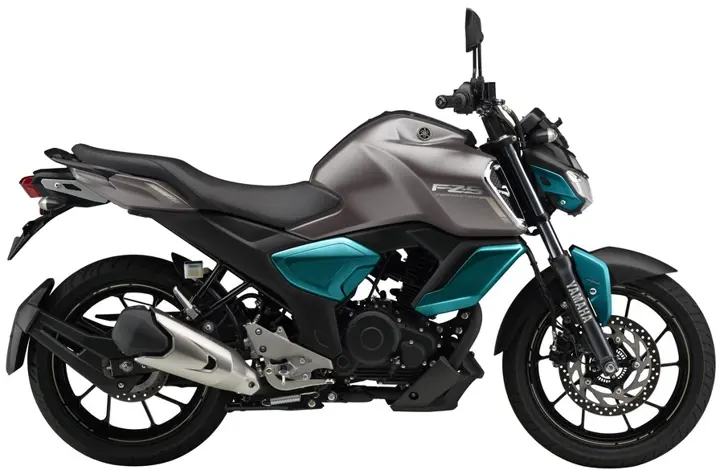 Yamaha FZS V3[/caption]
As Yamaha charged a decent sum for ABS and features like LED light, TVS fans can expect a price hike of INR 10,000 for the dual channel ABS model. If they plan a single channel unit for RTR 160 4V, the price can be kept under INR 1 lakh. Apache RTR 160 4V is powered by a 16.8 HP, 159.7cc oil-cooled engine. The value is much higher in comparison to the 13.2 HP of max output from FZS V3. The weight difference of 10 kg may help FZS riders compensate some power difference but still, the top end of rpm range will favour the new Apache for sure.
[caption id="attachment_196577" align="aligncenter" width="900"]
Yamaha FZS V3[/caption]
As Yamaha charged a decent sum for ABS and features like LED light, TVS fans can expect a price hike of INR 10,000 for the dual channel ABS model. If they plan a single channel unit for RTR 160 4V, the price can be kept under INR 1 lakh. Apache RTR 160 4V is powered by a 16.8 HP, 159.7cc oil-cooled engine. The value is much higher in comparison to the 13.2 HP of max output from FZS V3. The weight difference of 10 kg may help FZS riders compensate some power difference but still, the top end of rpm range will favour the new Apache for sure.
[caption id="attachment_196577" align="aligncenter" width="900"]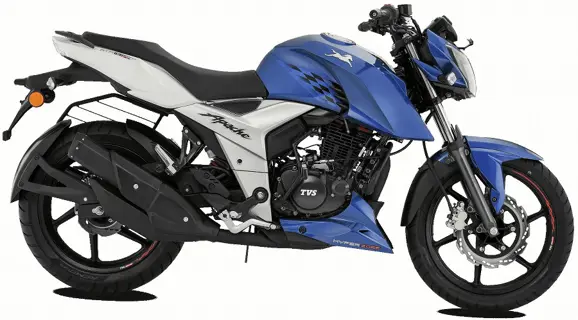 TVS Apache RTR 160 4V[/caption]
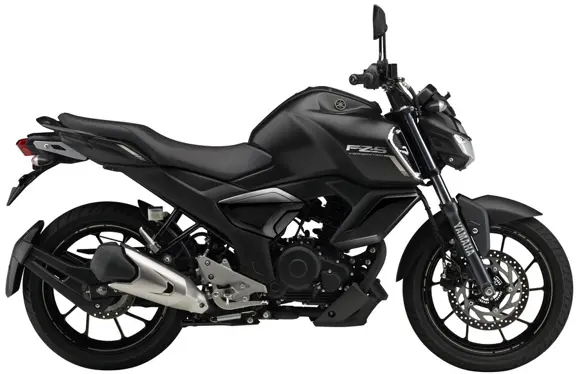 Yamaha FZS V3[/caption]
[caption id="attachment_196578" align="aligncenter" width="900"]
Yamaha FZS V3[/caption]
[caption id="attachment_196578" align="aligncenter" width="900"]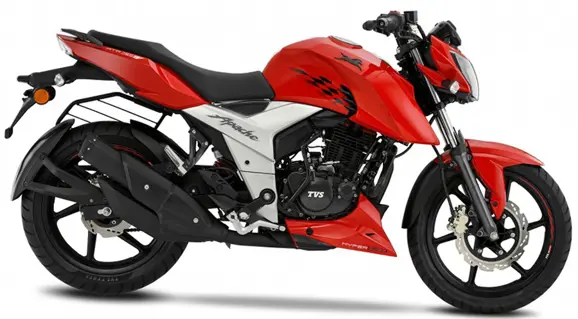 TVS Apache RTR 160 4V[/caption]
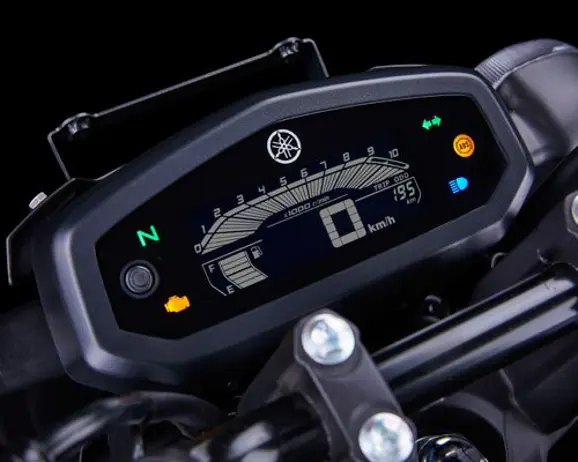 Yamaha FZS V3 Console[/caption]
[caption id="attachment_196580" align="aligncenter" width="820"]
Yamaha FZS V3 Console[/caption]
[caption id="attachment_196580" align="aligncenter" width="820"]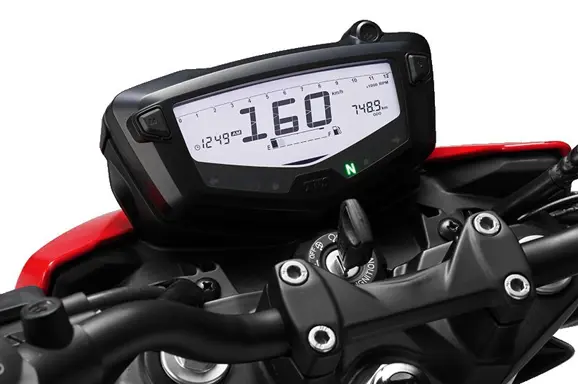 TVS Apache RTR 160 4V Console[/caption]
[caption id="attachment_377555" align="aligncenter" width="850"]
TVS Apache RTR 160 4V Console[/caption]
[caption id="attachment_377555" align="aligncenter" width="850"]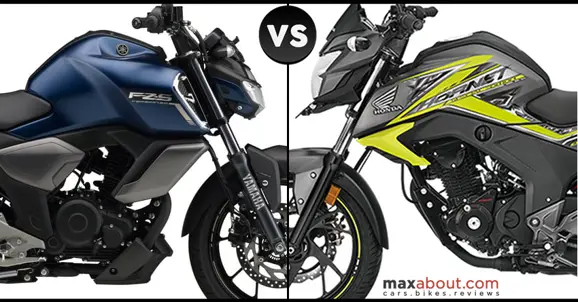 Quick Comparison: Yamaha FZS V3 vs Honda CB Hornet 160R[/caption]
Yamaha FZS V3[/caption]
As Yamaha charged a decent sum for ABS and features like LED light, TVS fans can expect a price hike of INR 10,000 for the dual channel ABS model. If they plan a single channel unit for RTR 160 4V, the price can be kept under INR 1 lakh. Apache RTR 160 4V is powered by a 16.8 HP, 159.7cc oil-cooled engine. The value is much higher in comparison to the 13.2 HP of max output from FZS V3. The weight difference of 10 kg may help FZS riders compensate some power difference but still, the top end of rpm range will favour the new Apache for sure.
[caption id="attachment_196577" align="aligncenter" width="900"] TVS Apache RTR 160 4V[/caption]
Yamaha FZS V3 vs TVS Apache RTR 160
Engine & Performance
Yamaha FZS V3
- Displacement: 149cc
- Cooling Type: Air-Cooled
- Max. Power: 13.2 HP @ 8000 rpm
- Max. Torque: 12.8 Nm @ 6000 rpm
- Gearbox: 5-Speed
- Fuel System: Fuel Injection
- Top Speed: 109 kmph (Approx.)
- Mileage: 40-50 kmpl (Approx.)
TVS Apache RTR 160 4V
- Displacement: 159.7cc
- Cooling Type: Oil-Cooled
- Max. Power (Carb): 16.5 HP @ 8000 rpm
- Max. Power (Fi): 16.8 HP @ 8000 rpm
- Max. Torque: 14.8 Nm @ 6500 rpm
- Gearbox: 5-Speed
- Fuel System: Fuel Injection/Carburetor
- Top Speed: 113 kmph (Approx.)
- Mileage: 40-50 kmpl (Approx.)
Brakes & Suspension
Yamaha FZS V3
- Front Brake: 282mm Single Disc
- Rear Brake: 220mm Single Disc
- 1-Channel ABS
- Front Suspension: Telescopic Forks
- Rear Suspension: Monoshock
TVS Apache RTR 160 4V
- Front Brake: 270mm Single Disc
- Rear Brake: 200mm Single Disc
- Also Available with 130mm Rear Drum
- No ABS
- Front Suspension: Telescopic Forks
- Rear Suspension: Monoshock
Yamaha FZS V3[/caption]
[caption id="attachment_196578" align="aligncenter" width="900"] TVS Apache RTR 160 4V[/caption]
Dimensions & Weight
Yamaha FZS V3 vs TVS Apache RTR 160 4VYamaha FZS V3
- Overall Length - 1990 mm
- Overall Width - 780 mm
- Overall Height - 1080 mm
- Seat Height - 790 mm
- Wheelbase - 1330 mm
- Ground Clearance - 165 mm
- Kerb/Wet Weight - 137 kg
- Fuel Tank Capacity - 12.8 litres
TVS Apache RTR 160 4V
- Overall Length - 2050 mm
- Overall Width - 790 mm
- Overall Height - 1050 mm
- Seat Height - 800 mm
- Wheelbase - 1357 mm
- Ground Clearance - 180 mm
- Kerb/Wet Weight - 143 kg (Single Disc Model)
- Kerb/Wet Weight - 145 kg (Dual Disc Model)
- Kerb/Wet Weight - 147 kg (Fuel Injection Model)
- Fuel Tank Capacity - 12 litres
Tyres & Frame
Yamaha FZS V3
- Front Tyre - 100/80-17
- Rear Tyre - 140/60-17
- Tubeless Tyres
- Frame - Diamond
TVS Apache RTR 160 4V
- Front Tyre - 90/90-17
- Rear Tyre - 110/80-17 (Single Disc Model)
- Rear Tyre - 130/70-17 (Dual Disc Model)
- Tubeless Tyres
- Frame - Double Cradle Split Synchro STIFF
Ex-Showroom Price
- 2019 FZS Fi V3 ABS: INR 97,000
- RTR 160 4V Single Disc: INR 83,145
- RTR 160 4V Dual Disc: INR 86,145
- RTR 160 4V Fuel Injection: INR 92,145
Yamaha FZS V3 Console[/caption]
[caption id="attachment_196580" align="aligncenter" width="820"] TVS Apache RTR 160 4V Console[/caption]
[caption id="attachment_377555" align="aligncenter" width="850"] Quick Comparison: Yamaha FZS V3 vs Honda CB Hornet 160R[/caption]Ad
I
Immanuel Raja is an Automotive Writer with 8 years of experience covering the Indian automotive landscape. He specializes in Electric Vehicles and Hybrid Technology, with particular expertise in battery systems, charging infrastructure, and the integration of alternative powertrains in Indian road conditions. Raja has extensively tested over 200 vehicles across various segments, from entry-level EVs to premium hybrids, developing nuanced insights into their performance on India's diverse and challenging roads. His analysis encompasses both technical specifications and practical ownership considerations that matter to Indian consumers, including charging accessibility, maintenance costs, and performance in extreme weather conditions. With a finger on the pulse of India's evolving automotive preferences, Raja delivers clear, factual assessments that help readers navigate the transition to electrified mobility in the context of India's unique market dynamics.
About the Author
Explore the story
Related news

Comments
Share your view and join the discussion.
Start with:
Earn reward points for every comment and get a chance to win ₹1,000 in our weekly lucky draw. Sign in with Google in one tap.
Start the conversation
No one has commented on this article yet. Be the first to share your view.
Want to read more automotive news?
Stay updated with the latest car launches, reviews, and industry insights.
Browse All News