
3 min read
246 views
Comparison: Royal Enfield Classic 350 Signals vs Bajaj Dominar 400
RE Classic 350 Signals vs Bajaj Dominar 400 (Quick Comparison): Bajaj Dominar 400 and Royal Enfield Classic 350 are two value for money options that one can consider under INR 2 lakh (on-road). The former is available with ABS from the first day of its launch while Classic 350 Signals was the first ...
RE Classic 350 Signals vs Bajaj Dominar 400 (Quick Comparison): Bajaj Dominar 400 and Royal Enfield Classic 350 are two value for money options that one can consider under INR 2 lakh (on-road). The former is available with ABS from the first day of its launch while Classic 350 Signals was the first variant to offer ABS on Royal Enfield models.
The surprising fact for both bikes is the pricing as Classic 350 Signals and Dominar 400 can be bought for an ex-showroom price of INR 1.62 lakh and INR 1.63 lakh respectively. Buyers looking for non-ABS Classic can get the standard colours while Dominar is now only available with dual-channel ABS as Bajaj recently discontinued the non-ABS model in India.
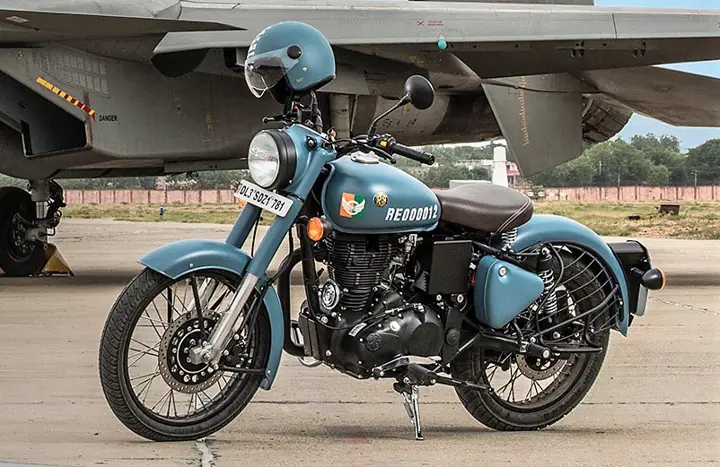 Bajaj Dominar 400 registers a fraction of sales in comparison to Classic 350, clearly ruling out the idea that both command equal demand in India. Even the monthly sales figure of the Classic 500 is more than the Dominar 400. Still, the practical approach of Bajaj in terms of performance cannot be neglected as they are offering a KTM based motorcycle at such an amazing price. It offers a 0-100 kph sprint time of around 8.23 seconds and saves a lot of time when riding on the highway. The top speed of Dominar 400 is also far better than Classic 350.
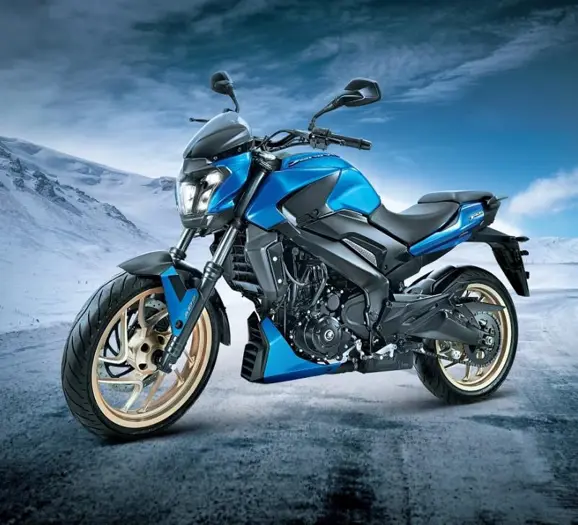 On the other hand, Classic 350 offers 28 Nm of steady torque at just 4000 rpm. The value is so good that buyers are free from gear changing problems in high traffic. Classic 350 Signals can be bought in Airborne Blue and Stormrider Sand. The 346cc, single cylinder engine comes with carburettor and air cooling on the Classic 350. Dominar 400 is highly loaded with features, offering fuel injection, liquid cooling, all-digital console and much more.
If going by value for money perspective, Dominar 400 is the most feature-loaded option in this segment. Classic 350 benefits from the retro-modern design and high amount of cult following for the Royal Enfield brand. Bajaj will soon launch the 2019 model of Dominar with USD front forks and all-new double barrel exhaust system.
On the other hand, Classic 350 offers 28 Nm of steady torque at just 4000 rpm. The value is so good that buyers are free from gear changing problems in high traffic. Classic 350 Signals can be bought in Airborne Blue and Stormrider Sand. The 346cc, single cylinder engine comes with carburettor and air cooling on the Classic 350. Dominar 400 is highly loaded with features, offering fuel injection, liquid cooling, all-digital console and much more.
If going by value for money perspective, Dominar 400 is the most feature-loaded option in this segment. Classic 350 benefits from the retro-modern design and high amount of cult following for the Royal Enfield brand. Bajaj will soon launch the 2019 model of Dominar with USD front forks and all-new double barrel exhaust system.
*Above mentioned prices are ex-showroom.
Bajaj Dominar 400 registers a fraction of sales in comparison to Classic 350, clearly ruling out the idea that both command equal demand in India. Even the monthly sales figure of the Classic 500 is more than the Dominar 400. Still, the practical approach of Bajaj in terms of performance cannot be neglected as they are offering a KTM based motorcycle at such an amazing price. It offers a 0-100 kph sprint time of around 8.23 seconds and saves a lot of time when riding on the highway. The top speed of Dominar 400 is also far better than Classic 350.
On the other hand, Classic 350 offers 28 Nm of steady torque at just 4000 rpm. The value is so good that buyers are free from gear changing problems in high traffic. Classic 350 Signals can be bought in Airborne Blue and Stormrider Sand. The 346cc, single cylinder engine comes with carburettor and air cooling on the Classic 350. Dominar 400 is highly loaded with features, offering fuel injection, liquid cooling, all-digital console and much more.
If going by value for money perspective, Dominar 400 is the most feature-loaded option in this segment. Classic 350 benefits from the retro-modern design and high amount of cult following for the Royal Enfield brand. Bajaj will soon launch the 2019 model of Dominar with USD front forks and all-new double barrel exhaust system.
Classic 350 Signals vs Bajaj Dominar 400
Quick Specs & Price Comparison
| Classic 350 Signals | Bajaj Dominar | |
| Displacement | 346cc | 373.3 cc |
| Transmission | 5-Speed | 6-Speed |
| No. of Cylinders | 1-Cylinder | 1-Cylinder |
| Max. Power | 20 HP @ 5250 rpm | 35 HP @ 8000 rpm |
| Max. Torque | 28 NM @ 4000 rpm | 35 NM @ 6500 rpm |
| Fuel Supply | Carburettor | Fuel Injection |
| Engine Cooling | Air-Cooled | Liquid-Cooled |
| Top Speed | 110 kmph | 156 kmph |
| Mileage | 35-40 kmpl | 30-35 kmpl |
| Price (ABS Model) | INR 1.62 Lakh | INR 1.63 Lakh |
Dimensions & Weight
RE Classic 350 Signals vs Bajaj Dominar 400
| Classic 350 Signals | Bajaj Dominar | |
| Length | 2160 mm | 2156 mm |
| Width | 790 mm | 813 mm |
| Height | 1090 mm | 1112 mm |
| Wheelbase | 1370 mm | 1453 mm |
| Ground Clearance | 135 mm | 157 mm |
| Seat Height | 800 mm | 800 mm |
| Kerb Weight | 192 kg | 182 kg |
| Fuel Tank | 13.5 litres | 13 litres |
Brakes & Suspension
Classic Signals vs Bajaj Dominar
| Classic 350 Signals | Bajaj Dominar | |
| Brakes (F) | 280mm Petal Disc | 320 mm Single Disc |
| Brakes (R) | 240mm Petal Disc | 230 mm Single Disc |
| Suspension (F) | Telescopic Forks | Telescopic Forks |
| Suspension (R) | Dual Shocks | Monoshock |
| ABS | 2-Channel ABS | 2-Channel ABS |
Frame & Tyres
RE Classic 350 Signals vs Bajaj Dominar 400
| Classic 350 Signals | Bajaj Dominar | |
| Frame | Downtube Frame | Tubular Frame |
| Front Tyre | 90/90-19 | 110/70 R17 |
| Rear Tyre | 110/80-18 | 150/60 R17 |
| Front Wheel | 19-inch | 17-inch |
| Rear Wheel | 18-inch | 17-inch |
Ad
I
Immanuel Raja is an Automotive Writer with 8 years of experience covering the Indian automotive landscape. He specializes in Electric Vehicles and Hybrid Technology, with particular expertise in battery systems, charging infrastructure, and the integration of alternative powertrains in Indian road conditions. Raja has extensively tested over 200 vehicles across various segments, from entry-level EVs to premium hybrids, developing nuanced insights into their performance on India's diverse and challenging roads. His analysis encompasses both technical specifications and practical ownership considerations that matter to Indian consumers, including charging accessibility, maintenance costs, and performance in extreme weather conditions. With a finger on the pulse of India's evolving automotive preferences, Raja delivers clear, factual assessments that help readers navigate the transition to electrified mobility in the context of India's unique market dynamics.
About the Author
Explore the story
Related news


Comments
Share your view and join the discussion.
Start with:
Earn reward points for every comment and get a chance to win ₹1,000 in our weekly lucky draw. Sign in with Google in one tap.
Start the conversation
No one has commented on this article yet. Be the first to share your view.
Want to read more automotive news?
Stay updated with the latest car launches, reviews, and industry insights.
Browse All News