
2 min read
184 views
Exclusive: Made-in-India Kawasaki Ninja 300 to Launch @ INR 2.35-2.50 Lakh
As per the latest updates available, the made-in-India Kawasaki Ninja 300 will soon be launched in the country in a price range of INR 2.35-2.50 lakh (Ex-showroom India). The motorcycle will feature ABS as government has made it mandatory for bikes above 125cc to bring this safety feature as standar...
As per the latest updates available, the made-in-India Kawasaki Ninja 300 will soon be launched in the country in a price range of INR 2.35-2.50 lakh (Ex-showroom India). The motorcycle will feature ABS as government has made it mandatory for bikes above 125cc to bring this safety feature as standard.
There are high chances that Kawasaki might also equip the Ninja 300 with LED headlights and updated instrument console. It is being rumored that Minda Corporation is helping Kawasaki by providing majority of parts for local production while tyres are said to be sourced from MRF for cost effective pricing.
[caption id="attachment_195900" align="aligncenter" width="571"]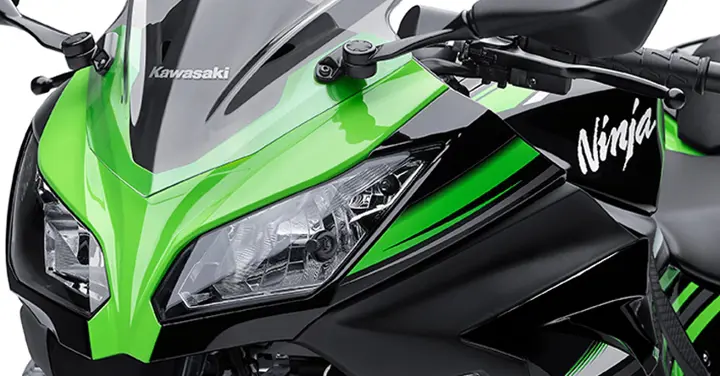 Made-in-India 300cc Kawasaki Ninja Might Also Get LED Head Lights[/caption]
Not just that, Kawasaki’s Make-in-India initiative can include other entry level bikes in the near future. The basic purpose of launching this impressively priced model is to capture more market share than the upcoming BMW bikes and existing KTM products like RC390.
If the ex-showroom price comes out to be under INR 2.50 lakh, Kawasaki will undercut the existing Yamaha R3 by a huge margin and even the single cylinder RC 390 by INR 1,000. Ninja 300 is a powerful twin-cylinder motorcycle with 296cc engine producing 38.5 BHP and 27 Nm. The engine is mated to a 6-speed gearbox and the bike is also equipped with a slipper clutch.
[caption id="attachment_174041" align="aligncenter" width="571"]
Made-in-India 300cc Kawasaki Ninja Might Also Get LED Head Lights[/caption]
Not just that, Kawasaki’s Make-in-India initiative can include other entry level bikes in the near future. The basic purpose of launching this impressively priced model is to capture more market share than the upcoming BMW bikes and existing KTM products like RC390.
If the ex-showroom price comes out to be under INR 2.50 lakh, Kawasaki will undercut the existing Yamaha R3 by a huge margin and even the single cylinder RC 390 by INR 1,000. Ninja 300 is a powerful twin-cylinder motorcycle with 296cc engine producing 38.5 BHP and 27 Nm. The engine is mated to a 6-speed gearbox and the bike is also equipped with a slipper clutch.
[caption id="attachment_174041" align="aligncenter" width="571"]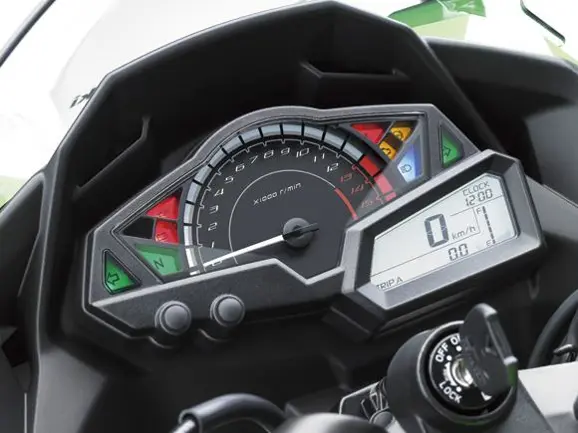 Made-in-India Ninja 300 Might Also Get Updated Instrument Console[/caption]
Made-in-India 300cc Kawasaki Ninja Might Also Get LED Head Lights[/caption]
Not just that, Kawasaki’s Make-in-India initiative can include other entry level bikes in the near future. The basic purpose of launching this impressively priced model is to capture more market share than the upcoming BMW bikes and existing KTM products like RC390.
If the ex-showroom price comes out to be under INR 2.50 lakh, Kawasaki will undercut the existing Yamaha R3 by a huge margin and even the single cylinder RC 390 by INR 1,000. Ninja 300 is a powerful twin-cylinder motorcycle with 296cc engine producing 38.5 BHP and 27 Nm. The engine is mated to a 6-speed gearbox and the bike is also equipped with a slipper clutch.
[caption id="attachment_174041" align="aligncenter" width="571"] Made-in-India Ninja 300 Might Also Get Updated Instrument Console[/caption]
Kawasaki Ninja 300 Tech Specs
| Engine Description | Parallel Twin, 4-Stroke |
| Fuel System | Fuel injection |
| Cooling | Liquid Cooling |
| Displacement | 296 cc |
| No. of Cylinders | 2-Cylinder |
| Maximum Power | 38.5 Bhp @ 11000 rpm |
| Maximum Torque | 27 Nm @ 10000 rpm |
| No. of Gears | 6-Speed |
| Clutch | Wet multi-disc |
| Overall Length | 2015 mm |
| Overall Width | 715 mm |
| Overall Height | 1170 mm |
| Ground Clearance | 140 mm |
| Seat Height | 785 mm |
| Wheelbase | 1405 mm |
| Kerb/Wet Weight | 172 kg |
| Fuel Tank Capacity | 17 litres |
| Front Brake | 290 mm Petal Disc |
| Rear Brake | 220 mm Petal Disc |
| Front Tyre | 110/70-R17 |
| Rear Tyre | 150/60-R17 |
Ad
I
Immanuel Raja is an Automotive Writer with 8 years of experience covering the Indian automotive landscape. He specializes in Electric Vehicles and Hybrid Technology, with particular expertise in battery systems, charging infrastructure, and the integration of alternative powertrains in Indian road conditions. Raja has extensively tested over 200 vehicles across various segments, from entry-level EVs to premium hybrids, developing nuanced insights into their performance on India's diverse and challenging roads. His analysis encompasses both technical specifications and practical ownership considerations that matter to Indian consumers, including charging accessibility, maintenance costs, and performance in extreme weather conditions. With a finger on the pulse of India's evolving automotive preferences, Raja delivers clear, factual assessments that help readers navigate the transition to electrified mobility in the context of India's unique market dynamics.
About the Author
Explore the story
Related news
Comments
Share your view and join the discussion.
Start with:
Earn reward points for every comment and get a chance to win ₹1,000 in our weekly lucky draw. Sign in with Google in one tap.
Start the conversation
No one has commented on this article yet. Be the first to share your view.
Want to read more automotive news?
Stay updated with the latest car launches, reviews, and industry insights.
Browse All News