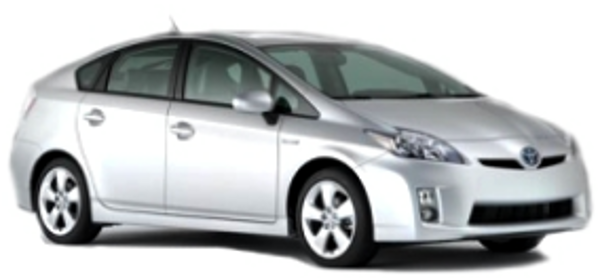
Toyota Prius Hybrid

General information and overview
The 2024 Toyota Prius is a fifth-generation model that has undergone a significant transformation. It boasts a sleek, coupe-like design with a lower, wider stance and a longer wheelbase, making it more visually appealing than its predecessors. The interior is modern and comfortable, with features like heated and ventilated front seats, a large touchscreen display, and advanced driver aids such as lane keeping assistance and adaptive cruise control. The powertrain includes a 2.0L Atkinson cycle 4-cylinder engine paired with two electric motors, producing a combined 196 horsepower. This setup not only provides excellent fuel efficiency but also a surprisingly fun and responsive driving experience. The Prius also comes with a range of safety features, including Toyota Safety Sense, which includes a monocular camera and various advanced safety technologies. Despite its many advantages, the Prius is not currently planned for the Indian market, which is a significant consideration for potential buyers in India.
Expert opinion and recommendation
The 2024 Toyota Prius is a significant leap forward in the hybrid vehicle segment, and its a car that I find highly impressive. The new generation brings a sleek, modern design that is far removed from the frumpy look of its predecessors. With its powerful 2.0L Atkinson cycle 4-cylinder engine and two electric motors, delivering a combined 196 horsepower, the Prius offers a surprisingly fun and responsive driving experience. The advanced driver aids, such as the lane keeping assistance and adaptive cruise control, are smooth and effective. However, there are some drawbacks, like the tight backseat headroom and the noisy gas engine when it kicks in. Overall, the Prius is an excellent choice for those seeking a fuel-efficient, technologically advanced, and enjoyable drive.
Recent news and announcements
No latest updates available
Check back later for updates
Pricing details and changes
The Toyota Prius is not currently scheduled for launch in the Indian market, which means there is no official ex-showroom or on-road price available for India. Historically, the Prius has been priced around Rs. 45.43 lakh ex-showroom due to its import status, but this can vary significantly based on import duties and other factors. Given Toyotas focus on strong-hybrid models like the Camry hybrid sedan and the Hyryder hybrid SUV in India, it seems unlikely that the Prius will be introduced here anytime soon, making it a less viable option for Indian buyers.
Fuel efficiency information
When it comes to mileage, the Toyota Prius is one of the most fuel-efficient vehicles available. In India, it is expected to deliver around 23.91 kmpl, according to the ARAI mileage standards. This makes it an excellent choice for those concerned about running costs, especially in urban environments where fuel efficiency is crucial. The hybrid powertrain ensures that you get the most out of every liter of fuel, making it a cost-effective option in the long run.
Specifications
- Ground Clearance
- 135.00 mm
- Maximum Power
- 98 Bhp @ 5200 rpm
- Maximum Torque
- 142 Nm @ 4000 rpm
- Kerb Weight
- 1390.00 kg
Pros(0)
No pros available
User opinions about the positive aspects of this vehicle will appear here.
Cons(0)
No cons available
User opinions about the areas for improvement will appear here.
Pricing Information
Ex-showroom prices across different cities
Ex-showroom price
No pricing information available for the selected cities.
User Reviews
Real experiences from Toyota Prius Hybrid owners
Based on 0 reviews
Rating Distribution
No reviews found
Be the first to review Toyota Prius Hybrid
User Discussions
Ask questions and get answers from the community
No questions yet
Be the first to ask a question about Toyota Prius Hybrid
Popular Comparisons
See how Toyota Prius Hybrid compares with other vehicles
No comparisons found
There are no popular comparisons available for Toyota Prius Hybrid at the moment.
Comparisons will appear here as they become available.
All Variants
Explore all variants of Prius (2011)
Complete Specifications
Toyota Prius Hybrid
- Maximum Power
- 98 Bhp @ 5200 rpm
- Maximum Torque
- 142 Nm @ 4000 rpm
- Engine Details
- 1798cc, 60KW Motor
- Overall Length
- 4460 mm
- Overall Width
- 1745 mm
- Overall Height
- 1510 mm
- Wheelbase
- 2700.0 mm
- Ground Clearance
- 135.00 mm
- Kerb Weight
- 1390.00 kg
- Rear Legroom
- 927 mm
- Headroom
- 936.00 mm
- Car Variant
- 2011 Toyota Prius Hybrid
- Availability Status in India
- Discontinued
- Car Type
- Sedan
- Fuel Type
- Petrol
- Latest Price in India
- Toyota Prius Hybrid price was INR 32.22 lakh before being discontinued.
- Electronic Brake Distribution (EBD)
- Anti-lock Braking System (ABS)
- Electronic Stability Program (ESP)
- Traction Control
- Leather Seats
- Folding Rear Seats
- Rear Centre Armrest
- With Cup Holder
- Driver Seat Adjustment
- Electric
- Seating Capacity
- 5
- Music System
- CD Player with six speakers
- Xenon Headlamps
- Front Fog Lights
- Darkness Sensing Headlamps
- ORVM Turn Indicators
- Trip Distance
- 2
- Tachometer
- Alloy Wheels
- Tyre Size
- 195/65 R15
- Brakes
- Front Ventilated, Rear Disk
- Suspension
- Independent MacPherson struts
- Central Locking
- Remote
- Steering Adjustment (Rake)
- Steering Mounted Controls
- Rear AC Vents
- Remote Fuel Filler
- Steering Adjustment (Reach)
- Air Conditioner
- Climate Control
- Power Steering
- Tilt
- Rear Defogger
- Rear Washer & Wiper
- Rain Sensing Wipers
- Power Windows
- Remote Boot Release
- Body Coloured Bumpers
- Outside Rear-view Mirrors
- Both Side Electric
- Tinted Glass
- Airbags
- 4
- Parking Sensors
- Sunroof
Expert Verdict
Professional reviews and expert opinions on Toyota Prius Hybrid
No content available for Models.ExpertReviews at the moment
No comments yet
Be the first to share your thoughts!
Explore the color options available for Toyota Prius Hybrid
No color options available
Color information for this vehicle is not currently available in our database.
Toyota Prius Hybrid Images & Videos (1)
Watch reviews, test drives and walkarounds of Toyota Prius Hybrid
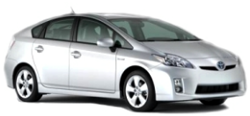
Toyota Prius (2011)
Latest News
Recent updates about Toyota Prius Hybrid
Search: "Toyota Prius Hybrid Prius (2011)"




Latest Automotive News
Stay updated with the latest happenings in the automotive world





Most Popular Cars
Based on Cars Popular on Autos

Ford Ranger Raptor

Hummer H2 SUV

Mercedes GLA 200 CDI Sport (Diesel)

Mahindra XUV500 4x4 Automatic
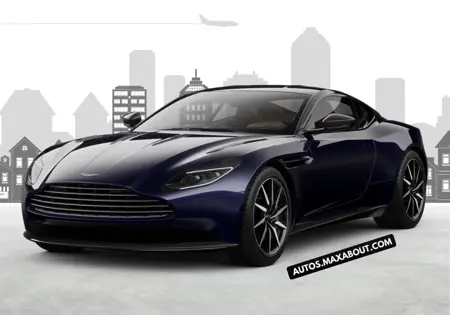
Aston Martin DB11 V8
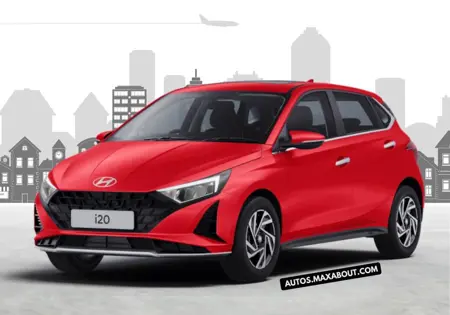
Hyundai i20 Sportz (O) IVT
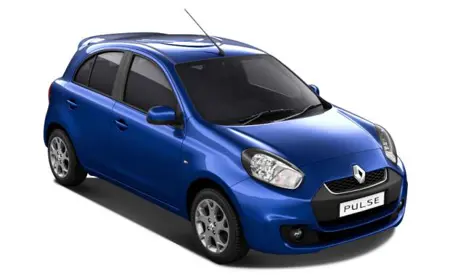
Renault Pulse Diesel RxL ABS
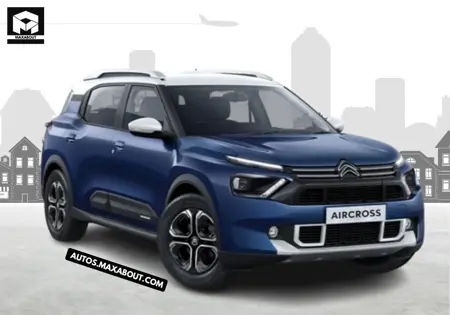
Citroen Aircross X You
Recently Added Cars
New Cars Added On Autos
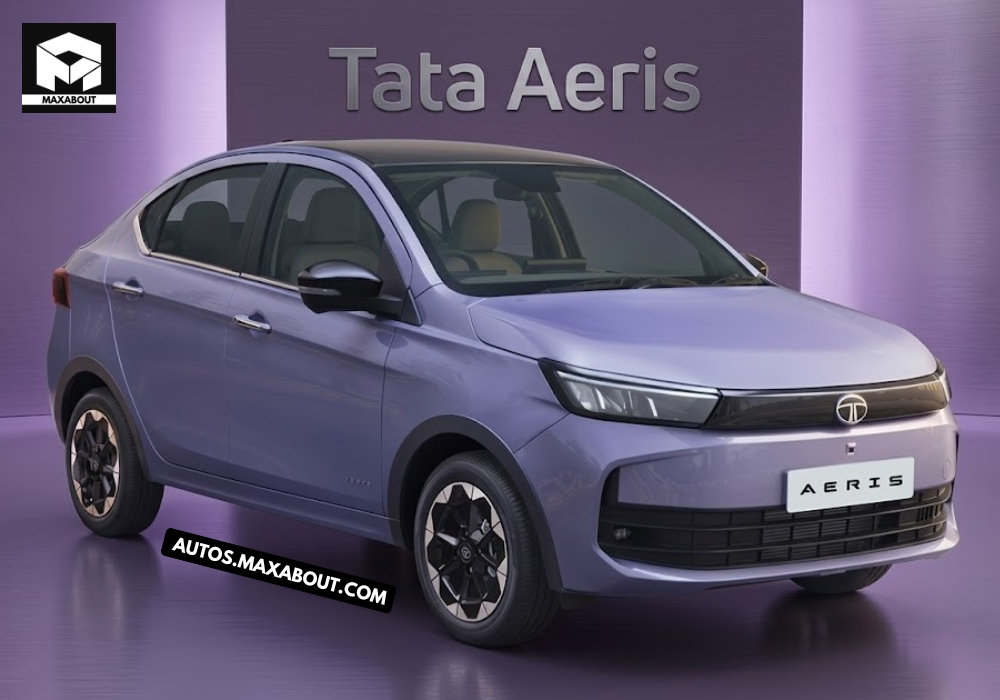
Tata Aeris Accomplished Petrol AMT
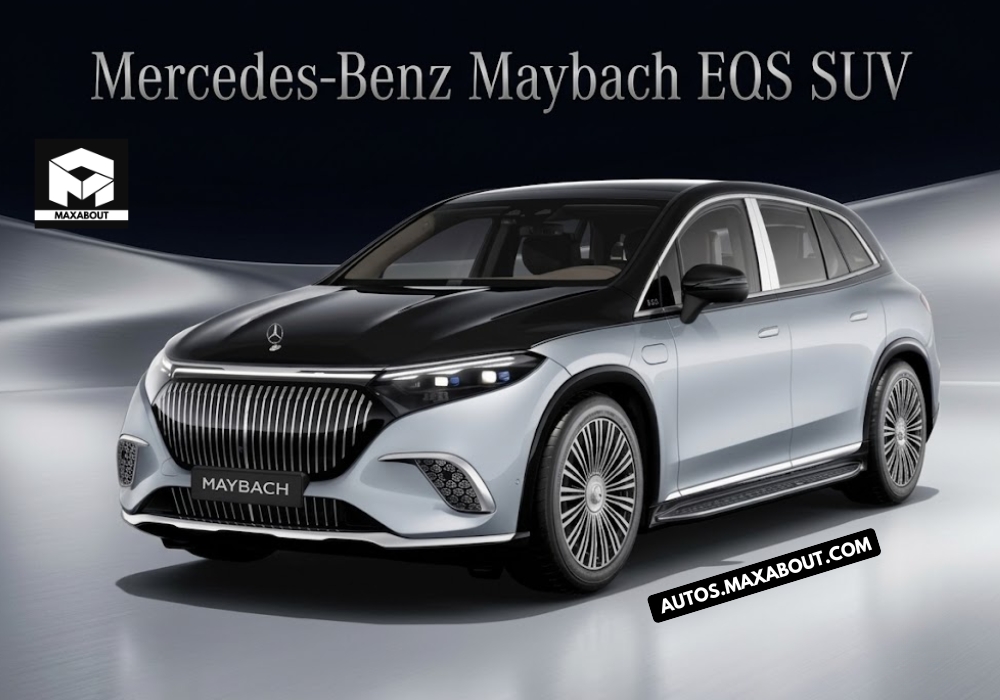
Mercedes Maybach EQS SUV Night Series

Mercedes G-Class Electric G 580
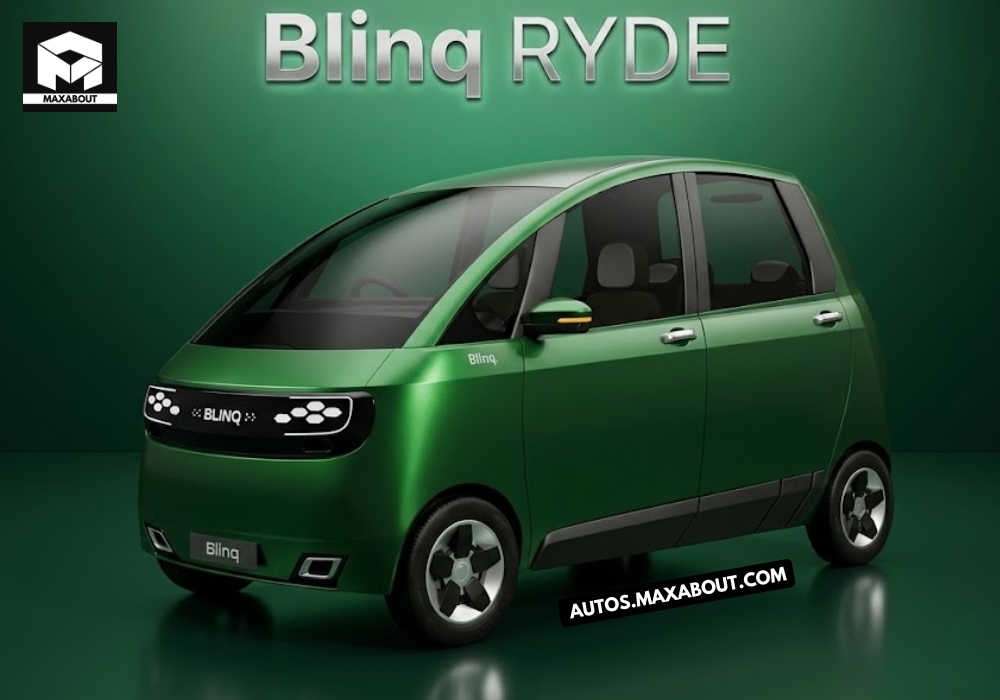
Blinq RYDE Fleets
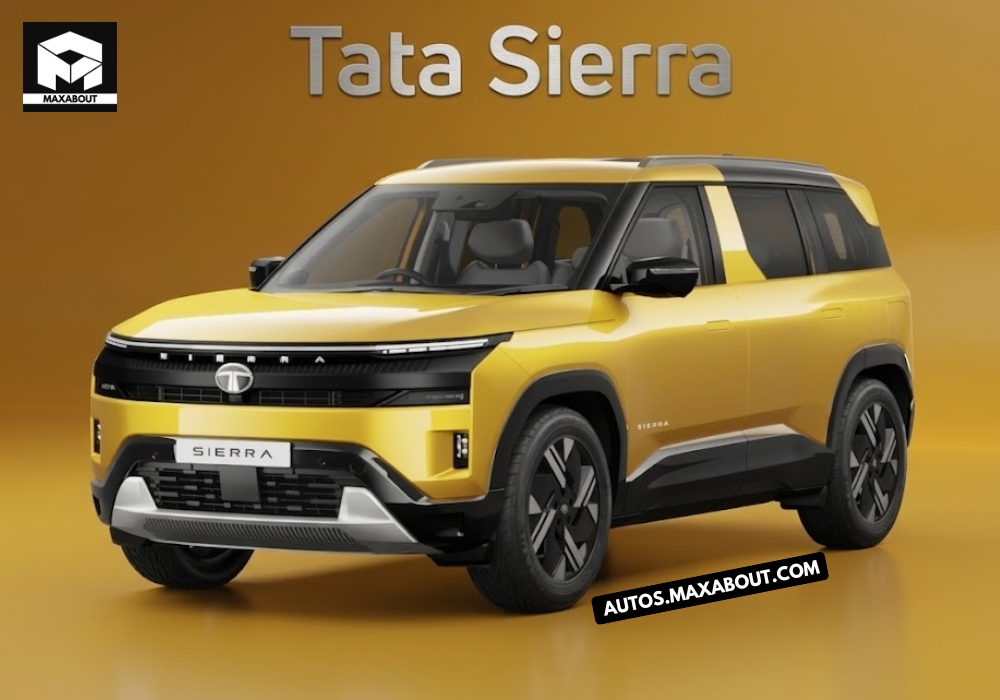
Tata Sierra Adventure Plus L Diesel AT

Mahindra Thar 2.2L ZXT 4WD Diesel AT
Kia Carens Clavis HTE (O) CNG

Mini Countryman Electric
Featured Cars
Our Editor's Choice