
6 Things to Know Before Buying the Yamaha XSR155 in 2025
IntroductionThe Yamaha XSR155 has captured significant attention in the neo-retro motorcycle segment, and for good reason. With its blend of vintage aesthetics and modern engineering, it's a compelling option for riders seeking something with character. Based on my analysis of this model and extensi...
By ahmed kamil
Automotive Journalist
Introduction
The Yamaha XSR155 has captured significant attention in the neo-retro motorcycle segment, and for good reason. With its blend of vintage aesthetics and modern engineering, it's a compelling option for riders seeking something with character. Based on my analysis of this model and extensive industry knowledge, there are several critical factors worth evaluating before making your purchase decision.
This lightweight motorcycle combines the reliable underpinnings of Yamaha's proven engineering with distinctive styling that makes it stand out in a crowded market. However, like any motorcycle purchase, it's essential to look beyond the attractive design and understand what you're really getting into. Let's examine the six most important things you should know before buying the Yamaha XSR155.
1. Engine Performance and Specifications
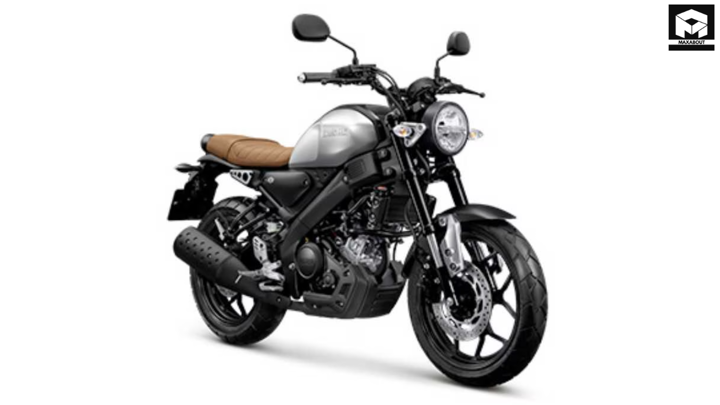
The XSR155 comes equipped with Yamaha's 155cc liquid-cooled, 4-stroke SOHC engine featuring Variable Valve Actuation (VVA) technology. This same powerplant is found in the R15 and MT-15, delivering approximately 19.3 horsepower and 14.7 Nm of torque.
What's particularly noteworthy about this engine is how it performs across different RPM ranges. The VVA technology helps deliver solid low-end torque while maintaining impressive top-end performance - something that riders consistently report in reviews and forums.
Key Technical Specifications
- Engine: 155cc, liquid-cooled, SOHC, 4-valve
- Power Output: Approximately 19.3 HP @ 10,000 RPM
- Torque: 14.7 Nm @ 8,500 RPM
- Transmission: 6-speed with assist and slipper clutch
- Fuel System: Electronic Fuel Injection
While these numbers might not seem extraordinary on paper, the motorcycle's relatively light weight (approximately 134 kg) results in a respectable power-to-weight ratio that provides nimble handling and satisfying acceleration for urban riding and weekend excursions.
2. Build Quality and Design Elements
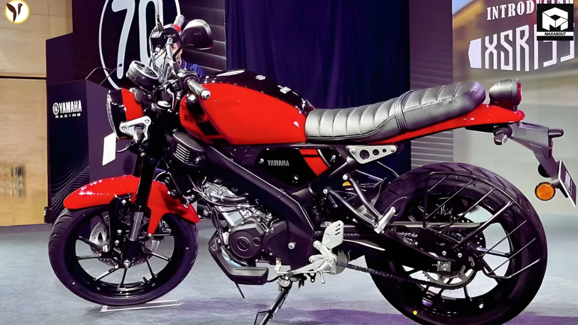
The XSR155's appeal largely stems from its neo-retro design philosophy, which combines vintage styling cues with modern components. According to dealer reports and user reviews, the build quality typically meets Yamaha's generally high standards, though there are some aspects worth noting.
Design Highlights
- Round LED headlight with vintage appeal but modern illumination
- Classic-styled fuel tank with aluminum side panels
- Single-piece flat seat with retro stitching
- Round LED taillight complementing the overall aesthetic
- Upright riding position offering good comfort for daily use
The attention to detail is evident in elements like the brushed aluminum accents and the contrast stitching on the seat. However, it's worth noting that some components, particularly the switchgear, don't always convey the same premium feel as higher-end models in Yamaha's lineup according to consistent feedback from owners forums.
The overall fit and finish are generally good for the price point, though some markets may see variations in specific components based on local regulations and manufacturing.
3. Riding Experience and Ergonomics
The XSR155 offers a unique riding experience that differs significantly from both sport bikes and standard commuters. Based on comprehensive rider feedback across various markets, there are some consistent themes that emerge.
Seating Position and Comfort
The relatively upright riding position makes the XSR155 comfortable for city commuting, with handlebars that don't force you into an aggressive stance. The seat height (around 810mm) is manageable for most riders, though shorter individuals might find it slightly challenging at stops.
Many users report that the stock seat, while visually appealing, can become uncomfortable during longer rides beyond 1-2 hours. This is a common observation in owner forums, with some riders opting for aftermarket seats for improved comfort on extended journeys.
Handling Characteristics
The lightweight chassis and responsive suspension setup give the XSR155 agile handling characteristics. The 41mm telescopic front forks and monocross rear suspension provide a balanced ride that's firm enough for spirited cornering while managing to absorb reasonable road imperfections.
Urban maneuverability is reportedly excellent, with the bike feeling nimble in traffic and easy to navigate through tight spaces. The turning radius is particularly praised in user reviews for city riding scenarios.
4. Maintenance Requirements and Costs
Understanding the maintenance aspects of the XSR155 is crucial before purchase. Based on service center data and owner experiences documented in forums, here's what prospective buyers should anticipate:
Service Intervals
The typical service schedule for the XSR155 includes:
- First service: 1,000 km or 1 month
- Second service: 5,000 km or 6 months
- Subsequent regular services: Every 5,000 km or 6 months
The liquid-cooled engine requires coolant checks and periodic replacement, unlike air-cooled alternatives. Additionally, the VVA system, while generally reliable, adds another layer of complexity compared to simpler engines.
Common Maintenance Costs
According to industry data, regular service costs for the XSR155 typically range from $30-$70 depending on your location and whether you're using official Yamaha service centers or independent mechanics. Parts availability is generally good in markets where the model is officially sold, though some markets may experience delays for specialized components.
Consumable items like chain maintenance, brake pads, and tires follow standard replacement schedules for motorcycles in this category. The 17-inch wheels allow for a wide selection of tire brands and profiles when replacements are needed.
5. Fuel Efficiency and Range
Fuel economy is an important consideration for most motorcycle buyers. The XSR155, with its modern fuel-injected engine, delivers respectable efficiency figures according to both manufacturer data and real-world owner reports.
Real-World Fuel Consumption
Based on aggregated user data from various markets, the XSR155 typically delivers:
- City riding: Approximately 35-40 km/l (82-94 mpg)
- Highway cruising: Approximately 40-45 km/l (94-106 mpg)
- Aggressive riding: Can drop to 28-32 km/l (66-75 mpg)
With its 10-liter fuel tank, this translates to a practical range of approximately 350-400 kilometers (217-248 miles) under mixed riding conditions - sufficient for most commuting and weekend recreational purposes.
The fuel efficiency is competitive within its segment, though it's worth noting that riding style and maintenance condition significantly impact these figures. Regular maintenance of the fuel injection system and air filter is particularly important for maintaining optimal efficiency.
6. Value for Money and Alternatives
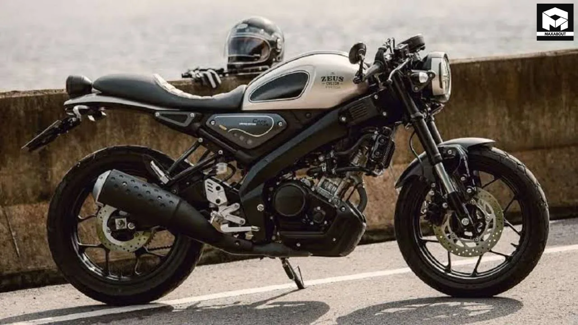
The XSR155's pricing positions it as a premium option in the small-displacement category. Understanding its value proposition requires comparing it with both direct competitors and alternatives from different segments.
Price Positioning
Depending on the market, the XSR155 typically commands a 10-15% premium over Yamaha's MT-15, despite sharing the same fundamental platform. This price differential reflects the unique styling, additional design elements, and potentially more limited production volumes.
Key Competitors to Consider
- Honda CB150R: Often priced similarly with comparable performance but different styling approach
- Yamaha MT-15: Same engine and platform with more aggressive styling at a lower price point
- Royal Enfield Meteor 350: Larger displacement with authentic retro design but less sporty performance
- Suzuki GSX-S150: Comparable performance with modern styling at a potentially lower price point
When evaluating value, consider not just the purchase price but also factors like resale value (Yamaha generally maintains good resale values), parts availability, and dealer network strength in your specific location. Market reports indicate that neo-retro models like the XSR155 often retain value better than standard designs due to their distinctive appeal.
Frequently Asked Questions
Is the Yamaha XSR155 suitable for beginners?
Based on industry expertise and user feedback, the XSR155 can be suitable for beginners due to its manageable power delivery and lightweight chassis. However, its premium positioning and relatively high seat height might make some newcomers hesitant. New riders consistently report quick adaptation to its handling characteristics.
How does the XSR155 perform on highways?
The XSR155 can maintain highway speeds comfortably, with the ability to cruise at 100-120 km/h. However, it lacks the power reserve of larger motorcycles for quick overtaking at highway speeds. Wind protection is minimal due to the naked bike design, making extended highway journeys potentially tiring according to owner reports.
Are aftermarket parts readily available for the XSR155?
The aftermarket support for the XSR155 has been growing steadily. Many universal accessories fit well, and there's an increasing range of model-specific parts available. Common modifications reported by owners include exhaust systems, seat replacements, and cosmetic enhancements to further personalize the retro aesthetic.
Conclusion
The Yamaha XSR155 represents an interesting proposition in the small-displacement motorcycle segment. It delivers a distinctive neo-retro experience without compromising on modern performance and reliability. From analyzing its technical specifications, user experiences, and market positioning, it's clear that this motorcycle appeals to those who value style alongside substance.
Before making your purchase decision, carefully consider your primary riding needs, budget constraints, and whether the unique character of the XSR155 justifies its premium positioning in your particular situation. While it may not be the most economical option purely on paper, the combination of performance, style, and Yamaha's engineering reputation creates a compelling package for the right rider.
If you prioritize distinctive design and enjoy the blend of vintage aesthetics with modern technology, the XSR155 offers a well-executed interpretation of this increasingly popular motorcycle philosophy. Just be sure to test ride one personally before committing, as the unique riding experience is something that specifications alone cannot fully convey.
No comments yet
Be the first to share your thoughts!
Want to read more automotive news?
Stay updated with the latest car launches, reviews, and industry insights.
Browse All News