The corporation intends to dominate the electric car market in India by introducing a variety of vehicles under its brand. Reports suggest the automobile would have a 72v lithium-ion battery. And it will deliver a range of 162 kilometres on a single charge and a top speed of 60 kilometres per hour. Tata has created a special Tata Nano EV for Ratan Tata, who has been spotted driving it around the city.
\n\n\n\n
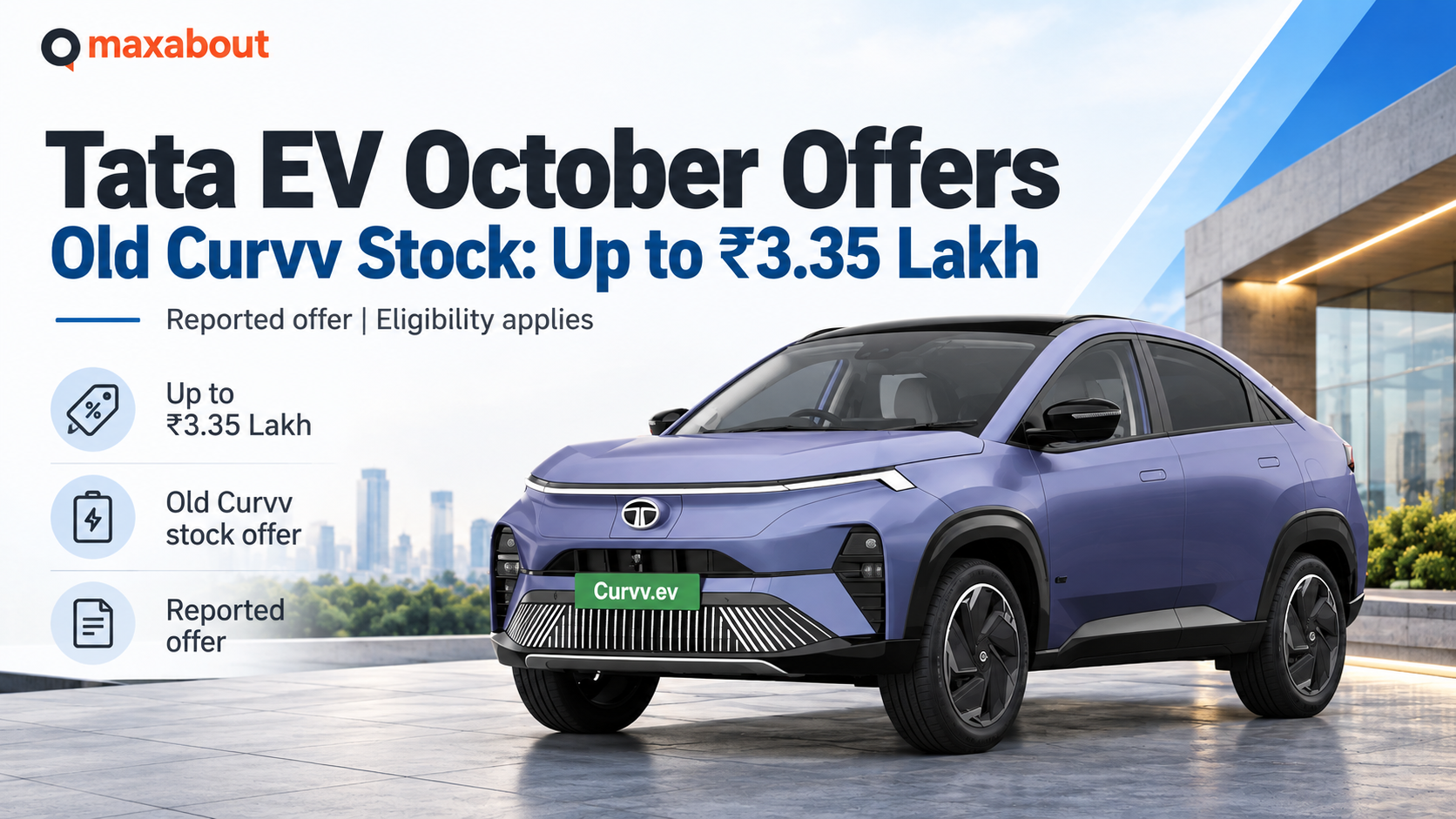
Tata Motors Limited has been a very aggressive player, particularly since the debut of the Nexon EV. With its existing Tata Nexon EV and Tata Tigor EV, the corporation has almost a 90% market share. Not only that, but the company has introduced the Tata Tiago EV, the cheapest EV under the Tata brand. The company plans to begin delivering cars in the first month of next year.
\n\n
\n\n\n\n
The Tata Nano, which was released in 2008 at an affordable price of Rs 1 lakh, was the cheapest automobile. Tata Motors hoped to create 2,50,000 automobiles per year, but due to poor market performance, it was unable to do so.
Tata Nano Electric Car Is Reportedly Coming - Here Are The Details
Tata's most affordable car, the Nano, may return in an electric form. Ratan Tata, an Indian industrialist and former chairman of Tata Sons, designed the Tata Nano. The company may release the vehicle with improved suspension, tyres, and design.
The corporation intends to dominate the electric ca...
Tata's most affordable car, the Nano, may return in an electric form. Ratan Tata, an Indian industrialist and former chairman of Tata Sons, designed the Tata Nano. The company may release the vehicle with improved suspension, tyres, and design.
The corporation intends to dominate the electric car market in India by introducing a variety of vehicles under its brand. Reports suggest the automobile would have a 72v lithium-ion battery. And it will deliver a range of 162 kilometres on a single charge and a top speed of 60 kilometres per hour. Tata has created a special Tata Nano EV for Ratan Tata, who has been spotted driving it around the city.
Tata Motors Limited has been a very aggressive player, particularly since the debut of the Nexon EV. With its existing Tata Nexon EV and Tata Tigor EV, the corporation has almost a 90% market share. Not only that, but the company has introduced the Tata Tiago EV, the cheapest EV under the Tata brand. The company plans to begin delivering cars in the first month of next year.
The Tata Nano, which was released in 2008 at an affordable price of Rs 1 lakh, was the cheapest automobile. Tata Motors hoped to create 2,50,000 automobiles per year, but due to poor market performance, it was unable to do so.
Specializes in: Electric Vehicles, Hybrid Technology
Immanuel Raja is an Automotive Writer with 8 years of experience covering the Indian automotive landscape. He specializes in Electric Vehicles and Hybrid Technology, with particular expertise in battery systems, charging infrastructure, and the integration of alternative powertrains in Indian road conditions. Raja has extensively tested over 200 vehicles across various segments, from entry-level EVs to premium hybrids, developing nuanced insights into their performance on India's diverse and challenging roads. His analysis encompasses both technical specifications and practical ownership considerations that matter to Indian consumers, including charging accessibility, maintenance costs, and performance in extreme weather conditions. With a finger on the pulse of India's evolving automotive preferences, Raja delivers clear, factual assessments that help readers navigate the transition to electrified mobility in the context of India's unique market dynamics.
About the Author
Want to read more automotive news?
Stay updated with the latest car launches, reviews, and industry insights.