
Ola Electric Scooter at Rs 50K: What’s Behind the Price Drop Amid Declining Sales?
Ola Electric Scooter The Ups and Downs of Sales It hasn’t been smooth sailing for Ola. In March, they managed to sell 50,000 scooters. But by April, that number had plummeted to 33,000. May saw a slight improvement, with sales climbing back to over 37,000. What does this tell me? Ola’s fighti...
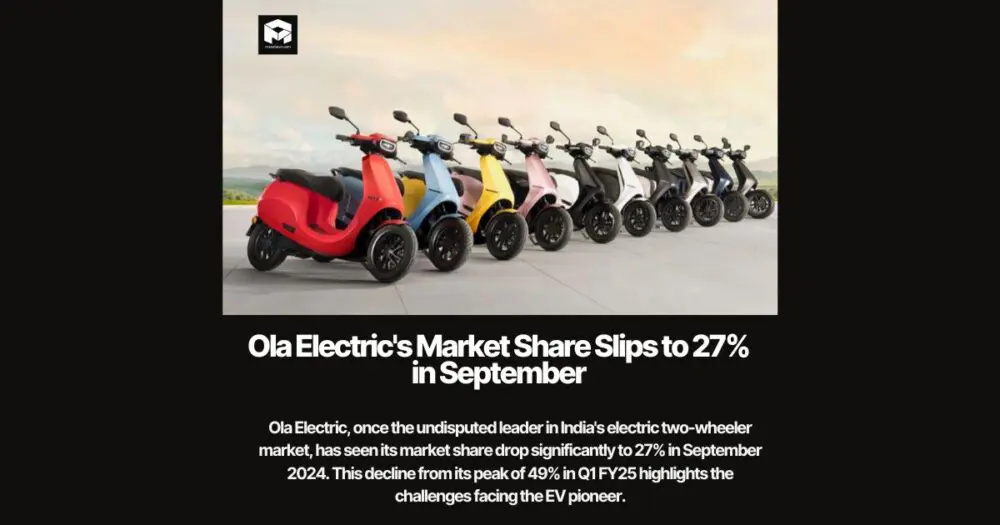
The Ups and Downs of Sales
It hasn’t been smooth sailing for Ola. In March, they managed to sell 50,000 scooters. But by April, that number had plummeted to 33,000. May saw a slight improvement, with sales climbing back to over 37,000. What does this tell me? Ola’s fighting an uphill battle, but there’s definitely room for improvement as warmer months increase demand.
Ola vs. the Competition
The competition is fierce. Here’s a quick snapshot of how Ola compares:
| Brand | Market Share (%) | Units Sold (May) |
|---|---|---|
| Ola Electric | 50 | 37,000 |
| TVS Motors | 19 | 14,000 |
| Bajaj Auto | 12 | 8,000 |
Ola’s still leading, but it’s not by as much as they’d like, especially with rivals constantly stepping up their game.
Ola’s Game Plan Moving Forward
Ola’s got a few tricks up their sleeve to try and boost sales:
- Price Reductions: Keep prices low to bring in more buyers.
- Marketing Push: They’re ramping up ad campaigns to remind folks that Ola’s here and leading.
- Better Customer Support: Expanding service networks means more accessible maintenance, which can only help.
If Ola can execute these plans well, they’ve got a decent chance of stabilizing sales and keeping that top spot.
Technological Advancements and Cost Efficiency
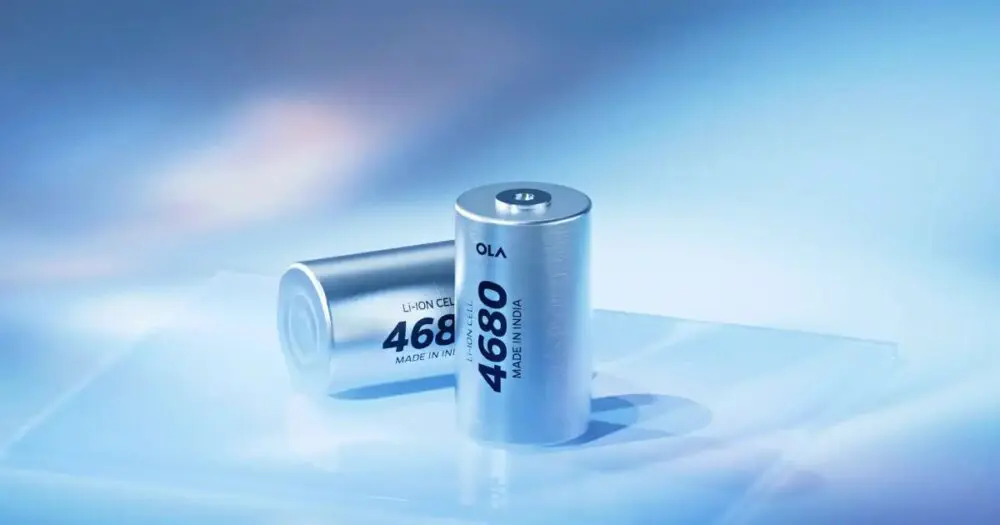
Battery Technology: Enter the Bharat Cell
Ola’s working on a new lithium cell battery they’re calling the Bharat Cell. This battery is supposed to be both cheap and efficient. I think this could be a game changer. A cheaper, homegrown battery means lower production costs, and that’s what could keep prices low for us buyers.
Manufacturing Cost Cuts
Lowering the price of a scooter isn’t just about finding a government subsidy. It’s also about reducing the cost of making them in the first place. Here’s what Ola’s been up to:
- Automation: They’re using more robots on the production line—more efficient, less human error, lower costs.
- Cheaper Materials: Sourcing materials more effectively, but without sacrificing the quality we all expect.
- Economies of Scale: Producing more scooters means each one costs less to make. Pretty straightforward stuff.
What’s Next for Tech?
Ola’s got some plans for further innovation, which is honestly exciting:
- Smart Features: More tech inside the scooter for a better ride—maybe better navigation or entertainment options.
- Eco-Friendly Materials: They’re pushing for more sustainable production processes, which is great for everyone.
- Fast-Charging Expansion: More charging stations mean less worry about running out of juice on a ride.
These advancements aren’t just about making scooters cheaper—they’re about making them better, which is exactly what Ola needs to stay ahead.
How Does the Price Cut Affect Ola’s Financial Health?
Revenue: The Trade-Off
So, what happens to Ola’s revenue when they drop the price of their scooters like this? Well, there are two sides to it. On one hand, they might sell a lot more scooters, which is great. On the other, the profit per scooter is obviously going to be less.
Profit Margins: Thinner, But Maybe Worth It?
Profit margins are going to take a hit—that’s inevitable. Here are a few key things to think about:
- Lower Selling Price: Less profit per scooter.
- Sales Volume Balance: If they sell enough scooters, it might balance out.
- Cost Management: They’ve got to keep a tight lid on costs if they want this to work.
Investor Reactions: Optimistic but Cautious
Investors are watching closely. Some are worried about long-term profitability, especially if prices stay this low. But if sales take off, this could end up being a genius move. As Ola gears up for an IPO, everything hinges on how this pricing strategy plays out.
[totalpoll id="662265"]Ola Electric vs. Other EV Manufacturers: How Do They Compare?
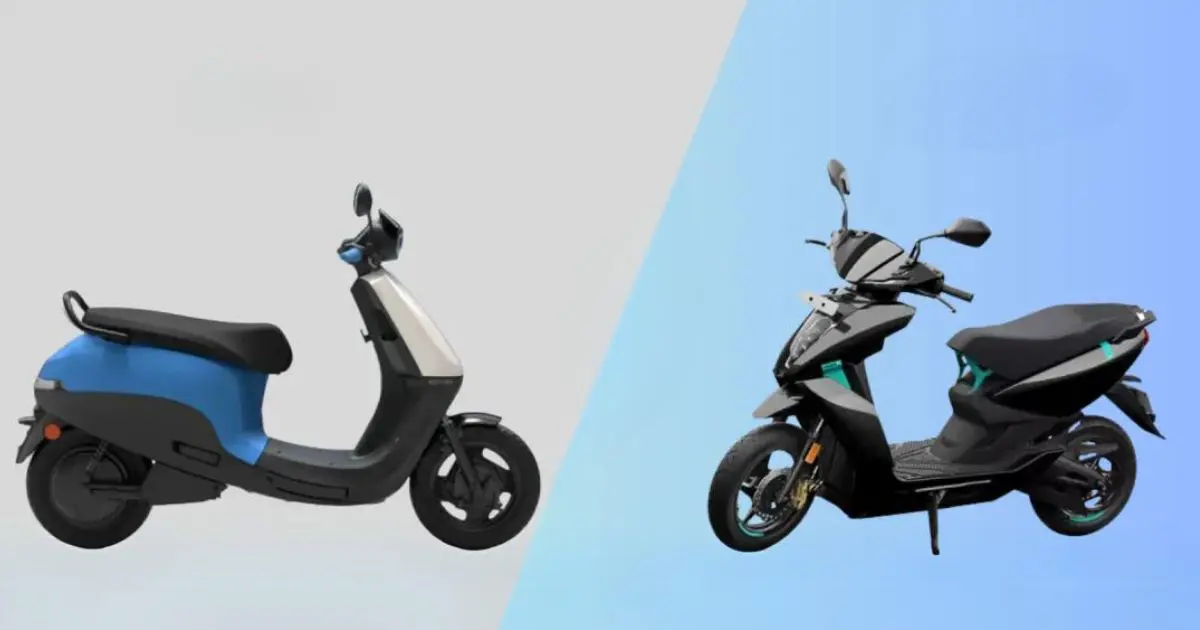
Price Comparison
Let’s compare Ola to some of the other big names in the market:
| Manufacturer | Model | Price (Rs) |
|---|---|---|
| Ola Electric | Ola S1 | 50,000 |
| Ather Energy | Ather 450X | 1,30,000 |
| Bajaj Auto | Chetak | 1,20,000 |
| TVS Motor | iQube | 1,00,000 |
Ola is coming in way lower than the competition, and that’s bound to make an impact.
Feature Comparison
Ola’s scooters come packed with features that make them attractive:
- Smart Connectivity: There’s a mobile app for controlling settings and getting data on your scooter.
- Fast Charging: Quick recharge times mean less downtime.
- High-Performance Battery: That Bharat Cell is going to be something to watch.
Other brands might have fancier features, but you’re going to pay a lot more for them. For Rs 50,000, Ola’s offering a solid package.
Market Performance
Ola’s leading in sales, but competition is tough:
- Ather Energy: They’re focusing on premium features and charging a premium price.
- Bajaj Auto: They’ve got a loyal customer base and brand recognition.
- TVS Motor: They’re expanding fast and making moves to capture more of the electric market.
In a nutshell, Ola’s low price is making waves, but they can’t rest on that alone. They’ve got to keep innovating.
Final Thoughts
Ola’s big price drop to Rs 50,000 is a bold strategy to tackle declining sales. With electric scooter sales down by 50% in April—partly thanks to changes in government subsidies—they needed a way to grab people’s attention again. Cutting prices and extending warranties are smart moves to attract new buyers. As summer rolls in, we might see demand pick up, which could help Ola bounce back. The big question, though, is whether they can keep the quality up and adapt to market changes quickly enough. Time will tell, but for now, it’s an exciting moment for anyone eyeing an affordable electric scooter.
Frequently Asked Questions
Why has Ola Electric reduced the price of its scooters?
Ola Electric dropped the prices to attract more buyers and compete better in the market. Sales had been declining, and they needed to shake things up.
What impact will the price drop have on sales?
The price cut should help boost sales by making the scooters affordable to more people.
How does Ola Electric's price compare to its competitors?
Ola’s prices are now way more competitive, which could help them regain market share against rivals like Ather and Bajaj.
What are the reasons behind the decline in sales for Ola Electric?
Sales dropped because of changes in government subsidies and some seasonal factors that slowed down demand.
What are the new government incentives for electric vehicles?
The government’s introduced new subsidies under the Electric Mobility Promotion Scheme, which should support electric vehicle sales.
How do consumers feel about the price reduction?
There’s a mix of reactions—some people are thrilled, while others are a bit cautious, wondering if quality will suffer.
What technological improvements has Ola made to its scooters?
Ola’s been working on new battery tech and more efficient manufacturing processes to bring costs down while improving performance.
What does the future look like for Ola Electric scooters?
The future could be bright if Ola can adapt to market changes and keep customers interested with new tech and affordable pricing.
Explore the story
Related news
Share your view and join the discussion.
Earn reward points for every comment and get a chance to win ₹1,000 in our weekly lucky draw. Sign in with Google in one tap.
Start the conversation
No one has commented on this article yet. Be the first to share your view.
Want to read more automotive news?
Stay updated with the latest car launches, reviews, and industry insights.
Browse All News