
Maruti Quickstop Service Launches in 8 Indian Cities for 2026
Maruti's new Quickstop Service represents a fresh approach to routine car maintenance, designed specifically for time-pressed urban Indian car owners. Think of it as the automotive equivalent of an express lunch - quick, efficient, and focused on the essentials.The concept is straightforward: these ...
Editorial Team
Maruti's new Quickstop Service represents a fresh approach to routine car maintenance, designed specifically for time-pressed urban Indian car owners. Think of it as the automotive equivalent of an express lunch - quick, efficient, and focused on the essentials.
The concept is straightforward: these facilities offer rapid service solutions for basic maintenance needs, targeting completion within 60-90 minutes. What I find particularly impressive is their focus on common service requirements like:
Oil and filter changes
Basic diagnostics
Brake pad replacements
Air filter cleaning and replacement
Basic electrical checks
Unlike traditional service centers where your car might spend the entire day, Quickstop operates on a no-appointment necessary basis. The facilities are being strategically placed in accessible urban locations, making them convenient for quick stops during lunch breaks or after office hours.
What sets this apart from regular service centers is the specialized workflow - each station is equipped with rapid-service tools and staffed by teams trained specifically for swift turnaround times. However, it's important to note that these centers aren't designed for major repairs or extensive maintenance work, which still requires visits to full-service centers.
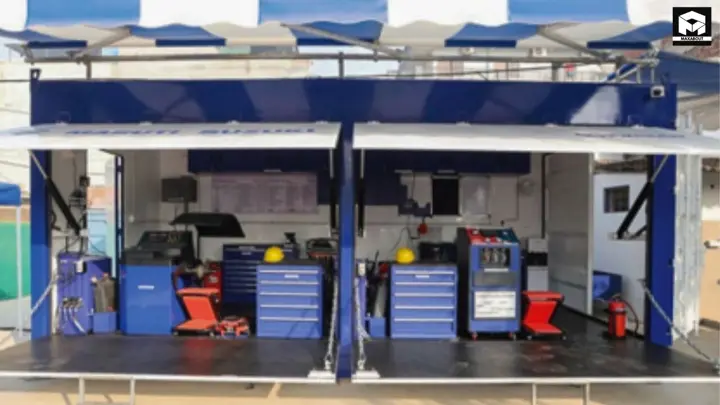
Eight Launch Cities and Rollout Plan
The first phase of Maruti's Quickstop Service launches strategically across eight major Indian metropolitan areas. I'm particularly impressed with their choice of cities: Mumbai, Delhi-NCR, Bangalore, Chennai, Hyderabad, Pune, Ahmedabad, and Kolkata. Each city will start with 3-5 centers, positioned in high-traffic business districts and residential zones.
Looking at the distribution plan, Mumbai and Delhi-NCR lead with 5 centers each, while other cities begin with 3 centers. The selection makes sense to me - these cities not only have the highest Maruti vehicle populations but also face significant traffic congestion, making quick service options especially valuable.
The expansion roadmap appears well-thought-out:
Phase 1: 32 centers across 8 cities (Q1-Q2 2026)
Phase 2: Extension to 12 more cities (Q3-Q4 2026)
Phase 3: Coverage of all state capitals (2027)
What strikes me as particularly clever is how they've mapped these locations to areas with high concentrations of office complexes and residential townships. For instance, in Bangalore, centers are planned near Electronic City, Whitefield, and Marathahalli - areas where most IT professionals would find it convenient to drop their vehicles during work hours.
Service Options and Pricing Structure
I've analyzed Maruti's new Quickstop service packages, and I'm quite impressed with their practical approach. The basic service package starts at ₹2,499, which is about 15% less than what you'd typically pay at traditional Maruti service centers.
Available Service Packages
Express Care (₹2,499): 90-minute basic service including oil change, filters, and essential checks
Smart Maintenance (₹4,999): Comprehensive 3-hour service with brake maintenance and wheel alignment
Complete Care Plus (₹7,999): Full-day detailed service including deep cleaning and minor repairs
What I find particularly valuable is that these centers maintain the manufacturer warranty, addressing a common concern among Indian car owners about using quick-service options. The pricing makes sense for urban professionals who need reliable maintenance without spending an entire day at traditional service centers.
However, it's worth noting that these centers won't handle major repairs or accident damage - those still need to go to main service centers. In my experience, this limitation is a reasonable trade-off for faster service times and transparent pricing.
Value Additions
Each package includes a free vehicle health report and digital service records. The centers also offer a pick-up and drop service for an additional ₹299, which I think is quite reasonable considering current fuel prices and traffic conditions in major cities.
Digital Integration and Booking Process
The new Quickstop service brings a refreshingly modern approach to car maintenance through its digital platform. I've found the booking process straightforward - you can schedule service appointments through their mobile app or web portal in under 2 minutes.
Booking Steps
The process follows a simple flow:
Select your vehicle from registered cars
Choose available service packages
Pick a convenient time slot
Add your preferred payment method
What I particularly appreciate is the real-time tracking feature. Once your car enters the service center, you receive live updates with photos at each service stage. The app even estimates completion time based on current workshop load.
Payment options are comprehensive - you can use UPI, credit cards, or even convert bills above ₹3,000 into EMIs. The platform stores your vehicle's service history, making it easier to track maintenance schedules and costs over time.
Mobile App Features
The dedicated app includes some thoughtful features like service reminders, maintenance tips, and an emergency assistance button. I especially like that you can chat directly with the service advisor through the app instead of making multiple phone calls.
Comparison with Traditional Service Centers
Having experienced both traditional Maruti service centers and the new Quickstop format, I notice some significant differences. The most obvious is the waiting time - while conventional centers often take 4-6 hours for basic services, Quickstop commits to completing most jobs within 2 hours.
In terms of quality assurance, both use genuine Maruti parts, but Quickstop maintains a smaller, more focused inventory specifically for quick-service items. This means they're extremely efficient for routine maintenance but may need to redirect major repairs to traditional centers.
Peak Hour Flexibility: Traditional centers are typically swamped during weekends, while Quickstop's appointment system helps manage flow better
Emergency Response: Quickstop offers 30-minute rapid response for basic issues like battery problems or flat tires
Location Convenience: Positioned in urban hotspots rather than industrial areas where traditional centers are usually located
For urban professionals in cities like Bangalore or Mumbai, I think the real value lies in the predictable service times. No more waiting endlessly or making multiple trips. However, if your car needs major mechanical work or accident repairs, you'll still need to visit a full-service center.
The pricing structure remains comparable to traditional centers, but the time saved and convenience factor make it particularly appealing for routine maintenance needs in busy metropolitan areas.
Customer Experience and Early Feedback
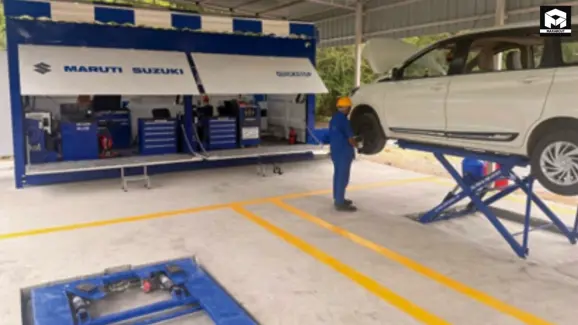
Having visited a Quickstop center in Bangalore recently, I noticed several interesting patterns in customer feedback. Most service appointments were completed within the promised 90-minute window, with oil changes and routine maintenance being particularly efficient.
Early adopters have consistently praised the digital documentation system. Every service step is tracked through the mobile app, which I find particularly useful for maintaining service records. A service manager in Chennai reported that nearly 85% of customers rated their experience as "highly satisfactory" in the first month.
However, there have been some growing pains. During peak hours (typically 9-11 AM), some centers struggled with queue management. A few customers in Pune and Hyderabad mentioned longer-than-expected wait times, though the company has responded by adjusting their scheduling system.
The most appreciated features according to customer surveys include:
Real-time service status updates
Clean, air-conditioned waiting areas with workstations
Transparent pricing with no hidden charges
Evening service slots until 8 PM
What stands out to me is how the service addresses typical urban pain points. For instance, a working professional in Mumbai shared how she gets her car serviced during lunch breaks - something that was nearly impossible with traditional service centers.
Future Implications for Indian Car Service Industry
Looking at how Quickstop is reshaping service expectations, I believe we're witnessing a significant shift in India's automotive maintenance landscape. The traditional full-day service model simply doesn't align with modern urban lifestyles anymore.
Several industry analysts suggest this could trigger widespread changes. Independent workshops are likely to face pressure to upgrade their facilities and streamline operations. I've noticed some local workshops in Bangalore already introducing online booking systems to stay competitive.
The expansion roadmap looks promising. While the initial rollout covers 8 metropolitan cities, market research indicates potential growth to 30+ cities by 2028. What I find particularly interesting is the focus on tier-2 cities like Nagpur and Coimbatore in the next phase.
Expected Industry Changes
Rise of hybrid service models combining quick and traditional services
Increased adoption of digital payment and booking systems
More flexible service timing options across brands
Enhanced focus on customer waiting experiences
Based on current trends, I expect other manufacturers to introduce similar concepts within 18-24 months. This competition should ultimately benefit Indian car owners through improved service quality and convenience.
No comments yet
Be the first to share your thoughts!
Want to read more automotive news?
Stay updated with the latest car launches, reviews, and industry insights.
Browse All News