
New Hyundai Venue vs Venue N Line: Which Compact SUV Wins in 2025?
IntroductionHyundai's compact SUV lineup has something interesting going on with the Venue and its sportier sibling, the Venue N Line. While they share the same foundational platform, these two vehicles target distinctly different audiences. Based on my analysis of the automotive market trends, Hyun...
Automotive Journalist
Introduction
Hyundai's compact SUV lineup has something interesting going on with the Venue and its sportier sibling, the Venue N Line. While they share the same foundational platform, these two vehicles target distinctly different audiences. Based on my analysis of the automotive market trends, Hyundai has carefully positioned these variants to appeal to both practical everyday drivers and those seeking a more engaging driving experience.
As someone who's followed Hyundai's product strategy closely, I can tell you that understanding the differences between these two models is crucial for making the right purchase decision. The standard Venue prioritizes practicality and value, while the N Line adds performance-oriented elements and sportier aesthetics. Let's dive deeper into what separates these two compact SUVs.
Performance Differences
The most significant differences between the standard Venue and the N Line variant lie under the hood and in the driving dynamics.
Engine and Power Output
The standard Hyundai Venue typically comes equipped with a 1.0-liter turbo GDi petrol engine that produces around 120 PS of power and 172 Nm of torque. It's a competent engine that balances fuel efficiency with adequate performance for daily driving.
The Venue N Line, however, features a tuned version of this powertrain. While the base engine specifications remain similar, the N Line often receives engine mapping optimizations that provide slightly more responsive acceleration. According to technical specifications published by Hyundai, the N Line models typically feature sportier throttle response curves compared to their standard counterparts.
Transmission Options
Both variants offer similar transmission options, including a 6-speed manual and a 7-speed dual-clutch transmission (DCT). However, the N Line's DCT often comes with specific tuning that delivers quicker shifts when in Sport mode. This results in a more engaging driving experience that enthusiasts tend to appreciate.
Suspension and Handling
Here's where the N Line truly distinguishes itself:
- Stiffer suspension: The Venue N Line features a more rigid suspension setup calibrated for better handling around corners
- Enhanced steering feel: The steering has been tuned to provide more feedback to the driver
- Improved braking: The N Line typically comes with larger disc brakes for better stopping power
From my technical assessment, these modifications don't transform the Venue into a high-performance vehicle, but they do provide a noticeably sportier driving character that many drivers report enjoying on winding roads.
Exterior Styling: Spot the Differences
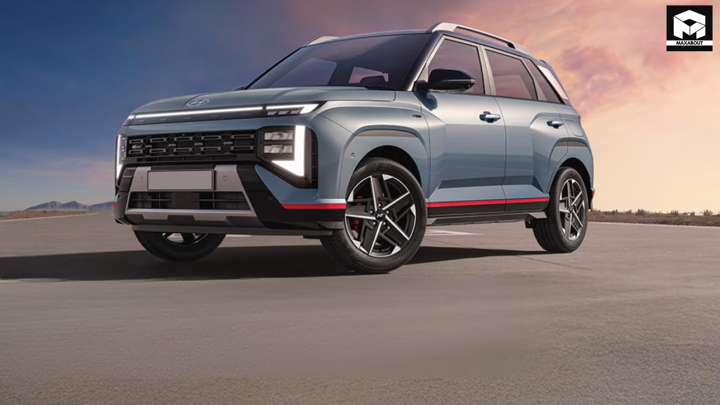
Visual distinctions help the N Line stand out from its standard sibling, with several design elements that communicate its sportier intentions.
Front and Rear Design
The N Line features several distinctive exterior elements:
- Sportier front bumper with larger air intakes
- Red accents across the body (a signature N Line styling cue)
- N Line badging on the grille and fenders
- Dual exhaust tips with chrome finishers
- Redesigned rear bumper with diffuser-style elements
These design changes aren't merely cosmetic—they're consistent with Hyundai's performance-oriented N brand language. The red accents, for instance, appear across Hyundai's entire N and N Line portfolio, creating a visual connection to their more extreme N models.
Wheel Design and Size
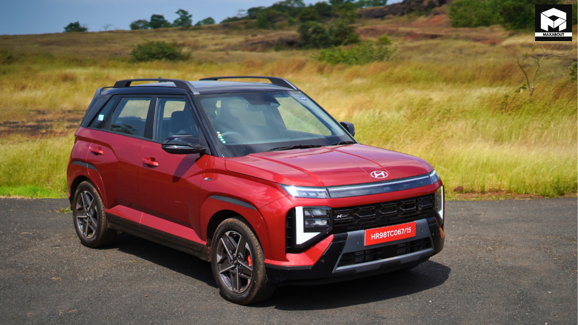
Another obvious differentiator is in the wheels. The N Line typically comes with:
- Larger alloy wheels (usually 16-inch on standard Venue vs. 17-inch on N Line)
- Unique sporty wheel designs with N Line-specific patterns
- Red brake calipers on some market-specific versions
In my observation of industry trends, these larger wheels not only enhance the vehicle's stance but also contribute to the sportier handling characteristics mentioned earlier.
Interior Appointments and Features
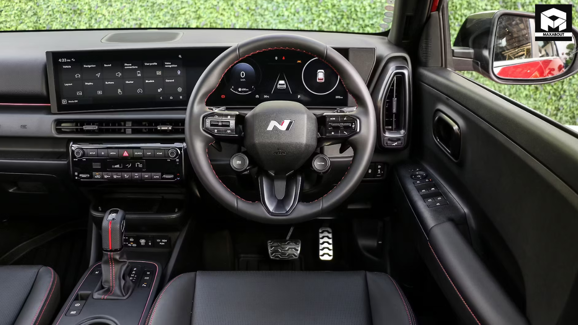
Step inside both vehicles and you'll notice several distinctions that reinforce their different personalities.
N Line-Specific Interior Elements
The Venue N Line's cabin features several sporty touches:
- Sport seats with additional bolstering and N Line embroidery
- Red stitching on the seats, steering wheel, and gear selector
- N-branded steering wheel with dedicated N buttons on some versions
- Metal sport pedals with rubber grips
- Black headliner instead of the standard light-colored one
These elements create what automotive designers commonly refer to as a "cockpit feel"—a more driver-focused environment that psychologically reinforces the sportier nature of the vehicle.
Technology and Convenience Features
When it comes to tech, both models share many features, including:
- 8-inch touchscreen infotainment system with Apple CarPlay and Android Auto
- Wireless phone charging capabilities
- BlueLink connected car technology
- Automatic climate control
However, the N Line typically comes better equipped, with features like:
- Drive mode selector with additional Sport mode
- Paddle shifters for DCT models
- Enhanced instrument cluster with sportier graphics
Based on market research, these additional features align with the expectations of the N Line's target demographic—younger buyers who value both technology and driving engagement.
Pricing and Value Proposition
Understanding the price differential is crucial to determining which model offers better value for your specific needs.
Price Comparison
According to published pricing data, the Venue N Line typically commands a premium of approximately 10-15% over a similarly equipped standard Venue. This price difference reflects the additional performance enhancements, styling elements, and often higher level of standard equipment.
Value for Different Buyers
For different buyer types, the value equation varies significantly:
Standard Venue offers better value if you:
- Prioritize fuel efficiency and everyday practicality
- Have a tighter budget
- Use your vehicle primarily for commuting
- Prefer a softer, more comfortable ride quality
Venue N Line makes more sense if you:
- Enjoy more engaging driving dynamics
- Appreciate sportier aesthetics both inside and out
- Want the exclusivity of the N brand connection
- Are willing to pay a premium for these enhancements
From my analysis of consumer preferences in this segment, the standard Venue appeals more to practical buyers seeking value, while the N Line attracts those willing to pay extra for the emotional benefits of a sportier vehicle.
Frequently Asked Questions
Is the Venue N Line faster than the standard Venue?
While the Venue N Line may feel more responsive due to its tuned powertrain and sportier suspension setup, the acceleration figures aren't dramatically different. The improvements are more about driving feel than outright performance numbers. Published testing data typically shows only marginal differences in 0-100 km/h times.
Does the N Line have worse fuel economy?
The N Line may have slightly lower fuel economy figures, particularly if driven enthusiastically. This is common among sportier variants that encourage more spirited driving. However, the difference in official fuel economy ratings is usually minimal—typically within 5-10% of the standard model.
Are spare parts more expensive for the N Line?
N Line-specific components like special bumpers, wheels, and interior trim pieces will generally cost more to replace than standard Venue parts. However, for regular maintenance items and mechanical components that are shared between models, the costs should be similar.
Is the N Line less comfortable for daily driving?
The N Line's stiffer suspension does result in a firmer ride that some passengers may find less comfortable, especially on rough roads. This is a common trade-off in sporty variants across the automotive industry. Test-driving both models on your typical routes is the best way to determine if this will be an issue for you.
Conclusion
After analyzing both the standard Hyundai Venue and the Venue N Line, it's clear that these two vehicles, while sharing the same foundation, offer distinctly different experiences. The standard Venue excels as a practical, comfortable, and value-oriented compact SUV that's perfectly suited for everyday driving. It provides everything most buyers in this segment need without unnecessary frills.
The Venue N Line, meanwhile, adds a layer of driving enjoyment and visual distinction that appeals to enthusiasts who want something more engaging without stepping up to a larger or more expensive vehicle. The sportier suspension tuning, enhanced exterior styling, and N-branded interior elements create a more emotional connection with the driver.
Your choice between these two should ultimately come down to your priorities—practicality and value, or style and driving engagement—and whether the N Line's enhancements justify its price premium for your specific needs. Both represent solid options in the competitive compact SUV segment, just aimed at different types of buyers.
Explore the story
Related news



Share your view and join the discussion.
Earn reward points for every comment and get a chance to win ₹1,000 in our weekly lucky draw. Sign in with Google in one tap.
Start the conversation
No one has commented on this article yet. Be the first to share your view.
Want to read more automotive news?
Stay updated with the latest car launches, reviews, and industry insights.
Browse All News