
Honda Next-Gen Hybrid Platforms Revealed for 2025
IntroductionHonda has recently pulled back the curtain on its next-generation hybrid technology platforms, and I've been analyzing what this means for the brand's future. This announcement represents a significant evolution in Honda's electrification strategy that could reshape its product lineup fo...
Introduction
Honda has recently pulled back the curtain on its next-generation hybrid technology platforms, and I've been analyzing what this means for the brand's future. This announcement represents a significant evolution in Honda's electrification strategy that could reshape its product lineup for years to come.
The Japanese automaker has been relatively quiet about its electrification plans compared to some competitors, but this latest announcement signals Honda's commitment to hybrid technology as a crucial bridge in its broader transition to fully electric vehicles. Having followed automotive technology trends for years, I can tell you this move aligns with Honda's methodical, engineering-focused approach to innovation.
Hnda's New Hybrid Architectureo: Technical Specifications
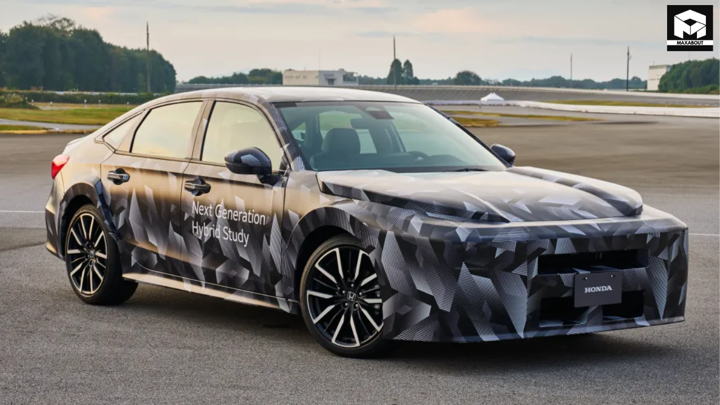
The next-generation hybrid platforms Honda has revealed are built around a completely redesigned powertrain system. According to the official announcement, the new architecture features significant improvements over the current systems found in vehicles like the CR-V Hybrid and Accord Hybrid.
Enhanced Power Density and Efficiency
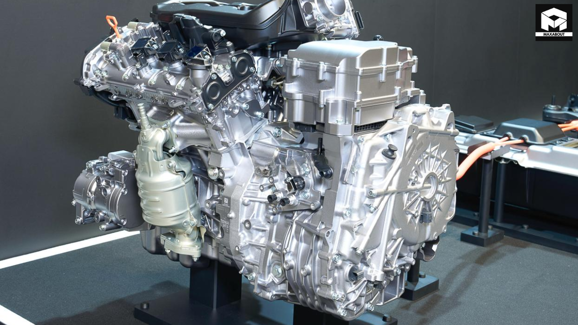
Honda engineers have developed a more compact electric motor system that delivers approximately 20% higher power density than current models while reducing overall weight. This is achieved through:
- Advanced magnet technology using fewer rare earth materials
- Redesigned stator coils for improved power transfer
- More efficient cooling systems that allow sustained performance
The gasoline engine component has also been refined with higher thermal efficiency, reportedly between 40-41% in ideal conditions, putting it near the top of the industry for production engines.
Battery Technology Improvements
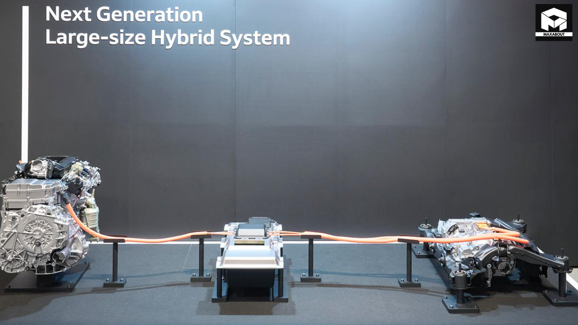
The battery packs for these next-generation platforms feature notable advancements:
- Higher energy density lithium-ion cells, providing approximately 15% more capacity in the same physical space
- Improved thermal management systems that extend battery life
- Enhanced power control units that optimize electricity flow between components
From what industry analysts have reported, these improvements should translate to better electric-only range in daily driving situations, though Honda hasn't released specific figures yet.
Implementation Across Honda's Vehicle Lineup
One of the most significant aspects of Honda's announcement is how broadly they plan to implement this new hybrid technology across their vehicle lineup. The platform appears designed for scalability across multiple vehicle segments.
Confirmed and Expected Vehicle Applications
Honda has confirmed that the next-generation hybrid technology will first appear in:
- The next-generation CR-V (expected late 2024)
- An updated Accord model
- The completely redesigned Civic Hybrid
Industry reports suggest we'll likely see this technology expand to other models including:
- The HR-V compact crossover
- A potential hybrid version of the Pilot
- Possible implementation in Acura models
Production Timeline and Manufacturing Locations
According to Honda's announcement, production of vehicles with these new hybrid systems will begin in late 2024, with manufacturing taking place at:
- Honda's Ohio manufacturing facilities for North American models
- Japanese production plants for global distribution
- Additional regional manufacturing hubs to be announced
This multi-region production strategy indicates Honda's significant commitment to this technology as a core part of its global lineup.
Market Positioning and Strategy
Honda's approach with these next-generation hybrids reveals a thoughtful positioning in the electrification landscape. Rather than rushing to all-electric vehicles across their entire lineup, Honda appears to be taking a more measured approach.
Bridging Technology During Transition
Based on my analysis of the market, Honda's strategy makes considerable sense. While fully electric vehicles continue to grow in popularity, significant barriers remain for many consumers, including:
- Charging infrastructure limitations in many regions
- Higher purchase prices for comparable EVs
- Consumer concerns about range and charging times
By advancing their hybrid technology, Honda provides a practical transition technology that offers many of the efficiency benefits of electrification without the potential limitations.
Competitive Positioning
This move positions Honda against key competitors in interesting ways:
- Toyota: Long the hybrid leader with their Hybrid Synergy Drive, Toyota now faces more direct competition from an improved Honda system
- Ford: With their successful hybrid versions of the Escape and Maverick, Ford has shown the market demand for these powertrains
- Hyundai/Kia: Their parallel hybrid systems have gained market share, but Honda's new platform could reclaim technical leadership
Environmental Impact and Efficiency Goals
Honda's announcement included specific targets for environmental performance that give us insight into what to expect from these vehicles.
Emissions Reduction Targets
According to Honda's official statements, vehicles equipped with the next-generation hybrid platforms are projected to deliver:
- CO2 emissions reduced by approximately 30% compared to their conventional gasoline counterparts
- Improved city driving efficiency where the electric motors can be utilized most effectively
- Lower overall lifecycle emissions through manufacturing improvements
Fuel Economy Expectations
While specific EPA ratings haven't been finalized, Honda has indicated we should expect:
- Combined fuel economy improvements of 15-20% over current hybrid models
- Better highway efficiency than current systems (traditionally a weaker point for hybrids)
- Reduced efficiency degradation in cold weather operations
These improvements would place Honda's hybrid offerings among the most efficient in their respective classes, potentially achieving over 50 MPG combined in smaller models.
Frequently Asked Questions
When will Honda's new hybrid vehicles be available to purchase?
Based on Honda's announcement, the first vehicles featuring the next-generation hybrid technology should begin production in late 2024, with sales following shortly thereafter. The rollout will likely be gradual, with different models receiving the technology over a 2-3 year period.
Will these new hybrid systems be more reliable than previous versions?
Honda has emphasized improved durability in their announcement, with specific mention of enhanced battery longevity and simplified mechanical components. While real-world reliability can only be proven over time, the company appears focused on maintaining its reputation for dependability.
How do Honda's hybrid plans compare to their EV strategy?
These new hybrid platforms appear to be part of Honda's broader strategy that includes both hybrid and full electric vehicles. According to Honda's published roadmap, they plan to continue developing both technologies in parallel, with hybrids serving as a bridge technology while their EV infrastructure and technology mature.
Conclusion
Honda's reveal of its next-generation hybrid platforms represents a significant commitment to electrification that balances innovation with practicality. The technical specifications show meaningful improvements in efficiency and performance, while the implementation strategy across multiple vehicle lines demonstrates Honda's belief in hybrid technology as an important part of their lineup for years to come.
As the automotive industry continues its transition toward electrification, Honda's approach of refining hybrid technology while simultaneously developing full EVs appears well-calibrated to market realities. For consumers, these new platforms should translate to more efficient, powerful, and refined vehicles that deliver the reliability Honda is known for while reducing environmental impact.
The next few years will be telling as these vehicles reach the market and face real-world testing, but based on the details revealed, Honda appears positioned to strengthen its standing in the hybrid vehicle segment significantly.
Explore the story
Related news

Share your view and join the discussion.
Earn reward points for every comment and get a chance to win ₹1,000 in our weekly lucky draw. Sign in with Google in one tap.
Start the conversation
No one has commented on this article yet. Be the first to share your view.
Want to read more automotive news?
Stay updated with the latest car launches, reviews, and industry insights.
Browse All News