
2 min read
185 views
Vintage and Classic Cars Exempt from NGT Ban
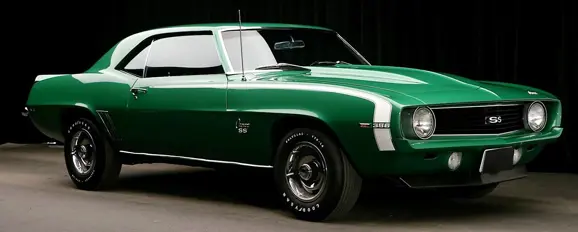
NGT ban over 15 year old vehicles has now been removed for vintage and classic cars. These cars will be allowed to move on roads under certain conditions like maintenance, exhibitions and rallies. Motor Vehicle Act counts them under different section as they are not meant for everyday driving. Ju...
NGT ban over 15 year old vehicles has now been removed for vintage and classic cars. These cars will be allowed to move on roads under certain conditions like maintenance, exhibitions and rallies.
Motor Vehicle Act counts them under different section as they are not meant for everyday driving. Justice Swatanter Kumar granted exemption to the cars falling under antique/vintage collection.
[caption id="attachment_167198" align="aligncenter" width="1024"]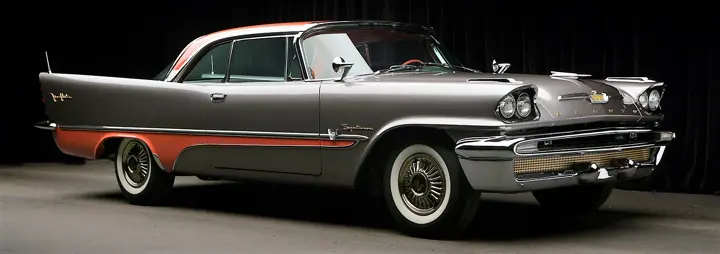 Vintage, Muscle and Classic Cars Exempt from NGT Ban[/caption]
Heritage Motoring Club of India, the association that certifies these machines, should plant more trees and help citizen by providing dustbins for clean and green city. Three years back, these cars were banned from Delhi streets as they are older than 15 years.
National Green Tribunal did not lift the ban over 10 year old diesel cars in Delhi. If seen from the other side, this is a wrong implementation as road tax for 15 years is paid by an owner when a car is bought.
They could have brought stricter emission checking when a buyers comes for renewal of this registration after 15 years but it's easy in India to suppress the rights of citizens on certain norms. Delhi was under intense smog during November 2017 and air conditions are worse till date.
Vintage, Muscle and Classic Cars Exempt from NGT Ban[/caption]
Heritage Motoring Club of India, the association that certifies these machines, should plant more trees and help citizen by providing dustbins for clean and green city. Three years back, these cars were banned from Delhi streets as they are older than 15 years.
National Green Tribunal did not lift the ban over 10 year old diesel cars in Delhi. If seen from the other side, this is a wrong implementation as road tax for 15 years is paid by an owner when a car is bought.
They could have brought stricter emission checking when a buyers comes for renewal of this registration after 15 years but it's easy in India to suppress the rights of citizens on certain norms. Delhi was under intense smog during November 2017 and air conditions are worse till date.
 Rather than pushing more public electric vehicles for ease, a huge number of buses were not made operational this year. That results in more private vehicle use in Delhi. Why would somebody use a personal vehicle if he/she feels good enough to use the public service? People avoid long queues and badly filled buses by their private cars.
The controversial odd-even rule is not a permanent solution as people are harassed most of the times. Delhi needs some other solution as INR 787 Crores collected from environment cess was not even spent during this panic season. They could have been used to buy electric buses or help people avoid vehicular use through other modes of public transport.
Rather than pushing more public electric vehicles for ease, a huge number of buses were not made operational this year. That results in more private vehicle use in Delhi. Why would somebody use a personal vehicle if he/she feels good enough to use the public service? People avoid long queues and badly filled buses by their private cars.
The controversial odd-even rule is not a permanent solution as people are harassed most of the times. Delhi needs some other solution as INR 787 Crores collected from environment cess was not even spent during this panic season. They could have been used to buy electric buses or help people avoid vehicular use through other modes of public transport.
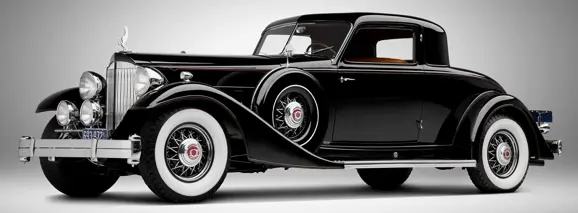
Vintage, Muscle and Classic Cars Exempt from NGT Ban[/caption]
Heritage Motoring Club of India, the association that certifies these machines, should plant more trees and help citizen by providing dustbins for clean and green city. Three years back, these cars were banned from Delhi streets as they are older than 15 years.
National Green Tribunal did not lift the ban over 10 year old diesel cars in Delhi. If seen from the other side, this is a wrong implementation as road tax for 15 years is paid by an owner when a car is bought.
They could have brought stricter emission checking when a buyers comes for renewal of this registration after 15 years but it's easy in India to suppress the rights of citizens on certain norms. Delhi was under intense smog during November 2017 and air conditions are worse till date.
Rather than pushing more public electric vehicles for ease, a huge number of buses were not made operational this year. That results in more private vehicle use in Delhi. Why would somebody use a personal vehicle if he/she feels good enough to use the public service? People avoid long queues and badly filled buses by their private cars.
The controversial odd-even rule is not a permanent solution as people are harassed most of the times. Delhi needs some other solution as INR 787 Crores collected from environment cess was not even spent during this panic season. They could have been used to buy electric buses or help people avoid vehicular use through other modes of public transport.
Ad
I
Immanuel Raja is an Automotive Writer with 8 years of experience covering the Indian automotive landscape. He specializes in Electric Vehicles and Hybrid Technology, with particular expertise in battery systems, charging infrastructure, and the integration of alternative powertrains in Indian road conditions. Raja has extensively tested over 200 vehicles across various segments, from entry-level EVs to premium hybrids, developing nuanced insights into their performance on India's diverse and challenging roads. His analysis encompasses both technical specifications and practical ownership considerations that matter to Indian consumers, including charging accessibility, maintenance costs, and performance in extreme weather conditions. With a finger on the pulse of India's evolving automotive preferences, Raja delivers clear, factual assessments that help readers navigate the transition to electrified mobility in the context of India's unique market dynamics.
About the Author
Explore the story
Related news

Comments
Share your view and join the discussion.
Start with:
Earn reward points for every comment and get a chance to win ₹1,000 in our weekly lucky draw. Sign in with Google in one tap.
Start the conversation
No one has commented on this article yet. Be the first to share your view.
Want to read more automotive news?
Stay updated with the latest car launches, reviews, and industry insights.
Browse All News