
2 min read
277 views
9 out of 15 Maruti Suzuki Cars Meet New Crash Test Norms
Out of the total 15 cars in their lineup, Maruti Suzuki has disclosed that 9 cars comply with the latest crash test norms in India. These latest norms have been in effect for all the new launches in India since October 1, 2017, and will extend to all production cars in the country from October 1, 20...
Out of the total 15 cars in their lineup, Maruti Suzuki has disclosed that 9 cars comply with the latest crash test norms in India. These latest norms have been in effect for all the new launches in India since October 1, 2017, and will extend to all production cars in the country from October 1, 2019. Pedestrian protection norms will kick in after October 1, 2018, and will cover all the cars sold in the Indian markets two years from then. Out of all the cars in their lineup, the S-Cross, Ciaz, Ertiga, Vitara Brezza, Baleno, Dzire, Swift, Ignis and Celerio meet the norms that will come in effect from 2019 for full-frontal impact, offset-frontal impact and side impact.
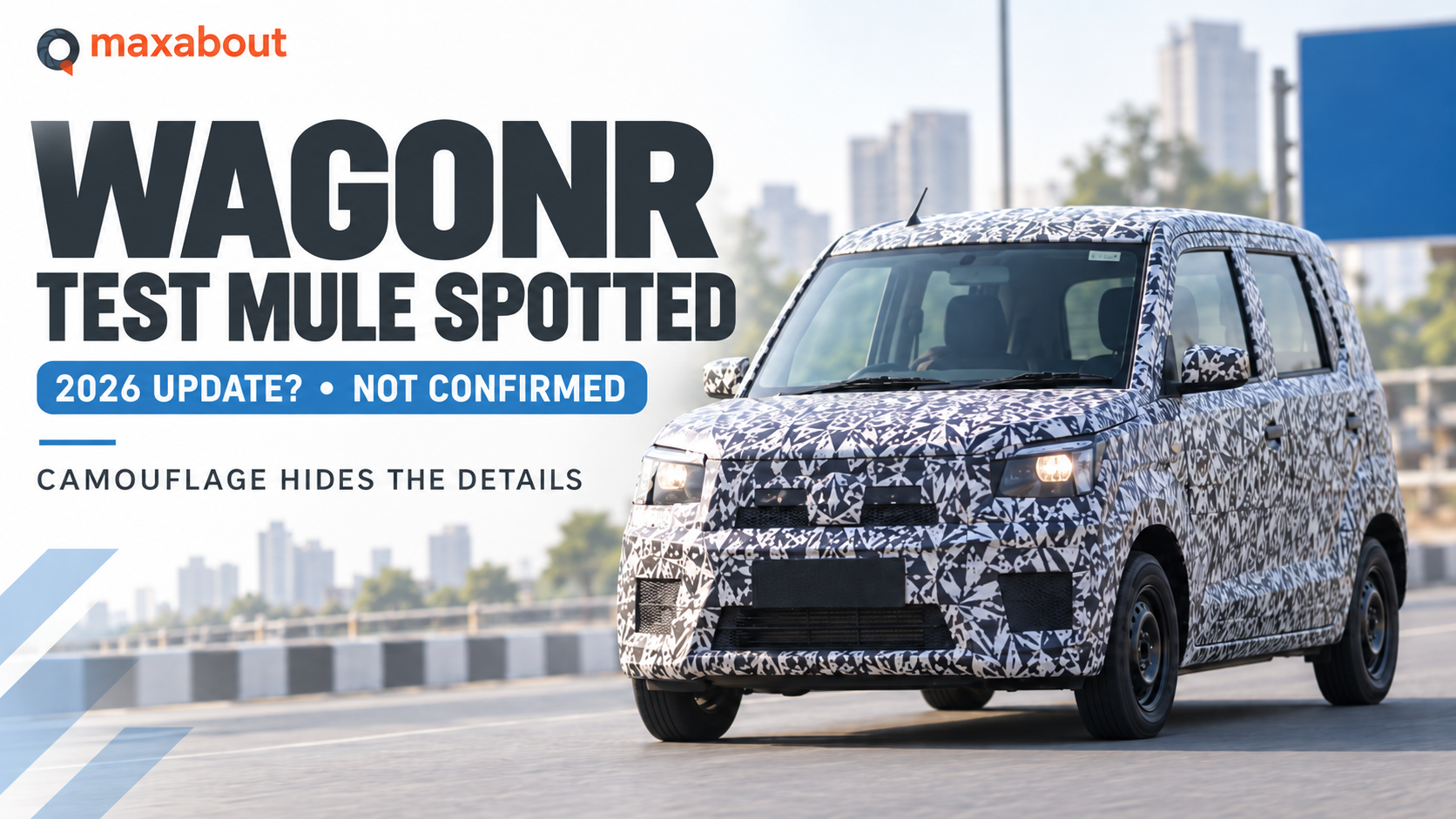
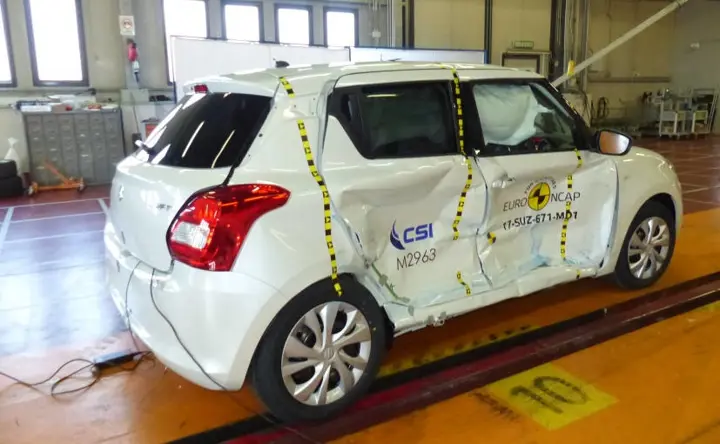 The other models in their offerings will become compliant with the norms before they kick in, as per the company. The next generation of the WagonR is already in development, as are the replacements for the Alto K10 and the Alto 800. This leaves three cars, namely the Omni, the Eeco, and the Gypsy. The company will have to re-engineer these vehicles to a great extent to make them compliant with the crash test norms. There is virtually no information about the replacements for the Omni and the Eeco. However, news about them is expected soon since they are quite popular in their own segments; the Omni sold 80,583 units last year and the Eeco sold 74,554 units.
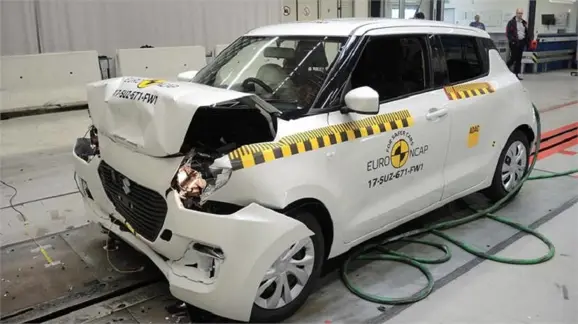 For the global markets, Suzuki has unveiled the new Jimny which is expected to replace the age-old Gypsy. The Jimny is already compliant with the crash test norms that will set in soon, and replacing the Gypsy with it seems like a wise move that the company should announce soon. Maruti Suzuki has a fully-functional crash test facility in its R&D and validation facility in Rohtak, Haryana. Reports from the past reveal that the company conducts nearly two scores of crash tests for every new model that they develop in the factory.
The other models in their offerings will become compliant with the norms before they kick in, as per the company. The next generation of the WagonR is already in development, as are the replacements for the Alto K10 and the Alto 800. This leaves three cars, namely the Omni, the Eeco, and the Gypsy. The company will have to re-engineer these vehicles to a great extent to make them compliant with the crash test norms. There is virtually no information about the replacements for the Omni and the Eeco. However, news about them is expected soon since they are quite popular in their own segments; the Omni sold 80,583 units last year and the Eeco sold 74,554 units.
For the global markets, Suzuki has unveiled the new Jimny which is expected to replace the age-old Gypsy. The Jimny is already compliant with the crash test norms that will set in soon, and replacing the Gypsy with it seems like a wise move that the company should announce soon. Maruti Suzuki has a fully-functional crash test facility in its R&D and validation facility in Rohtak, Haryana. Reports from the past reveal that the company conducts nearly two scores of crash tests for every new model that they develop in the factory.Ad
I
Immanuel Raja is an Automotive Writer with 8 years of experience covering the Indian automotive landscape. He specializes in Electric Vehicles and Hybrid Technology, with particular expertise in battery systems, charging infrastructure, and the integration of alternative powertrains in Indian road conditions. Raja has extensively tested over 200 vehicles across various segments, from entry-level EVs to premium hybrids, developing nuanced insights into their performance on India's diverse and challenging roads. His analysis encompasses both technical specifications and practical ownership considerations that matter to Indian consumers, including charging accessibility, maintenance costs, and performance in extreme weather conditions. With a finger on the pulse of India's evolving automotive preferences, Raja delivers clear, factual assessments that help readers navigate the transition to electrified mobility in the context of India's unique market dynamics.
About the Author
Explore the story
Related news

Comments
Share your view and join the discussion.
Start with:
Earn reward points for every comment and get a chance to win ₹1,000 in our weekly lucky draw. Sign in with Google in one tap.
Start the conversation
No one has commented on this article yet. Be the first to share your view.
Want to read more automotive news?
Stay updated with the latest car launches, reviews, and industry insights.
Browse All News