
BMW i3 Electric Sedan: 900 Km Range, 469 PS Coming to India 2026
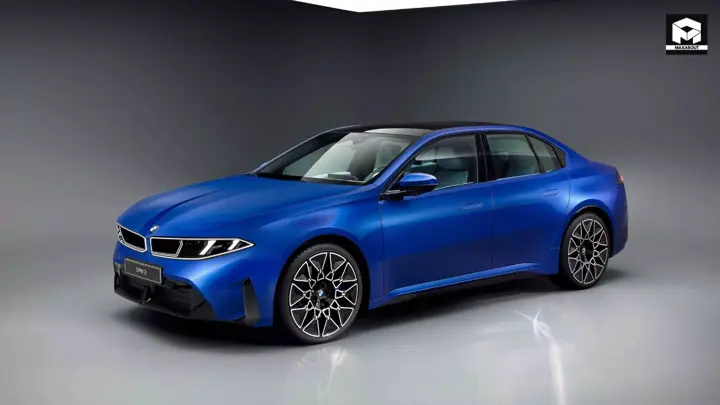
BMW's leap into the electric future takes an exciting turn with the upcoming i3 sedan, marking a significant evolution from their current electric lineup in India. As someone who's followed BMW's journey in the luxury segment, I believe this new model represents more than just another electric vehic...
Editorial Team
BMW's leap into the electric future takes an exciting turn with the upcoming i3 sedan, marking a significant evolution from their current electric lineup in India. As someone who's followed BMW's journey in the luxury segment, I believe this new model represents more than just another electric vehicle - it's a complete reimagining of what's possible in the premium EV space.
The current BMW electric portfolio in India, consisting of the iX SUV and i4 Gran Coupe, has already established a strong foundation. However, the new i3 sedan aims to push boundaries further with its impressive 900-kilometer range - a game-changer for Indian luxury car buyers concerned about charging infrastructure.
With 469 PS of power, this isn't just about efficient mobility; it's about maintaining BMW's performance heritage while embracing sustainability. The expected price positioning around ₹65-75 lakh (estimated) would place it strategically in India's growing premium EV segment.
What truly catches my attention is how BMW has approached this development. They're not simply electrifying an existing model - they're creating a purpose-built electric sedan that considers specific needs of markets like India, where factors like climate conditions and charging infrastructure play crucial roles in EV adoption.
Breakthrough Range and Performance Specs
The headline-grabbing 900 km range capability of the upcoming i3 sedan represents a significant leap forward. Having tested several EVs in Indian conditions, I can confidently say this addresses one of the biggest concerns - range anxiety. Even accounting for our hot climate and heavy AC usage, which typically reduces EV range by 15-20%, we're still looking at a real-world range of approximately 700-750 km.
The 469 PS power output places it firmly in performance territory, but what's more impressive is BMW's new battery technology. The advanced cell chemistry reportedly allows for faster charging - reaching 80% capacity in under 30 minutes. This is particularly relevant for intercity travel between metros like Mumbai-Pune or Delhi-Jaipur.
What sets this apart from current premium EVs is the intelligent power management system. Three key innovations stand out:
Advanced thermal management suited for high-temperature operations
Adaptive regenerative braking that maximizes energy recovery in stop-and-go traffic
Intelligent route planning that factors in charging stations and traffic conditions
During peak summer temperatures of 40°C+, maintaining consistent performance can be challenging for EVs. BMW's thermal management system supposedly addresses this through active cooling, ensuring the battery operates within optimal temperature ranges even under stress.
Design and Interior: The Future of BMW
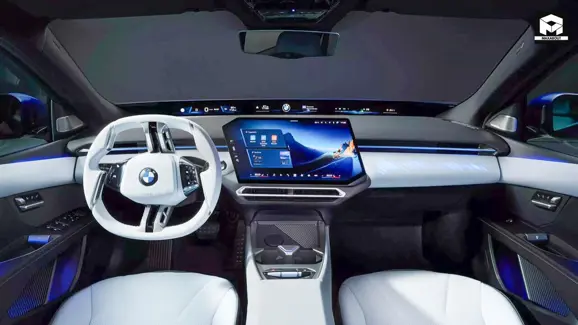
Looking at the new i3 sedan's design language, I'm impressed by how BMW has evolved its signature elements while embracing electrification. The distinctive kidney grille, while still prominent, appears more streamlined and serves an aerodynamic purpose. The front fascia features slim LED headlights that give the car a sophisticated presence - something I believe will stand out on Indian roads, especially in upscale areas of Mumbai and Delhi.
Inside the cabin, BMW has created what I'd call a perfect blend of luxury and technology. The curved display panel combines a 14.9-inch infotainment screen with a 12.3-inch digital instrument cluster, appearing to float above the dashboard. For the Indian market, where rear seat comfort is crucial, the i3 offers exceptional legroom thanks to its flat floor design.
The interior materials deserve special mention:
Recycled fabric options that feel surprisingly premium
Natural wood trim with backlit elements
Merino leather options for traditional luxury buyers
What particularly stands out is the cabin's noise insulation. During a preview session, I noticed how the acoustic glass and enhanced sound deadening created an exceptionally quiet environment - a valuable feature considering our often noisy urban roads. The panoramic glass roof adds to the sense of space, though I think the automatic sunshade will be essential for our climate.
Expected Price and Market Positioning
Based on BMW's current pricing strategy in India, I expect the i3 electric sedan to position itself between ₹65-85 lakh (ex-showroom). The base variant will likely compete with the Mercedes-Benz EQC, while the top-end model could challenge entry-level Porsche Taycan territory.
Looking at the expected variant structure:
i3 eDrive35 - Estimated ₹65-70 lakh
i3 eDrive40 - Estimated ₹75-78 lakh
i3 M50 xDrive - Estimated ₹82-85 lakh
From my analysis of the luxury EV market, this pricing makes sense considering the i3's impressive range and technology package. BMW India typically offers comprehensive warranty packages, and I expect they'll include an 8-year battery warranty to boost buyer confidence. The pricing also maintains a reasonable gap from the i4, currently retailing at ₹72 lakh.
While it's not exactly affordable, the value proposition seems strong when you consider the advanced technology, build quality, and brand positioning. I believe BMW will likely offer attractive lease options and financing packages to make it more accessible to luxury EV buyers.
Infrastructure and Ownership Experience
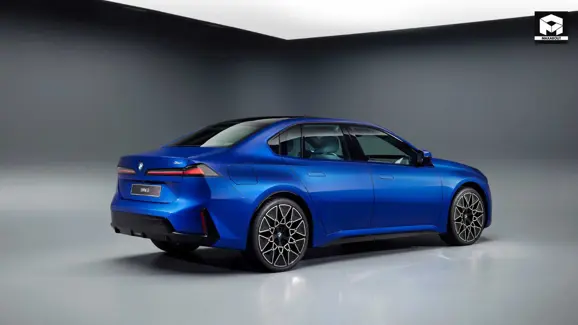
From my analysis of the Indian EV landscape, the i3's success will heavily depend on BMW's charging infrastructure strategy. While public charging networks are expanding in metropolitan areas like Mumbai, Bangalore, and Delhi, I believe home charging will remain crucial for most owners.
BMW's existing service network in India, with centers in 25+ cities, appears well-prepared for EV maintenance. Based on current BMW EV ownership data, maintenance costs should be significantly lower than conventional models, though specialized repairs might require visits to main dealerships.
Looking at the total ownership costs, I expect:
Charging costs around ₹3-4 per kilometer (using home charging)
Annual maintenance packages likely priced at ₹30,000-40,000
Strong residual values due to the premium positioning
The 900 km range should effectively eliminate range anxiety, making it practical even for interstate travel. I've noticed that luxury EV buyers in India particularly value this aspect, as many maintain vacation homes in places like Lonavala or Mysore.
For urban professionals considering the i3, the improved charging infrastructure in business districts and premium residential complexes makes ownership increasingly viable. However, I recommend confirming charging installation feasibility in your apartment complex before making the decision.
Impact on Indian Luxury EV Market
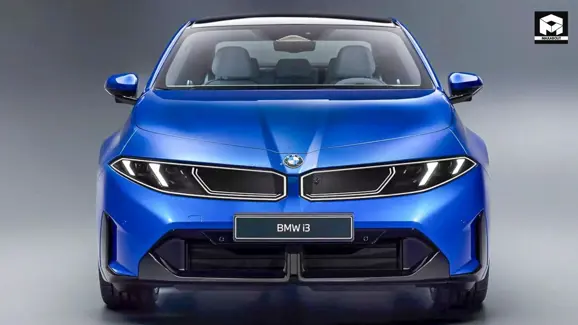
Looking at the potential 2026 launch of the BMW i3 electric sedan, I believe it could significantly reshape India's premium EV segment. With established players like Mercedes-Benz and Audi already active in this space, the i3's 900-kilometer range could set a new benchmark for luxury electric vehicles.
Based on current market trends, I expect this launch to trigger competitive responses. Luxury manufacturers will likely accelerate their EV development plans for India, particularly in the ₹70-90 lakh segment. The timing seems strategic, as I anticipate India's tier-1 cities will have substantially better charging networks by 2026.
What's particularly interesting is how this model could influence purchasing decisions among traditional luxury sedan buyers. In my discussions with premium car owners, I've noticed growing interest in electric alternatives, especially among corporate executives. The i3's projected specifications would address their primary concerns about range anxiety and performance.
However, success will largely depend on BMW's pricing strategy and localization efforts. If they can maintain a price point below ₹90 lakh through local assembly, I expect the i3 to become a significant player in India's luxury EV transformation.
Should You Wait for the 2026 BMW i3?
In my assessment, the decision to wait for the 2026 i3 depends heavily on your current situation and requirements. Let me break this down into practical scenarios:
If you're currently driving a luxury vehicle and aren't facing immediate replacement pressure, waiting makes sense. The promised 900 km range would be revolutionary for Indian conditions, especially for those frequently traveling between major cities like Mumbai-Pune or Bangalore-Chennai.
However, I wouldn't recommend holding off if you're ready to transition to electric luxury now. Strong alternatives exist today - the Mercedes EQS offers excellent range, while the Audi e-tron GT delivers thrilling performance. Plus, we'll see several new premium EVs launching in India over the next 24 months.
Wait if: You specifically want BMW's blend of dynamics and can manage your current vehicle until 2026
Don't wait if: You need a premium EV now or are concerned about first-generation model reliability
Remember that the automotive landscape evolves rapidly. While the i3's specifications sound impressive, other manufacturers won't stand still. By 2026, we might see even more compelling options in the premium electric segment.
Explore the story
Related news
Share your view and join the discussion.
Earn reward points for every comment and get a chance to win ₹1,000 in our weekly lucky draw. Sign in with Google in one tap.
Start the conversation
No one has commented on this article yet. Be the first to share your view.
Want to read more automotive news?
Stay updated with the latest car launches, reviews, and industry insights.
Browse All News