
2 min read
312 views
Yamaha R15 Version 3 Owners Facing Fuel Tank Panel Issues [Details & Videos]
Some of the Yamaha R15 Version 3 owners are struggling with an issue that seems more like a manufacturing defect. A set of videos have surfaced online, showing how easily the locks of fuel tank panel comes out, even after a slight push by one hand. The space required for a lock to fit perfectly with...
Some of the Yamaha R15 Version 3 owners are struggling with an issue that seems more like a manufacturing defect. A set of videos have surfaced online, showing how easily the locks of fuel tank panel comes out, even after a slight push by one hand. The space required for a lock to fit perfectly with a pop sound is definitely more than needed on these examples of Yamaha R15 Version 3. Some buyers are devising ways to fix this issue at home by using cardboard piece in between these spaces while others are complaining to Yamaha dealers regarding this problem.
[caption id="attachment_252459" align="aligncenter" width="1000"]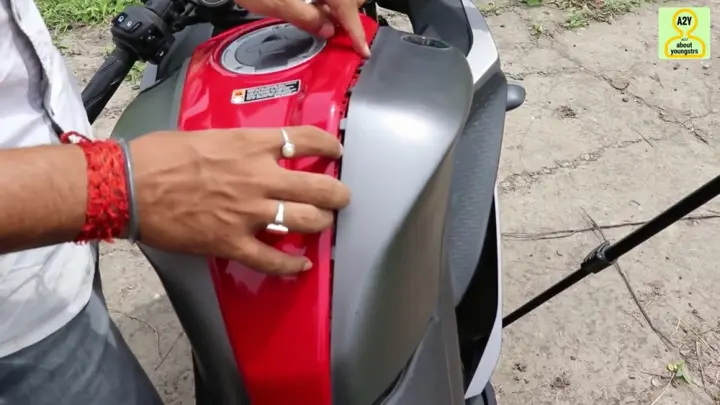 Yamaha R15 Version 3 Owners Facing Fuel Tank Panel Issues[/caption]
Yamaha is known for the quality of components and thus, many fans are still in shock to see their brand new motorcycle open up like Lego pieces with such mild force. The DIY solution may not be a bad idea for those who don’t need the brand support in this case but actually, the pieces of cardboard will wear out once water enters that space. Yamaha R15 Version 3.0 is priced at INR 1.27 lakh, easily giving you an idea that on-road pricing can reach as high as INR 1.50 lakh in several states. The problem will not be listed under major issues by Yamaha, even when recognized.
Yamaha R15 Version 3 Owners Facing Fuel Tank Panel Issues[/caption]
Yamaha is known for the quality of components and thus, many fans are still in shock to see their brand new motorcycle open up like Lego pieces with such mild force. The DIY solution may not be a bad idea for those who don’t need the brand support in this case but actually, the pieces of cardboard will wear out once water enters that space. Yamaha R15 Version 3.0 is priced at INR 1.27 lakh, easily giving you an idea that on-road pricing can reach as high as INR 1.50 lakh in several states. The problem will not be listed under major issues by Yamaha, even when recognized.
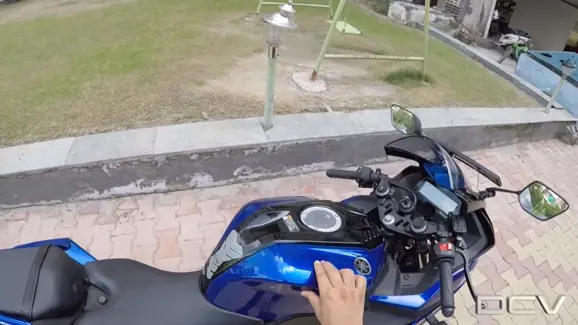 R15 Version 3 is made with an intention to keep overall weight low in comparison to other products. The actual tank is hidden under those plastic panels. Yamaha has shared the design with bigger R-series bikes, offering a flat on top fuel tank with edgy side design. Yamaha R15 V3 is available in Racing Blue and Thunder Grey shade. The 155.1cc, single cylinder engine on the third generation motorcycle, is good for 19.30 hp and 15 Nm. It is undoubtedly the most powerful 150cc motorcycle of India, leaving behind others by a huge power output margin. The brand recently also launched the Moto GP Edition of R15 V3 in India for INR 1.30 Lakh (ex-showroom).
Yamaha R15 Version 3 Owners Facing Fuel Tank Panel Issues[/caption]
Yamaha is known for the quality of components and thus, many fans are still in shock to see their brand new motorcycle open up like Lego pieces with such mild force. The DIY solution may not be a bad idea for those who don’t need the brand support in this case but actually, the pieces of cardboard will wear out once water enters that space. Yamaha R15 Version 3.0 is priced at INR 1.27 lakh, easily giving you an idea that on-road pricing can reach as high as INR 1.50 lakh in several states. The problem will not be listed under major issues by Yamaha, even when recognized.
R15 Version 3 is made with an intention to keep overall weight low in comparison to other products. The actual tank is hidden under those plastic panels. Yamaha has shared the design with bigger R-series bikes, offering a flat on top fuel tank with edgy side design. Yamaha R15 V3 is available in Racing Blue and Thunder Grey shade. The 155.1cc, single cylinder engine on the third generation motorcycle, is good for 19.30 hp and 15 Nm. It is undoubtedly the most powerful 150cc motorcycle of India, leaving behind others by a huge power output margin. The brand recently also launched the Moto GP Edition of R15 V3 in India for INR 1.30 Lakh (ex-showroom).
R15 Version 3 Owners Facing Quality Issues
Video Source: A2Y MotoRide Video Source: DCV

Ad
I
Immanuel Raja is an Automotive Writer with 8 years of experience covering the Indian automotive landscape. He specializes in Electric Vehicles and Hybrid Technology, with particular expertise in battery systems, charging infrastructure, and the integration of alternative powertrains in Indian road conditions. Raja has extensively tested over 200 vehicles across various segments, from entry-level EVs to premium hybrids, developing nuanced insights into their performance on India's diverse and challenging roads. His analysis encompasses both technical specifications and practical ownership considerations that matter to Indian consumers, including charging accessibility, maintenance costs, and performance in extreme weather conditions. With a finger on the pulse of India's evolving automotive preferences, Raja delivers clear, factual assessments that help readers navigate the transition to electrified mobility in the context of India's unique market dynamics.
About the Author
Explore the story
Related news
Comments
Share your view and join the discussion.
Start with:
Earn reward points for every comment and get a chance to win ₹1,000 in our weekly lucky draw. Sign in with Google in one tap.
Start the conversation
No one has commented on this article yet. Be the first to share your view.
Want to read more automotive news?
Stay updated with the latest car launches, reviews, and industry insights.
Browse All News