
2 min read
189 views
Meet Benda Asura: The Electrifying 400cc Street Fighter
Benda Asura 400 is one radically-designed Chinese streetfighter concept that can put Kawasaki and Suzuki machines to rest with its impressive design. Not just that, the Asura 400 comes with complete LED lighting and single-sided swingarm, with the latter improving the overall stance of the motorcycl...
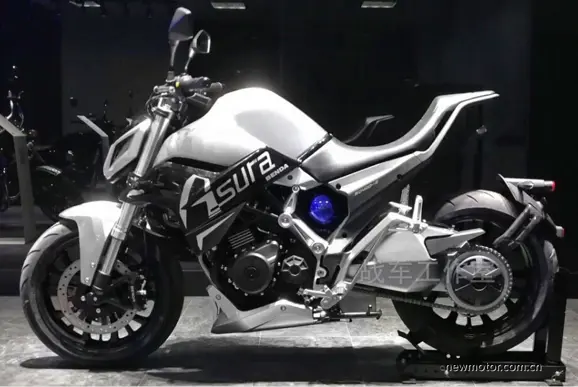
Benda Asura 400 is one radically-designed Chinese streetfighter concept that can put Kawasaki and Suzuki machines to rest with its impressive design. Not just that, the Asura 400 comes with complete LED lighting and single-sided swingarm, with the latter improving the overall stance of the motorcycle and adding premium character to the same. The headlight is a twin piece unit with demon-like facial expressions while the fuel tank is massive with least design lines and a raised centre section. The rider's seat is low and decently wide while a bump in the pillion seat height is clearly visible and impractical for the real-world riding.
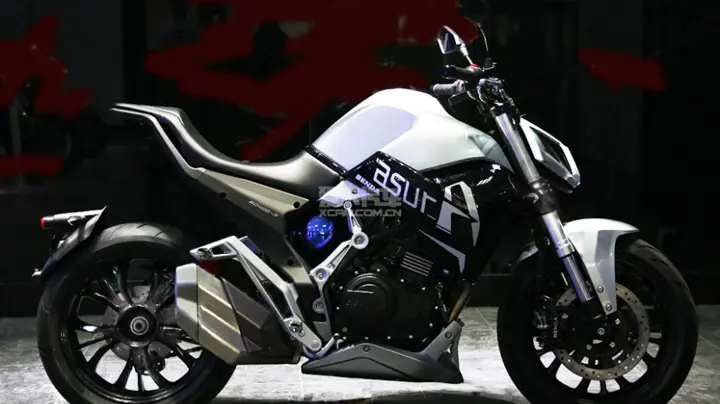 However, being a concept, the Benda Asura 400 can have such lines and transform the rear seat into a cowl if no change is to be made in the production version. The front comes with silver USD forks, thick forward-biased fender, dual disc brakes, and multi-spoke alloy wheels. The right side of the motorcycle feels empty in the absence of the dual-sided swingarm, flaunting twin exhaust exits like most premium motorcycles of this segment. The 399cc, twin-cylinder liquid-cooled engine on the motorcycle is good for 43.5 HP of maximum power. The 4-valve motor helps Asura 400 claim direct rivalry with the Kawasaki Z400 in this segment.
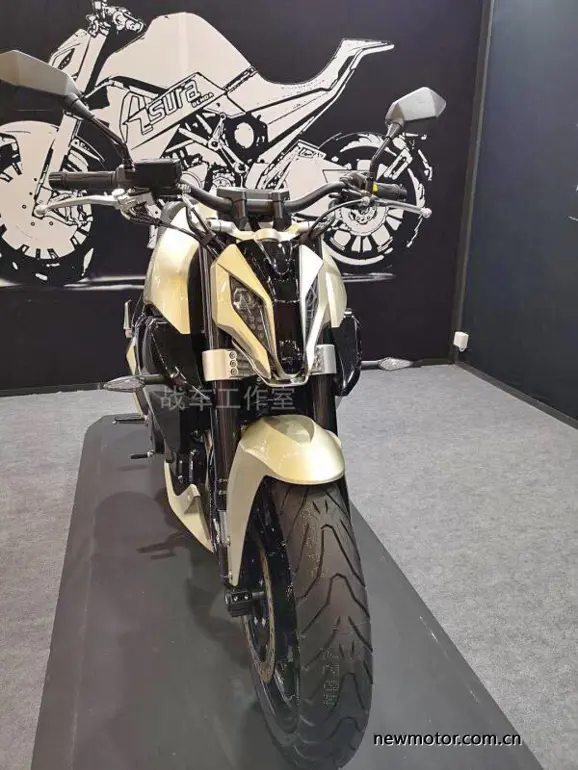
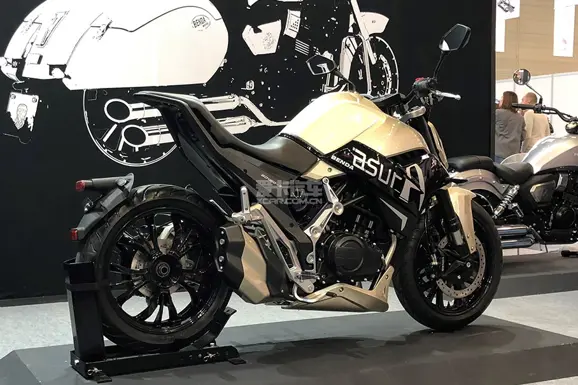
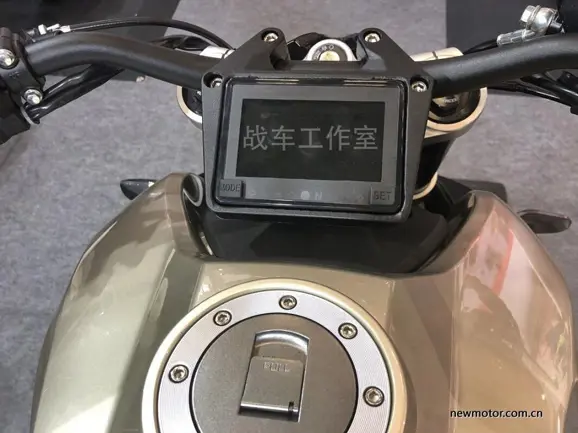
 The second prototype comes with golden body panels and black USD front forks as a difference when seen against the silver-finished concept. Benda may remove many features from the production version, but keeping the design intact can help them bring a segment-leader for certain markets. The handlebar section comes with a completely digital console mounted in the middle of the bar. The space for this console has been carved carefully out of the fuel tank section. The motorcycle is said to be made out of cast aluminium and thus, the weight won't be on the higher side of the scale at any cost.
 Images Source
However, being a concept, the Benda Asura 400 can have such lines and transform the rear seat into a cowl if no change is to be made in the production version. The front comes with silver USD forks, thick forward-biased fender, dual disc brakes, and multi-spoke alloy wheels. The right side of the motorcycle feels empty in the absence of the dual-sided swingarm, flaunting twin exhaust exits like most premium motorcycles of this segment. The 399cc, twin-cylinder liquid-cooled engine on the motorcycle is good for 43.5 HP of maximum power. The 4-valve motor helps Asura 400 claim direct rivalry with the Kawasaki Z400 in this segment.
The second prototype comes with golden body panels and black USD front forks as a difference when seen against the silver-finished concept. Benda may remove many features from the production version, but keeping the design intact can help them bring a segment-leader for certain markets. The handlebar section comes with a completely digital console mounted in the middle of the bar. The space for this console has been carved carefully out of the fuel tank section. The motorcycle is said to be made out of cast aluminium and thus, the weight won't be on the higher side of the scale at any cost.
Benda Asura 400 Photos
Images SourceAd
I
Immanuel Raja is an Automotive Writer with 8 years of experience covering the Indian automotive landscape. He specializes in Electric Vehicles and Hybrid Technology, with particular expertise in battery systems, charging infrastructure, and the integration of alternative powertrains in Indian road conditions. Raja has extensively tested over 200 vehicles across various segments, from entry-level EVs to premium hybrids, developing nuanced insights into their performance on India's diverse and challenging roads. His analysis encompasses both technical specifications and practical ownership considerations that matter to Indian consumers, including charging accessibility, maintenance costs, and performance in extreme weather conditions. With a finger on the pulse of India's evolving automotive preferences, Raja delivers clear, factual assessments that help readers navigate the transition to electrified mobility in the context of India's unique market dynamics.
About the Author
Comments
Share your view and join the discussion.
Start with:
Earn reward points for every comment and get a chance to win ₹1,000 in our weekly lucky draw. Sign in with Google in one tap.
Start the conversation
No one has commented on this article yet. Be the first to share your view.
Want to read more automotive news?
Stay updated with the latest car launches, reviews, and industry insights.
Browse All News