
2 min read
165 views
Next-Gen KTM 390 Duke Spotted Testing for the First Time
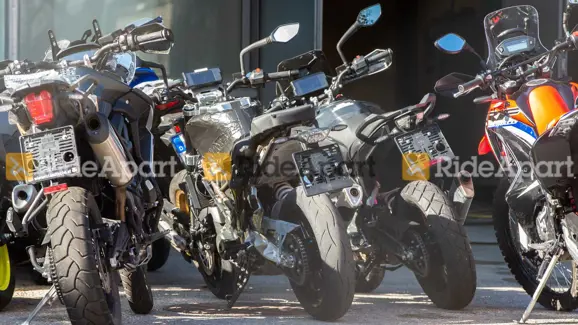
The next-gen KTM 390 Duke was recently spotted testing along with other models from the brand’s international lineup. The model looks different from the present-gen 390 Duke, all due to lack of styling components in the initial stage of testing. The side frame is completely exposed, apart from the c...
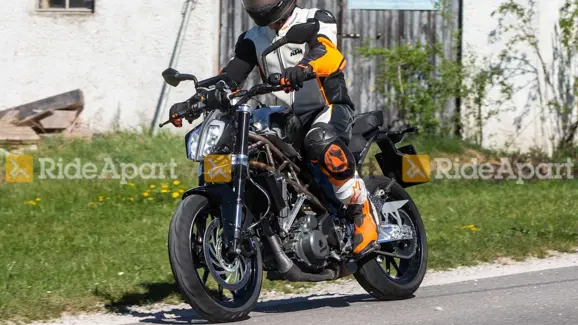
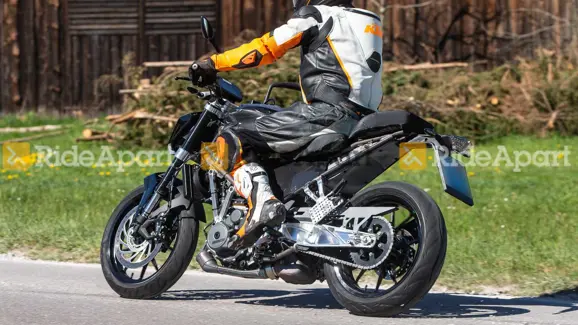
The next-gen KTM 390 Duke was recently spotted testing along with other models from the brand’s international lineup. The model looks different from the present-gen 390 Duke, all due to lack of styling components in the initial stage of testing. The side frame is completely exposed, apart from the centre part where a metallic panel hides the way the primary frame joins the subframe on the motorcycle. Also, the rider’s knee has covered that specific angle in all the images. The headlight, indicators and instrument console remain identical to the current-generation model, leaving a possibility of minor styling tweaks and Euro 6-compliant engine being the only two differences.
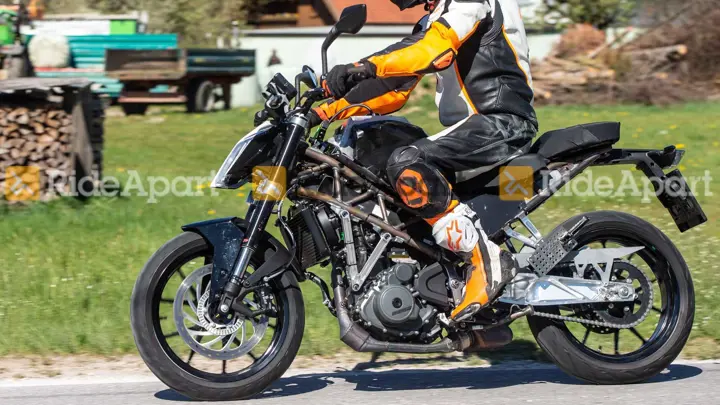 One sure-shot difference is the change in the placement of exhaust pipe for the engine, with the earlier model getting a thinner pipe that moves easily through the space available inside the frame. On the next-gen KTM 390 Duke, the same pipe comes with an attachment in the middle and moves through a different way. The placement clearly eats into the huge ground clearance that was earlier available but, on the other hand, lowers the centre of gravity for the motorcycle. The absence of panels on the side profile results in the massive-sized seats. In comparison to the present-gen model, the padding of the seats is higher for sure.
 The knee of the rider also hides the seat design and length around the fuel tank. Even the tank looks slightly different as the brand has camouflaged the same for some reason. KTM is using the most powerful tune of the 373cc engine on their 390 Duke. The total output is 43.5 HP and 37 Nm, that too at reasonably good rpm in comparison to the rival brands. The BS6-compliant nature of the engine may change these outputs as the difference in exhaust design is certainly for the reduction of emissions and improvement in the exhaust note of the motorcycle.
 Photos Source
One sure-shot difference is the change in the placement of exhaust pipe for the engine, with the earlier model getting a thinner pipe that moves easily through the space available inside the frame. On the next-gen KTM 390 Duke, the same pipe comes with an attachment in the middle and moves through a different way. The placement clearly eats into the huge ground clearance that was earlier available but, on the other hand, lowers the centre of gravity for the motorcycle. The absence of panels on the side profile results in the massive-sized seats. In comparison to the present-gen model, the padding of the seats is higher for sure.
The knee of the rider also hides the seat design and length around the fuel tank. Even the tank looks slightly different as the brand has camouflaged the same for some reason. KTM is using the most powerful tune of the 373cc engine on their 390 Duke. The total output is 43.5 HP and 37 Nm, that too at reasonably good rpm in comparison to the rival brands. The BS6-compliant nature of the engine may change these outputs as the difference in exhaust design is certainly for the reduction of emissions and improvement in the exhaust note of the motorcycle.
Next-Gen KTM 390 Duke Photos
Photos SourceAd
I
Immanuel Raja is an Automotive Writer with 8 years of experience covering the Indian automotive landscape. He specializes in Electric Vehicles and Hybrid Technology, with particular expertise in battery systems, charging infrastructure, and the integration of alternative powertrains in Indian road conditions. Raja has extensively tested over 200 vehicles across various segments, from entry-level EVs to premium hybrids, developing nuanced insights into their performance on India's diverse and challenging roads. His analysis encompasses both technical specifications and practical ownership considerations that matter to Indian consumers, including charging accessibility, maintenance costs, and performance in extreme weather conditions. With a finger on the pulse of India's evolving automotive preferences, Raja delivers clear, factual assessments that help readers navigate the transition to electrified mobility in the context of India's unique market dynamics.
About the Author
Explore the story
Related news


Comments
Share your view and join the discussion.
Start with:
Earn reward points for every comment and get a chance to win ₹1,000 in our weekly lucky draw. Sign in with Google in one tap.
Start the conversation
No one has commented on this article yet. Be the first to share your view.
Want to read more automotive news?
Stay updated with the latest car launches, reviews, and industry insights.
Browse All News