
2 min read
231 views
Kawasaki Vulcan S Launched in India @ INR 5.44 Lakh
Kawasaki Vulcan S, the much-awaited power cruiser has been officially launched in India for INR 5.44 Lakh (Ex-showroom Delhi). The typical cruiser comes with a 649cc, twin cylinder engine producing 61 HP @7500 rpm and 63 NM @ 6600 rpm. The engine comes mated to a 6-speed gearbox. UK market also g...
Kawasaki Vulcan S, the much-awaited power cruiser has been officially launched in India for INR 5.44 Lakh (Ex-showroom Delhi). The typical cruiser comes with a 649cc, twin cylinder engine producing 61 HP @7500 rpm and 63 NM @ 6600 rpm.
The engine comes mated to a 6-speed gearbox. UK market also gets a restricted power variant that comes with just 47 HP and returns an impressive 22.7 kmpl of mileage. Being a cruiser, it weighs more than other 650cc motorcycles at 235 kg.
[caption id="attachment_167410" align="aligncenter" width="1024"]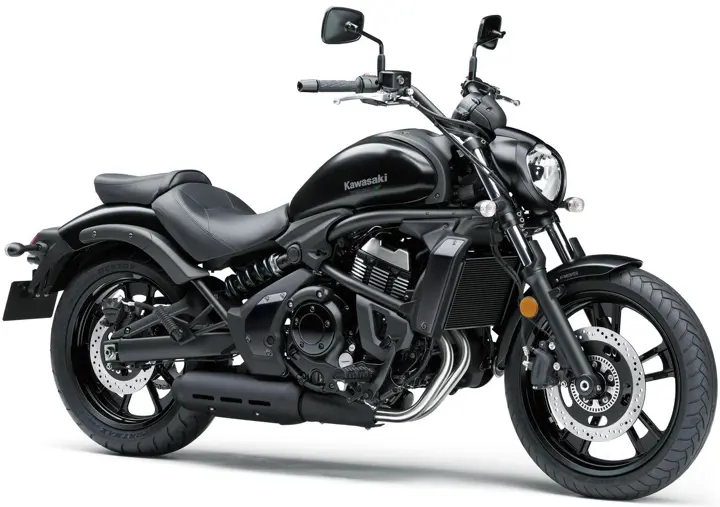 Confirmed: Kawasaki Vulcan S to Launch in India Soon[/caption]
Kawasaki Vulcan S comes with a seat height of 705mm, making it the best seat if considering from a smaller than average built. Front comes with standard telescopic forks while rear uses the same monoshock as other 650cc bikes.
The suspension tune on the Vulcan S is completely different from Ninja 650. When seen in terms of price, the motorcycle is priced at INR 5.44 lakh, which is around INR 45,000 more than Z650 and around INR 11,000 more than Ninja 650. Vulcan S comes with ABS as standard as all other 650cc models are offered with the same braking system.
Confirmed: Kawasaki Vulcan S to Launch in India Soon[/caption]
Kawasaki Vulcan S comes with a seat height of 705mm, making it the best seat if considering from a smaller than average built. Front comes with standard telescopic forks while rear uses the same monoshock as other 650cc bikes.
The suspension tune on the Vulcan S is completely different from Ninja 650. When seen in terms of price, the motorcycle is priced at INR 5.44 lakh, which is around INR 45,000 more than Z650 and around INR 11,000 more than Ninja 650. Vulcan S comes with ABS as standard as all other 650cc models are offered with the same braking system.
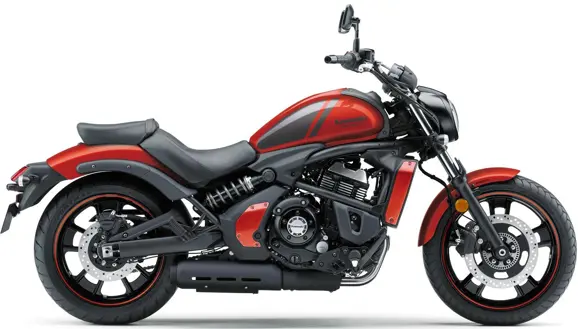 A unique set of alloy wheels have been used on the Kawasaki Vulcan S as it comes with a 18 inch front and 17 inch rear wheel. However, the front and rear wheel width remains the same as Ninja 650.
Wheel travel is limited while a 14 liter fuel tank is on offer with the motorcycle. Ground clearance stays 130mm and that is almost similar in most Kawasaki bikes. The long 1575mm of wheelbase makes Vulcan S an ideal model for long distance travels.
A unique set of alloy wheels have been used on the Kawasaki Vulcan S as it comes with a 18 inch front and 17 inch rear wheel. However, the front and rear wheel width remains the same as Ninja 650.
Wheel travel is limited while a 14 liter fuel tank is on offer with the motorcycle. Ground clearance stays 130mm and that is almost similar in most Kawasaki bikes. The long 1575mm of wheelbase makes Vulcan S an ideal model for long distance travels.
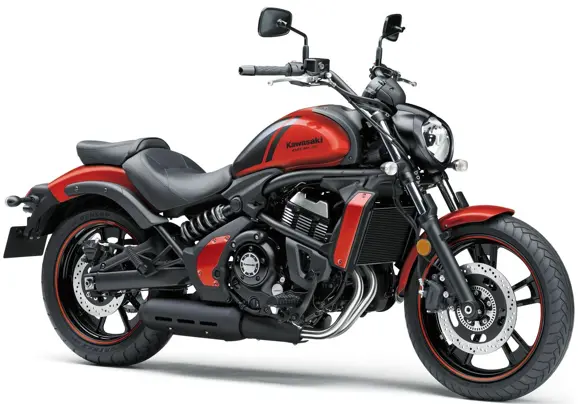
Confirmed: Kawasaki Vulcan S to Launch in India Soon[/caption]
Kawasaki Vulcan S comes with a seat height of 705mm, making it the best seat if considering from a smaller than average built. Front comes with standard telescopic forks while rear uses the same monoshock as other 650cc bikes.
The suspension tune on the Vulcan S is completely different from Ninja 650. When seen in terms of price, the motorcycle is priced at INR 5.44 lakh, which is around INR 45,000 more than Z650 and around INR 11,000 more than Ninja 650. Vulcan S comes with ABS as standard as all other 650cc models are offered with the same braking system.
Kawasaki Vulcan S Key Specifications
| Displacement | 649 cc |
| No. of Cylinders | 2 |
| No. of Gears | 6 |
| Maximum Power | 61 HP @ 7500 rpm |
| Maximum Torque | 63 Nm @ 6600 rpm |
| Seat Height | 705 mm |
| Ground Clearance | 130 mm |
| Kerb/Wet Weight | 229 kg |
| Fuel Tank Capacity | 14 litres |
| Top Speed | 168 kmph |
Click Here For Complete Specifications
A unique set of alloy wheels have been used on the Kawasaki Vulcan S as it comes with a 18 inch front and 17 inch rear wheel. However, the front and rear wheel width remains the same as Ninja 650.
Wheel travel is limited while a 14 liter fuel tank is on offer with the motorcycle. Ground clearance stays 130mm and that is almost similar in most Kawasaki bikes. The long 1575mm of wheelbase makes Vulcan S an ideal model for long distance travels.
Ad
I
Immanuel Raja is an Automotive Writer with 8 years of experience covering the Indian automotive landscape. He specializes in Electric Vehicles and Hybrid Technology, with particular expertise in battery systems, charging infrastructure, and the integration of alternative powertrains in Indian road conditions. Raja has extensively tested over 200 vehicles across various segments, from entry-level EVs to premium hybrids, developing nuanced insights into their performance on India's diverse and challenging roads. His analysis encompasses both technical specifications and practical ownership considerations that matter to Indian consumers, including charging accessibility, maintenance costs, and performance in extreme weather conditions. With a finger on the pulse of India's evolving automotive preferences, Raja delivers clear, factual assessments that help readers navigate the transition to electrified mobility in the context of India's unique market dynamics.
About the Author
Explore the story
Related news

Comments
Share your view and join the discussion.
Start with:
Earn reward points for every comment and get a chance to win ₹1,000 in our weekly lucky draw. Sign in with Google in one tap.
Start the conversation
No one has commented on this article yet. Be the first to share your view.
Want to read more automotive news?
Stay updated with the latest car launches, reviews, and industry insights.
Browse All News