
2 min read
250 views
Kawasaki Ninja 300 Registers 715% YoY Sales Growth in India
Kawasaki Ninja 300 posted a 715% YoY growth number, getting 220 buyers in a single month of December 2018. In comparison, just 27 units were sold in India in December 2017. The report comes much positive in comparison to its closest rival, the Yamaha R3. December was the second month of 2018 to get ...
Kawasaki Ninja 300 posted a 715% YoY growth number, getting 220 buyers in a single month of December 2018. In comparison, just 27 units were sold in India in December 2017. The report comes much positive in comparison to its closest rival, the Yamaha R3. December was the second month of 2018 to get such a huge number for the heavily localized Ninja 300. Kawasaki is planning to localize more models, bringing pricing down to a much more affordable point for products like the Ninja 400, Versys 300 and 650cc models.
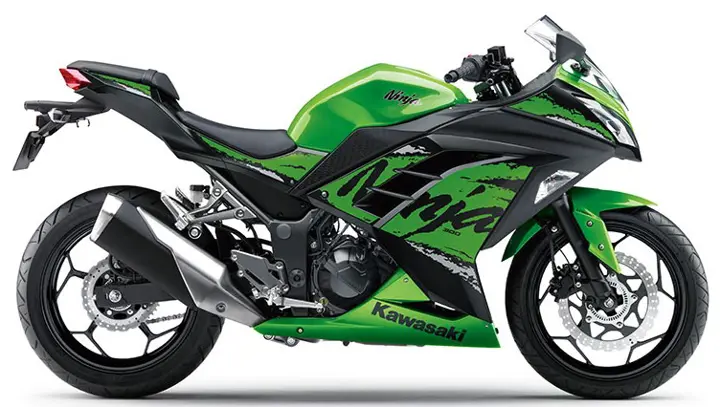 The move not just offers exciting products at an eye-popping price, but also starts an era of competition where others try localizing and bringing equally impressive products within a considerable range. One such miracle happened with Ninja ZX-10R, which now again commands a bigger price tag than the earlier mentioned INR 12.80 lakh price tag. Another magical product from Kawasaki is Ninja 1000, posting 22 units in sales chart, that too after carrying a price tag of INR 10 lakh. It proves the worth at all grounds with exciting features and loads of power.
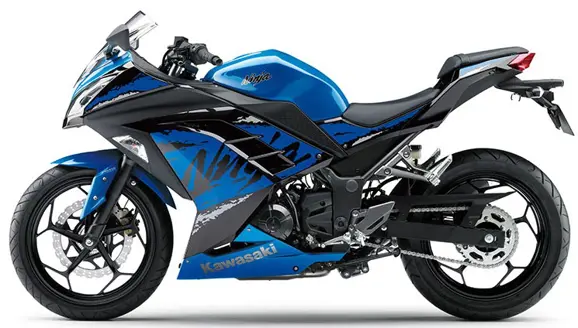 Kawasaki Ninja 300 is powered by a 296cc, twin-cylinder engine, producing 39 PS at 11,000 rpm and 27 Nm at 10,000 rpm. The performance numbers are better than TVS Apache RR 310 but feel decent before Yamaha R3. The difference in pricing for these three bikes, all equipped with ABS, safeguards them from each other. Yamaha is yet to bring the updated 2019 model of R3 in India.
[caption id="attachment_377751" align="aligncenter" width="850"]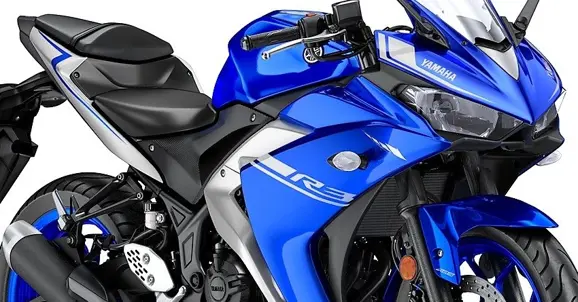 Ninja 300 Effect: Yamaha R3 Sales Down to 10 Units in December 2018[/caption]
The move not just offers exciting products at an eye-popping price, but also starts an era of competition where others try localizing and bringing equally impressive products within a considerable range. One such miracle happened with Ninja ZX-10R, which now again commands a bigger price tag than the earlier mentioned INR 12.80 lakh price tag. Another magical product from Kawasaki is Ninja 1000, posting 22 units in sales chart, that too after carrying a price tag of INR 10 lakh. It proves the worth at all grounds with exciting features and loads of power.
Kawasaki Ninja 300 is powered by a 296cc, twin-cylinder engine, producing 39 PS at 11,000 rpm and 27 Nm at 10,000 rpm. The performance numbers are better than TVS Apache RR 310 but feel decent before Yamaha R3. The difference in pricing for these three bikes, all equipped with ABS, safeguards them from each other. Yamaha is yet to bring the updated 2019 model of R3 in India.
Kawasaki Ninja 300 Key Specs
| Displacement | 296 cc |
| Maximum Power | 39 PS @ 11,000 rpm |
| Maximum Torque | 27 Nm @ 10,000 rpm |
| Number of Cylinders | 2 |
| Number of Gears | 6 |
| Seat Height | 785 mm |
| Ground Clearance | 135 mm |
| Kerb/Wet Weight | 179 kg |
| Fuel Tank Capacity | 17 litres |
| Top Speed | 182 kmph |
Ninja 300 Effect: Yamaha R3 Sales Down to 10 Units in December 2018[/caption]Ad
I
Immanuel Raja is an Automotive Writer with 8 years of experience covering the Indian automotive landscape. He specializes in Electric Vehicles and Hybrid Technology, with particular expertise in battery systems, charging infrastructure, and the integration of alternative powertrains in Indian road conditions. Raja has extensively tested over 200 vehicles across various segments, from entry-level EVs to premium hybrids, developing nuanced insights into their performance on India's diverse and challenging roads. His analysis encompasses both technical specifications and practical ownership considerations that matter to Indian consumers, including charging accessibility, maintenance costs, and performance in extreme weather conditions. With a finger on the pulse of India's evolving automotive preferences, Raja delivers clear, factual assessments that help readers navigate the transition to electrified mobility in the context of India's unique market dynamics.
About the Author
Explore the story
Related news


Comments
Share your view and join the discussion.
Start with:
Earn reward points for every comment and get a chance to win ₹1,000 in our weekly lucky draw. Sign in with Google in one tap.
Start the conversation
No one has commented on this article yet. Be the first to share your view.
Want to read more automotive news?
Stay updated with the latest car launches, reviews, and industry insights.
Browse All News