Quick Comparison: Bajaj Pulsar 180 Neon vs Pulsar 220F
Bajaj Pulsar 180 Neon vs Pulsar 220F (Quick Comparison): Bajaj Pulsar 180 Neon is now officially listed on the website for INR 87,000 (ex-Delhi). The price tag is applicable for just two weeks as mandatory ABS inclusion will bring a rise in the ex-showroom price, seen on almost every brand’s best se...
Bajaj Pulsar 180 Neon vs Pulsar 220F (Quick Comparison): Bajaj Pulsar 180 Neon is now officially listed on the website for INR 87,000 (ex-Delhi). The price tag is applicable for just two weeks as mandatory ABS inclusion will bring a rise in the ex-showroom price, seen on almost every brand’s best selling series of bikes from the last few months. Visually, the only difference noticed between Bajaj Pulsar 180 Neon and 220F is the use of different exhaust design and colour schemes. To a person who is not into motorcycling, it is hard to differentiate both the models. On the other hand, a keen eye will look into the minor details.
[caption id="attachment_387097" align="aligncenter" width="1080"] Bajaj Pulsar 180 Neon[/caption]
The official website of Bajaj Auto shows the older model of 220F as belly pan has already been added to the ABS model. The Neon series now comes in 150 and 180 engine option while 220F is still the flagship product when it comes to DTS-i lineup of engines. Bajaj has already introduced single-channel ABS in Pulsar 220F, 180, and 150 Twin Disc while remaining models like 150 Neon, 150, 180F Neon and NS160 are yet to be seen with the mandatory safety feature. Here is a quick comparison between the popular Pulsar 220F and recently launched Pulsar 180 Neon.
[caption id="attachment_409064" align="aligncenter" width="1024"] 2019 Bajaj Pulsar 220F[/caption]
Specializes in: Electric Vehicles, Hybrid Technology
Immanuel Raja is an Automotive Writer with 8 years of experience covering the Indian automotive landscape. He specializes in Electric Vehicles and Hybrid Technology, with particular expertise in battery systems, charging infrastructure, and the integration of alternative powertrains in Indian road conditions. Raja has extensively tested over 200 vehicles across various segments, from entry-level EVs to premium hybrids, developing nuanced insights into their performance on India's diverse and challenging roads. His analysis encompasses both technical specifications and practical ownership considerations that matter to Indian consumers, including charging accessibility, maintenance costs, and performance in extreme weather conditions. With a finger on the pulse of India's evolving automotive preferences, Raja delivers clear, factual assessments that help readers navigate the transition to electrified mobility in the context of India's unique market dynamics.
Immanuel Raja is an Automotive Writer with 8 years of experience covering the Indian automotive landscape. He specializes in Electric Vehicles and Hybrid Technology, with particular expertise in battery systems, charging infrastructure, and the integration of alternative powertrains in Indian road conditions. Raja has extensively tested over 200 vehicles across various segments, from entry-level EVs to premium hybrids, developing nuanced insights into their performance on India's diverse and challenging roads. His analysis encompasses both technical specifications and practical ownership considerations that matter to Indian consumers, including charging accessibility, maintenance costs, and performance in extreme weather conditions. With a finger on the pulse of India's evolving automotive preferences, Raja delivers clear, factual assessments that help readers navigate the transition to electrified mobility in the context of India's unique market dynamics.
Immanuel Raja is an Automotive Writer with 8 years of experience covering the Indian automotive landscape. He specializes in Electric Vehicles and Hybrid Technology, with particular expertise in battery systems, charging infrastructure, and the integration of alternative powertrains in Indian road conditions. Raja has extensively tested over 200 vehicles across various segments, from entry-level EVs to premium hybrids, developing nuanced insights into their performance on India's diverse and challenging roads. His analysis encompasses both technical specifications and practical ownership considerations that matter to Indian consumers, including charging accessibility, maintenance costs, and performance in extreme weather conditions. With a finger on the pulse of India's evolving automotive preferences, Raja delivers clear, factual assessments that help readers navigate the transition to electrified mobility in the context of India's unique market dynamics.

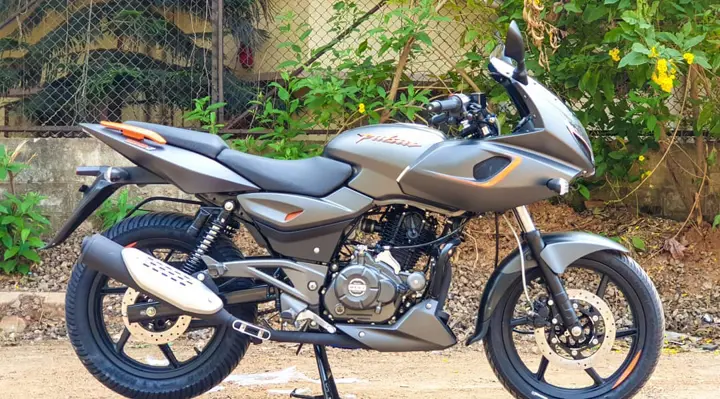 Bajaj Pulsar 180 Neon[/caption]
The official website of Bajaj Auto shows the older model of 220F as belly pan has already been added to the ABS model. The Neon series now comes in 150 and 180 engine option while 220F is still the flagship product when it comes to DTS-i lineup of engines. Bajaj has already introduced single-channel ABS in Pulsar 220F, 180, and 150 Twin Disc while remaining models like 150 Neon, 150, 180F Neon and NS160 are yet to be seen with the mandatory safety feature. Here is a quick comparison between the popular Pulsar 220F and recently launched Pulsar 180 Neon.
[caption id="attachment_409064" align="aligncenter" width="1024"]
Bajaj Pulsar 180 Neon[/caption]
The official website of Bajaj Auto shows the older model of 220F as belly pan has already been added to the ABS model. The Neon series now comes in 150 and 180 engine option while 220F is still the flagship product when it comes to DTS-i lineup of engines. Bajaj has already introduced single-channel ABS in Pulsar 220F, 180, and 150 Twin Disc while remaining models like 150 Neon, 150, 180F Neon and NS160 are yet to be seen with the mandatory safety feature. Here is a quick comparison between the popular Pulsar 220F and recently launched Pulsar 180 Neon.
[caption id="attachment_409064" align="aligncenter" width="1024"]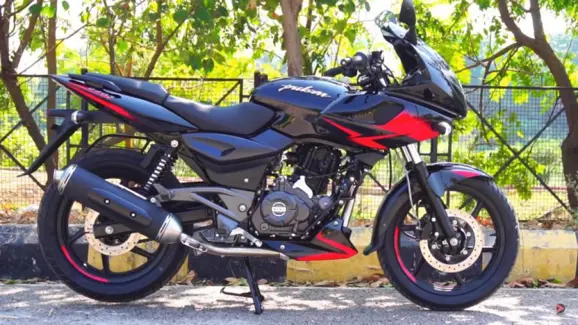 2019 Bajaj Pulsar 220F[/caption]