
3 min read
183 views
Bajaj Pulsar RS200 Pros & Cons
When it was first launched, the Pulsar RS200 attracted a lot of petrol-heads. Within a week, there were more than 1,000 bikes booked by just 17 showrooms. When it was launched, it provided a tough competition to the bikes offered by KTM and Yamaha. There were a lot of features that made the RS200 st...
When it was first launched, the Pulsar RS200 attracted a lot of petrol-heads. Within a week, there were more than 1,000 bikes booked by just 17 showrooms. When it was launched, it provided a tough competition to the bikes offered by KTM and Yamaha. There were a lot of features that made the RS200 stand out from the rest of the crowd. It was packed with power and comfort. It was quite inexpensive and also had a low running cost.
3) Comfortable Riding: Despite its sporty design, the bike is quite comfortable for the rider as well as the pillion. The difference between the seats for the rider and the pillion is by an inch and the position of the handlebar ensures that the rider is quite comfortable. To ride the bike, the rider sits up in an almost straight position while riding in the city traffics or cruising on the highway. Adding to the comfort is the suspension setup. There are telescopic forks with anti-friction bush at the front and a nitrox monoshock with canister at the rear.
4) Mileage: Bajaj has claimed that the RS200 can ride a good 54 kilometres in one litre of fuel if the bike is running at a constant speed of 58 kmph. This is quite impressive but equally impossible in real-world situations, where the bike returns a mileage of 35-45 kmpl.
5) Price: The Bajaj Pulsar RS200 starts at INR 1,26,843 (ex-showroom Delhi) and there is an ongoing offer for free service for 2 years, warranty for 5 years, and a low down payment. It is cheaper than the RC200 by KTM, which is its closest rival.
 Bajaj Pulsar RS200 Pros & Cons
Pros of Pulsar RS200
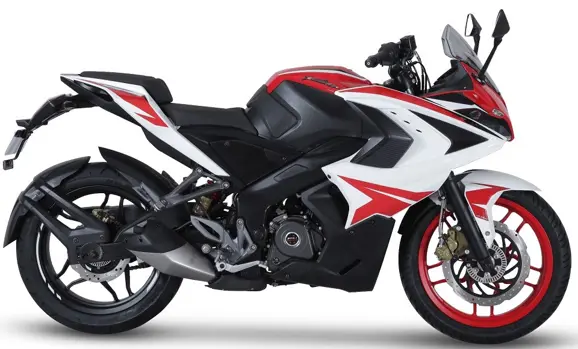
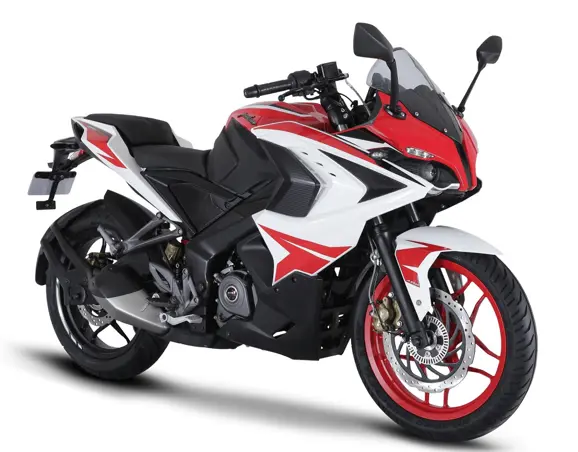
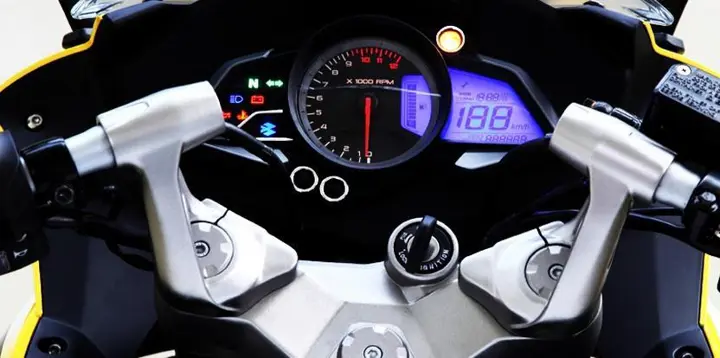
1) Design: Straight out, the RS200 looks like it has been designed by the devil himself. It is quite sinister in looks and brings an all-new freshness to the lineup. There are dual projector headlights on the front and the tail lamps are quite sporty as well, adding to the overall aggressive look. Though the design looks a bit disproportionate from some angles but still it is one of the best-looking full-faired bikes in India. 2) Engine and Performance: The Pulsar RS200 is powered by a 199.5cc single-cylinder SOHC 4-valve liquid-cooled fuel-injected engine that comes mated to a six-speed manual transmission. The engine can produce maximum power of 24.2 hp at 9,750 rpm and peak torque of 18.6 Nm at 8,000 rpm. This allows the bike to accelerate from rest in just 9.92 seconds. The company claimed top speed of RS200 is 140.8 kmph.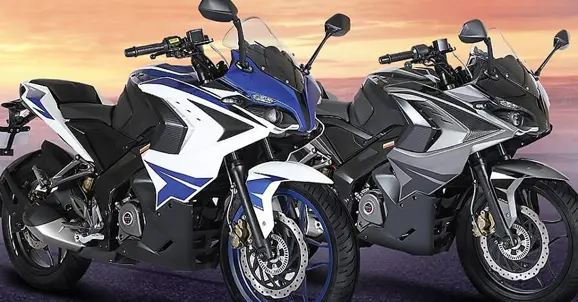
Cons of Pulsar RS200
1) Single-channel ABS: Even after years of launch, the company has not introduced a dual-channel ABS in the RS200. The introduction of the dual-channel ABS would have boosted the reputation of the bike as a flagship motorcycle. 2) Weight: The bike is quite heavy, at a weight of 164 kg. This slows down the acceleration of the bike, and also makes it quite difficult to handle around the corners. 3) Body Rattle: At higher revs, the bike is full of vibrations and the noises are heard through the front fairing as well. This might take the driver’s attention off the road, creating a fear of breakdown of the body parts of the bike.Ad
I
Immanuel Raja is an Automotive Writer with 8 years of experience covering the Indian automotive landscape. He specializes in Electric Vehicles and Hybrid Technology, with particular expertise in battery systems, charging infrastructure, and the integration of alternative powertrains in Indian road conditions. Raja has extensively tested over 200 vehicles across various segments, from entry-level EVs to premium hybrids, developing nuanced insights into their performance on India's diverse and challenging roads. His analysis encompasses both technical specifications and practical ownership considerations that matter to Indian consumers, including charging accessibility, maintenance costs, and performance in extreme weather conditions. With a finger on the pulse of India's evolving automotive preferences, Raja delivers clear, factual assessments that help readers navigate the transition to electrified mobility in the context of India's unique market dynamics.
About the Author
Explore the story
Related news
Comments
Share your view and join the discussion.
Start with:
Earn reward points for every comment and get a chance to win ₹1,000 in our weekly lucky draw. Sign in with Google in one tap.
Start the conversation
No one has commented on this article yet. Be the first to share your view.
Want to read more automotive news?
Stay updated with the latest car launches, reviews, and industry insights.
Browse All News