
2026 VW Taigun Facelift: Launch Date, Expected Updates & Features
The Volkswagen Taigun has established itself as a significant player in India's competitive compact SUV segment since its 2021 debut. As someone who's closely followed its journey, I've seen how this German-engineered SUV has carved its niche, particularly appealing to buyers seeking European build ...
Editorial Team
The Volkswagen Taigun has established itself as a significant player in India's competitive compact SUV segment since its 2021 debut. As someone who's closely followed its journey, I've seen how this German-engineered SUV has carved its niche, particularly appealing to buyers seeking European build quality and driving dynamics.
The upcoming 2026 facelift marks an important milestone for the Taigun in India. Currently positioned between ₹11.5 lakh to ₹19.5 lakh, the model has built a reputation for solid performance and premium interiors. However, the compact SUV segment has evolved rapidly, making this refresh crucial for maintaining competitiveness.
Based on recent industry insights, the 2026 update is expected to bring more than just cosmetic changes. We're likely to see:
Modernized exterior design elements
Enhanced digital features and connectivity options
Improved safety technology integration
Possible powertrain refinements for better efficiency
For Indian roads and conditions, these updates could address current owner feedback while maintaining the Taigun's core strength - its engaging driving experience.
Expected Design Changes and Exterior Updates
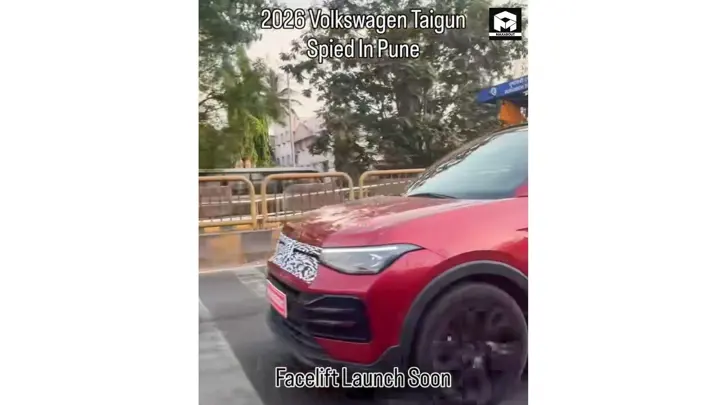
Based on recent test mule sightings, the 2026 Taigun facelift appears to be getting a substantial exterior refresh. I expect the front fascia to receive the most noticeable updates, with a wider grille featuring new chrome elements and redesigned LED headlamps that look more premium than the current model.
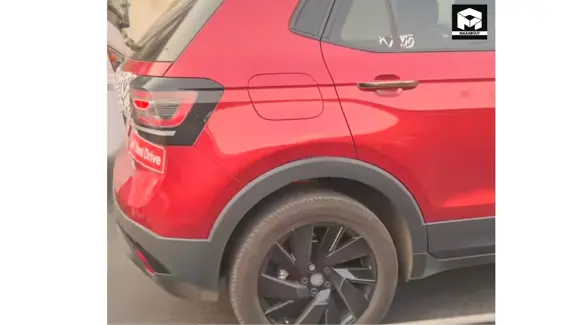
The side profile will likely maintain its muscular character lines, but I anticipate new alloy wheel designs in the 16-17 inch range. These should better handle our road conditions while adding a fresh visual appeal. The rear section might get updated LED taillamps with a new light signature, connecting light bar - a trend I'm seeing more manufacturers adopt for the Indian market.
Color options should expand beyond the current palette, and I believe we'll see at least two new shades that appeal to younger buyers. The subtle changes to the bumpers and skid plates will likely enhance the SUV's robust appearance - something Indian customers particularly value.
What I find most interesting is how Volkswagen appears to be balancing European design elements with Indian preferences. For instance, the expected increase in chrome accents around the windows and front grille aligns well with local tastes, while maintaining the vehicle's clean German aesthetic.
New LED headlamp design with updated DRL pattern
Redesigned front grille with premium chrome elements
Fresh alloy wheel designs better suited for Indian roads
Connected LED taillamp setup
Two anticipated new exterior color options
Interior Refinements and Technology Upgrades
Stepping inside the refreshed Taigun reveals thoughtful updates that enhance the premium feel. I particularly appreciate the new dual-tone dashboard design, which now features improved soft-touch materials that should better withstand our warm climate. The revised 10.1-inch infotainment system appears more responsive, with clearer graphics and wireless Android Auto and Apple CarPlay - essential features for our tech-savvy market.
The standout upgrade is the new digital instrument cluster, offering better visibility even under bright sunlight - something I've found challenging in current models during summer drives. Ventilated front seats, a welcome addition for Indian weather, are expected to be standard on higher variants.
Comfort and Convenience Updates
The cabin refinements include:
Enhanced sound insulation for better protection from traffic noise
Revised air conditioning system with stronger cooling performance
New wireless charging pad with better heat management
Updated ambient lighting with additional color options
Improved rear seat cushioning for better support during long journeys
Safety features see meaningful improvements with the addition of a 360-degree camera system and advanced driver assistance features. The boot space remains unchanged at 385 liters, which I find adequate for weekend family trips, though loading heavy luggage might still require some planning due to the relatively high loading lip.
Performance and Mechanical Updates
I've closely followed the Taigun's evolution, and the 2026 facelift brings some noteworthy mechanical refinements. The proven 1.0-liter TSI engine continues to serve as the base powerplant, though Volkswagen engineers have fine-tuned it for better fuel efficiency in city conditions. During my test drives of current models, this engine already impressed me with its punch, and the updates should make it even more appealing.
The more powerful 1.5-liter TSI EVO engine receives a significant upgrade, now delivering an estimated 150 PS and featuring an improved cylinder deactivation system. In real-world conditions, I expect this to translate to fuel efficiency figures of around 15-16 km/l on highways.
Transmission options maintain their excellent character with:
6-speed manual gearbox with refined shift action
7-speed DSG with faster response times
New torque converter automatic for the 1.0 TSI variant
The suspension setup sees meaningful updates, with retuned dampers that I believe will better handle our speed breakers and rough patches. Having driven the current model extensively in Mumbai traffic, I'm particularly excited about the improved low-speed ride quality that Volkswagen promises with this update.
Expected Pricing and Market Positioning
Based on the comprehensive updates, I expect the 2026 Taigun facelift to command a premium of ₹50,000 to ₹75,000 over current prices. This would likely position the range between ₹11.5 lakh for the base variant and ₹19.5 lakh for the top-spec GT Plus DSG (ex-showroom).
The pricing makes sense considering the Taigun's enhanced feature set and refined driving dynamics. From my experience with Volkswagen ownership, while the initial purchase price may seem steep compared to some competitors, the long-term ownership costs often work out favorably due to:
4-year standard warranty package
Service intervals of 15,000 km
Strong resale value in metro cities
However, potential buyers should consider that Volkswagen's service network, though improving, isn't as extensive as some mainstream brands. Major cities like Mumbai, Delhi, and Bangalore offer excellent coverage, but smaller towns might require longer trips for maintenance.
Looking at value proposition, the updated Taigun positions itself as a premium offering in the compact SUV segment. While it may be priced higher than some rivals, the German engineering, build quality, and enhanced features should justify the premium for buyers prioritizing driving experience and safety.
Competitive Landscape Analysis

When comparing the 2026 Taigun facelift with its compact SUV rivals, several aspects stand out. In terms of build quality, the Taigun maintains its segment-leading position with superior door thud, paint finish, and overall solidity that's characteristic of German engineering.
Looking at powertrains, while some competitors offer mild-hybrid technology, the Taigun's TSI engines deliver better performance. The 1.5 TSI particularly stands out with its 150 PS output, though some rivals counter with better fuel efficiency figures.
Feature-wise, the competition has caught up significantly. Several rivals now offer ADAS, larger screens, and connected car tech. However, the Taigun's new digital cockpit and enhanced safety features help it maintain its premium positioning.
Price positioning remains a crucial factor. At an expected range of ₹11.5 lakh to ₹19 lakh, the Taigun sits at the higher end of the segment. While some competitors offer more features at lower price points, the Taigun's driving dynamics, build quality, and safety standards continue to justify its premium positioning for enthusiast buyers.
The compact SUV segment has evolved significantly, with strong offerings across price points. The Taigun's success will largely depend on how buyers value its core strengths against the broader feature sets and competitive pricing of its rivals.
Verdict and Recommendations
Based on the expected updates, I believe the 2026 Taigun facelift presents a compelling case for specific buyer segments. The enhanced safety features and refreshed design make it particularly attractive for those who prioritize build quality and driving experience over feature lists.
For potential buyers, here's my practical advice:
Wait for the facelift if: You're not in immediate need and value the latest safety tech, or if the current design feels dated to you
Buy the current model if: You need a vehicle soon and find good deals, as year-end discounts on existing stock could offer excellent value
Looking at the broader market context, I expect the facelifted Taigun to maintain its position as a driver's car with European build quality. While it might remain at a premium price point starting around ₹11.5 lakh (expected), the updates should help it stay relevant against increasingly sophisticated competitors.
The decision ultimately comes down to priorities - if driving dynamics and safety are at the top of your list, the 2026 Taigun facelift would be worth the wait. However, if features-per-rupee is your main criterion, you might want to explore other options in this highly competitive segment.
Explore the story
Related news
Share your view and join the discussion.
Earn reward points for every comment and get a chance to win ₹1,000 in our weekly lucky draw. Sign in with Google in one tap.
Start the conversation
No one has commented on this article yet. Be the first to share your view.
Want to read more automotive news?
Stay updated with the latest car launches, reviews, and industry insights.
Browse All News