
Yamaha R3, MT-03 Discontinued: New Models Coming?
The motorcycle world is buzzing with news that Yamaha has pulled the plug on two of its most popular entry-level bikes: the R3 and MT-03. For anyone who's been tracking the beginner motorcycle segment, this feels like a pretty significant shift. These bikes have been go-to recommendations for years,...
Editorial Team
The motorcycle world is buzzing with news that Yamaha has pulled the plug on two of its most popular entry-level bikes: the R3 and MT-03. For anyone who's been tracking the beginner motorcycle segment, this feels like a pretty significant shift. These bikes have been go-to recommendations for years, so naturally, riders are asking: what's the plan here?
Let me walk you through what's happening and share my thoughts on what might come next.
Why Are the R3 and MT-03 Being Discontinued?
From what I've seen reported across various markets, Yamaha hasn't made a massive announcement about this. Instead, dealers have quietly stopped receiving new inventory, and the bikes have disappeared from official websites in certain regions. This typically signals one of two things: either the models are being phased out completely, or—and this is what I'm leaning toward—Yamaha is clearing the decks for updated versions.
Emission Regulations Are Getting Stricter
Here's the thing that often forces manufacturers' hands: emissions standards. Euro 5+ regulations in Europe and similar standards globally have been tightening the screws on motorcycle manufacturers. The current R3 and MT-03, which share the same 321cc parallel-twin engine, were updated to meet Euro 5 standards not too long ago. But with Euro 5+ looming and other markets following suit, Yamaha might need to make more substantial changes.
I've noticed this pattern before with other manufacturers. Rather than continuously tweaking existing platforms, they'll discontinue the current model and come back with something more comprehensively updated.
Market Strategy and Competition
The entry-level sport and naked bike segments have gotten intensely competitive. KTM's 390 Duke and RC 390, Kawasaki's Ninja 400 and Z400, and Honda's CB300R are all fighting for the same customers. According to industry reports, manufacturers constantly need to refresh their offerings to stay relevant.
Yamaha might be taking a strategic pause to reassess what riders actually want in 2024 and beyond.
What Made the R3 and MT-03 Special?
Before we talk about what's next, it's worth remembering why these bikes resonated with so many riders.
The R3: A Track-Ready Learner Bike
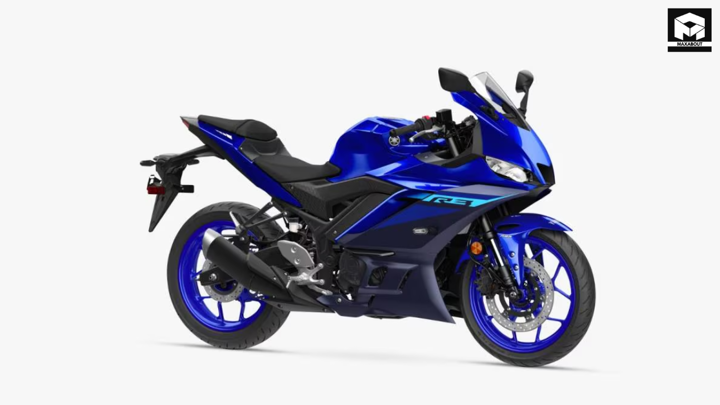
The R3 has been an absolute sweetheart for new riders who wanted sportbike styling without intimidating power. That 321cc engine produces around 42 horsepower—enough to be exciting but not enough to get you into serious trouble. I've seen countless riders start on an R3 and keep it even after getting their full license because it's just that enjoyable.
- Lightweight handling: At around 368 pounds wet, the R3 feels nimble without being twitchy
- Forgiving power delivery: Smooth and predictable—perfect for building confidence
- Track capability: Many track day organizations welcome R3s, and there are even spec racing series for them
- Reasonable pricing: Generally positioned as an accessible entry point to sportbikes
The MT-03: Naked Versatility
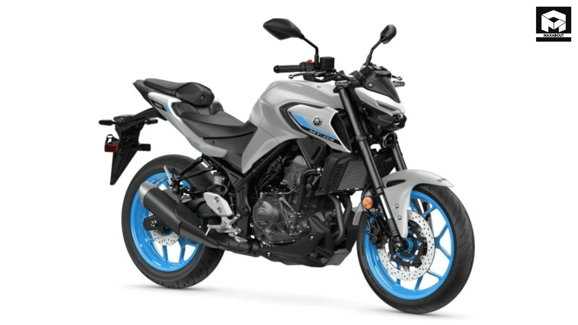
The MT-03 shares its engine with the R3 but wraps it in a more upright, comfortable package. This is the bike I'd typically recommend to someone who wants something practical for daily commuting but still fun on weekends.
- Upright riding position: Much more comfortable for longer rides and city traffic
- Aggressive styling: That predator-face front end from Yamaha's MT lineup looks genuinely cool
- Same reliable engine: Proven performance with excellent fuel economy
- Easy maintenance: Straightforward to work on, with parts readily available
Could New Models Be Coming Soon?
This is where things get interesting. Based on typical manufacturer patterns and what's happening in the market, I think there's a strong possibility we'll see updated versions relatively soon.
What Might Change in New Versions?
If Yamaha is developing replacements, here's what I'd expect to see based on industry trends and competitive pressure:
Engine Updates
The current 321cc engine is solid, but competitors like Kawasaki's 399cc parallel-twin in the Ninja 400 offer noticeably more power. Yamaha might bump displacement slightly—perhaps to 350-380cc—to stay competitive. Reports from motorcycle forums suggest many riders would welcome an extra 5-8 horsepower without sacrificing the friendly character that makes these bikes great for learning.
Electronics and Features
Modern riders expect more electronic assistance, even on entry-level bikes. The current models have basic ABS, but competitors are offering:
- Multiple riding modes
- Traction control systems
- Quickshifters (even if just upshifts)
- TFT displays with smartphone connectivity
- LED lighting throughout
Adding these features would align with what I've seen becoming standard across the segment.
Chassis and Suspension Improvements
The current bikes have perfectly adequate suspension for street riding, but they're pretty basic. Adjustable suspension components would be a welcome upgrade, especially for riders who want to do occasional track days or who fall outside average weight ranges.
Timeline Expectations
Here's my educated guess: if Yamaha is working on replacements, we'd likely see them announced for the 2025 or 2026 model year. Major motorcycle shows like EICMA in November typically serve as launch platforms for new models. Manufacturers usually discontinue current models 6-12 months before introducing successors, which fits the current timeline.
What Should Prospective Buyers Do Right Now?
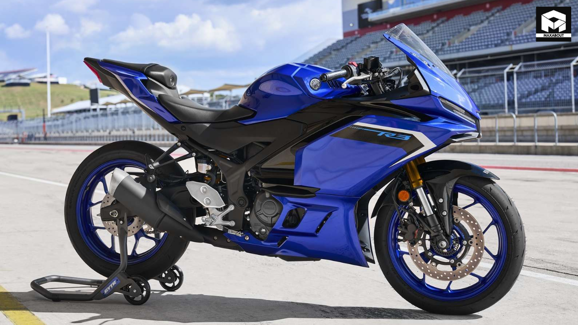
If you're in the market for an entry-level bike and were considering an R3 or MT-03, you've got a few options to think through.
Look for Remaining Inventory
Some dealers may still have unsold units sitting around. You might actually score a decent deal as they try to clear out discontinued models. Just remember that you're buying last-gen technology, which could affect resale value down the line.
Consider the Competition
The good news? There are plenty of excellent alternatives available right now:
- Kawasaki Ninja 400/Z400: More power, similar price point, proven reliability
- KTM RC 390/390 Duke: Loaded with features, though reliability reports are more mixed
- Honda CB300R: Gorgeous retro-modern styling, slightly less power but excellent build quality
- Suzuki GSX-R250/GSX-S250: Smaller displacement but ultra-lightweight
Wait for the New Models
If you're not in a rush and you're sold on Yamaha, waiting might make sense. The potential for updated technology and more competitive performance could be worth the patience. However, nobody knows for certain if or when replacements will arrive.
Impact on the Used Market
Here's something interesting to consider: discontinuation often affects used bike values in unpredictable ways. Sometimes prices drop because people assume the model is outdated. Other times, prices hold steady or even increase because the bikes develop a following and parts remain available.
The R3 and MT-03 have strong enthusiast communities, active racing series, and good parts support. I'd expect used values to remain relatively stable, especially for well-maintained examples from recent years. These bikes have proven themselves reliable, and that counts for a lot in the used market.
My Take on What This Means for Riders
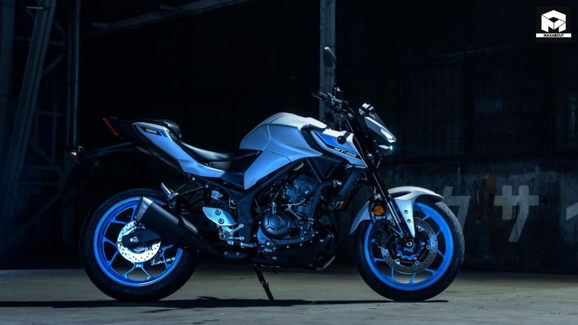
Look, I get it—discontinuation news always creates uncertainty. But I don't think this is cause for concern. Yamaha has consistently supported the entry-level segment, and I seriously doubt they're abandoning it now when it's more competitive than ever.
What excites me is the possibility of what comes next. The R3 and MT-03 were excellent bikes, but they were starting to feel a bit dated compared to newer competition. If Yamaha comes back with updated versions that incorporate modern features while maintaining the friendly character that made these bikes popular, that's a win for everyone.
For new riders specifically, this market disruption actually highlights how many solid options exist right now. You're not locked into one choice. Every major manufacturer offers compelling entry-level bikes, and honestly, you'll probably be happy with any of them. The differences come down to personal preference more than objective superiority.
Frequently Asked Questions
Will Yamaha parts and service still be available for the R3 and MT-03?
Absolutely. When manufacturers discontinue models, they maintain parts support for many years afterward—typically at least a decade. Yamaha has an excellent reputation for long-term parts availability. Service shouldn't be an issue at any competent motorcycle shop, as these bikes use straightforward technology without proprietary complications.
Should I buy a used R3/MT-03 now or wait for new models?
It depends on your timeline and budget. Used R3s and MT-03s represent excellent value right now, with plenty of low-mileage examples available. If you need a bike now and find a well-maintained used model at a fair price, I wouldn't hesitate. If you can wait and want the latest technology, holding out might make sense—but there's no guarantee when or if replacements will arrive.
Are there any official announcements about replacement models?
As of now, Yamaha hasn't officially announced successors to either model. The discontinuation itself has been relatively quiet, with most information coming from dealers and market observations rather than press releases. This could mean replacements are in development under wraps, or Yamaha might be reassessing their entry-level strategy entirely.
How does this affect R3 Cup racing series?
Racing series using the R3 platform will likely continue for several years. These series often run for extended periods even after models are discontinued, as there's substantial existing infrastructure and plenty of bikes already in circulation. Organizers typically provide advance notice if they plan to change spec bikes, giving racers time to prepare.
Conclusion
The discontinuation of the Yamaha R3 and MT-03 marks the end of an era for two bikes that introduced countless riders to the sport. But if I'm reading the tea leaves correctly, this isn't an ending—it's more like an intermission before something potentially better arrives.
Whether you're a prospective buyer, current owner, or just someone who follows the motorcycle industry, the next 12-18 months should be interesting. Yamaha has built a strong reputation in the entry-level segment, and I'm optimistic they'll come back with compelling successors that push the segment forward.
In the meantime, the used market is full of excellent R3s and MT-03s that will serve riders well for years to come. And if you're shopping for a new entry-level bike right now, the competition has stepped up enough that you've got plenty of worthy alternatives to consider.
Whatever Yamaha does next, one thing's certain: the entry-level motorcycle segment keeps getting better, and that's fantastic news for anyone looking to start their riding journey.
Explore the story
Related news
Share your view and join the discussion.
Earn reward points for every comment and get a chance to win ₹1,000 in our weekly lucky draw. Sign in with Google in one tap.
Start the conversation
No one has commented on this article yet. Be the first to share your view.
Want to read more automotive news?
Stay updated with the latest car launches, reviews, and industry insights.
Browse All News