
TVS Apache 310: What You Need to Know
IntroductionThe TVS Apache RTR 310 isn't just another bike in TVS's lineup—it's their shot at establishing serious street cred in the performance motorcycle segment. Built around the same engine platform as the BMW G 310 R and G 310 GS, this machine promises a lot on paper. But here's the thing: buy...
By Nitin Dhiman
Automotive Writer
Introduction
The TVS Apache RTR 310 isn't just another bike in TVS's lineup—it's their shot at establishing serious street cred in the performance motorcycle segment. Built around the same engine platform as the BMW G 310 R and G 310 GS, this machine promises a lot on paper. But here's the thing: buying a motorcycle isn't just about spec sheets and Instagram-worthy photos.
I've been following the Apache RTR 310 closely since its launch, analyzing user feedback from forums, studying service center reports, and understanding what actual owners are saying. Whether you're upgrading from a smaller displacement bike or considering this as your entry into premium motorcycles, you need to know what you're getting into. Let me walk you through the five critical aspects that'll help you make an informed decision.
1. Performance Reality vs. Marketing Claims
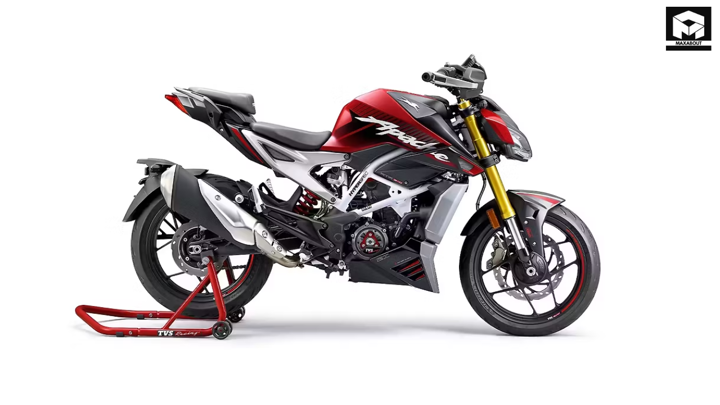
TVS markets the Apache RTR 310 with impressive numbers, but real-world performance tells a more nuanced story. The 312.2cc single-cylinder engine produces around 34 PS and 27.3 Nm of torque—respectable figures for a bike in this segment. But here's what the brochures don't always emphasize.
Power Delivery Characteristics
The engine character is distinctly BMW-influenced, which means it's smooth and refined rather than aggressive. Don't expect explosive acceleration that pins you to the seat. Instead, you get linear power delivery that builds progressively. Many riders coming from smaller Apaches or Yamaha R15s often report that the bike feels less "racy" than they anticipated.
The redline sits at around 10,500 RPM, and the engine genuinely loves to rev. Peak power comes high in the rev range, which means you'll need to keep the motor spinning to extract maximum performance. In typical city riding conditions, this translates to frequent gear changes if you want spirited performance.
Real-World Fuel Efficiency
Let's talk about something manufacturers love to gloss over: actual fuel consumption. TVS claims certain efficiency figures under ideal test conditions, but real-world numbers paint a different picture. Based on owner reports across various riding conditions, here's what you can typically expect:
- City riding: Generally ranges between 25-30 km/l depending on traffic conditions and riding style
- Highway cruising: Can achieve 32-38 km/l at steady speeds between 80-100 km/h
- Spirited riding: Drops to 20-25 km/l when you're really wringing the throttle
- Mixed conditions: Most owners report averaging around 28-32 km/l
With a 11-liter fuel tank, this means you're looking at a realistic range of about 280-350 kilometers per tank in mixed riding. Plan your fuel stops accordingly on long rides.
2. Heat Management and Comfort Concerns
This is where things get real, and it's something you absolutely need to experience before buying. Single-cylinder engines, especially high-performance ones, generate significant heat. The Apache RTR 310 is no exception.
Engine Heat in Stop-and-Go Traffic
The bike runs warm—there's no sugar-coating it. In heavy traffic, particularly during summer months, the engine heat becomes quite noticeable. The radiator placement and engine design mean heat radiates toward the rider's legs and thighs. If you live in a city with hot weather and congested traffic, this becomes a daily reality.
User forums consistently mention this as one of the primary concerns. It's not a defect; it's just physics. A high-compression single pumping out 34 horses generates heat, and that energy has to go somewhere.
Seat Comfort for Different Rides
The seat is designed with an aggressive sport riding position in mind. For short rides and spirited runs, it's perfectly fine. But extended highway cruising? That's where opinions diverge.
The seat height sits at around 810mm, which is manageable for average-height riders. However, the seat padding is firm—intentionally so for better bike control—but this means longer rides can get uncomfortable. Many owners report needing breaks every 100-150 kilometers on highway runs.
3. Build Quality and Component Considerations
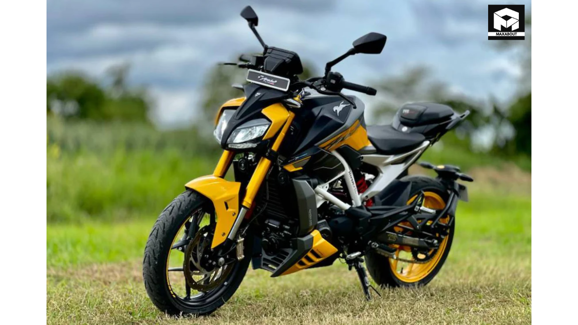
TVS has certainly stepped up their game with the Apache RTR 310, but understanding the component quality helps set proper expectations.
Premium Features Worth Noting
The bike comes loaded with features that were previously reserved for higher-priced motorcycles:
- Full LED lighting system including cornering function
- 5-inch TFT display with smartphone connectivity
- Ride-by-wire throttle with multiple riding modes
- Dual-channel ABS with switchable rear functionality
- USD front forks and rear monoshock
- Split seats with grab rails
Areas Where Cost-Cutting Shows
However, to hit the price point, certain compromises exist. The switchgear, while functional, doesn't feel as premium as bikes costing significantly more. Some plastic panels can feel slightly hollow when tapped. The paint quality is generally good, but it's not quite at the level of premium Japanese manufacturers.
These aren't dealbreakers, but they're realities. For the price TVS is asking, the overall package still represents solid value—just understand you're not getting KTM or Kawasaki-level fit and finish.
4. Maintenance Costs and Service Network
Ownership costs extend far beyond the purchase price, and this is where the Apache RTR 310 presents an interesting proposition.
Service Intervals and Costs
TVS recommends service intervals every 6,000 kilometers or six months, whichever comes first. The first few services are relatively affordable, but costs increase as the bike ages. The BMW-derived engine uses specific oils and components that cost more than typical commuter bike parts.
Based on service center data and owner reports, here's a general picture:
- First service: Usually complimentary or minimal cost
- Regular services: Typically range from ₹2,000-₹4,000 depending on what's needed
- Major services: Can exceed ₹6,000-₹8,000 with valve adjustments and major checks
- Consumables: Tires, brake pads, and chain sprockets are premium-spec items with corresponding prices
Service Network Reality
TVS has an extensive service network across India, which is a significant advantage. However, not every TVS dealership is equipped or trained to handle the Apache RTR 310. The bike requires specific diagnostic equipment and trained technicians familiar with the fuel injection system and electronics.
Before buying, I'd strongly recommend identifying which dealerships in your area are authorized to service the RTR 310. Check owner reviews for those specific service centers. A widespread network means nothing if your local dealer can't properly maintain your bike.
5. Pricing, Alternatives, and Value Proposition
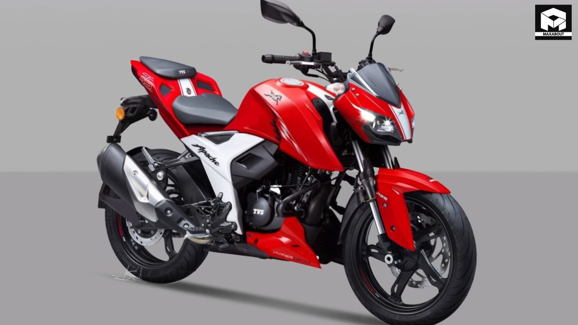
Let's address the elephant in the room: is the Apache RTR 310 worth the money?
Understanding the Price Point
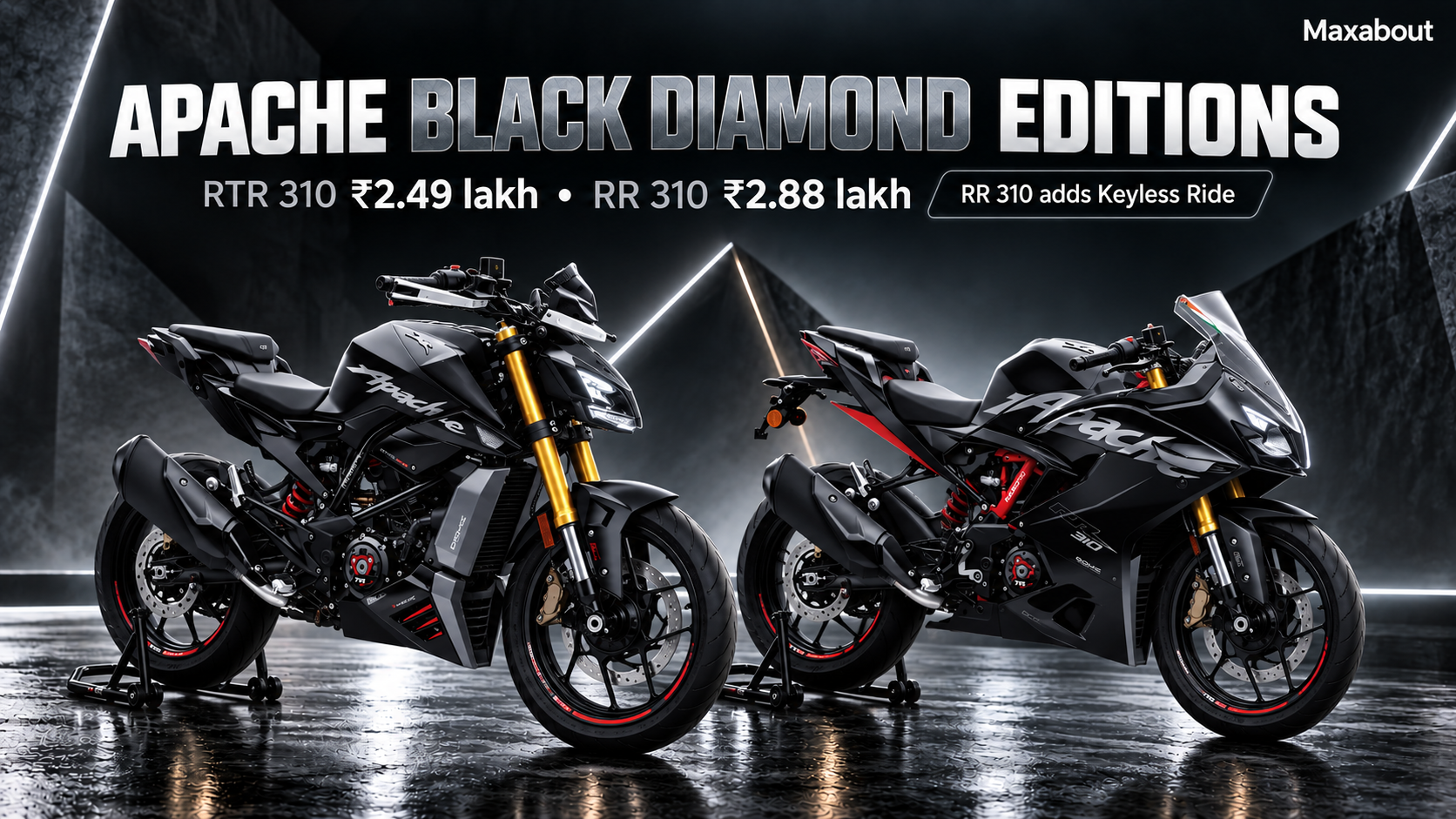
The Apache RTR 310 is priced in a competitive segment where buyers have several alternatives. The ex-showroom price varies by location, but you're typically looking at around ₹2.40-₹2.65 lakhs depending on the variant and state.
When you factor in insurance, registration, accessories, and on-road costs, the total investment climbs to approximately ₹2.70-₹3.00 lakhs. That's not pocket change, and at this price point, you're competing with some established names.
Key Competitors to Consider
Before signing on the dotted line, consider what else your money could buy:
- KTM 390 Duke: More power, sharper handling, aggressive character—but higher service costs and heat issues
- BMW G 310 R: Shares the engine but costs more; you're paying for the BMW badge and marginally better finish
- Yamaha R3: Twin-cylinder smoothness and proven reliability, but significantly more expensive
- Royal Enfield Interceptor 650: Different riding philosophy but offers twin-cylinder refinement at a similar price
- Kawasaki Ninja 300: When available, offers twin-cylinder performance in a full-faired package
Who Should Buy the Apache RTR 310?
This bike makes the most sense for specific buyer profiles. You're likely to be satisfied if you:
- Want a powerful single-cylinder bike with modern features
- Prefer TVS's service network reliability over brand prestige
- Primarily ride in areas with decent roads and flowing traffic
- Appreciate technology features like connectivity and riding modes
- Want something distinctive that doesn't follow the typical supersport template
Conversely, you might want to look elsewhere if you're seeking pure top-end performance, plan mostly slow urban commuting in extreme heat, or absolutely need that premium badge perception.
Additional Ownership Considerations
Insurance and Resale Value
Insurance premiums for the Apache RTR 310 fall into the higher brackets due to its engine displacement and value. Expect to pay ₹10,000-₹15,000 annually for comprehensive coverage, depending on your location and coverage choices.
Regarding resale value, it's still early to definitively judge since the bike is relatively new to the market. TVS motorcycles traditionally hold decent value, but premium segment bikes depreciate faster than commuters. As a general rule, expect 15-20% depreciation in the first year and 10-12% annually thereafter.
Customization and Aftermarket Support
The Apache RTR 310 has a growing aftermarket ecosystem. Exhaust systems, crash guards, frame sliders, and cosmetic modifications are increasingly available. TVS itself offers several genuine accessories, though they come at premium prices.
However, the aftermarket isn't as developed as for bikes like the KTM Duke series or Royal Enfields. If extensive customization is part of your ownership vision, factor this into your decision.
Test Ride Essentials
Never—and I mean never—buy this bike without a proper test ride. Not a 10-minute spin around the dealership block. Request an extended test ride covering different conditions:
- Stop-and-go traffic to assess heat management and clutch feel
- Open roads to experience power delivery and highway stability
- Tight corners to evaluate handling and ground clearance
- Rough patches to judge suspension compliance
Pay attention to your physical comfort. Can you flat-foot it at stops? Do your wrists hurt after 30 minutes? Is the reach to the handlebars natural for your body? These ergonomic factors matter more for daily satisfaction than any spec sheet number.
Frequently Asked Questions
Is the TVS Apache RTR 310 suitable for beginners?
It depends on your definition of "beginner." If you're completely new to motorcycles, this isn't where I'd recommend starting. The power delivery is manageable, but 34 PS demands respect. However, if you've spent time on 150-200cc bikes and feel confident with throttle control and cornering basics, the RTR 310 can work as a step-up bike. The riding modes and ABS provide safety nets, but there's no substitute for experience.
How does it perform on long highway rides?
The Apache RTR 310 handles highways competently. It cruises comfortably at 100-120 km/h with power reserves for overtaking. Wind protection from the small visor is minimal, so sustained high-speed riding can be tiring. The firm seat becomes a factor after 150-200 kilometers. It's absolutely capable of long tours, but it's more at home on spirited weekend rides than all-day interstate slogs.
What's the ground clearance like for Indian road conditions?
Ground clearance sits at approximately 180mm, which is adequate for most conditions. You won't scrape through typical speed breakers if you approach them sensibly. However, heavily laden touring with a pillion and luggage reduces effective clearance. The exhaust positioning is generally safe, but truly terrible roads require caution. It's not an adventure bike, but it handles typical Indian road irregularities without constant anxiety.
Are spare parts easily available?
Common service items like oil filters, air filters, and brake pads are generally available through the TVS network. However, specialized components—particularly electronics, specific engine parts, or body panels—may require ordering, which can take time. The shared platform with BMW means some parts are available through that network, but at premium prices. Stock availability varies significantly by location, with metros having better access than smaller towns.
Should I wait for updates or buy now?
The Apache RTR 310 is relatively mature in its current generation. TVS typically introduces updates every couple of years, but predicting exact timing is speculative. If the current bike meets your needs and budget, waiting for hypothetical updates means missing riding time now. However, if you're not in a rush and rumors of significant updates surface, patience might reward you. Check TVS's typical product cycle patterns and upcoming auto show schedules for hints.
Conclusion
The TVS Apache RTR 310
Explore the story
Related news
Share your view and join the discussion.
Earn reward points for every comment and get a chance to win ₹1,000 in our weekly lucky draw. Sign in with Google in one tap.
Start the conversation
No one has commented on this article yet. Be the first to share your view.
Want to read more automotive news?
Stay updated with the latest car launches, reviews, and industry insights.
Browse All News