
Toyota’s New Mini Land Cruiser: SUV Showdown 2025
Toyota's Smart Move Into Compact Adventure TerritoryToyota has been reading the room, and the message is clear: people want capable SUVs that don't require a second mortgage. According to industry reports, the automaker is developing a compact monocoque SUV that'll wear the Land Cruiser badge – some...
By rajen jungi
Automotive Writer
Toyota's Smart Move Into Compact Adventure Territory
Toyota has been reading the room, and the message is clear: people want capable SUVs that don't require a second mortgage. According to industry reports, the automaker is developing a compact monocoque SUV that'll wear the Land Cruiser badge – something that would've been unthinkable a decade ago.
I've watched Toyota's SUV strategy evolve over the years, and this move makes complete sense. The current Land Cruiser lineup sits at the premium end, with the 250 and 300 series commanding serious prices. But there's a massive gap in the market for buyers who want Land Cruiser credibility without the full-size footprint or cost.
The shift to monocoque construction is significant. Traditional Land Cruisers use body-on-frame architecture – basically a separate chassis with the body mounted on top. It's bulletproof for serious off-roading but adds weight and cost. A monocoque design means the body and frame are integrated, which typically results in better fuel efficiency, lower manufacturing costs, and more car-like driving dynamics.
What Monocoque Actually Means for Buyers
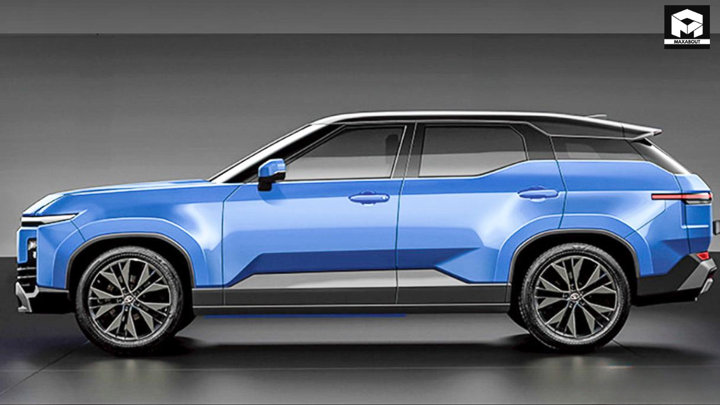
Let me clarify something that often gets lost in automotive jargon. When Toyota switches to monocoque construction, they're not necessarily compromising capability – they're just changing the approach.
The Practical Differences
Here's what monocoque construction typically delivers:
- Better on-road manners: The integrated structure usually provides sharper handling and a more refined ride on pavement
- Improved fuel economy: Less weight means better mileage, which matters when gas prices fluctuate
- Lower entry price: Manufacturing efficiencies often translate to more competitive pricing
- Enhanced safety features: Modern monocoque designs incorporate crumple zones more effectively
- More interior space: Without a separate frame, engineers can often maximize cabin volume
The Trade-Offs
Now, I won't pretend there aren't compromises. Body-on-frame vehicles generally offer:
- Higher towing capacity
- Better durability under extreme off-road punishment
- Easier repairs after significant body damage
- Greater payload capacity
But here's the thing – most buyers never push their SUVs to those extremes anyway. How many Land Cruiser owners actually ford rivers or traverse the Rubicon? The reality is that modern monocoque SUVs like the RAV4 or Highlander handle everything most people throw at them, including moderate off-roading.
Where This New Model Fits in Toyota's Lineup
Toyota's current SUV range has some interesting gaps. You've got the compact RAV4, the three-row Highlander, the body-on-frame 4Runner, and then the premium Land Cruiser series. A compact monocoque Land Cruiser would slot somewhere between the RAV4 and the traditional Land Cruisers.
Likely Positioning Strategy
Based on Toyota's historical approach and market trends, this new model would probably:
- Price between the top-spec RAV4 and entry-level Land Cruiser 250
- Target buyers who've outgrown compact SUVs but don't need full-size capability
- Compete directly with vehicles like the Jeep Compass, Subaru Outback Wilderness, or Mazda CX-50
- Feature hybrid or plug-in hybrid powertrains for efficiency
- Emphasize adventure-ready styling with genuine off-road capability for weekend warriors
The Brand Cachet Factor
Let's talk about something Toyota knows matters: badge engineering. The Land Cruiser name carries weight. It represents decades of proven reliability in the harshest conditions imaginable. By extending that nameplate to a more accessible vehicle, Toyota taps into aspirational buyers who want that heritage without the commitment.
Think of it like Porsche offering the Macan alongside the Cayenne. The smaller vehicle opens the brand to new customers while maintaining premium positioning above mainstream offerings.
Expected Features and Capabilities
While Toyota hasn't officially confirmed specifications, industry patterns and the company's recent vehicle launches give us clues about what to expect.
Powertrain Possibilities
Toyota's been aggressively pushing hybrid technology across its lineup, and this model would likely follow suit:
- Hybrid variant: Probably using a proven 2.5-liter four-cylinder hybrid system similar to the RAV4 Hybrid
- Turbocharged option: Potentially a 2.4-liter turbo-four for those prioritizing performance
- Plug-in hybrid: An electrified option would align with global emissions regulations and consumer demand
- All-wheel drive: Standard across the lineup, because anything wearing a Land Cruiser badge needs legitimate capability
Technology and Safety
Modern buyers expect comprehensive tech, and Toyota's recent vehicles suggest this model would include:
- Toyota Safety Sense 3.0 or newer as standard equipment
- Large touchscreen infotainment with wireless smartphone integration
- Digital gauge cluster with off-road information displays
- Advanced driver assistance features including adaptive cruise and lane-keeping
- Multiple terrain modes for different driving conditions
Market Timing and Competition
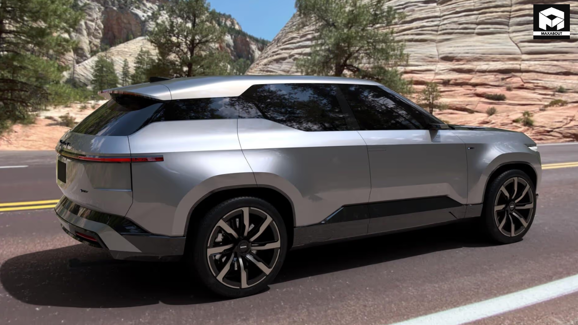
The compact adventure SUV segment is absolutely exploding right now. Manufacturers recognize that buyers want vehicles that look capable and handle light off-roading without the penalties of traditional truck-based SUVs.
Who's Already Playing in This Space
Toyota would be entering a crowded but growing market:
- Jeep Compass: Offers brand heritage with monocoque construction
- Subaru Outback Wilderness: Targets outdoor enthusiasts with proven all-weather capability
- Mazda CX-50: Emphasizes adventure styling with excellent driving dynamics
- Ford Bronco Sport: Leverages retro appeal with legitimate off-road features
- Hyundai Tucson: Provides strong value with comprehensive features
What sets Toyota apart is reliability reputation. Consumer Reports and J.D. Power consistently rank Toyota among the most dependable brands. That matters enormously to buyers planning to keep vehicles long-term or take them to remote locations.
Global Considerations
This isn't just about the North American market. Globally, consumers are downsizing while still wanting capability. Markets in Europe, Asia, and South America increasingly favor compact SUVs that balance efficiency with versatility. A smaller Land Cruiser would have genuine worldwide appeal.
Pricing Expectations and Value Proposition
Let's talk money, because that's ultimately what determines success. The current Land Cruiser 250 starts around $56,000, while a well-equipped RAV4 tops out near $40,000. A compact monocoque Land Cruiser would likely slot somewhere in between.
Realistic Price Points
Based on Toyota's pricing strategy and competitive analysis:
- Base model: Probably starting around $38,000-$42,000
- Mid-trim: Likely landing between $45,000-$48,000 with desirable features
- Top-spec variant: Could reach $52,000-$55,000 with premium equipment
These estimates assume standard all-wheel drive, hybrid powertrains, and comprehensive safety technology. The value proposition centers on getting Land Cruiser prestige and Toyota reliability in a more manageable package.
What This Means for Current SUV Shoppers
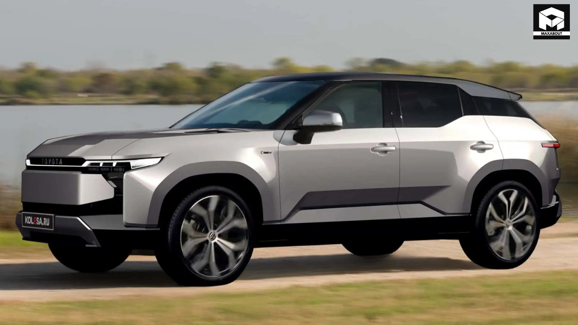
If you're currently shopping for a compact or midsize SUV with adventure aspirations, this news creates an interesting dilemma. Do you buy now or wait?
The Wait-and-See Approach
Here's my take: if your current vehicle is reliable and you're not in a rush, waiting could pay off. A new Land Cruiser variant would likely offer:
- Latest safety and technology features
- Improved fuel efficiency through hybrid systems
- Strong initial quality given Toyota's development processes
- Excellent resale value thanks to the Land Cruiser badge
When Waiting Doesn't Make Sense
Conversely, you should probably buy what's available now if:
- Your current vehicle needs replacement immediately
- You've found a great deal on a current model that meets your needs
- You genuinely need body-on-frame capability (heavy towing, extreme off-roading)
- First-year production concerns make you nervous
Remember, the first model year of any new vehicle typically experiences more issues than subsequent years as manufacturers work through teething problems.
Frequently Asked Questions
When will the smaller Land Cruiser actually arrive?
Toyota hasn't officially confirmed this model yet, so timeline details remain speculative. However, based on typical development cycles and industry reports, a launch sometime in 2025 or 2026 seems plausible if the project moves forward.
Will it have genuine off-road capability?
While monocoque construction differs from traditional body-on-frame, modern engineering allows impressive capability. Look at the RAV4 TRD Off-Road or Subaru Wilderness models – they handle surprisingly challenging terrain. Expect legitimate capability for most recreational off-roading, though probably not Rubicon-level rock crawling.
How will this affect 4Runner sales?
That's a great question. The 4Runner occupies similar conceptual space but uses body-on-frame construction. Toyota might position them differently – 4Runner for serious enthusiasts, the new model for lifestyle-oriented buyers. Or they might eventually replace the aging 4Runner platform entirely.
What about towing capacity?
Monocoque SUVs typically tow less than body-on-frame equivalents. Expect somewhere between 3,500-5,000 pounds depending on powertrain and configuration. That handles most boat trailers and camping setups but won't match a traditional Land Cruiser's capability.
Will this be more reliable than competitors?
Toyota's track record speaks volumes. They consistently rank among the most reliable brands, and new models typically maintain that reputation. While first model years sometimes experience minor issues, Toyota's conservative engineering approach usually prevents major problems.
Final Thoughts on Toyota's Compact Land Cruiser Strategy
This rumored smaller Land Cruiser represents smart strategic thinking from Toyota. The automotive landscape is shifting toward efficient, versatile vehicles that can handle diverse situations without compromise. By extending the Land Cruiser name to a more accessible platform, Toyota potentially captures buyers who've been priced out of traditional models.
What excites me most is the democratization of capability. Not everyone needs to cross the Sahara or navigate Mongolian steppes, but plenty of people want a vehicle that could if necessary. A monocoque Land Cruiser delivers that confidence along with daily usability, better fuel economy, and lower ownership costs.
The Land Cruiser badge carries enormous credibility built over decades in the world's harshest environments. Extending that heritage to a compact, efficient platform isn't dilution – it's evolution. Just like luxury brands offering smaller models to reach new customers, Toyota can maintain premium positioning while expanding accessibility.
Whether this model ultimately succeeds depends on execution. Toyota needs to balance genuine capability with efficiency, heritage with modernity, and aspiration with value. Based on their recent product launches and understanding of customer needs, I'm optimistic they'll get the formula right.
For buyers, this represents another compelling option in an increasingly crowded segment. Competition drives innovation and value, which ultimately benefits everyone shopping for adventure-ready SUVs. Keep watching this space – Toyota's compact Land Cruiser could reshape expectations for what's possible in an accessible package.
Explore the story
Related news
Share your view and join the discussion.
Earn reward points for every comment and get a chance to win ₹1,000 in our weekly lucky draw. Sign in with Google in one tap.
Start the conversation
No one has commented on this article yet. Be the first to share your view.
Want to read more automotive news?
Stay updated with the latest car launches, reviews, and industry insights.
Browse All News