
Top 5 Car Launches in February 2026: Maruti, Tata, Mahindra Models
February 2026: Why This Month Matters for Indian Car BuyersThe Indian automotive landscape is about to witness a significant transformation this February, with several game-changing launches lined up. Based on recent market analysis, there are compelling reasons why potential car buyers might want t...
Editorial Team
February 2026: Why This Month Matters for Indian Car Buyers
The Indian automotive landscape is about to witness a significant transformation this February, with several game-changing launches lined up. Based on recent market analysis, there are compelling reasons why potential car buyers might want to pay close attention to this particular month.
Three major developments stand out:
Electric Revolution: The Maruti eVitara's expected launch at ₹17-20 lakh price point signals mainstream manufacturers' serious entry into the EV space
Premium SUV Evolution: Volkswagen's Tayron and Mahindra's XUV e8 are set to redefine the ₹45-53 lakh segment with advanced features and electrification
Market Dynamics: The timing of these launches coincides with anticipated policy changes in emission norms and EV incentives
What makes February 2026 particularly interesting is the diverse range of options across segments. According to recent industry reports, SUV sales continue to dominate with over 48% market share, while electric vehicle adoption is growing at 35% annually. For buyers, this means more choices and potentially better value propositions.
I think the real significance lies in how these launches might influence pricing across segments. With premium brands entering new territories and mainstream manufacturers stepping up their game, we could see interesting adjustments in the market positioning of existing models.
Top 5 Most Anticipated Launches of February 2026
Having spent considerable time analyzing the upcoming releases, I believe these five models stand out for their potential impact on the Indian market:
1. Maruti e-Vitara
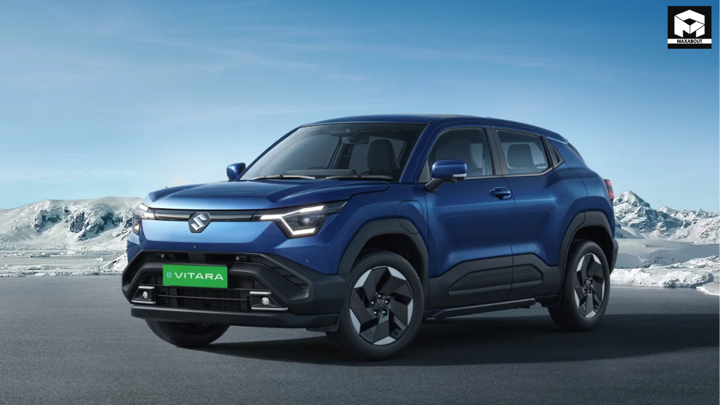
Expected to launch on February 10th, the e-Vitara marks Maruti's serious entry into the electric SUV space. With an estimated price range of ₹17-20 lakh, it promises a 500km range and fast-charging capability. The interior features a 12.3-inch floating display and advanced driver assistance systems. Based on early previews, I expect this to appeal strongly to urban families seeking their first electric vehicle.
2. Tata Sierra EV
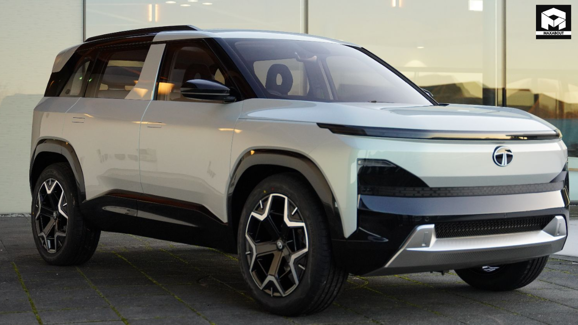
Scheduled for February 15th, the Sierra's return in electric form (₹25-30 lakh) brings a blend of nostalgia and modern technology. The production version maintains the iconic design while adding contemporary features like a panoramic glass roof and dual-motor AWD option. This could be perfect for premium buyers wanting something distinctive.
3. Nissan Tekton
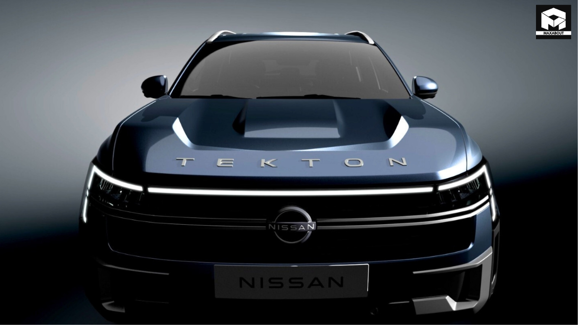
Arriving February 20th, this compact SUV (₹9.99-15 lakh) represents Nissan's renewed focus on India. The strong hybrid powertrain should deliver excellent fuel efficiency - crucial for our market. Interior space appears impressive for its segment, though I think the real selling point will be its comprehensive safety package.
4. Toyota Urban Cruiser EV
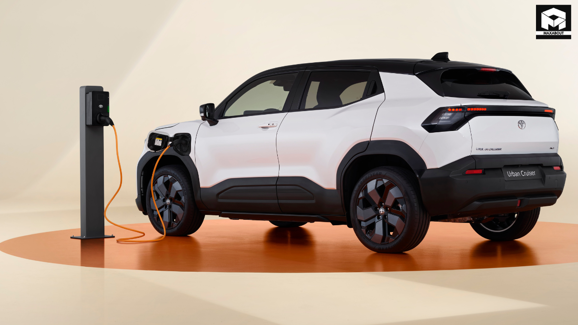
Toyota's first electric SUV for India (launching February 23rd, ₹15-18 lakh) brings their proven reliability to the EV space. The 350km range might seem modest, but the focus on durability and service network coverage could make this especially attractive for tier-2 city buyers.
5. MG Majestor
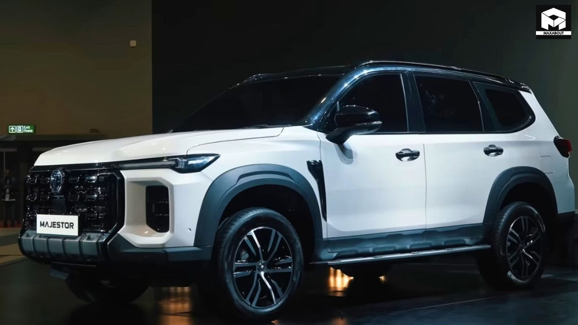
Ending the month on February 28th, this premium SUV (₹18-24 lakh) introduces several segment-first features including advanced autonomous driving capabilities. The interior quality appears exceptional, though success will depend on competitive pricing against established rivals.
The Electric Revolution Gains Momentum
Looking at the February 2026 EV launches, there's a clear shift in how manufacturers are approaching the Indian market. The Tata Sierra EV particularly stands out with its claimed 400km range and fast-charging capability that can add 150km in just 30 minutes - practical numbers for intercity travel between places like Mumbai and Pune.
What I find especially interesting is the price positioning. The Toyota Urban Cruiser EV starting at ₹18 lakh represents just a ₹3-4 lakh premium over its ICE counterpart, suggesting manufacturers are finally finding ways to reduce the electric premium. The advanced thermal management systems in these new models should also address concerns about battery performance in hot Indian summers.
Infrastructure Readiness
The timing of these launches aligns well with the expanding charging network. Recent industry reports indicate over 10,000 fast-charging stations are now operational across major highways. For example, the Delhi-Jaipur route now has a charging point every 50km, making long-distance EV travel increasingly practical.
While upfront costs remain higher than conventional vehicles, the math becomes interesting when you consider running costs. Based on current electricity rates, these EVs could cost just ₹2 per kilometer to run - about one-third the cost of petrol vehicles. For someone driving 1,500km monthly in a city like Bangalore, the premium could be recovered in approximately 3-4 years.
Mid-Size SUV Battlefield Heats Up
February 2026 is shaping up to be an intense month for the mid-size SUV segment. Based on recent announcements, we're seeing a fascinating convergence of launches in the ₹15-25 lakh bracket. The all-new Renault Duster and Nissan Tekton twins will face off against the refreshed Mahindra XUV7XO and the next-generation Kia Seltos.
What's particularly interesting is how manufacturers are approaching the value equation. Take the XUV7XO - its new triple-screen setup and electric boss mode bring premium features to the segment, while retaining Mahindra's robust 2.0L turbo-petrol engine. Meanwhile, the Seltos continues its technology-first approach with advanced driver assistance systems.
Looking at ownership costs, the segment is evolving intelligently. The Duster and Tekton are expected to share service networks, potentially bringing down maintenance expenses. I anticipate 5-year maintenance costs around ₹45,000-60,000, based on current service pricing trends.
Resale value projections favor established players - the Seltos historically retains 65-70% value after 3 years. However, with Renault's renewed focus on parts localization and Nissan's expanded service network (now covering 85% of tier-2 cities), the playing field is leveling.
Key Features Across New Launches
Advanced driver assistance becoming standard
Connected car tech with OTA updates
Panoramic sunroofs across most variants
Hybrid powertrain options (except Duster)
Budget-Friendly Options Under ₹12 Lakh
The first quarter of 2026 brings exciting options for value-conscious buyers. Leading the pack is the new Nissan Gravite, expected to start at ₹6 lakh, offering remarkable space efficiency and modern connectivity features despite its entry-level positioning.
Maruti Suzuki's eVitara stands out with its estimated ₹10.99 lakh starting price, bringing electrification to the masses. Based on my analysis of recent market trends, these launches reflect manufacturers' growing focus on democratizing premium features while maintaining accessible price points.
Value Proposition Highlights
Extended warranty packages becoming standard across brands
Competitive finance rates starting at 7.25% through manufacturer partnerships
Monthly EMIs starting around ₹12,000 for base variants
Regular service costs estimated under ₹5,000 per visit
The most promising aspect I'm seeing is how these new models balance feature content with affordability. For instance, the Gravite offers wireless Android Auto/Apple CarPlay and a digital instrument cluster - features previously reserved for vehicles costing ₹15 lakh and above.
Looking at ownership costs, these new launches appear carefully positioned with service intervals of 10,000-15,000 km, making them practical choices for both city commutes and occasional highway runs.
Should You Wait for the New Launches or Buy Now?
Based on my analysis of the current market and upcoming launches, here's my practical take on the buying decision for different scenarios:
For First-Time Buyers
If you're shopping in the ₹6-12 lakh range, I'd suggest waiting until March. With the Nissan Gravite and updated Kia Seltos hitting showrooms, we're likely to see competitive introductory pricing. Plus, existing models might offer better deals to clear inventory.
For Family Car Upgraders
For those looking at 7-seater options in the ₹15-20 lakh segment, the current market offers better value. The upcoming models in this range are expected to command a 5-8% premium due to new safety features and technology upgrades.
Key Factors to Consider
February-March typically sees end-of-financial-year discounts
New launches will likely face initial waiting periods of 2-3 months
Current models are offering attractive financing rates around 7.5%
Insurance costs tend to be higher for newly launched vehicles
If you need immediate delivery and value established service networks, the current market offers excellent choices. However, if you can wait 3-4 months and prioritize newer technology, these upcoming launches present compelling options.
Future Outlook: What These Launches Tell Us About 2026
Looking at these February launches, I see three clear trends shaping the Indian automotive landscape in 2026. First, manufacturers are pushing advanced safety features into more affordable segments - we're seeing ADAS becoming standard in sub-₹20 lakh vehicles, particularly with the Maruti eVitara and Volkswagen Tayron.
The second major shift is in electrification. With the XUV e8 priced at ₹45 lakh, premium electric SUVs are becoming a significant segment. However, more interesting is how mainstream brands are positioning their EVs - Maruti's approach with the eVitara suggests we'll see more practical, service-network-backed electric options.
Pricing strategies reveal the third trend: manufacturers are creating clear distinctions between ICE and electric variants. The standard price premium for electric versions appears to be settling around ₹8-10 lakh over equivalent petrol models.
Key Industry Shifts
Stricter RDE norms are pushing development of more efficient powertrains
Connected car features are becoming standard across price segments
Manufacturing localization is increasing to manage costs
Safety ratings are becoming crucial for market success
For buyers, this means 2026 will offer more choice but at higher price points. I expect feature-rich variants to command premiums of 15-20% over current prices, reflecting both regulatory compliance costs and advanced technology integration.
Explore the story
Related news

Share your view and join the discussion.
Earn reward points for every comment and get a chance to win ₹1,000 in our weekly lucky draw. Sign in with Google in one tap.
Start the conversation
No one has commented on this article yet. Be the first to share your view.
Want to read more automotive news?
Stay updated with the latest car launches, reviews, and industry insights.
Browse All News