
8 Things to Know Before Buying the TVS Ronin: A Complete Guide
The TVS Ronin dropped into the Indian market like a breath of fresh air, offering something genuinely different in a segment dominated by commuter bikes and aggressive sportsters. With its scrambler aesthetics and midweight positioning, it's caught the attention of riders looking for character witho...
By Nitin Dhima
Automotive Writer
The TVS Ronin dropped into the Indian market like a breath of fresh air, offering something genuinely different in a segment dominated by commuter bikes and aggressive sportsters. With its scrambler aesthetics and midweight positioning, it's caught the attention of riders looking for character without breaking the bank.
But here's the thing—every motorcycle has its quirks, and the Ronin is no exception. I've spent considerable time analyzing user feedback, service center reports, and real-world performance data to give you the complete picture. Let me break down what you absolutely need to know before signing on the dotted line.
The Engine Character Is Unique (And Might Surprise You)
The Ronin's 225.9cc single-cylinder engine isn't your typical peppy quarter-liter motor. TVS tuned it for a different purpose entirely.
This engine produces 20.4 PS at 7,750 RPM and 19.93 Nm of torque at 3,750 RPM. What does that mean in real-world riding? The power delivery is deliberately mellow and tractable. If you're coming from a high-revving sports bike or expecting neck-snapping acceleration, you'll need to recalibrate your expectations.
The engine's sweet spot sits in the mid-range. It pulls cleanly from around 3,000 RPM to 6,500 RPM, making it excellent for relaxed cruising and urban commuting. But push it hard toward the redline, and you'll find the power doesn't escalate dramatically. This is by design—TVS engineered this motor for low-stress, enjoyable riding rather than outright performance.
Many riders report that the engine feels most at home between 50-80 km/h. Highway cruising at 100+ km/h is definitely possible, but the engine works harder than you might prefer for extended periods. The vibrations remain well-controlled throughout the rev range, which is genuinely impressive for a large single-cylinder engine.
The Riding Position Takes Getting Used To
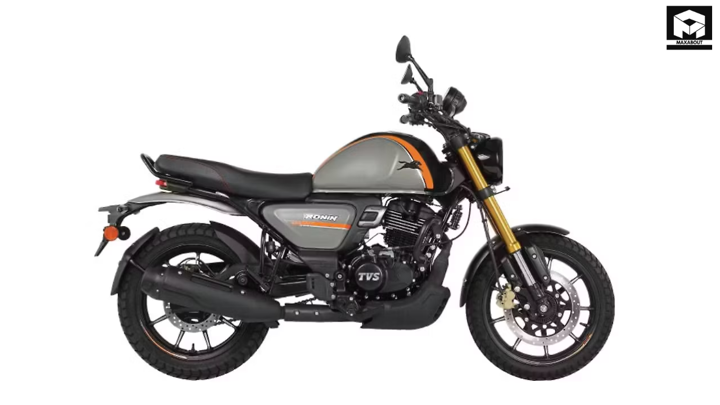
Here's where the Ronin truly stands apart—and where opinions get divided.
The riding position is upright and relaxed, with mid-set footpegs and a wide, flat handlebar. Your seating position is neither aggressive nor cruiser-laid-back. TVS calls it an "urban scrambler" position, and that's fairly accurate.
The 800mm seat height is accessible for most riders, including those around 5'6" who report comfortable flat-footing. However, the seat itself receives mixed feedback. It's broad and reasonably well-padded, but on longer rides exceeding 150-200 kilometers, some riders find it becomes firm. The seat design prioritizes easy mobility and urban comfort over all-day touring cushioning.
What I find particularly interesting is how the ergonomics affect different riding scenarios. Around town, the upright position provides excellent visibility and maneuverability. You can easily filter through traffic and maintain awareness of your surroundings. On highways, though, the lack of wind protection and upright seating means you're catching the full force of the wind. This isn't a bike that encourages tucking in.
Fuel Efficiency Reality Check
TVS hasn't made grandiose fuel economy claims, and real-world figures vary significantly based on riding conditions.
Urban riding typically yields between 30-38 km/l, depending on traffic density and riding style. If you're stuck in heavy stop-and-go traffic, expect numbers closer to the lower end. Open urban roads with moderate speeds push you toward the higher end of that range.
Highway riding shows better efficiency, with riders commonly reporting 38-45 km/l at steady cruising speeds between 70-90 km/h. Push the pace higher, and efficiency drops accordingly. The 14-liter fuel tank provides a theoretical range of 450-500 kilometers in mixed conditions, though most riders prefer refueling around the 350-400 km mark.
These numbers position the Ronin squarely in the middle of its segment—not the most frugal option available, but certainly not thirsty either. The engine's relaxed tuning helps maintain reasonable efficiency despite the displacement.
Handling and Dynamics Favor Easy Riding
The Ronin weighs 159 kg (kerb weight), making it substantial but not heavy by modern standards. That weight, combined with the 1,355mm wheelbase, creates a planted, stable feeling.
In urban environments, the bike feels surprisingly nimble. The wide handlebar provides excellent leverage for low-speed maneuvering, and the turning radius is tight enough for practical city use. You won't mistake it for a lightweight naked bike, but it's far from cumbersome.
The suspension setup—USD forks up front and a monoshock at the rear—leans toward the softer side. This choice prioritizes ride comfort over aggressive handling. On smooth roads, the bike flows nicely through corners with predictable behavior. The 17-inch wheels at both ends contribute to this stable, confidence-inspiring character.
However, enthusiastic riding on twisty roads reveals the chassis isn't optimized for aggressive cornering. The ground clearance is adequate for normal riding, but push hard into corners with a pillion, and you might occasionally kiss the pegs or centerstand on the tarmac. The suspension can feel a bit overwhelmed on particularly broken roads at speed, though it handles typical Indian road conditions competently.
The Feature Set Balances Modern and Minimal
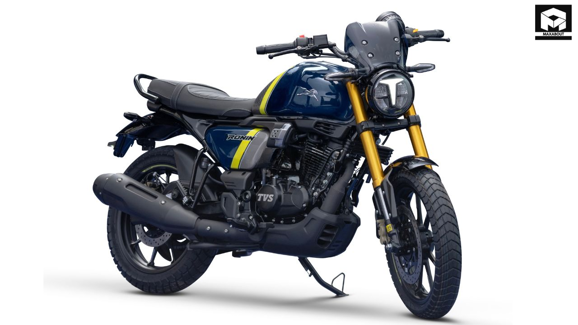
TVS equipped the Ronin with features that matter without drowning you in technology.
The fully digital instrument cluster is clear and provides essential information. You get Bluetooth connectivity through TVS's SmartXonnect system, which allows turn-by-turn navigation display, call and message alerts, and ride statistics. The system works reliably once paired, though the initial setup requires some patience.
LED lighting all around ensures excellent visibility. The headlight pattern provides good illumination without being exceptional. Daytime running lights add a modern touch and improve visibility to other road users.
You get three riding modes—Rain, Urban, and Sport—which alter throttle response and traction control intervention. The differences are noticeable, particularly between Rain and Sport modes. Rain mode softens throttle response considerably, which proves genuinely useful in slippery conditions.
What you won't find: quickshifter, cornering ABS, multiple power modes, or advanced rider aids. The Ronin keeps things straightforward, which suits its character perfectly. The single-channel ABS provides adequate braking performance for the bike's capabilities.
Build Quality and Reliability Considerations
TVS has established a solid reputation for building reliable motorcycles, and the Ronin generally continues that tradition.
The overall build quality feels robust. Panel gaps are tight, switchgear feels solid, and the paint quality holds up well to daily use. However, like any motorcycle in this price segment, there are areas where cost considerations show through. Some plastic components feel adequate rather than premium, and chrome elements may require regular attention to prevent corrosion in humid climates.
Early adopters reported a few teething issues, which is typical for any new model. Some riders experienced minor electrical glitches with the instrument cluster, while others noted occasional chain noise or gear shift clunkiness during the break-in period. Most of these issues were addressed through software updates or proper running-in procedures.
The service network is extensive, which is a significant advantage. TVS has service centers across India, and parts availability is generally good. Routine maintenance costs are reasonable, with service intervals set at standard 5,000-6,000 kilometer increments.
One aspect worth mentioning: the chain and sprockets deserve regular attention. The rear sprocket is exposed to road grime, and maintaining proper chain tension and lubrication extends component life significantly.
Variants and Pricing Strategy
TVS offers the Ronin in multiple variants, each targeting different buyer preferences.
The base variant includes all essential features and functionality. The mid-spec variant adds color options and minor aesthetic enhancements. The top-spec variant, often featuring special edition colors or graphics, commands a premium but doesn't add significant functional differences.
Pricing positions the Ronin competitively against alternatives like the Yezdi Scrambler, Hero Xpulse 200 4V, and even some 250cc offerings from other manufacturers. The value proposition is strong—you're getting distinctive styling, modern features, and TVS's reliability reputation at an accessible price point.
However, consider the on-road costs carefully. Insurance, registration, and additional accessories can add 15-20% to the ex-showroom price. Many buyers opt for add-ons like luggage racks, crash guards, or seat covers, which further increase the initial outlay.
Who Should (And Shouldn't) Buy the Ronin
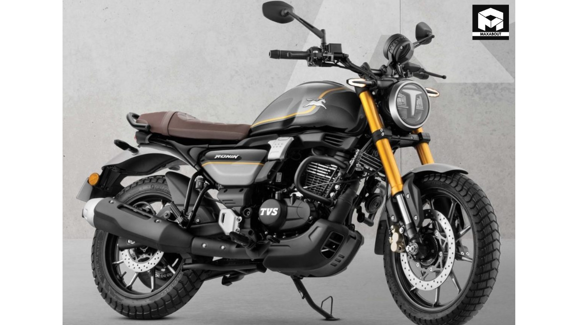
The Ronin isn't a motorcycle for everyone, and that's perfectly fine.
You'll love the Ronin if you:
- Want a distinctive, character-filled motorcycle that stands out from typical commuters
- Prefer relaxed, stress-free riding over aggressive performance
- Need a capable urban commuter that handles weekend rides comfortably
- Appreciate retro-modern styling without vintage motorcycle compromises
- Value build quality and brand reliability
- Ride mostly solo or occasionally with a pillion
Look elsewhere if you:
- Prioritize outright performance and spirited riding
- Need a dedicated long-distance tourer with excellent highway comfort
- Want serious off-road capability beyond light trails
- Prefer cutting-edge technology and advanced rider aids
- Demand the absolute best fuel efficiency in the segment
- Frequently ride two-up with luggage over long distances
The Ronin occupies a sweet spot for riders who want something different without sacrificing practicality. It's a lifestyle motorcycle that doesn't forget its commuter duties.
Frequently Asked Questions
Is the TVS Ronin good for beginners?
Yes, the Ronin makes an excellent beginner motorcycle. The manageable power delivery, comfortable ergonomics, and predictable handling inspire confidence. The accessible seat height and reasonable weight make it less intimidating than larger bikes. New riders particularly appreciate the smooth, tractable engine that doesn't overwhelm with sudden power spikes.
Can the Ronin handle highway touring?
The Ronin can handle highway touring, but with caveats. It cruises comfortably at 80-90 km/h for extended periods. At 100+ km/h, wind blast becomes tiring due to the lack of wind protection, and the engine works harder. For occasional highway rides of 200-300 kilometers, it's perfectly capable. Daily long-distance commuting or multi-day tours might reveal its limitations compared to dedicated touring bikes.
What's the maintenance cost like?
Maintenance costs are reasonable and typical for TVS motorcycles. Regular services cost approximately ₹800-1,500 depending on the service type and consumables required. Major services involving oil changes, filter replacements, and inspections fall within this range. Parts availability is good, and labor charges at TVS service centers are standardized and affordable.
How does it compare to the Royal Enfield Hunter 350?
These bikes target different audiences despite similar styling cues. The Hunter offers a more traditional cruiser experience with its 350cc single-cylinder engine producing different character—more low-end grunt, less top-end willingness. The Ronin feels more modern with better features, smoother engine refinement, and contemporary chassis dynamics. The Hunter prioritizes classic appeal; the Ronin emphasizes usability with retro aesthetics.
Is the single-channel ABS a problem?
The single-channel ABS (front wheel only) is adequate for the Ronin's performance envelope and typical use cases. It prevents front wheel lock-up during emergency braking, which is where most braking force occurs anyway. Riders report confident, predictable braking performance. Dual-channel ABS would be preferable, but the single-channel system doesn't compromise safety significantly for normal riding conditions.
Final Thoughts on the TVS Ronin
The TVS Ronin represents something increasingly rare in today's motorcycle market—genuine character without compromise on practicality.
It's not the fastest bike you can buy. It's not the most feature-packed. It won't win drag races or set lap records. But none of that matters to the rider the Ronin is designed for.
What it offers is an engaging, enjoyable riding experience that makes even mundane commutes feel special. The distinctive styling turns heads without being obnoxious. The manageable performance encourages you to ride more, stress less. The build quality and brand backing provide peace of mind.
I think the Ronin's biggest strength is its honesty. TVS didn't try to make it everything to everyone. They identified a specific niche—riders wanting style, character, and usability—and delivered a motorcycle that serves that audience exceptionally well.
Before buying, take an extended test ride. Spend time in city traffic, find some open roads, and genuinely assess whether the riding position and performance character suit your needs. Check out the variants in person because the color options significantly impact the bike's visual appeal. Most importantly, consider how you'll actually use the motorcycle day-to-day.
If the Ronin's philosophy aligns with your riding style and expectations, you'll find it a rewarding, characterful companion. It's not trying to be a jack-of-all-trades—it's a master of making everyday riding enjoyable. And sometimes, that's exactly what you need.
Explore the story
Related news
Share your view and join the discussion.
Earn reward points for every comment and get a chance to win ₹1,000 in our weekly lucky draw. Sign in with Google in one tap.
Start the conversation
No one has commented on this article yet. Be the first to share your view.
Want to read more automotive news?
Stay updated with the latest car launches, reviews, and industry insights.
Browse All News