
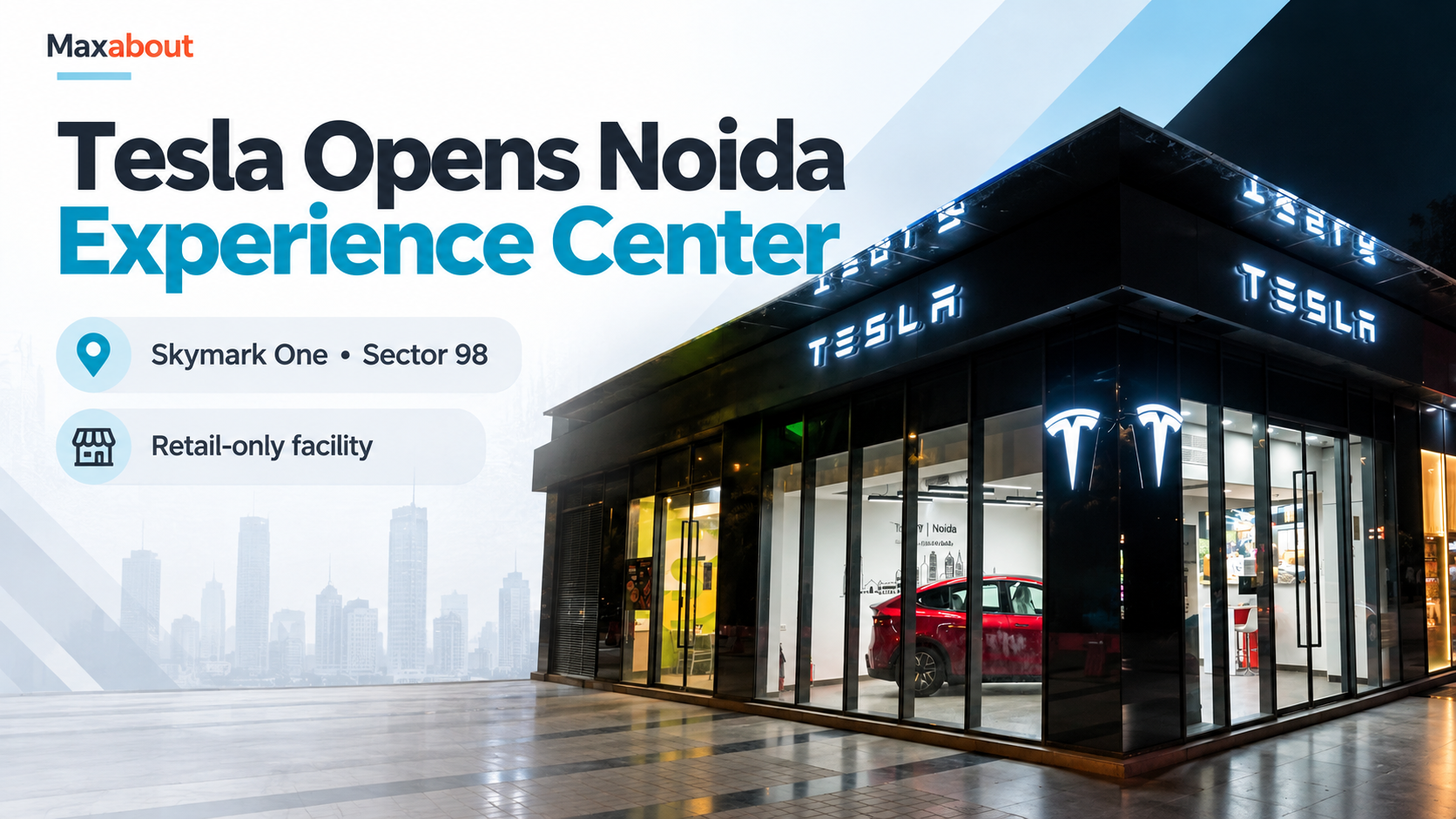
Tesla Opens Experience Centre in Bengaluru, India
Something significant just happened in the Indian electric vehicle space. Tesla has opened an experience centre in Bengaluru — and for anyone who has been following the EV story in India, this feels like a genuine turning point.For years, Tesla remained this aspirational brand that Indians could rea...
Editorial Team
Something significant just happened in the Indian electric vehicle space. Tesla has opened an experience centre in Bengaluru — and for anyone who has been following the EV story in India, this feels like a genuine turning point.
For years, Tesla remained this aspirational brand that Indians could read about, watch YouTube videos on, and debate endlessly in comment sections. But actually walk into a showroom and see one? That was never an option. Until now.
Bengaluru is not a random choice here. Think about it — the city carries a tech-forward mindset that few other Indian metros can match. It has the income levels, the engineering culture, and frankly, the curiosity to actually engage with what Tesla is selling. From what industry observers have noted, EV adoption in Bengaluru has been consistently ahead of national averages. That makes it the right room for Tesla's first serious retail conversation with Indian buyers.
The experience centre model itself is worth understanding. This is not a traditional dealership. Tesla does not work that way anywhere in the world. It is a direct-to-consumer setup — you explore the vehicles, ask questions, and complete purchases online. No negotiation theatre, no sales pressure.
In my view, this signals that Tesla is finally treating India as a real market rather than a distant possibility.
Inside the Tesla Experience Centre: What to Expect When You Walk In
Walk into the Bengaluru centre and the first thing you will notice is what is missing. No sales person hovering at your elbow. No laminated price list being thrust at you. No negotiation happening in a glass-walled cabin somewhere at the back. It feels closer to an Apple Store than anything you have experienced at a car showroom.
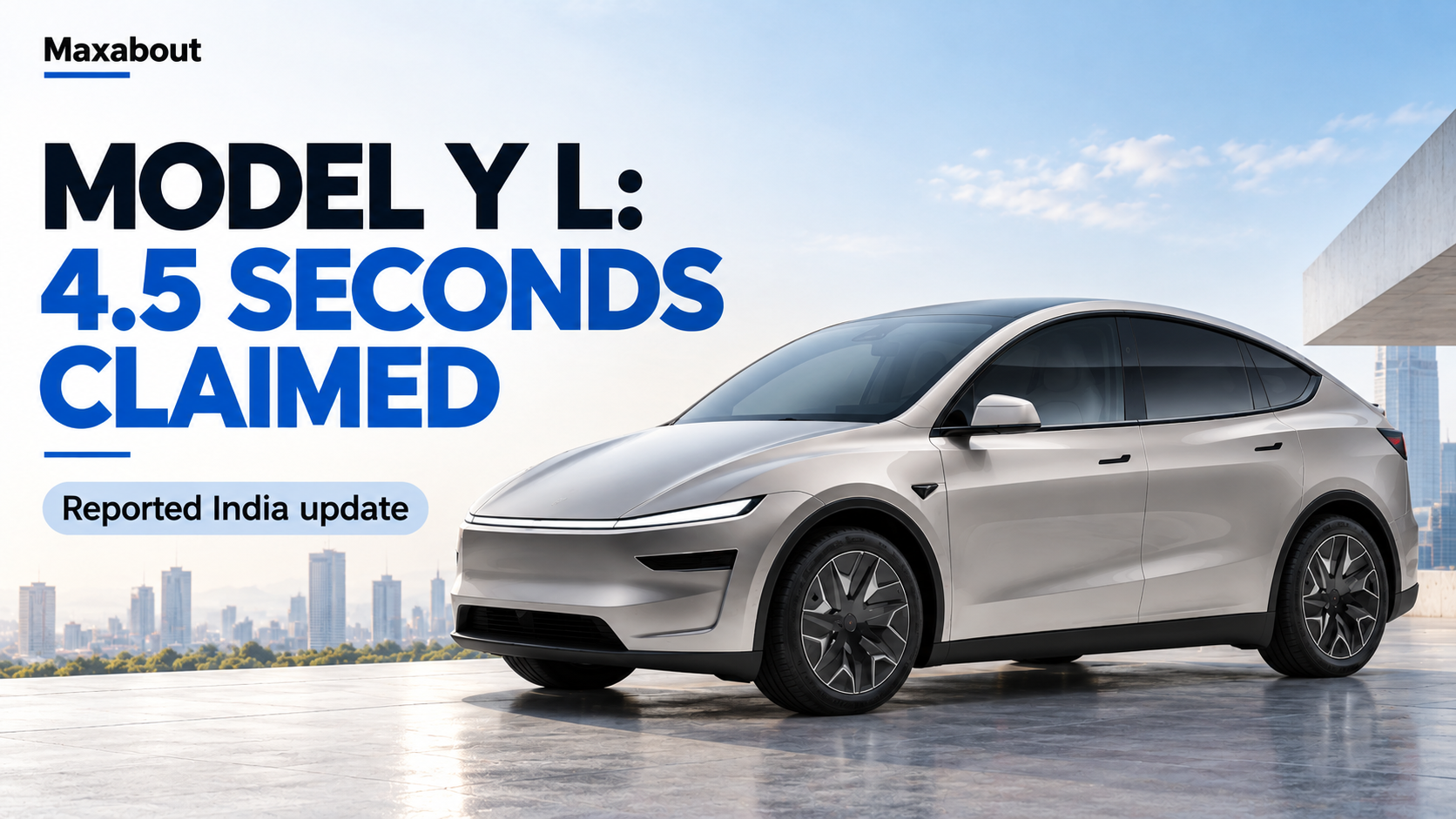
 The space is built around hands-on exploration. Vehicles on the floor — most likely the Model 3 and Model Y — are there for you to actually interact with. Open the doors, sit inside, explore the minimalist cabin, tap through the massive touchscreen. Staff are present to answer questions, but the dynamic is genuinely different from what you encounter at a BMW or Mercedes showroom in India, where the sales process tends to feel more structured and, frankly, more transactional.
There are also configurator stations where you can build your own variant — choosing colours, interiors, and add-ons — and immediately see pricing reflect those choices in real time. From what reviewers of Tesla centres globally have noted, this transparency is refreshing. No hidden costs emerging later in the conversation.
Test drives, where available, are expected to be bookable directly through Tesla's own platform rather than arranged on the spot. Whether Bengaluru traffic makes for an ideal test route is another question entirely.
Tesla's Pricing in India: Is It Actually Affordable for the Average Buyer?
Let's be straightforward about this. Tesla in India right now is not a mass-market proposition. The Model 3 starts somewhere in the ₹40 lakh range, and the Model Y pushes closer to ₹60–70 lakh once import duties are factored in. These are fully imported vehicles, and India's customs structure makes that painfully expensive.
To put that in context — at ₹60 lakh, you're not competing with the Tata Nexon EV or even the MG ZS EV. You're sitting alongside the BMW iX1 and the Mercedes EQB. That's the actual conversation happening here. And honestly, against those German alternatives, Tesla holds its ground reasonably well on technology and range, even if the interior refinement debate remains open.
For the average Indian buyer, though, this pricing is simply out of reach. This is a purchase for senior executives, established entrepreneurs, or tech professionals in cities like Bengaluru, Mumbai, or Delhi with serious disposable income.
The more interesting question is what happens if local assembly becomes a reality. Industry speculation suggests domestic manufacturing could bring prices down considerably, potentially opening a ₹25–35 lakh window. That would change the equation entirely. But until official announcements confirm that path, today's Tesla remains a premium import — aspirational for most, accessible for very few.
Charging Infrastructure and Range Anxiety: The Real Questions Indian Buyers Are Asking
Let's be honest — the showroom experience is exciting, but the charging question is where things get complicated. And for most Indian buyers seriously considering a Tesla, this is the conversation that matters most.
Tesla's Supercharger network in India is extremely limited right now. From what official announcements and industry reports indicate, stations are concentrated in a handful of metro locations. That's a reasonable starting point, but it's nowhere near enough for genuine highway confidence.
Consider a Bengaluru to Chennai run — roughly 350 kilometres. On paper, a Model 3's range covers that. In reality, Indian highway speeds, air conditioning running constantly, and elevation changes can eat into that buffer considerably. Without a reliable mid-route Supercharger, that drive carries real uncertainty. The Mumbai to Pune stretch is shorter, but the same logic applies across most intercity routes currently.
Home charging is the other side of this problem. Installing a wall charger in an independent house is straightforward. Apartment complexes are a different story entirely. Dedicated parking with electrical access, society approvals, and infrastructure upgrades can push setup costs and timelines unpredictably — a genuine obstacle for urban buyers.
Tesla needs to aggressively expand Supercharger coverage along major highway corridors before mainstream consideration becomes realistic. The experience centre builds desire. The charging network builds trust. Right now, one is ahead of the other.
Service and After-Sales Support: Can Tesla Match Indian Expectations?
Indian buyers take after-sales service seriously. Seriously. A car with a brilliant product sheet but a weak service network gets punished in this market — and that reputation spreads fast, especially in cities like Bengaluru where word travels through tech communities and apartment WhatsApp groups before any reviewer publishes a word.
Tesla's service philosophy is fundamentally different from what Indian buyers are used to. There are no sprawling service bays, no rows of vehicles waiting for routine attention. Instead, Tesla leans heavily on mobile service units — technicians who come to your home or office — and over-the-air software updates that resolve many issues without any physical intervention at all.
In theory, this is genuinely convenient. For Bengaluru's tech-savvy professionals, having a technician arrive at an Electronic City office park rather than spending half a Saturday at a service centre sounds appealing. The city's infrastructure and density of early adopters could actually make mobile service work better here than almost anywhere else in India.
But the risks are real and worth acknowledging. Spare part availability remains an open question — other markets have reported frustrating wait times for components, sometimes stretching weeks. India's import logistics add another layer of uncertainty. A traditional service centre creates a buffer. Mobile-first models don't always have that cushion.
Optimism is reasonable here, but so is patience. This model needs proving before confidence is earned.
Bengaluru First, Then Where? Tesla's Likely Expansion Roadmap in India
Bengaluru makes obvious sense as a starting point. High disposable incomes, a tech-savvy population already comfortable with EVs, and a relatively mature charging ecosystem compared to most Indian cities. But this is clearly just the beginning.
Mumbai and Delhi-NCR are almost certainly next. Both cities have established luxury car markets, growing EV infrastructure, and concentrations of early adopters willing to pay premium prices. Delhi additionally benefits from government-level EV push policies that have meaningfully accelerated adoption across segments.
Hyderabad and Pune follow naturally after that. Both cities mirror Bengaluru's tech-industry demographic closely — the kind of buyer who has researched Tesla for years and is simply waiting for a local touchpoint to finalise a decision.
The bigger, longer-term question is local manufacturing. Industry reports have consistently flagged that Tesla has held discussions around potential India production, though nothing concrete has materialised publicly. If that changes, the pricing equation shifts dramatically. A locally assembled Tesla could realistically undercut current import-duty-burdened prices by a significant margin, opening entirely new buyer segments beyond early luxury adopters.
For now, the retail expansion itself signals genuine commitment. Experience centres follow manufacturing conversations — or sometimes precede them, building demand pressure that makes the business case easier to justify internally.
How Tesla Stacks Up Against Established EV Players in India
This is where the conversation gets genuinely interesting. Tesla arriving in India doesn't enter a completely empty premium EV space. The Kia EV6, Volvo XC40 Recharge, BYD Seal, and BMW iX1 have already been quietly building a small but real buyer base. So where does Tesla actually stand?
The honest answer is: ahead on software, behind on ground support. Tesla's over-the-air update system is genuinely a different league. Competitors push occasional firmware patches; Tesla routinely ships features — improved range estimates, enhanced Autopilot behaviour, new interface elements — that meaningfully change the ownership experience over time. No current India-market rival does this as consistently or as ambitiously.
Autopilot, even in its standard form, is more refined than anything the EV6 or XC40 Recharge offers at comparable price points. For highway driving between Bengaluru and Mysuru, or long expressway stretches, that matters to buyers who actually use these features regularly.
Brand desirability? Tesla wins that conversation almost effortlessly. The aspirational weight it carries is difficult to quantify but impossible to ignore.
But here is where established players fight back effectively. Tata and MG have charging infrastructure and service touchpoints that Tesla simply cannot match yet across tier-2 cities. If something goes wrong in Coimbatore or Nagpur, your options with Tesla remain genuinely limited compared to a Nexon EV owner nearby.
From what industry observers consistently note, premium EV buyers accept these trade-offs knowingly. The question is whether that acceptance stretches broadly enough.
Should You Visit the Tesla Experience Centre? Our Honest Take
Honestly, yes — go visit, even if buying a Tesla is nowhere near your current plans. Walking through the experience centre costs you nothing except an afternoon, and the education you get about where electric vehicles are genuinely heading is worth that time alone.
That said, be clear-eyed about who the ideal Tesla buyer in India looks like right now. It is someone with a home charging point already installed or feasible, a daily commute under 60 kilometres, a genuine enthusiasm for technology, and the financial headroom to absorb a premium product without stretching uncomfortably. If that description fits you, the conversation with Tesla's team becomes immediately more meaningful.
For everyone else, visiting still makes sense — just with realistic expectations rather than purchase intent.
What feels most significant here is the bigger picture. Tesla entering India is not a single event. It is the opening chapter of something that will likely reshape how premium mobility is perceived across the country over the next decade. The pricing, the infrastructure gaps, the service network limitations — these are early-chapter problems, not permanent ones.
Tesla's India journey is just beginning. Watching it closely, starting from a Bengaluru showroom floor, seems like a reasonable place to start.
Explore the story
Related news
Share your view and join the discussion.
Earn reward points for every comment and get a chance to win ₹1,000 in our weekly lucky draw. Sign in with Google in one tap.
Start the conversation
No one has commented on this article yet. Be the first to share your view.
Want to read more automotive news?
Stay updated with the latest car launches, reviews, and industry insights.
Browse All News