
Tata Harrier EV QWD Dual Motor: Price vs Performance 2025
Why Tata's Multi-Variant Strategy Makes Perfect SenseHere's the thing about electric SUVs – the dual-motor AWD setup is absolutely fantastic, but it comes with a hefty price tag. I've seen this pattern play out across the EV industry globally, and Tata Motors seems to be taking notes from what works...
By Chotu Dhiman
Automotive Writer
Why Tata's Multi-Variant Strategy Makes Perfect Sense
Here's the thing about electric SUVs – the dual-motor AWD setup is absolutely fantastic, but it comes with a hefty price tag. I've seen this pattern play out across the EV industry globally, and Tata Motors seems to be taking notes from what works.
The Harrier EV with dual motors and AWD capability will likely sit at the premium end of Tata's electric SUV lineup. But that's where smart product planning comes in. By offering single-motor variants, Tata can create multiple entry points into the Harrier EV family. This isn't just good business – it's smart consumer psychology.
Think about it this way: most buyers don't actually need AWD for their daily commutes and weekend trips. Reports from various automotive forums consistently show that AWD capability, while impressive, remains underutilized by the majority of SUV owners. A well-engineered single-motor setup can deliver plenty of punch for urban and highway driving.
Breaking Down the Cost Savings
Let me walk you through where the savings actually come from when you skip the dual-motor setup.
The Motor and Inverter Economics
A dual-motor system requires two electric motors, two inverters, and additional wiring and cooling systems. According to industry estimates, this setup typically adds anywhere from ₹3-5 lakhs to the manufacturing cost. That's a significant chunk of change that gets passed on to the buyer.
Single-motor variants eliminate this duplication. You're looking at one motor, one inverter, less complex cooling requirements, and simpler power distribution systems. The weight savings alone can improve efficiency, which might even let Tata offer better range figures on the single-motor models.
Battery Flexibility
Here's where things get really interesting. With single-motor variants, Tata gains flexibility in battery sizing. They could offer:
- Base variant: Smaller battery pack (around 50-60 kWh) with single motor for maximum affordability
- Mid variant: Larger battery pack (70-80 kWh) with single motor for extended range
- Top variant: Large battery pack with dual motors and AWD for performance enthusiasts
This tiered approach means buyers only pay for what they actually need. City drivers might be perfectly happy with the base variant, while highway cruisers could opt for the extended-range single-motor setup.
Real-World Performance Trade-offs
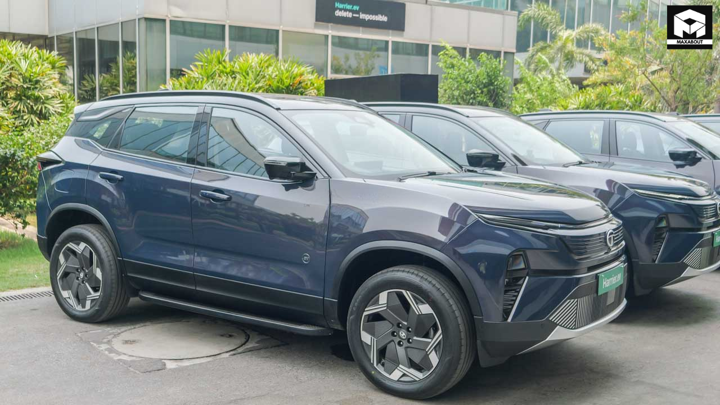
Now, let's be honest about what you're giving up with a single-motor setup – and what you're not.
What You Lose
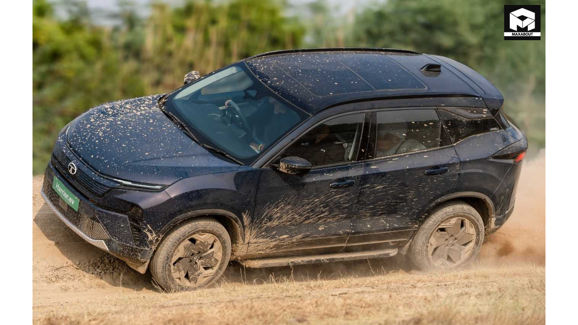
The dual-motor AWD system typically offers better traction in challenging conditions. If you're regularly driving through heavy rain, snow, or off-road trails, AWD provides noticeable advantages. Performance numbers also take a hit – acceleration times are generally slower with single-motor configurations.
Power delivery to all four wheels means better launch control and more confidence-inspiring handling in spirited driving situations. User reports from global EV forums commonly highlight these benefits when comparing single versus dual-motor setups.
What You Keep
But here's what many people don't realize: a well-tuned single-motor EV still offers fantastic performance by conventional standards. We're talking about instant torque, smooth acceleration, and more than enough power for overtaking and highway merging.
Modern traction control systems have become incredibly sophisticated. Combined with the low center of gravity that battery packs provide, single-motor EVs handle beautifully in normal driving conditions. The efficiency gains often translate to better real-world range, which frankly matters more to most buyers than 0-100 times.
The Pricing Sweet Spot
Let me share my take on where Tata could position these variants. Keep in mind these are projections based on industry patterns and component costs – official pricing will vary.
Expected Price Positioning
If the dual-motor AWD Harrier EV comes in at, say, ₹30-35 lakhs (ex-showroom), here's how the lineup might shake out:
- Base single-motor variant: ₹24-26 lakhs – targeting volume sales
- Extended range single-motor: ₹27-29 lakhs – the sweet spot for many buyers
- Dual-motor AWD: ₹32-35 lakhs – the flagship performance variant
That ₹6-8 lakh difference between base and top variants opens up the Harrier EV to a much wider audience. Suddenly, buyers who were stretching their budget for a Nexon EV top variant can now consider stepping up to the Harrier EV.
Subsidy Considerations
Lower-priced variants also play better with government incentives. Many state subsidies have price caps, and keeping base variants under certain thresholds could make them eligible for additional benefits. This compounds the affordability factor significantly.
Competition and Market Positioning
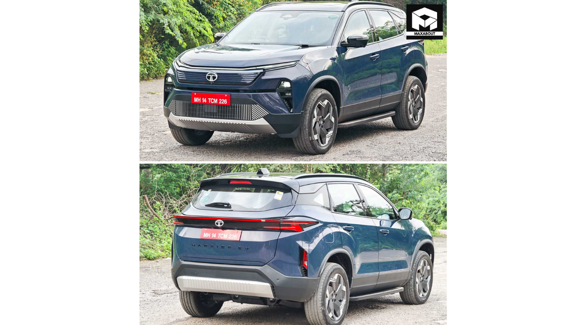
Tata isn't operating in a vacuum here. The electric SUV segment is heating up, and pricing strategy matters more than ever.
The Competitive Landscape
Other manufacturers have successfully used this multi-variant approach globally. Tesla's Model Y comes in both single and dual-motor variants. The price difference creates distinct market segments, letting the manufacturer capture both value-conscious buyers and performance enthusiasts.
MG and Hyundai are also planning electric SUVs for the Indian market. Tata's established EV expertise and service network give them an advantage, but only if they price aggressively enough to prevent buyers from waiting for alternatives.
The Nexon EV Success Formula
Tata has already proven this strategy works. The Nexon EV's success came partly from offering multiple battery and feature combinations, creating price points that made sense for different buyer profiles. Reports from dealerships commonly indicate that mid-spec variants drive volume, while top variants generate brand prestige.
Applying this formula to the Harrier EV seems like a natural evolution. The larger SUV commands premium pricing regardless, so having an accessible entry point becomes even more critical.
Smart Feature Distribution
Here's where Tata can get creative without compromising the value proposition of each variant.
Core Features for All Variants
Certain features should remain standard across the lineup to maintain the Harrier EV's premium positioning:
- Connected car technology and smartphone integration
- Regenerative braking with multiple modes
- Comprehensive safety suite including multiple airbags
- Climate control and quality interior materials
- Fast charging capability
These elements define the Harrier experience and shouldn't be sacrificed even on base variants.
Tiered Premium Features
The differentiation should come through features like:
- Advanced driver assistance systems (ADAS) reserved for top variants
- Premium audio systems and larger touchscreen displays on higher trims
- Ventilated seats, panoramic sunroof, and luxury touches for flagship models
- Different wheel sizes and design options
This approach lets Tata maintain healthy margins on top variants while keeping base models genuinely attractive and well-equipped.
The Charging Infrastructure Angle
There's another dimension to consider: charging economics favor higher-volume sales of affordable variants.
More Harrier EVs on the road – enabled by accessible pricing – means more justification for expanding Tata's charging network. It's a positive feedback loop. Better charging infrastructure increases EV adoption, which further justifies infrastructure investment.
Single-motor variants with smaller batteries also charge faster to 80% capacity in absolute time terms. For buyers worried about charging convenience, this actually becomes a selling point. You're not giving up flexibility – you're gaining it.
Manufacturing and Supply Chain Benefits
From Tata's perspective, there are serious operational advantages to offering single-motor variants beyond just hitting lower price points.
Production Flexibility
Using common platforms and component sharing between variants streamlines manufacturing. The same basic vehicle architecture accommodates different powertrains, which reduces tooling costs and improves production efficiency. Industry reports consistently show that platform sharing significantly reduces per-unit costs at higher volumes.
Supply Chain Simplification
Global semiconductor and battery supply chains remain somewhat unpredictable. Having variants that require fewer motors and controllers gives Tata more flexibility in managing component allocation. If dual-motor production faces constraints, they can shift capacity to single-motor variants without completely disrupting sales momentum.
Who Should Buy Which Variant?
Let me break down my recommendations based on different buyer profiles and usage patterns.
The Base Single-Motor Sweet Spot
This variant makes perfect sense if you're primarily an urban driver who occasionally hits the highway. Your daily commute is under 100 kilometers, you have reliable home charging, and you prioritize value over outright performance. The base Harrier EV will still offer a massively elevated experience compared to conventional vehicles.
Extended Range Single-Motor: The Volume Winner
If I were putting my own money down, this is probably where I'd land. You get serious range for longer trips, plenty of performance for any realistic driving scenario, and better pricing than the AWD model. For most buyers, this represents the best balance of capability and cost.
Dual-Motor AWD: The Enthusiast Choice
Go for this if you genuinely need AWD capability – maybe you live in hilly terrain or frequently drive in challenging weather conditions. It's also the right pick if you simply want the fastest, most capable version and budget isn't a primary constraint. The performance figures will be genuinely impressive, and you'll have bragging rights at the charging station.
Timeline and Market Impact Expectations
While Tata hasn't released official launch dates for all variants, industry patterns suggest a phased rollout makes sense. Typically, manufacturers launch flagship variants first to establish brand positioning and generate buzz. Volume variants follow within 6-12 months.
This strategy lets early adopters and enthusiasts grab the top-spec model while Tata refines production and gathers real-world feedback. By the time more affordable variants arrive, any initial bugs are sorted, and the product benefits from positive word-of-mouth from existing owners.
Frequently Asked Questions
Will single-motor Harrier EV have enough power for highway overtaking?
Absolutely. Even single-motor electric SUVs typically offer more than adequate power for highway driving. Electric motors deliver instant torque, so overtaking feels effortless compared to conventional engines. You're not sacrificing safety or capability – just ultimate performance numbers.
How much range difference should we expect between variants?
This depends on battery sizing, but single-motor variants often achieve slightly better efficiency. If Tata offers smaller battery options on base variants, you might see ranges from 400-500 km, while extended-range models could push 550-600 km. The dual-motor AWD will likely fall somewhere in between due to higher power consumption.
Can I add AWD later if I buy a single-motor variant?
Unfortunately, no. The powertrain architecture is fundamentally different between single and dual-motor setups. It's not an add-on feature but a core design difference. Choose based on your actual needs rather than hypothetical future requirements.
Will service costs differ between variants?
Service costs for EVs are generally lower than conventional vehicles regardless of variant. However, dual-motor systems have more components, which theoretically means slightly higher maintenance potential. That said, electric motors are incredibly reliable, so the practical difference should be minimal.
Conclusion
Tata's apparent strategy of offering multiple powertrain options for the Harrier EV demonstrates sophisticated market understanding. By creating an accessible entry point through single-motor variants while retaining a flagship dual-motor AWD model, they're casting a wider net without diluting brand perception.
The beauty of this approach is that it's genuinely win-win. Buyers get choice and better pricing alignment with their actual needs. Tata captures larger market share and builds volume that supports their broader EV ecosystem investments. The savings from skipping dual motors and optimizing battery sizes creates price points that could genuinely disrupt the premium SUV segment.
For someone tracking the Indian EV market closely, this feels like exactly the right move at exactly the right time. The market is ready for premium electric SUVs, but only if pricing remains somewhat grounded in reality. Tata seems poised to deliver exactly that – a genuinely desirable electric SUV available at multiple price points that make sense for real buyers with real budgets.
The dual-motor AWD Harrier EV will grab headlines and showcase what's possible. But the single-motor variants will drive actual sales and put a premium electric SUV within reach of buyers who might otherwise wait another generation. That's how you build an EV revolution – not just with flagship models, but with accessible variants that make electric mobility a practical choice for the masses.
Explore the story
Related news

Share your view and join the discussion.
Earn reward points for every comment and get a chance to win ₹1,000 in our weekly lucky draw. Sign in with Google in one tap.
Start the conversation
No one has commented on this article yet. Be the first to share your view.
Want to read more automotive news?
Stay updated with the latest car launches, reviews, and industry insights.
Browse All News