
Suzuki GSX‑8T vs GSX‑8TT: Performance, Features, and Price Compared
IntroductionThe Japan Mobility Show 2025 has given motorcycle enthusiasts plenty to be excited about, with Suzuki making a particularly strong showing by unveiling two new additions to its growing 800cc platform. The GSX-8T sport-touring model and GSX-8TT adventure variant represent Suzuki's strateg...
Introduction
The Japan Mobility Show 2025 has given motorcycle enthusiasts plenty to be excited about, with Suzuki making a particularly strong showing by unveiling two new additions to its growing 800cc platform. The GSX-8T sport-touring model and GSX-8TT adventure variant represent Suzuki's strategic expansion into key market segments, leveraging their successful parallel-twin engine architecture.
Having analyzed the motorcycle market trends over recent years, I've noticed manufacturers are increasingly focused on creating multiple variants from single engine platforms, and Suzuki is executing this approach brilliantly. These new models join the existing GSX-8S naked bike and V-Strom 800DE adventure motorcycle in Suzuki's 800cc lineup, giving riders more specialized options based on their riding preferences.
The GSX-8T Sport Tourer: Comfort Meets Performance
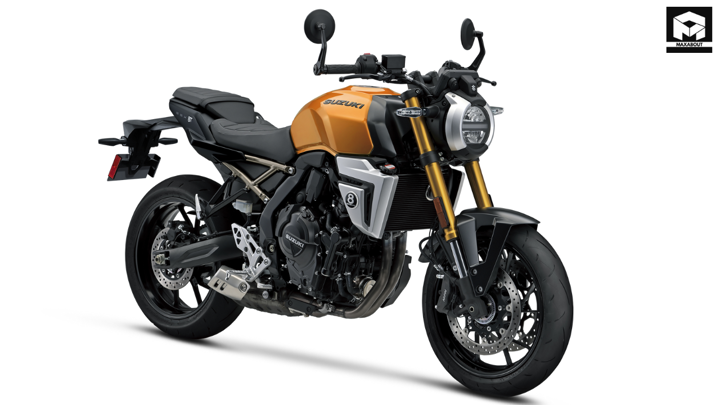
The GSX-8T emerges as Suzuki's answer to the growing demand for versatile sport-touring motorcycles that blend comfortable ergonomics with spirited performance. Based on the technical specifications presented at the show, this model takes the GSX-8S platform and adapts it specifically for riders who want to cover distance without sacrificing handling.
Key Features and Specifications
The GSX-8T showcases several touring-oriented enhancements while retaining the core DNA of the GSX platform:
- Engine: 776cc DOHC parallel-twin producing approximately 82 horsepower (based on GSX-8S figures)
- Ergonomics: Higher, wider handlebars for reduced wrist strain during long rides
- Wind Protection: Mid-height adjustable windscreen that significantly improves weather protection
- Seating: Redesigned, more padded seat with improved passenger accommodation
- Luggage: Integrated luggage mounting points with optional color-matched side cases
- Electronics: TFT display with Bluetooth connectivity, ride modes, and traction control
Chassis and Suspension Setup
According to the technical presentation, the GSX-8T features revised suspension settings compared to the GSX-8S. The front KYB forks and rear monoshock have been tuned specifically for touring comfort while maintaining responsive handling. The chassis geometry has been subtly adjusted to provide more stability at highway speeds—something I've noticed is crucial for reducing rider fatigue on longer journeys.
The GSX-8TT Adventure Model: Expanding Horizons
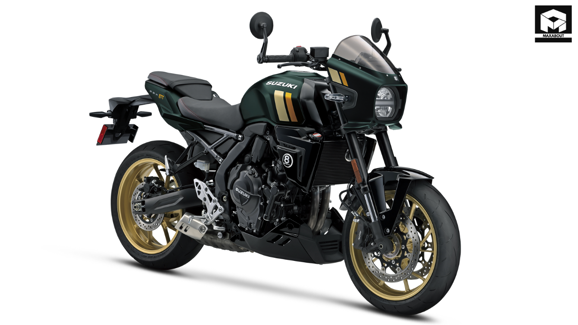
The GSX-8TT takes a different approach from its V-Strom 800DE sibling, positioning itself as a more road-focused adventure bike with light off-road capability. This follows an industry trend I've observed where manufacturers offer both hardcore and more accessible adventure variants.
Adventure-Ready Features
The GSX-8TT specifications revealed at the show highlight several adventure-oriented features:
- Suspension: Increased travel compared to the GSX-8T, but less than the V-Strom 800DE
- Wheels: 19-inch front and 17-inch rear cast aluminum wheels (not the spoked wheels of the V-Strom)
- Protection: Engine guard, hand guards, and aluminum skid plate as standard
- Ergonomics: Wider handlebar, serrated footpegs, and upright riding position
- Electronics: Additional riding modes including a specific off-road mode with customizable traction control
- Fuel Capacity: Larger 20-liter tank for extended range between fill-ups
Positioning in the Market
Based on the specifications and design, the GSX-8TT appears to be targeting riders who want adventure styling and versatility but spend the majority of their time on paved roads. This positions it as a direct competitor to bikes like the Yamaha Tracer 9 and Kawasaki Versys 650/1000.
Industry analysis suggests this "soft adventure" segment is growing rapidly as more riders seek motorcycles that offer comfort, practicality, and the ability to handle occasional gravel roads without the intimidation factor of larger, heavier adventure bikes.
Shared Technology and Platform Benefits
Both the GSX-8T and GSX-8TT benefit from Suzuki's strategy of platform sharing, which provides several advantages according to the technical presentations at the show.
The 776cc Parallel-Twin Engine
This engine has proven to be one of Suzuki's most versatile modern powerplants. Key characteristics include:
- Power Delivery: Smooth, linear torque curve ideal for both touring and adventure applications
- 270-degree Crankshaft: Provides V-twin-like character with improved primary balance
- Efficiency: Claimed fuel economy figures suggest approximately 4.2L/100km (56 mpg)
- Maintenance: Service intervals at 12,000km/7,500 miles reduce ownership costs
Electronics Package
The electronics suite appears to be shared across both models with application-specific tuning:
- Ride-by-wire throttle with multiple ride modes
- Multi-level traction control with off-road specific settings on the GSX-8TT
- Bi-directional quickshifter available as standard or optional depending on market
- TFT display with smartphone connectivity for navigation and media control
Market Positioning and Expected Pricing
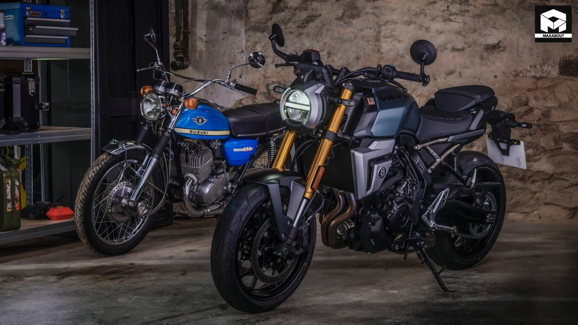
Based on current market analysis and Suzuki's typical pricing strategy, I expect these models to be positioned competitively in the mid-range segment. While official pricing wasn't announced at the show, we can make educated estimates based on the existing models in the platform.
Anticipated Price Range
Looking at how Suzuki has positioned other models in their lineup:
- GSX-8T: Likely to be priced approximately 10-15% higher than the GSX-8S, placing it in the $10,500-11,500 range in the US market
- GSX-8TT: Expected to slot between the GSX-8T and V-Strom 800DE, potentially around $12,000-13,000
This would position both bikes as strong value propositions compared to European competitors like Triumph and BMW, which typically command higher price points in these segments.
Expected Release Date and Availability
According to information provided at the Japan Mobility Show, Suzuki plans to release both models to global markets with the following timeline:
- Japanese Market: Q2 2025
- European Markets: Q3 2025
- North American Markets: Late Q3/Early Q4 2025
- Other Global Markets: Phased rollout through Q4 2025
This suggests that interested buyers should expect to see these motorcycles in dealerships roughly 6-9 months after their showcase, which aligns with typical production timelines in the industry.
Frequently Asked Questions
How do the GSX-8T and GSX-8TT differ from existing Suzuki models?
The GSX-8T offers sport-touring capabilities based on the GSX-8S platform, with improved wind protection, ergonomics, and luggage options. The GSX-8TT provides a more road-focused alternative to the V-Strom 800DE, with cast wheels instead of spoked ones, different suspension travel, and a focus on all-road rather than serious off-road capability.
Will these models share parts with other Suzuki 800cc motorcycles?
Yes, according to the technical presentations, many components including the engine, basic frame structure, electronics, and some cycle parts will be shared across the 800cc platform, which helps with manufacturing efficiency and should improve parts availability.
What colors will be available for these new models?
At the show, Suzuki displayed the GSX-8T in Metallic Blue, Pearl White, and Matte Black. The GSX-8TT was showcased in Yellow/Black, Matte Khaki, and Suzuki's traditional Blue/White racing colors.
Will these models come with factory warranty?
While not explicitly stated at the show, based on Suzuki's current policy, we can expect these models to come with the standard 12-month unlimited mileage warranty, with extended warranty options available in most markets.
Conclusion
The introduction of the GSX-8T and GSX-8TT at the Japan Mobility Show 2025 demonstrates Suzuki's commitment to expanding its lineup using their versatile 800cc platform. By creating specialized variants that target specific rider needs and preferences, Suzuki is effectively covering more market segments without the expense of developing entirely new platforms.
From what we've seen at the show, both models appear to be thoughtfully designed with clear purpose and market positioning. The GSX-8T offers an accessible entry point to sport touring without the bulk and expense of larger displacement options, while the GSX-8TT provides adventure styling and capabilities without the intimidation factor of more hardcore off-road focused machines.
As the motorcycle market continues to evolve, this approach of platform sharing while creating distinct models seems to be a winning strategy that benefits both manufacturers and consumers alike. I'm looking forward to seeing these machines in dealerships next year and eventually testing how they perform on the road.
Explore the story
Related news
Share your view and join the discussion.
Earn reward points for every comment and get a chance to win ₹1,000 in our weekly lucky draw. Sign in with Google in one tap.
Start the conversation
No one has commented on this article yet. Be the first to share your view.
Want to read more automotive news?
Stay updated with the latest car launches, reviews, and industry insights.
Browse All News