
Royal Enfield Flying Flea C6 EV Launched at ₹2.79 Lakh
Royal Enfield entering the electric space is not a small thing. This is a brand that has shaped how millions of Indians think about motorcycles — the thump, the weight, the weekend rides on hill roads. So when they finally announce an electric motorcycle, people pay attention. Some with excitement, ...
Editorial Team
Royal Enfield entering the electric space is not a small thing. This is a brand that has shaped how millions of Indians think about motorcycles — the thump, the weight, the weekend rides on hill roads. So when they finally announce an electric motorcycle, people pay attention. Some with excitement, some with skepticism, and honestly, both reactions make complete sense.
The Flying Flea C6 is that motorcycle. Launched at ₹2.79 lakh for the outright purchase option, or ₹1.99 lakh if you opt for the Battery as a Service (BaaS) model — where you essentially lease the battery separately — this is Royal Enfield's first real statement in the EV space.
The name itself is a revival. The original Flying Flea was a lightweight WWII-era motorcycle. Using that legacy here feels intentional — a way of saying this is not just a product launch, it is a new chapter.
But here is the honest question worth asking upfront: is this the electric motorcycle that everyday Indian riders have genuinely been waiting for, or is it another premium EV sitting comfortably out of reach for most people? At ₹2.79 lakh, it is not exactly accessible territory. The BaaS model softens that entry point, but it comes with its own trade-offs worth examining carefully.
Breaking Down the Price: ₹2.79 Lakh vs the BaaS Option
Let's start with the straightforward number. At ₹2.79 lakh (ex-showroom), the Flying Flea C6 sits in territory that demands serious thought. For context, that puts it well above most electric scooters currently on the market, and honestly, within striking distance of entry-level petrol motorcycles from established names. You could buy a decent 200–250cc petrol motorcycle for less, and that comparison will cross every potential buyer's mind.
Then comes the BaaS option at ₹1.99 lakh — and this is where things get genuinely interesting, and a little complicated.
BaaS stands for Battery as a Service. In simple terms, you are purchasing the motorcycle without owning the battery. The battery remains the property of the service provider, and you pay a monthly subscription fee to essentially rent it. The upfront cost drops by ₹80,000, which looks attractive on paper. But that monthly charge — details of which are still emerging — will accumulate steadily over time.
From what similar models suggest, this is worth examining carefully. Brands like Bounce Infinity experimented with battery subscription in India, and the reception was mixed at best. Riders appreciated the lower entry cost but grew frustrated with subscription dependency — the feeling of never truly owning what is under you.
The honest assessment? BaaS is not a trick, but it is not straightforwardly cheap either. It shifts cost from upfront to ongoing. For someone riding daily in a city like Bengaluru or Pune, the maths might eventually work out. For a casual or weekend rider, the outright purchase likely makes more long-term sense.
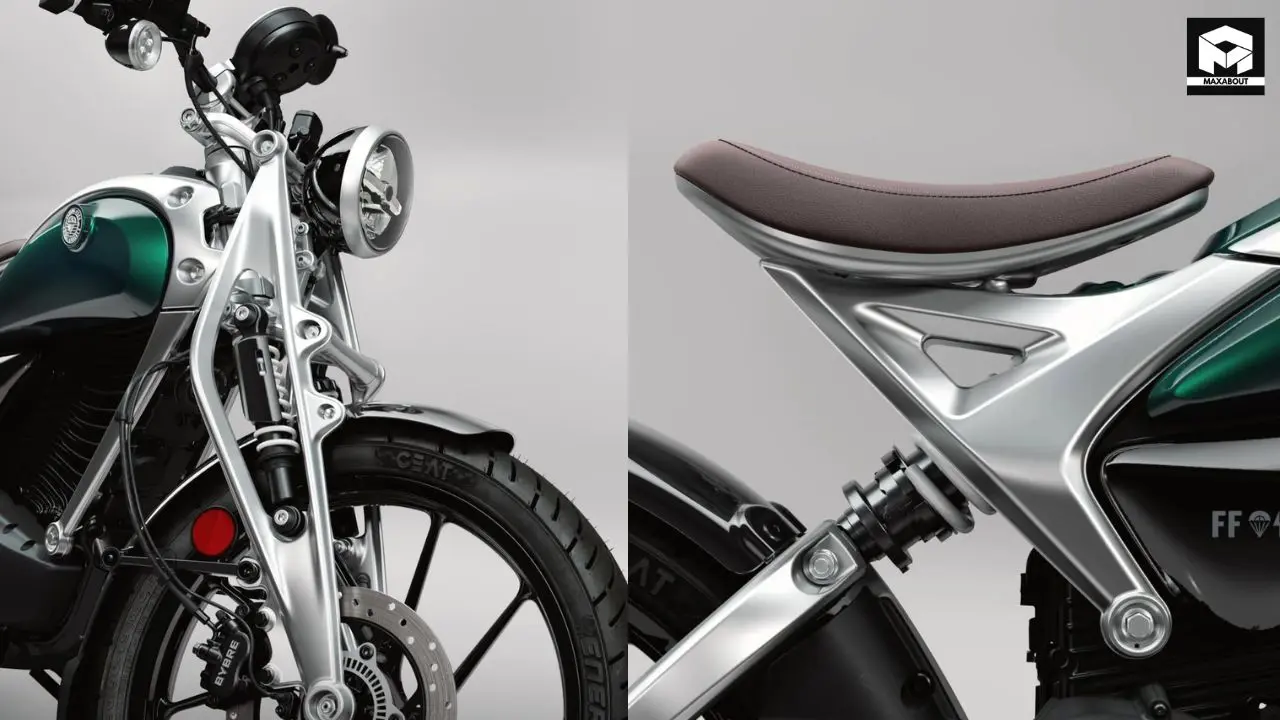
Specs and Features: What You Actually Get on the Flying Flea C6
So the pricing conversation is settled. Now the real question — what does ₹2.79 lakh actually buy you in terms of hardware and real-world capability?
The Flying Flea C6 is powered by a mid-drive electric motor producing around 7.9 kW of peak power, paired with a battery pack in the 3.5 kWh range. Royal Enfield claims a riding range of approximately 100 to 150 km depending on riding mode and conditions — realistic urban range probably sits closer to the lower end, especially in stop-and-go Bengaluru or Mumbai traffic.
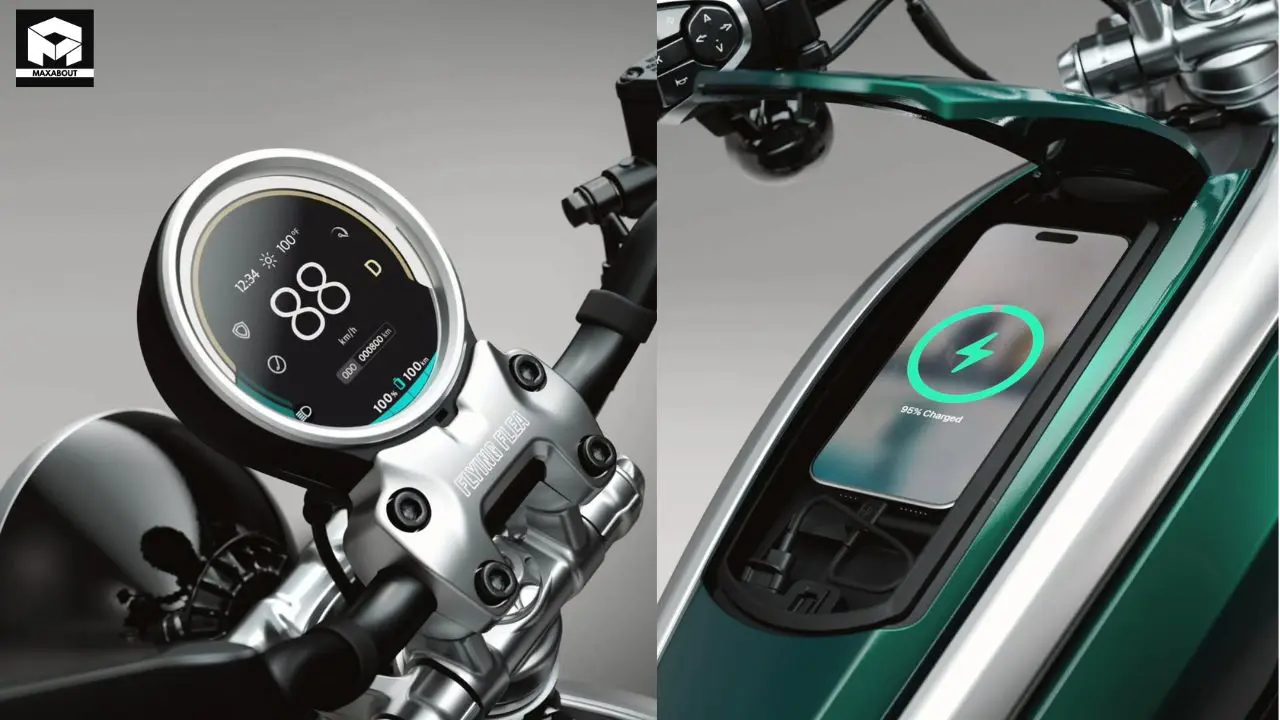 Top speed is pegged at roughly 100 kmph, which is adequate for city commuting but nothing exciting on an open highway stretch. Charging from near-empty to full takes around 5 to 6 hours on a standard home charger. Fast charging support, if available, could improve that significantly — though early coverage hasn't been entirely clear on specifics.
Feature-wise, the C6 gets multiple riding modes, a circular retro-styled instrument cluster with Bluetooth connectivity, and smartphone integration. The design language deliberately echoes the original Flying Flea — a lightweight motorcycle used by Allied paratroopers during World War II. It is genuinely charming heritage storytelling, though from what early observers note, the retro aesthetic is more visual tribute than mechanical connection.
Build quality impressions from launch coverage are cautiously positive. The fit and finish appears thoughtful for the segment. However, at this price point, the range and power figures feel conservative compared to what some rivals currently offer.
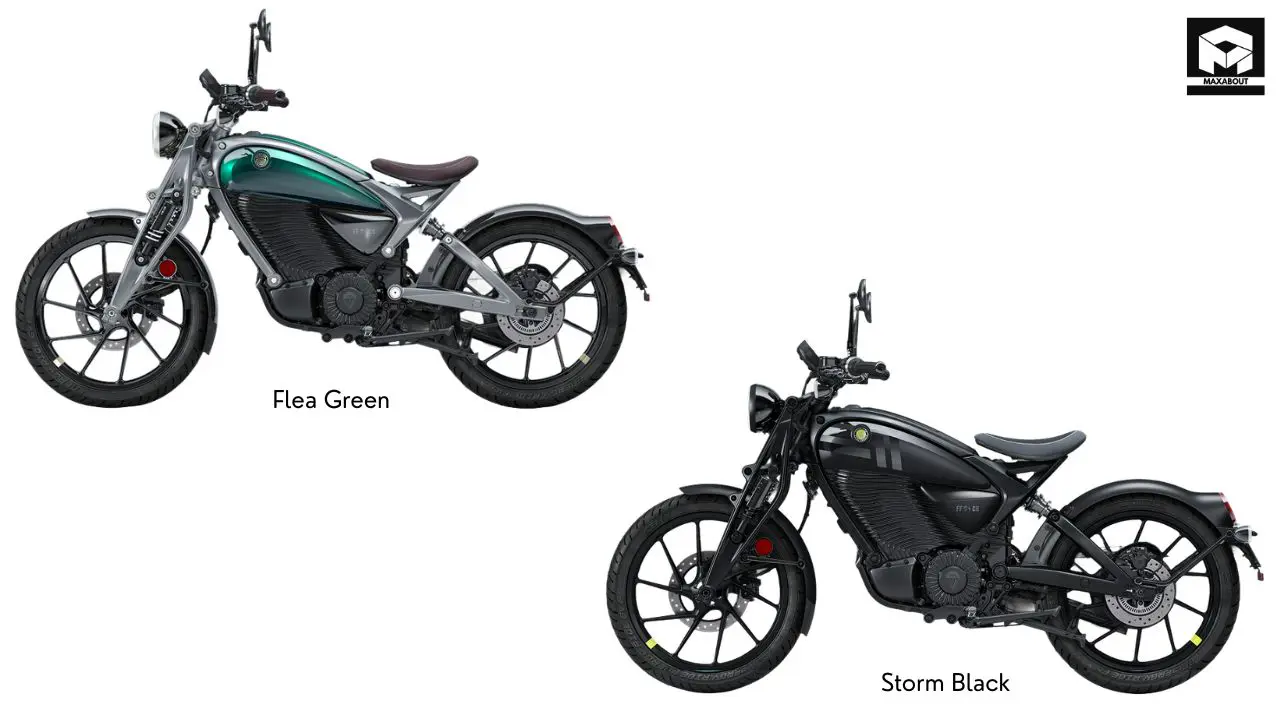
Real-World Usability: Can It Handle Indian Roads and Riding Conditions?
This is honestly where the Flying Flea C6 faces its toughest examination. Specs on paper are one thing. Surviving Bangalore's Silk Board junction during evening rush hour, or navigating a pothole-riddled stretch through Mumbai's suburbs — that is an entirely different conversation.
Ground clearance is a genuine concern. From the details available so far, the C6 sits low and styled, which looks elegant in promotional imagery but raises practical questions for Indian urban roads. Speed breakers alone — and Indian cities have an extraordinary variety of them, from the barely visible to the almost architectural — can be punishing for any low-slung motorcycle.
Then there is the claimed range versus real-world range gap, which every EV buyer in India should think carefully about. Claimed figures are typically measured under controlled conditions. Stop-and-go traffic in Delhi or Chennai, with constant braking, acceleration bursts, and accessories running, will likely bring that number down noticeably. Expecting roughly 70-75% of the claimed range in dense urban conditions is a reasonable mental benchmark.
For daily city commuting under 40-50 kilometres, the C6 likely manages comfortably. Beyond that, range anxiety becomes real, especially in smaller cities where public charging infrastructure remains sparse and unreliable.
Monsoon usability is another area worth watching closely before committing.
How It Stacks Up Against the Competition
Pricing a premium electric motorcycle is tricky business in India right now. At ₹2.79 lakh, the Flying Flea C6 enters territory where buyers naturally start comparing — and honestly, some of those comparisons are uncomfortable for Royal Enfield.
The Ola S1 Pro and TVS iQube ST both undercut the C6 significantly while offering competitive range figures and established service networks. Ather's 450X sits closer in price but brings years of real-world ownership data behind it, a dedicated charging network, and a reputation for consistent software updates. That accumulated trust is genuinely hard to dismiss.
Where the C6 separates itself is positioning. This is not a scooter trying to punch above its weight. It is a motorcycle with deliberate retro character, targeting buyers who find modern electric scooters aesthetically uninspiring. That is a real market segment, and Royal Enfield understands it deeply.
The Battery-as-a-Service option at ₹1.99 lakh does change the conversation. For buyers stretched on upfront budget, that entry point suddenly makes the C6 look genuinely competitive. The long-term subscription cost math still needs careful personal calculation though — it is not automatically the smarter financial choice.
From what early reviews suggest, brand loyalty is pulling significant weight here. Royal Enfield's service reach across smaller Indian cities is a legitimate advantage that pure-play EV startups simply cannot match today. That said, loyalty should inform your decision, not override it entirely.
Service Network and After-Sales Support: Royal Enfield's Biggest Advantage?
Let's be honest — one of the most underrated anxieties around buying an EV in India is not the range or the price. It is the quiet fear of something going wrong 200 kilometres from home, in a city where nobody has heard of your brand. Royal Enfield's dealership network, spanning well over 2,000 touchpoints including Tier 2 and Tier 3 cities, is a genuinely compelling answer to that anxiety.
For someone in Nashik, Jodhpur, or Coimbatore, walking into a familiar Royal Enfield service centre rather than hunting down a specialised EV workshop is a real comfort. That kind of reach takes decades to build, and most EV startups simply do not have it yet.
However, the honest question worth raising is — are those technicians actually ready for the C6? Servicing an electric platform is fundamentally different from what RE mechanics have handled historically. Battery diagnostics, motor calibration, regenerative braking systems — these require specific training. Whether Royal Enfield has comprehensively upskilled its network before launch, or whether that process is still catching up, remains to be seen from real-world ownership reports.
Spare parts availability for a brand-new electric platform is another unknown. The network exists. The expertise is still proving itself.
Who Should Actually Buy the Flying Flea C6?
Let me be straightforward here, because this motorcycle genuinely suits some riders and genuinely doesn't suit others.
The ideal Flying Flea C6 buyer lives in a metro or large city — Bengaluru, Pune, Delhi, Mumbai — has a dedicated parking spot with a power outlet, and rides primarily within a 40-50 km daily loop. Crucially, they care about the Royal Enfield identity. They want that heritage aesthetic but aren't ready to compromise on being environmentally conscious. For this person, the C6 makes real sense.
Who should probably look elsewhere? Long-distance touring riders. If weekend highway runs to hill stations are your thing, this is not your motorcycle — at least not yet. Similarly, budget-conscious buyers should think carefully. At ₹2.79 lakh, you're paying a significant premium for the retro-electric package.
The BaaS model at ₹1.99 lakh looks attractive upfront, but only makes financial sense if you're clocking consistent daily urban kilometres. Occasional or weekend-only riders would likely overpay through monthly battery subscriptions.
Riders outside major cities with unreliable home charging access should wait. The infrastructure reality hasn't caught up everywhere yet, and that's just honest advice.
Final Verdict: A Bold First Step or an Overpriced Statement Piece?
Honestly? It's both — and that's not a contradiction.
Royal Enfield has done something genuinely impressive with the Flying Flea C6. The design alone is a statement. Bringing that wartime-inspired aesthetic into an electric form factor, without making it look awkward or forced, takes real craft. And launching an EV under the Royal Enfield badge carries weight that no startup brand can manufacture overnight.
But craftsmanship and legacy don't cancel out the hard questions. At ₹2.79 lakh, this is a lifestyle product right now — not a mass-market electric motorcycle. The rider buying this knows exactly what they're paying for, and it isn't just kilometres per charge. It's identity. That's fine, but it does limit who this motorcycle is actually for.
What genuinely excites me here is the signal. Royal Enfield entering the electric space with this level of seriousness — proper design language, a structured ownership model, clear intent — suggests they're not treating EVs as an afterthought. That matters for the long run.
To truly move the needle for Indian electric mobility, though, Royal Enfield needs to follow this up with something more accessible — better real-world range, wider service reach beyond metros, and transparent long-term ownership costs. The Flying Flea C6 has opened the door. Now they need to walk through it for everyone.
Explore the story
Related news
Share your view and join the discussion.
Earn reward points for every comment and get a chance to win ₹1,000 in our weekly lucky draw. Sign in with Google in one tap.
Start the conversation
No one has commented on this article yet. Be the first to share your view.
Want to read more automotive news?
Stay updated with the latest car launches, reviews, and industry insights.
Browse All News