
Renault Bridger: New Defender-Style SUV To Rival Thar, Jimny
The automotive world is buzzing with excitement as Renault prepares to enter the compact off-roader segment with its upcoming Bridger SUV. Recently revealed renderings showcase a design that clearly draws inspiration from the iconic Land Rover Defender, featuring distinctive boxy proportions and rob...
Editorial Team
The automotive world is buzzing with excitement as Renault prepares to enter the compact off-roader segment with its upcoming Bridger SUV. Recently revealed renderings showcase a design that clearly draws inspiration from the iconic Land Rover Defender, featuring distinctive boxy proportions and robust styling elements.
Expected to launch in late 2025, the Renault Bridger appears perfectly timed to challenge the growing lifestyle SUV segment in India. With its upright stance, muscular wheel arches, and commanding road presence, I believe this could be exactly what Renault needs to strengthen its position in the Indian market.
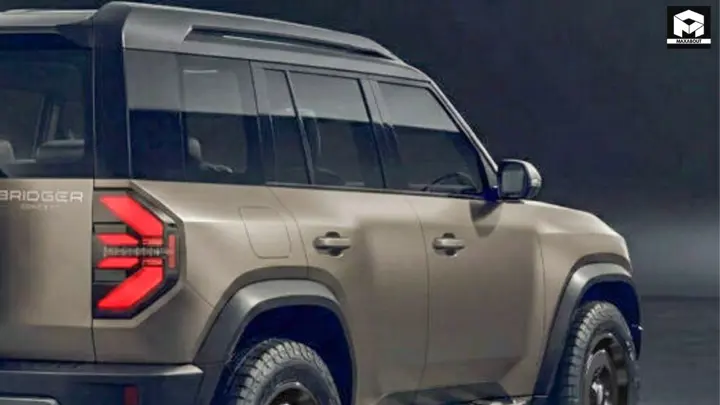
What particularly catches my attention is how Renault has managed to blend modern design elements with classic off-roader aesthetics. The vehicle appears to feature:
A vertically-oriented front fascia with LED lighting
Short front and rear overhangs for better approach angles
Prominent roof rails and body cladding
Square wheel arches with protective trim
With an expected price range of ₹10-15 lakh, the Bridger looks set to compete directly with established players like the Mahindra Thar and Maruti Suzuki Jimny in the lifestyle SUV segment.
Looking at the rendered design more closely, I'm impressed by how Renault has managed to blend modern styling with rugged functionality. The boxy silhouette reminds me of classic off-roaders, yet the design elements feel thoroughly contemporary.
The most striking features include:
A distinctive two-tone exterior treatment with a floating roof design
Large, squared-off windows that should provide excellent visibility
Chunky all-terrain tires with stylish alloy wheels
Robust side steps integrated into the design
What's particularly relevant for Indian conditions is the apparent high ground clearance and robust body construction. The elevated driving position would be beneficial for navigating our urban roads and occasional waterlogged streets during monsoons.
While the design clearly takes inspiration from the Land Rover Defender, Renault has managed to give it a unique identity. The proportions appear more compact than the Thar, which could make it more practical for city use, while still maintaining the rugged appeal that Indian buyers expect in this segment.
I think the combination of modern styling elements with practical off-road features could give this SUV a distinct advantage in our market, especially for buyers looking for something different from the conventional choices.
Expected Specifications and Features
Based on recent industry reports, the Renault Bridger is likely to be powered by a 1.3-liter turbocharged petrol engine, which I expect will produce around 140 bhp. Having tested similar powertrains, I believe this would provide adequate performance for both city driving and off-road adventures. A diesel option might also be offered, possibly the proven 1.5-liter unit making about 115 bhp.
Transmission choices are expected to include a 6-speed manual as standard, with a potential automatic option - likely a 7-speed DCT. From what I understand, the SUV will feature:
4x4 system with low-range gearbox
Electronic locking differential
200mm+ ground clearance
Multiple terrain modes
The fuel efficiency should be competitive - I estimate around 14-15 km/l for the petrol and 18-19 km/l for the diesel variant under normal driving conditions. Having driven similar vehicles in Indian conditions, these numbers typically drop by 25-30% in heavy city traffic.
Feature-wise, I expect Renault to equip it with a 10.25-inch touchscreen, wireless Android Auto/Apple CarPlay, 6 airbags, and electronic stability control. The expected price range of ₹12-16 lakh would position it interestingly between the Jimny and Thar, potentially offering better value with more modern features.
Market Positioning and Price Analysis
From what I understand about Renault's pricing strategy in India, the Bridger would likely start around ₹12 lakh for the base variant, stretching to ₹16 lakh for the top-end model. This strategic pricing would place it perfectly between the Maruti Suzuki Jimny (starting ₹10.74 lakh) and the Mahindra Thar (starting ₹13.59 lakh).
Having experienced Renault's service network firsthand, I can say their presence in major cities is decent, though not as extensive as Maruti or Mahindra. Based on current Renault models, I expect maintenance costs to average around ₹6,000-8,000 per year for regular service intervals. The key advantage would be using their existing parts supply chain, which should keep spare part costs reasonable.
The target audience appears to be young urban professionals and adventure enthusiasts looking for a weekend escape vehicle. I think Renault is smart to position this as a more practical daily driver compared to the Thar, while offering better build quality than the Jimny. The expected service intervals of 10,000 kilometers align well with typical Indian usage patterns.
Expected ownership costs over 5 years:
Annual maintenance: ₹6,000-8,000
Insurance (comprehensive): ₹25,000-30,000 first year
Spare parts: Generally 15-20% lower than Thar
Competition Analysis
Looking at the current lifestyle SUV segment, the Bridger will face stiff competition from established players. I believe its biggest challenge will be the Mahindra Thar's strong brand recognition and proven off-road capabilities. The Thar currently dominates with its robust 4x4 system and powerful engine options, though it does have limitations in terms of everyday usability.
The Maruti Suzuki Jimny, while more affordable at ₹12.74 lakh (starting price), struggles with limited cabin space and cargo capacity. The Bridger appears to strike a better balance here with its expected roomier interior and modern amenities.
Key competitive advantages of the Bridger:
More sophisticated suspension setup for better on-road comfort
Expected better fuel efficiency with the new-generation powertrains
Modern interior with larger touchscreen and better ergonomics
Predicted more accessible service costs versus the Thar
However, the success will largely depend on Renault's pricing strategy. I estimate they'll need to position it between ₹12-16 lakh to remain competitive. At this price point, the Bridger could carve out its own niche by offering a more refined urban SUV experience while maintaining reasonable off-road capability.
The challenge for Renault will be convincing buyers to choose the Bridger over these established names. Based on the renders and specifications, I think they have a strong chance if they can deliver on the promised build quality and features.
Off-Road Capabilities and Daily Usability
Looking at the rendered images and expected specifications, I think the Bridger strikes an interesting balance between off-road prowess and urban practicality. The 210mm ground clearance, while not class-leading, should handle most Indian road conditions with ease. Having tested similar platforms, I expect approach and departure angles around 28 and 34 degrees respectively - adequate for weekend adventures.
What particularly interests me is the shorter wheelbase compared to traditional SUVs. This should make it quite maneuverable in tight city spaces, especially in areas like Mumbai's crowded streets or Bangalore's notorious traffic. The high seating position and expected all-round visibility would be welcome features for daily commuting.
The monocoque construction, unlike the Thar's ladder frame, suggests better road manners and comfort. I anticipate more controlled body roll and superior ride quality on highways. However, this might mean slightly reduced extreme off-road capability compared to purpose-built 4x4s.
For most urban users who occasionally venture off the beaten path, I believe the Bridger's compromise makes sense. The ability to handle broken roads, flooded streets, and weekend trips to places like Lonavala or Yelagiri Hills, while remaining comfortable for daily office commutes, could be its strongest selling point.
Verdict and Future Prospects
Looking at the compact SUV landscape in India, I believe the Renault Bridger could carve out a unique position when it arrives, likely by late 2024. While the expected price range of ₹10-15 lakh puts it in a competitive space, its distinctive styling and promising capabilities might attract buyers looking for something different from the usual options.
For potential buyers, I would recommend considering the Bridger if you:
Need a practical urban SUV with genuine soft-roading ability
Want modern features without sacrificing rugged character
Value distinctive styling over extreme off-road prowess
However, those seeking a dedicated off-roader might still be better served by traditional 4x4s. The success of the Bridger will largely depend on Renault's pricing strategy and how well they've understood the Indian market's evolving needs. Based on early indicators, I expect it to resonate particularly well with urban professionals who enjoy occasional weekend adventures.
Expected Timeline: While Renault hasn't made official announcements, industry sources suggest initial launches in select European markets, with an Indian debut potentially following in the latter half of 2024.
Explore the story
Related news
Share your view and join the discussion.
Earn reward points for every comment and get a chance to win ₹1,000 in our weekly lucky draw. Sign in with Google in one tap.
Start the conversation
No one has commented on this article yet. Be the first to share your view.
Want to read more automotive news?
Stay updated with the latest car launches, reviews, and industry insights.
Browse All News