
Porsche Cayenne Electric vs ICE: Key Differences Explained
Introduction: The Evolution of Porsche's Luxury SUVLet me be straight with you: choosing between the Porsche Cayenne Electric and its internal combustion engine (ICE) sibling isn't just about picking a power source. It's about deciding what kind of driving experience matters most to you—and honestly...
By javed baloch
Automotive Journalist
Introduction: The Evolution of Porsche's Luxury SUV
Let me be straight with you: choosing between the Porsche Cayenne Electric and its internal combustion engine (ICE) sibling isn't just about picking a power source. It's about deciding what kind of driving experience matters most to you—and honestly, both have compelling arguments.
Porsche has always been about pushing boundaries. When they launched the Cayenne back in 2002, purists thought the world was ending. Now? The Cayenne is a cornerstone of Porsche's lineup, and the addition of electric variants shows the brand is serious about electrification without abandoning what made them legendary.
The real question isn't which one is "better"—it's which one fits your lifestyle, driving habits, and yes, your wallet. I'm breaking down the key differences so you can make an informed decision without the marketing fluff.
Powertrain and Performance: Where Rubber Meets Road
Electric Cayenne: Instant Gratification
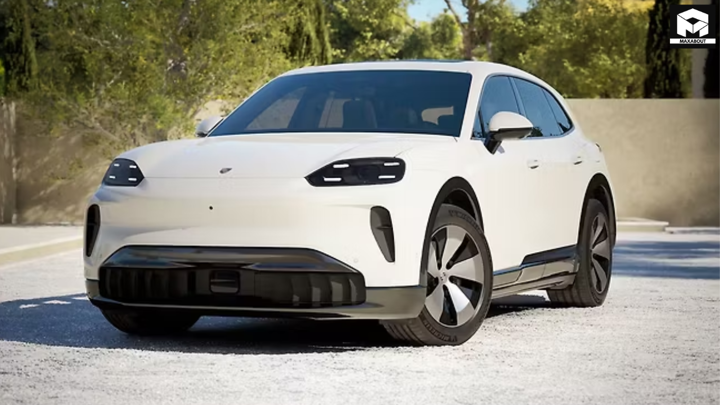
The electric Cayenne variants, particularly the E-Hybrid models currently available, deliver something ICE engines simply cannot: instant torque. We're talking about maximum pulling power available the moment you press the accelerator. No lag. No waiting for turbos to spool up. Just pure, immediate thrust.
Electric motors typically produce their peak torque from zero RPM, which translates to that gut-punching acceleration electric vehicle enthusiasts rave about. In real-world terms, this means merging onto highways feels effortless, and urban driving becomes surprisingly engaging despite the Cayenne's considerable size.
The current E-Hybrid systems combine electric motors with combustion engines, offering flexibility. You can cruise silently on pure electric power for shorter distances—typically around 30-50 kilometers depending on the model year and battery condition—or tap into both power sources for maximum performance.
ICE Cayenne: Traditional Power Delivery
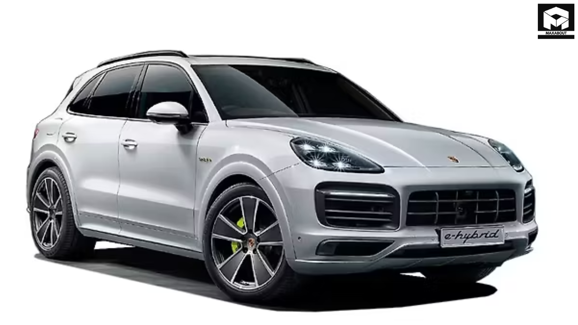
The traditional Cayenne lineup spans from turbocharged V6 engines to the monstrous V8s in the Turbo variants. What you get here is linear power delivery that builds as RPMs climb. It's a different sensation entirely—more theatrical, more audible, and for many enthusiasts, more emotionally satisfying.
ICE engines in the Cayenne range generally produce between 335 to 640 horsepower depending on trim level. The power band is broader, and while you don't get that instant electric kick, you get sustained high-RPM performance that feels properly sporty. The engine note alone—especially in V8 models—is something no electric motor can replicate.
Real-World Performance Differences
Here's where it gets interesting. On paper, acceleration times might seem similar between comparable electric and ICE variants. But the character of that acceleration differs dramatically. Electric feels like being launched from a catapult. ICE feels like a building crescendo.
For track days or spirited mountain driving, ICE variants often have an edge in sustained performance. Electric systems can experience thermal management issues during extended hard driving, potentially limiting power output temporarily. The ICE models just keep pulling, lap after lap, as long as you've got fuel and functioning brakes.
Fueling vs Charging: The Daily Reality Check
Charging Infrastructure Considerations
Let's talk about the elephant in the room: charging anxiety. If you're considering an electric or plug-in hybrid Cayenne, you need reliable charging access. Ideally, that means home charging capability.
Installing a Level 2 home charger typically costs between $1,000 to $2,500 depending on your electrical setup and local rates. Charging overnight on a Level 2 system can fully replenish the battery in 2-6 hours for E-Hybrid models. Public fast charging networks are expanding rapidly, but they're still not as ubiquitous as gas stations—especially if you're in rural areas or smaller cities.
The beauty of E-Hybrid models is flexibility. Battery depleted? No problem—you've got a combustion engine as backup. It's the best of both worlds, though you're carrying the weight of both systems.
Traditional Refueling Simplicity
ICE Cayennes offer something electric vehicles can't yet match: five-minute refueling at millions of locations worldwide. Pull up, fill up, drive another 400-600 kilometers. Simple. Predictable. No range calculations or charging station apps required.
This convenience matters especially for road trips, towing, or if you live somewhere without easy charging access. The mental load is lower—you don't need to plan routes around charging infrastructure or worry about whether charging stations are functional when you arrive.
Cost Analysis: Beyond the Sticker Price
Purchase Price Differences
Generally, E-Hybrid Cayenne models command a premium of roughly $10,000-$20,000 over comparable ICE variants. You're paying for additional battery technology, electric motors, and more complex drivetrain integration.
However, many regions offer incentives for plug-in hybrid or electric vehicles. Tax credits, rebates, and reduced registration fees can significantly offset that initial premium. In some markets, these incentives can make the E-Hybrid variant cost-competitive with or even cheaper than the ICE equivalent after incentives.
Fuel vs Electricity Costs
This is where electric wins decisively. Electricity costs typically range from $0.10 to $0.30 per kWh in most markets, while premium gasoline runs significantly higher per equivalent energy unit.
If you're charging at home and maximizing electric-only driving in an E-Hybrid, your daily commute costs could drop by 60-70% compared to running on gasoline. For someone driving 20,000 kilometers annually with significant electric-mode usage, that translates to potentially $1,500-$2,500 in annual savings on fuel costs alone.
ICE Cayennes, particularly V8 variants, are thirsty. Real-world fuel economy often sits around 12-16 L/100km in mixed driving. That adds up quickly when you're using premium fuel.
Maintenance Considerations
Electric motors have fewer moving parts than combustion engines. No oil changes for the electric drivetrain. No spark plugs. No exhaust systems to corrode. This translates to lower routine maintenance costs over the vehicle's lifetime.
That said, E-Hybrid models have both electric and combustion components, so you're maintaining two systems. Battery degradation is also a consideration—though Porsche batteries typically maintain 70-80% capacity even after 8-10 years according to industry patterns.
ICE models have well-established maintenance schedules. Service costs are predictable, and any qualified Porsche technician can handle repairs. Parts availability is excellent. With electric vehicles being newer, long-term maintenance patterns are still emerging.
Driving Experience and Character
Silence vs Symphony
I won't sugarcoat it: if you love engine sounds, electric driving feels sterile by comparison. The Cayenne's V8 engine produces a glorious soundtrack that adds emotional dimension to driving. It's visceral. It's engaging. It reminds you that you're piloting a performance machine.
Electric driving is whisper-quiet. For some, this is luxury redefined—serene, refined, effortless. For others, it removes a key element of the driving experience. The whoosh of wind and tire noise becomes more noticeable when there's no engine masking it.
Weight Distribution and Handling
E-Hybrid models carry additional weight from batteries and electric motors, typically adding 200-300 kilograms. This extra mass sits low in the chassis, which can actually improve handling by lowering the center of gravity.
However, that weight is still weight. In rapid direction changes or emergency maneuvers, you feel it. ICE variants feel slightly more nimble and responsive, though we're splitting hairs here—both are remarkably athletic for SUVs exceeding 2,000 kilograms.
Environmental and Practical Considerations
Emissions Profile
If reducing your carbon footprint matters, E-Hybrid models offer genuine benefits—provided you actually plug them in and drive electric regularly. Studies suggest that plug-in hybrids driven primarily in electric mode can reduce emissions by 50-70% compared to ICE-only vehicles.
However, if you never charge and just haul around the extra battery weight while burning gasoline, you're actually worse off than a conventional ICE vehicle. The environmental benefit only materializes with disciplined charging habits.
Cold Weather Performance
Here's something dealerships don't always emphasize: electric range drops significantly in cold weather. Battery chemistry doesn't like freezing temperatures, and cabin heating draws substantial power when you can't rely on waste engine heat.
ICE Cayennes are unaffected by temperature. They start reliably in extreme cold (Porsche engineering ensures this), and range remains consistent regardless of weather conditions.
Which Cayenne Should You Choose?
The Electric Cayenne Makes Sense If:
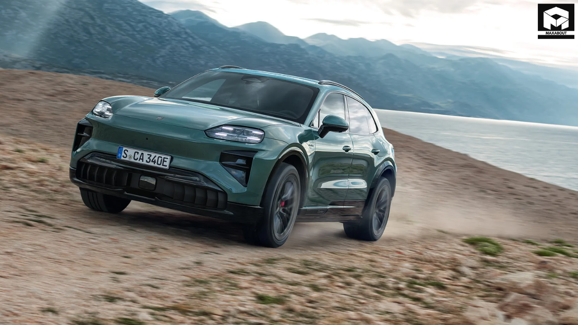
- You have reliable home charging capability
- Your daily driving is primarily short to medium distances
- You value lower operating costs and reduced emissions
- You appreciate instant torque and refined, quiet operation
- Local incentives make the price competitive
- You're future-proofing against potential ICE restrictions in urban areas
The ICE Cayenne Makes Sense If:
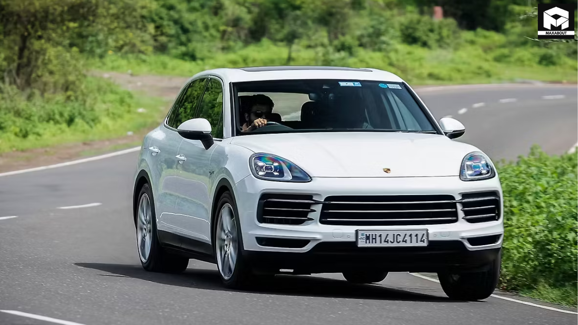
- You frequently take long road trips or tow heavy loads
- Charging infrastructure is limited in your area
- You value traditional performance character and engine sound
- You want maximum flexibility without range anxiety
- Slightly lower purchase price matters more than fuel savings
- You prefer proven, established technology
Frequently Asked Questions
Can I still take a Cayenne E-Hybrid on long road trips?
Absolutely. The E-Hybrid operates as a conventional hybrid when the battery depletes, so you never get stranded. You simply won't have electric-only driving capability until you can charge. The combustion engine ensures you have the same range flexibility as ICE models.
How long do Cayenne E-Hybrid batteries typically last?
Porsche provides an 8-year/160,000-kilometer warranty on hybrid batteries in most markets. Industry data suggests these batteries commonly retain 70-80% capacity even after a decade of use. Degradation happens gradually, not suddenly.
Is the electric Cayenne slower than the ICE version?
Not necessarily. The E-Hybrid Turbo S variants are among the quickest Cayennes available, combining electric and combustion power for explosive acceleration. Pure acceleration comparisons depend on specific trim levels being compared.
What happens if I rarely charge my E-Hybrid Cayenne?
You'll essentially be driving a heavier, less efficient conventional vehicle. The extra battery weight reduces fuel economy when running on gasoline alone. To maximize the E-Hybrid's benefits, regular charging is essential—otherwise, you're not getting what you paid for.
Conclusion: No Wrong Choice, Just Different Priorities
Here's my honest take after examining both variants extensively: you genuinely can't go wrong with either Cayenne powertrain. Both deliver the performance, luxury, and capability that define the nameplate.
The E-Hybrid shines for urban professionals with predictable driving patterns and charging access. Lower daily costs, reduced emissions, and that addictive electric acceleration make it genuinely appealing. It's forward-thinking without sacrificing the versatility that makes the Cayenne so practical.
The ICE Cayenne remains the choice for drivers who value traditional performance character, maximum flexibility, and proven technology. There's something special about a properly tuned combustion engine that electric motors haven't yet replicated—and may never need to.
My advice? Test drive both extensively. Not just around the block, but in conditions matching your actual usage. Take the E-Hybrid on your daily commute. Take the ICE model on a weekend road trip. The right choice will become obvious based on how each variant fits into your real life, not theoretical scenarios.
The Cayenne's greatest strength has always been versatility. Now, with both electric and ICE options, that versatility extends to powertrain choice. Pick the one that aligns with your priorities, and you'll be getting one of the finest luxury SUVs available—period.
Explore the story
Related news

Share your view and join the discussion.
Earn reward points for every comment and get a chance to win ₹1,000 in our weekly lucky draw. Sign in with Google in one tap.
Start the conversation
No one has commented on this article yet. Be the first to share your view.
Want to read more automotive news?
Stay updated with the latest car launches, reviews, and industry insights.
Browse All News