
2 min read
174 views
ISI Certified Helmets to Get Affordable & Lighter from January 15, 2019
Bureau of Indian Standards (BIS) and transport ministry has announced the revision of ISI standards for certified helmets in India. They want the manufacturers to produce affordable, lighter, airier and safer helmets than the current generation. They have reduced the maximum helmet weight limit f...
Bureau of Indian Standards (BIS) and transport ministry has announced the revision of ISI standards for certified helmets in India. They want the manufacturers to produce affordable, lighter, airier and safer helmets than the current generation.
They have reduced the maximum helmet weight limit from 1.5kg to 1.2kg, making them more user-friendly and giving another reason for new riders to choose a helmet when buying a motorcycle. The ministry has also directed the manufacturers to design helmets with more vents for better air circulation inside the helmet. BIS is working hard to bring every manufacturer under the certification process to halt illegal helmet production.
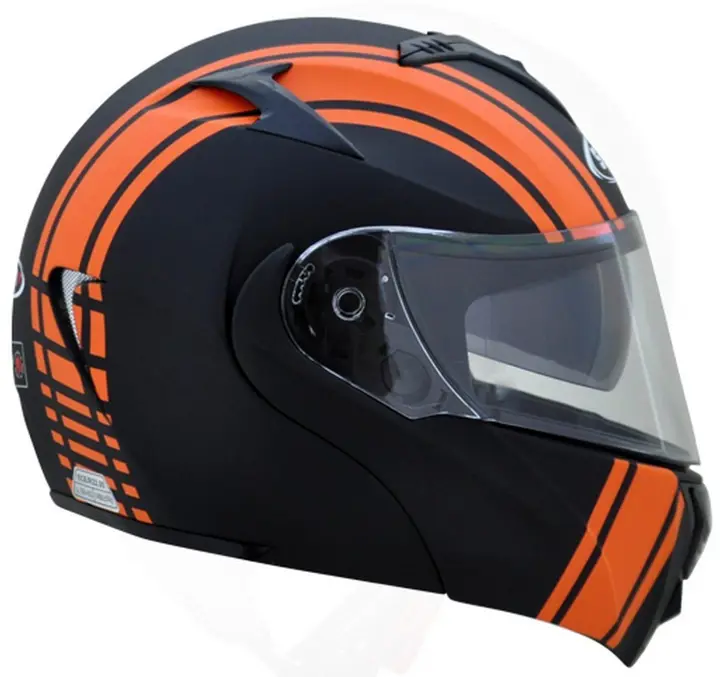 The certified helmets with low weight will attract more riders, reducing the number of fatalities caused by road accidents by a considerable number. Not just that, reducing the cost of helmets will affect the number of buyers considering roadside helmets, pushing more buyers into the certified helmet category and bringing profits to struggling Indian manufacturers.
The government has made all these changes mandatory from January 15, 2019. The deadline provides the brands with enough time to change preferences and switch to the new certifications. In 2017, more than 15,000 people lost their lives in a road accident, leaving the BIS with no other option than getting stricter with time.
The certified helmets with low weight will attract more riders, reducing the number of fatalities caused by road accidents by a considerable number. Not just that, reducing the cost of helmets will affect the number of buyers considering roadside helmets, pushing more buyers into the certified helmet category and bringing profits to struggling Indian manufacturers.
The government has made all these changes mandatory from January 15, 2019. The deadline provides the brands with enough time to change preferences and switch to the new certifications. In 2017, more than 15,000 people lost their lives in a road accident, leaving the BIS with no other option than getting stricter with time.
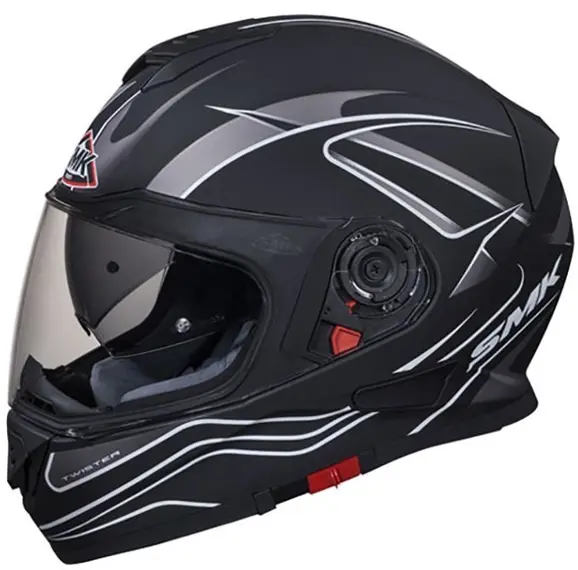 Roadside helmets are available with a price tag of just INR 400 while certified ISI helmet from a reputed brand will cost around INR 800. The cost may feel double at first but the safety standard is raised by a huge margin. Wearing a helmet saves the rider from a sudden fall as the structure absorbs maximum possible energy from the hit that your head takes during the collision.
Not just that, the helmet offers safety to your eyes and face, protecting from insects and flying pieces of gravel on the road. It even comes with UV protection option through different types of visors. The ministry has made no statement regarding imported helmets with international certifications.
Roadside helmets are available with a price tag of just INR 400 while certified ISI helmet from a reputed brand will cost around INR 800. The cost may feel double at first but the safety standard is raised by a huge margin. Wearing a helmet saves the rider from a sudden fall as the structure absorbs maximum possible energy from the hit that your head takes during the collision.
Not just that, the helmet offers safety to your eyes and face, protecting from insects and flying pieces of gravel on the road. It even comes with UV protection option through different types of visors. The ministry has made no statement regarding imported helmets with international certifications.
The certified helmets with low weight will attract more riders, reducing the number of fatalities caused by road accidents by a considerable number. Not just that, reducing the cost of helmets will affect the number of buyers considering roadside helmets, pushing more buyers into the certified helmet category and bringing profits to struggling Indian manufacturers.
The government has made all these changes mandatory from January 15, 2019. The deadline provides the brands with enough time to change preferences and switch to the new certifications. In 2017, more than 15,000 people lost their lives in a road accident, leaving the BIS with no other option than getting stricter with time.
Roadside helmets are available with a price tag of just INR 400 while certified ISI helmet from a reputed brand will cost around INR 800. The cost may feel double at first but the safety standard is raised by a huge margin. Wearing a helmet saves the rider from a sudden fall as the structure absorbs maximum possible energy from the hit that your head takes during the collision.
Not just that, the helmet offers safety to your eyes and face, protecting from insects and flying pieces of gravel on the road. It even comes with UV protection option through different types of visors. The ministry has made no statement regarding imported helmets with international certifications.Ad
I
Immanuel Raja is an Automotive Writer with 8 years of experience covering the Indian automotive landscape. He specializes in Electric Vehicles and Hybrid Technology, with particular expertise in battery systems, charging infrastructure, and the integration of alternative powertrains in Indian road conditions. Raja has extensively tested over 200 vehicles across various segments, from entry-level EVs to premium hybrids, developing nuanced insights into their performance on India's diverse and challenging roads. His analysis encompasses both technical specifications and practical ownership considerations that matter to Indian consumers, including charging accessibility, maintenance costs, and performance in extreme weather conditions. With a finger on the pulse of India's evolving automotive preferences, Raja delivers clear, factual assessments that help readers navigate the transition to electrified mobility in the context of India's unique market dynamics.
About the Author
Explore the story
Related news
Comments
Share your view and join the discussion.
Start with:
Earn reward points for every comment and get a chance to win ₹1,000 in our weekly lucky draw. Sign in with Google in one tap.
Start the conversation
No one has commented on this article yet. Be the first to share your view.
Want to read more automotive news?
Stay updated with the latest car launches, reviews, and industry insights.
Browse All News