Maxabout

\n\n\n\n

While reacting to the company’s decision not to send the vehicles to GNCAP, CV Raman, Senior Executive Director – Engineering at Maruti Suzuki India stated that SIAM, in collaboration with the manufacturer, is striving to develop the BNCAP (Bharat NCAP). They would look at anything that is led or directed by the government and acknowledged by the government. Any other agency is OK for other manufacturers’ strategies, but Maruti Suzuki prefers to work inside the confines of Indian government rules.
\n\n\n\n
\"
\n\n\n\n

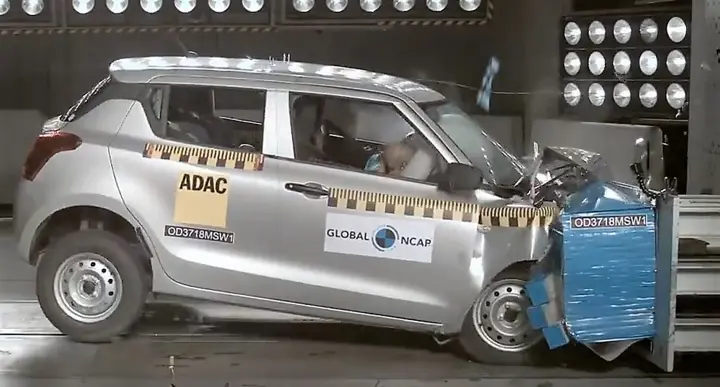
The first-ever GNCAP crash test was performed in 2014, and all participants, including the Hyundai i10, Ford Figo, Maruti Suzuki Alto 800, and Tata Nano, failed to meet the safety standards. Recently as well, the company’s most popular cars, the Swift and Baleno, proved unsafe after being unable to score even a single star at the Latin NCAP car crash test safety rating. Hence, this decision can be the outcome of such poor performance.

\n\n

\n\n\n\n

According to Alejandro Furas, Secretary-General of Latin NCAP, Baleno’s zero-star rating is part of a continuous disappointment that began with Swift’s zero-star rating a few weeks ago.

\n\n\n\n

He added that Suzuki offers poor safety performance in adult and kid occupant protection as standard to Latin American customers. At the same time, the safety watchdog stated that Suzuki declined to test the optional equipment to demonstrate its performance, casting doubt on the efficiency of those extra safety features.

\n\n

\n", "url": "https://autos.maxabout.com/news/cars/offbeat/heres-why-maruti-wont-be-sending-cars-to-global-ncap-for-crash-tests", "mainEntityOfPage": { "@type": "WebPage", "@id": "https://autos.maxabout.com/news/cars/offbeat/heres-why-maruti-wont-be-sending-cars-to-global-ncap-for-crash-tests" }, "keywords": "cars", "articleSection": "cars", "wordCount": 317, "isAccessibleForFree": true, "inLanguage": "en-IN", "thumbnailUrl": "https://ic4.maxabout.us/news-images/2021/11/Maruti-Suzuki-Global-NCAP-Crash-Tests.jpg" }
Back to News
2 min read
237 views
CARS

Here's Why Maruti Won't Be Sending Cars to Global NCAP for Crash Tests

In 2020, one of India’s most significant car sellers, Maruti Suzuki, stopped sending its cars for crash tests at Global NCAP. We receive many routine queries asking for the reason behind the same. According to the brand, they believe that their vehicles comply with all of the safety regulations man...

I

By imman

Automotive Journalist

Published

In 2020, one of India’s most significant car sellers, Maruti Suzuki, stopped sending its cars for crash tests at Global NCAP. We receive many routine queries asking for the reason behind the same. According to the brand, they believe that their vehicles comply with all of the safety regulations mandated by the Indian government, including the all-new pedestrian and offset side-impact safety norms. Maruti Suzuki also cited that they won’t allow any third-party agency to rate their vehicles, regardless of what other manufacturers do.

While reacting to the company’s decision not to send the vehicles to GNCAP, CV Raman, Senior Executive Director – Engineering at Maruti Suzuki India stated that SIAM, in collaboration with the manufacturer, is striving to develop the BNCAP (Bharat NCAP). They would look at anything that is led or directed by the government and acknowledged by the government. Any other agency is OK for other manufacturers’ strategies, but Maruti Suzuki prefers to work inside the confines of Indian government rules.

 - frame

The first-ever GNCAP crash test was performed in 2014, and all participants, including the Hyundai i10, Ford Figo, Maruti Suzuki Alto 800, and Tata Nano, failed to meet the safety standards. Recently as well, the company’s most popular cars, the Swift and Baleno, proved unsafe after being unable to score even a single star at the Latin NCAP car crash test safety rating. Hence, this decision can be the outcome of such poor performance.

According to Alejandro Furas, Secretary-General of Latin NCAP, Baleno’s zero-star rating is part of a continuous disappointment that began with Swift’s zero-star rating a few weeks ago.

He added that Suzuki offers poor safety performance in adult and kid occupant protection as standard to Latin American customers. At the same time, the safety watchdog stated that Suzuki declined to test the optional equipment to demonstrate its performance, casting doubt on the efficiency of those extra safety features.

Ad
I

imman

Automotive Writer

Specializes in: Electric Vehicles, Hybrid Technology

Immanuel Raja is an Automotive Writer with 8 years of experience covering the Indian automotive landscape. He specializes in Electric Vehicles and Hybrid Technology, with particular expertise in battery systems, charging infrastructure, and the integration of alternative powertrains in Indian road conditions. Raja has extensively tested over 200 vehicles across various segments, from entry-level EVs to premium hybrids, developing nuanced insights into their performance on India's diverse and challenging roads. His analysis encompasses both technical specifications and practical ownership considerations that matter to Indian consumers, including charging accessibility, maintenance costs, and performance in extreme weather conditions. With a finger on the pulse of India's evolving automotive preferences, Raja delivers clear, factual assessments that help readers navigate the transition to electrified mobility in the context of India's unique market dynamics.
About the Author

Want to read more automotive news?

Stay updated with the latest car launches, reviews, and industry insights.

Browse All News